

Best Max Cushion Running Shoes
Running shoe companies are really pushing the limits on cushioning these days, and honestly, it’s a great time to be a runner looking for that plush feel. Stack heights are just getting taller and taller as everyone tries to make the best max cushion running shoes. We’ve been pounding the pavement in tons of different models, and after all that testing, we’ve narrowed it down to our absolute favorites. Whether you’re looking for something super soft for recovery runs or a shoe that can handle long miles without beating you up, we’ve got you covered.
Key Takeaways
- The running shoe world is currently all about maximum cushioning, with brands increasing stack heights to create softer rides.
- Max cushion means shoes typically around the 40mm height mark, offering comfort for daily miles and long runs.
- While more cushion can reduce landing impact, the best shoe for you is one that feels right and supports your running goals.
- We tested numerous shoes, focusing on comfort, responsiveness, and overall feel for the best max cushion running shoes.
- Our top picks include a mix of plush trainers and versatile options that still offer a bit of pep.
1. Brooks Glycerin Max
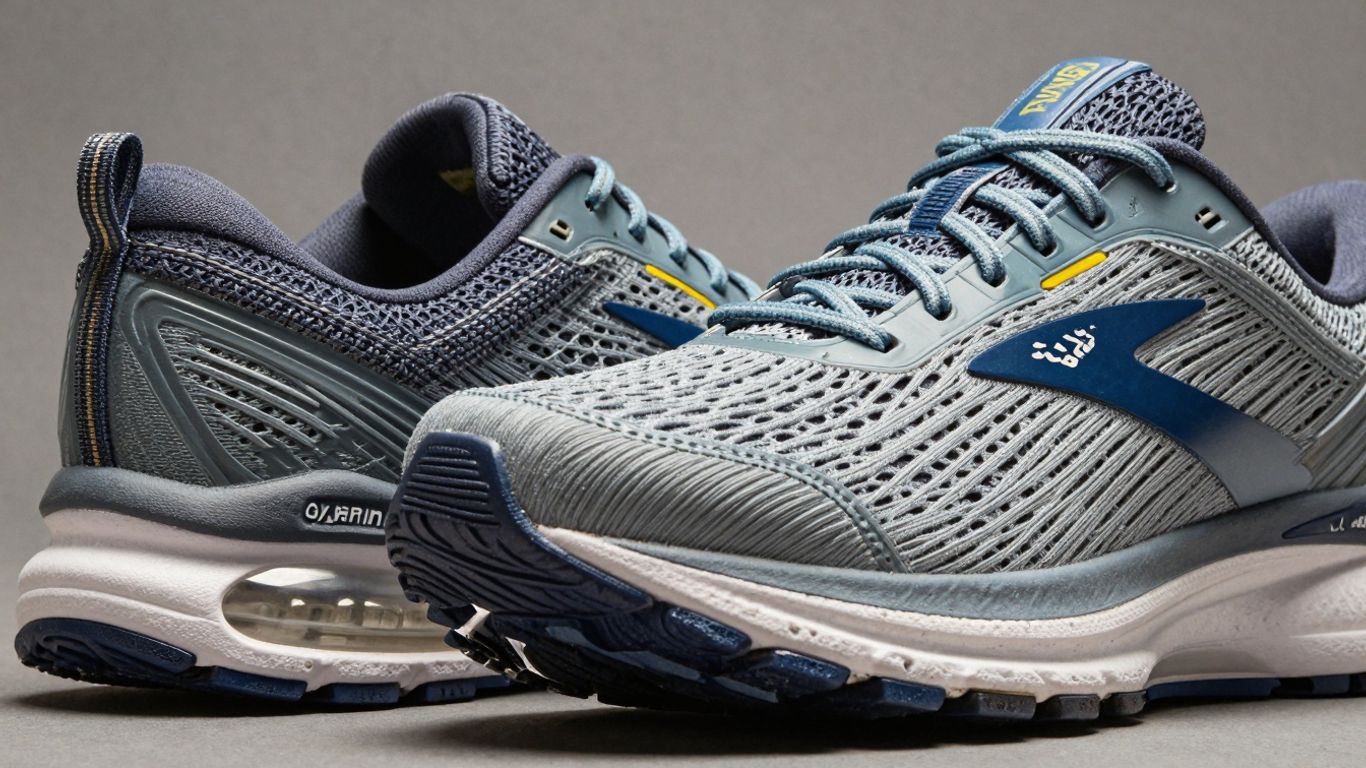
The Brooks Glycerin Max is a shoe that really leans into the idea of maximum cushioning. It’s built with a substantial stack of DNA Tuned foam, which is designed to give you a soft landing, especially in the heel, but then firms up a bit as you roll through your stride. This dual-density approach aims to absorb impact while still offering a bit of responsiveness. It’s a pretty big shoe, with a stack height that’s massive, making it feel like you’re running on a supportive cloud.
One of the standout features is the GlideRoll Rocker. This curved sole design helps your foot transition smoothly from heel to toe. For runners who tend to land on their toes or want to encourage a more fluid stride, this rocker can really make a difference. It helps you focus on a smoother gait rather than overthinking your foot strike.
This shoe is a solid choice for those long, easy runs where comfort is the absolute priority. It’s also surprisingly capable for runners who might be new to marathon running and just want to get through the distance without feeling beat up.
Recommended Next StepsBuild Your Running Performance System
Move from research to action with training, recovery, nutrition, pacing, and performance tools built for runners.
Runner Match Best for runners ready to connect training, recovery, nutrition, and race execution into one smarter system.Recommended Pace Range Use this guide to support smarter pacing, workout structure, and race-specific preparation.Ideal Use Cases Training consistency, recovery support, race preparation, and long-term performance development.Recommended System Pair smarter training with recovery, strength, nutrition, and pacing tools to get more from every week.More Guides for This Runner Goal
Amazfit Bip Max vs Amazfit Balance 3: Which Should You Buy? Amazfit Bip Max vs COROS Pace 4: Which Running Watch Is Better? Amazfit Bip Max vs Garmin Forerunner 165: Which Running Watch Is Better? Amazfit Bip Max Pros and Cons: Honest Runner Review Amazfit Bip Max Specs: Complete Review & Buyer’s Guide Amazfit Bip Max GPS Accuracy: How Reliable Is It for Running? Amazfit Bip Max Battery Life: Verified Specs & Real GPS Testing Insta360 X5 vs GoPro Max: Features Compared
While it’s definitely on the pricier side, the Glycerin Max feels like a durable option. Some runners even report feeling faster in it compared to other max-cushioned shoes, which is interesting given its size. It’s a different beast from the original Glycerin, offering a much more substantial feel underfoot. If you’re looking for a shoe that prioritizes a plush, protective ride, the Brooks Glycerin Max is definitely worth a look.
2. Nike Vomero Plus
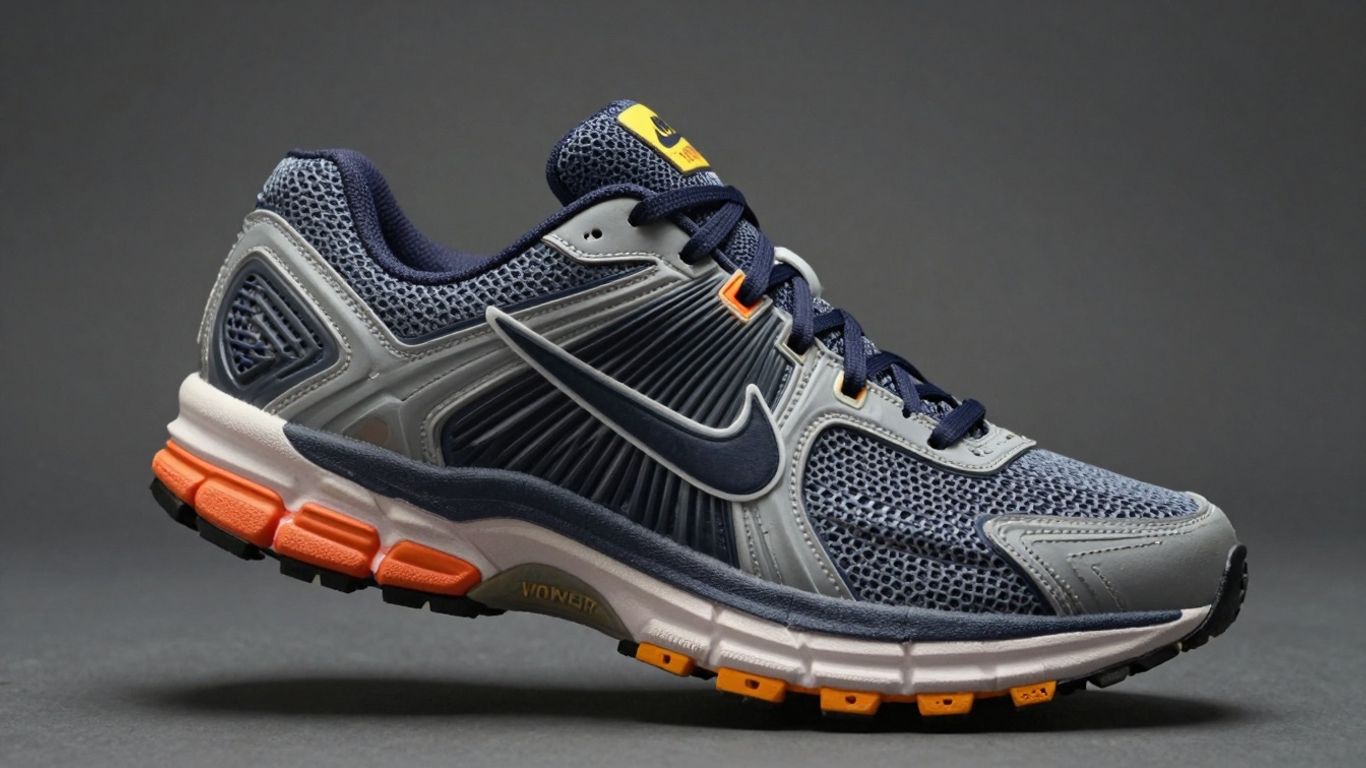
The Nike Vomero Plus is a bit of a sweet spot in Nike’s lineup. It’s not the absolute highest stack shoe they make, but it really hits a nice balance between having plenty of cushion and still feeling pretty nimble. This shoe is a fantastic choice for racking up those long, easy miles without your feet feeling beat up afterwards.
It uses a combination of Nike’s ZoomX foam on top and ReactX foam underneath. Think of ZoomX as the light and bouncy stuff, and ReactX as the slightly firmer, more durable layer. Together, they give you a ride that’s soft but also has a good amount of energy return, so you don’t feel like you’re just sinking into a marshmallow. It’s a great daily trainer if you want one shoe that can handle most of your runs, or a solid option to have in your rotation for those recovery days.
Here’s a quick look at what you get:
- Midsole Foam: A blend of ZoomX and ReactX for comfort and responsiveness.
- Best For: Long runs, easy runs, recovery runs.
- Feel: Cushioned, bouncy, and surprisingly not sluggish.
While it might not be the most versatile shoe for speedwork or racing, it really shines when you just want to cruise. It offers a really comfortable platform, and the sidewalls are designed to give you a bit of inherent stability, which is nice for a max-cushion shoe. If you’re looking for a shoe that feels plush underfoot for your everyday mileage, the Vomero Plus is definitely worth checking out. You can find more details about this shoe on Nike’s website.
The Vomero Plus sits comfortably between Nike’s lighter trainers and their super-high stack options. It provides a plush experience without feeling overly bulky, making it a go-to for runners who prioritize comfort on their longer efforts.
3. Hoka Clifton 10
The Hoka Clifton 10 continues its reign as a go-to for runners seeking serious comfort without feeling like they’re running on marshmallows. This shoe is pretty much the definition of a reliable daily trainer, perfect for just pounding the pavement or even tackling some light gravel paths. It’s been a favorite for a while, and this latest version, released in April 2025, keeps that momentum going.
It really hits that sweet spot between having enough cushion to feel good on long runs and still offering a bit of responsiveness. While it’s not the absolute lightest shoe out there, it doesn’t feel heavy either, especially considering how much foam is packed into that midsole. The stack height, particularly in the heel, is generous enough to keep your feet happy for hours, but it doesn’t feel overly clunky.
One of the notable changes this year is a slight increase in the heel-to-toe drop, moving from 5mm to 8mm. Honestly, most runners probably won’t even notice the difference, but it’s there. The upper got a nice update too, with a jacquard knit that feels breathable and comfortable. Hoka also tweaked the fit, giving the forefoot a bit more room, which is a welcome change for many. It’s a shoe that works for a lot of different runners, distances, and paces, though maybe not for those looking to set speed records.
Here’s a quick look at some key specs:
- Weight: 9.8 oz (Men’s size 10)
- Stack Height (Heel/Toe): 35mm/27mm (Men’s), 29mm/24mm (Women’s)
- Drop: 8mm
The Clifton 10 manages to be both plush and resilient, offering a ride that feels protective without being overly soft. It’s a solid choice for racking up daily miles.
4. Asics Novablast 5
The Asics Novablast 5 is a shoe that really surprised a lot of us. It manages to pack in a ton of cushioning without feeling heavy or sluggish. This shoe strikes a fantastic balance between soft comfort and a responsive, energetic ride, making it a go-to for many runners for pretty much any kind of run.
What’s really cool is how Asics designed the outsole. It’s got this ‘trampoline-inspired’ look, and honestly, it feels like it. You get a noticeable bounce with each step, which is great for keeping your legs feeling fresh, whether you’re just cruising on an easy day or picking up the pace a bit. The stack height is pretty substantial, sitting at 41.5mm in the heel and 33.5mm in the forefoot, but it doesn’t feel wobbly. It’s surprisingly stable for such a high stack.
| Spec | Measurement |
|---|---|
| Weight (Men’s 9) | 9.0 oz (255g) |
| Heel/Toe Stack | 41.5mm / 33.5mm |
| Drop | 8mm |
The upper has been updated too, with a new technical mesh that feels more comfortable and breathable than previous versions. It’s a nice touch that makes a difference on longer runs or warmer days. It’s also lighter than some of its main competitors, which is always a win.
While the Novablast 5 is a neutral shoe, its wider platform design offers a surprising amount of inherent stability. This means even if you don’t need a dedicated stability shoe, you might find the Novablast 5 provides enough support for your runs without feeling intrusive.
Some testers did mention that the traction on wet or icy surfaces could be better. So, if you’re running in seriously slick conditions often, you might want to be a little cautious. But for most road and even some light trail running, it holds up well. Overall, it’s a really versatile shoe that feels fun to run in, and it’s a great option if you’re looking for a daily trainer that can handle a bit of everything.
5. Nike Vomero 18
The Nike Vomero 18 is a bit of a departure from what we’ve seen in past versions. Nike really went all-in on the max cushion aspect here, adding a significant six millimeters to the stack height. This brings the heel up to a hefty 46 millimeters and the forefoot to 36 millimeters. They’ve combined their top-tier ZoomX and ReactX foams, which is pretty cool because it keeps the shoe from feeling like a brick, even with all that foam.
Now, it’s not quite the versatile shoe its predecessor was. They’ve changed up the outsole, removing some of that classic waffle pattern for pods that help with the heel-to-toe transition. This means more exposed midsole foam, and it’s not as grippy on varied surfaces as before. It’s also heavier, tipping the scales at 11.3 ounces for a men’s size 10. This shoe is definitely leaning into the ‘maximum cushion’ category, and it excels there.
However, don’t let the weight and stack height fool you. The Vomero 18 still manages to feel surprisingly responsive, thanks to a bit of an aggressive rocker and those premium foams. The upper also got an upgrade with more padding around the heel and tongue, making it feel really comfortable and secure, especially for your ankles.
Here’s a quick look at the specs:
- Weight: 11.3 oz (Men’s Size 10)
- Stack Height: 46mm (heel) / 36mm (forefoot)
- Drop: 10mm
- Midsole Foams: ZoomX and ReactX
While it might not be the do-it-all shoe it once was, if you’re specifically hunting for a shoe that offers a ton of soft cushioning for long runs or recovery days, the Vomero 18 is a solid contender. It’s a shoe that works well for a wider range of runners, even if it sacrifices some of that all-around versatility. You can find out more about its performance in our in-depth Nike Vomero 18 review.
This update really pushes the Vomero into the max cushion space. It’s a different shoe than before, but for those prioritizing plushness and a soft landing, it delivers.
6. New Balance Fresh Foam X 1080v14
The New Balance Fresh Foam X 1080v14, often just called the 1080, is a shoe that many runners have come to rely on for its generous cushioning. This latest version brings some nice updates, including a new engineered mesh upper that feels more secure than the older knit. It really locks your foot down, giving you a more confident feel with every step. They also tweaked the stack height, giving it a bit more foam underfoot and changing the heel-to-toe drop to 6mm. This makes for a smoother transition from your heel to your toes.
This shoe offers a plush, soft ride that’s great for logging serious miles. While it’s not the bounciest shoe out there, if you prefer a softer feel for your long runs, the 1080v14 is a solid choice. It’s comfortable right out of the box, so you won’t need much time to break it in. Some runners might find the toebox a little less roomy than in previous versions, possibly due to the new upper material, but overall it’s a really versatile shoe for easy to moderate paced runs.
Here’s a quick look at the specs:
- Weight: Around 10.1-10.3 ounces (men’s size 9)
- Stack Height (heel/toe): 36mm/30mm
- Drop: 6mm
This shoe is a reliable option for high mileage training. It provides excellent cushioning and shock absorption, making it a good companion for those long days on your feet. You can find more details about this daily trainer.
It’s a shoe that has consistently delivered comfort and protection, making it a favorite for many runners looking for that maximum cushion experience without feeling sluggish. It’s a great option if you’re looking for a shoe that can handle a lot of wear and tear.
7. New Balance FuelCell Rebel v5
Okay, so the New Balance FuelCell Rebel v5. This shoe has been getting a lot of buzz, and honestly, for good reason. It’s kind of like the do-it-all shoe that you might have been looking for. Whether you’re heading out for a long, slow jog, trying to hit some fast splits in a speed workout, or just going for a casual everyday run, the Rebel v5 seems to handle it all pretty well.
The big deal here is the FuelCell midsole. New Balance updated it with a mix of PEBA and EVA foam, and it’s super light but also really bouncy. They’ve also made the stack height taller than previous versions, officially putting it in the max cushion category. We’re talking 35 millimeters in the heel and 29 millimeters in the forefoot. It feels pretty substantial underfoot without being mushy.
Here’s a quick look at the specs:
- Weight: 8.0 oz (227g) for men’s size 9
- Stack Height (heel/toe): 35mm / 29mm
- Drop: 6mm
New Balance also tweaked the outsole, adding more rubber in the front for better grip, which is nice. The heel and tongue got a redesign too, aiming for more comfort when you’re really pushing the pace. And get this – they managed to keep the price at $140, which is pretty awesome considering all the updates. It’s a shoe that’s just plain fun to run in, offering a good balance of bounce and responsiveness.
This shoe strikes a good balance. It’s got enough cushion to feel comfortable on longer efforts, but it’s also light and responsive enough that you don’t feel bogged down when you want to pick up the pace. It’s a solid choice if you’re looking for one shoe that can do a bit of everything.
It’s a really versatile shoe, and for the price, it’s hard to beat if you want something that feels fast and fun on pretty much any run.
8. Topo Specter 2
Topo Specter 2 is a pretty interesting shoe in the max cushion category. It’s known for its wide toe box, which is a signature of the brand. This design lets your toes spread out naturally, which is great if you have wider feet up front, especially if you have a medium or narrow heel. It’s Topo’s first stab at a high-performance cushioned shoe, and honestly, they did a pretty good job.
This shoe packs a lot of foam. You get 37 millimeters in the heel and a 5-millimeter drop, so there’s definitely some serious cushioning underfoot. The rocker shape helps it feel responsive and propels you forward. In this latest version, they added a couple of millimeters of stack height and managed to shave off some weight, making it feel lighter on your feet. It’s a shoe that feels like it wants to go fast, whether you’re doing easy miles or picking up the pace for tempo runs. Some runners found it took about 30 miles to break in, while others were good to go right out of the box.
The upper is smooth and comfortable, and the heel lock is solid. However, a few testers mentioned that the toe box, while wide, didn’t curve outward enough on the outer edge. This caused some rubbing on the pinkie toes for some, even in smaller sizes. Also, be aware that these can be a bit slippery on wet pavement, so keep an eye on the weather.
Here’s a quick look at the specs:
- Weight: 8.1 ounces (men’s size 9)
- Stack Height (heel/toe): 37mm/32mm
- Drop: 5mm
While the Specter 2 offers a good amount of cushioning, the specific design of the toe box might not work for everyone. It’s worth trying them on to see how that outer edge feels against your little toe.
Overall, the Topo Specter 2 is a lightweight, bouncy option that offers a unique fit thanks to its wide toe box. It’s a solid choice for daily training and can even handle some faster efforts. If you’re looking for a shoe that lets your feet feel natural, this is definitely one to consider.
9. Nike Invincible 3
Alright, let’s talk about the Nike Invincible 3. If you’re looking for a shoe that feels like running on clouds, this might be it. Nike packed this thing with their ZoomX foam, and it really makes a difference. It’s super bouncy and soft, which is awesome for just about any kind of run, whether it’s a quick jog or a longer haul. Seriously, the cushioning feels like it could go on forever.
One thing I really liked was the roomy toe box. My feet felt like they had plenty of space to spread out, which is a big plus, especially on longer runs. It’s not the lightest shoe out there, tipping the scales at over 10 ounces, but honestly, you don’t really feel that weight when you’re out there. It’s more of a shoe for those easy days or long runs where comfort is king.
While most testers found the fit great, a couple of people mentioned that the laces and thin tongue could dig in a bit, and the heel area felt a little stiff. Some folks even used the extra eyelets to get a more secure fit. It’s worth noting that while it handles gravel and dirt roads okay, it’s not the best on actual trails, and the grip can get a bit dicey on wet pavement.
Here’s a quick rundown of the specs:
- Stack Height (heel/toe): 40mm/31mm
- Drop: 9mm
- Weight (Men’s US 9): 10.2 ounces (289 grams)
- Midsole Foam: ZoomX
Overall, the Invincible 3 is a solid choice if maximum cushion is your main goal. It’s a bit of an investment, but for the comfort it provides, many runners find it worth the price.
10. Puma Velocity Nitro 4
The Puma Velocity Nitro 4 is a solid choice if you’re looking for a shoe that can handle a bit of everything without breaking the bank. It’s not exactly a max-cushion shoe in the same way some of the others on this list are, but it offers a really nice balance. You get a comfortable amount of foam underfoot that feels lively, not mushy. This makes it great for daily training, but also capable of picking up the pace when you feel like it.
It’s a shoe that feels surprisingly light for the cushioning it provides. Some runners might find it doesn’t have quite enough squish for super long, slow days, and if that’s you, maybe check out the Puma MagMax Nitro for a softer ride. But for most runs, from easy jogs to tempo efforts, the Velocity Nitro 4 hits a sweet spot. The fit is generally secure, especially in the heel and midfoot, with a bit more room up front for your toes, which is always a plus.
Here’s a quick look at what it offers:
- Balanced Cushioning: A dual-layer foam setup provides comfort with a responsive feel.
- Versatile Ride: Works well for daily miles, faster workouts, and even some longer runs.
- Lightweight Feel: Impressive for a shoe with this much comfort.
- Secure Fit: Good lockdown in the midfoot and heel, with a comfortable toe box.
If you’re looking for a dependable daily trainer that won’t feel sluggish when you want to go a little faster, the Puma Velocity Nitro 4 is definitely worth considering. It’s a great all-rounder that offers good value for money. You can find more details on this versatile shoe on Puma’s website.
Wrapping It Up
So there you have it, our top picks for max cushion running shoes in 2025. It’s pretty wild how much cushion is out there now compared to even just a few years ago. Whether you’re looking for something super soft for recovery runs or a shoe that can handle some faster miles while still feeling plush, there’s definitely something on this list for you. Remember, the best shoe is the one that feels good on your feet, so don’t be afraid to try a few out. Happy running, everyone!
Frequently Asked Questions
What exactly is a “max cushion” running shoe?
Think of “max cushion” shoes as having a really thick layer of soft stuff, called foam, under your foot. It’s like walking on a cloud! While there’s no strict rule, these shoes usually have foam that’s around 40mm thick, which is the highest amount allowed for athletes in races. They’re designed to give you a super comfy and protective feel with every step.
Are super cushioned shoes better for running?
It really depends on what you like and what your body needs! Lots of cushioning can help absorb the shock when your feet hit the ground, which might make running feel easier on your muscles and joints, especially on hard surfaces like roads. Some runners find they can go longer or feel less tired. However, some people prefer a shoe that feels more connected to the ground, so it’s a personal choice.
Can maximum cushion shoes help prevent injuries?
While these shoes do reduce the force of impact when you land, research hasn’t definitively proven that more cushioning automatically prevents injuries. What’s really important is finding a shoe that feels good to *you*. When you love how a shoe feels, it can make your running experience better overall, no matter the type of shoe.
What’s the difference between soft and bouncy cushion?
Soft cushion feels plush and really comfortable, like sinking into a comfy pillow. Bouncy cushion, on the other hand, gives you a little ‘spring’ back with each step, making it feel more energetic and responsive. Some shoes offer a mix of both, aiming for that sweet spot between comfort and a lively feel.
Should I worry about losing speed with a lot of cushion?
For the most part, max cushion shoes are built for comfort and protection, not necessarily for speed. However, many brands are now making these shoes lighter and more responsive, so you can still get a good feel for running faster. Some models are even great for longer races where comfort is key, while others can handle quicker paces too.
If I have foot pain, can a max cushion shoe help?
If you have issues like plantar fasciitis, the extra padding can feel really good. But remember, it’s still important to do exercises that strengthen your feet. If you have Achilles tendon problems, a very thick, soft shoe might not be the best choice for you. It’s always a good idea to listen to your body and maybe talk to a running specialist.


