Best Bands for Suunto Race 2 Titanium: Top Picks for Every Runner
The right band can make your Suunto Race 2 Titanium feel secure through a long run, comfortable during sleep, and ready for sweat, rain, and daily wear. A poor fit can create hot spots, loosen during hard efforts, or make an expensive GPS watch feel less practical than it should.
This guide compares the best bands for the Suunto Race 2 Titanium, including original Suunto options and compatible third-party choices. You’ll see how lug width, quick-release fit, material, breathability, adjustment, durability, and price affect the decision, whether you’re training for a marathon or lining up on race day. Silicone may suit wet workouts and changing weather, while nylon and other lightweight materials can offer a softer feel for all-day use.
Before ordering, confirm your exact watch specifications and the band’s connection details. Small differences in width or attachment design can make a band incompatible, even when the listing names the Suunto Race 2. First, we’ll look at the fit and compatibility details that should guide every purchase.
Best Bands for Suunto Race 2 Titanium, Compared for Every Type of Runner
The best band for your Suunto Race 2 Titanium depends on where you train. Daily runners need balanced comfort and security, while hot-weather athletes may prefer breathable nylon. Silicone handles water and cleaning better, and leather or fabric gives the titanium case a more polished look for work.
Before buying, check the lug width, quick-release design, and attachment shape. A general 22 mm strap may look compatible in a listing but still fail to seat correctly. Exact fit matters more than the brand name.
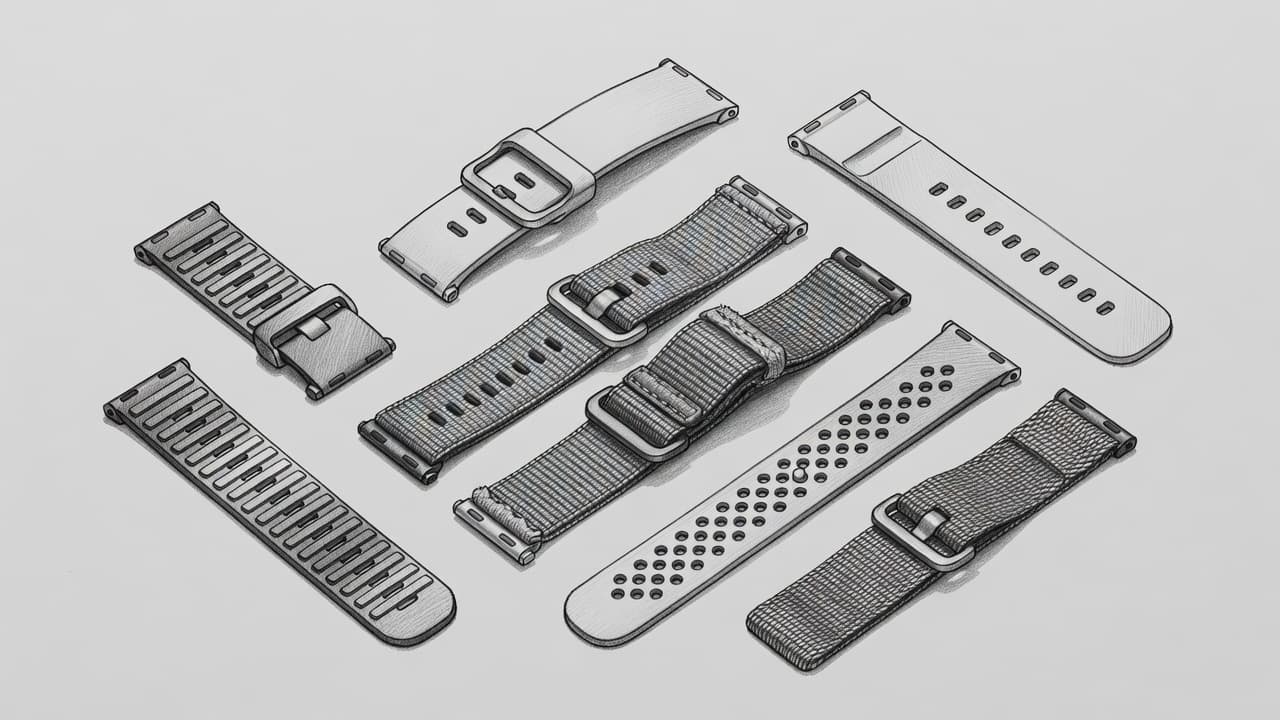
Best overall replacement band for daily training and racing
A strong all-purpose band should disappear on your wrist during a workout. Look for a secure buckle or dependable pin closure, enough adjustment for mild wrist swelling, and edges that stay soft against the skin. Low weight also matters when you wear the watch through intervals, long runs, recovery, and sleep.
The official Suunto replacement band is the safer choice when you want the closest match for fit, attachment, and finish. A well-made compatible band can offer similar comfort at a lower price, but inspect the connector, buckle, hole spacing, and customer photos before ordering. An example of a compatible silicone option is this adjustable replacement strap, although you should confirm that the listing matches your exact watch model.
During intervals, the band should hold the case steady without pinching. On long runs, it should tolerate sweat and rain without developing rough pressure points. For strength sessions, the closure must resist accidental loosening when your wrist bends under a bar or dumbbell.
Best breathable nylon band for hot weather and long runs
Woven nylon often feels lighter and less clammy than solid silicone. Its open structure allows some airflow, while hook-and-loop adjustment lets you fine-tune tension as your wrist warms. That makes nylon a strong choice for summer mileage, travel, and long easy runs.
However, nylon absorbs water. It may take longer to dry after a wash or heavy rain, and wet fabric can hold dirt during muddy trail runs. Odor also becomes a concern when the band stays damp between workouts. Rinse it promptly, dry it fully, and check the edges for fraying.
A quality nylon band should remain secure when wet, but the hook-and-loop surface must stay clean and strong. For runners who want a light strap with flexible sizing, Suunto users have also discussed nylon Velcro band options.
Best silicone or sport band for rain, swimming, and easy cleaning
Smooth silicone and rubber-like sport materials suit runners who train in wet conditions. They don’t absorb water, wipe clean quickly, and maintain a stable fit during hard efforts. Perforated silicone improves airflow and reduces the solid, sweaty feel of a closed strap.
Choose ventilation holes with rounded edges, since sharp openings can irritate skin. The buckle should feel firm, and the band shouldn’t fold sharply where it meets the watch. Smooth surfaces also make rinsing away sweat, sunscreen, and trail grit simple.
Silicone can feel hot in summer, trap moisture, or cause irritation on sensitive skin. Some bands also feel stiff until they soften with use. For swimming and frequent washing, those drawbacks are usually easier to accept than the slow drying of nylon.
Best premium-looking band for work and everyday wear
Leather, leather-lined, fabric, and hybrid bands make the titanium watch look more suitable for an office or dinner. Leather adds warmth to the metal case, while fabric and hybrid designs create a softer casual appearance.
These materials are lifestyle choices, not first picks for sweaty workouts. Heavy sweat, swimming, rain, and frequent washing can stain leather, weaken adhesives, or leave fabric damp. Change to silicone or nylon before training, then switch back for work. That small habit protects the premium band and gives you the right fit for each part of your day.
Check Compatibility Before You Buy a Suunto Race 2 Titanium Band
Compatibility should be your first purchase check, not an afterthought. A band can look like the right size and still fail because the lug width, pin style, connector shape, or case clearance is wrong. Before choosing among the best bands for Suunto Race 2 Titanium, compare the watch, its current band, and the seller’s specifications.
Confirm the lug width, quick-release system, and connector shape
Lug width is the distance between the inside edges of the two lugs where the band attaches. Measure that gap carefully with a ruler or digital caliper, rather than measuring the outside of the watch case. The case diameter and band width are different measurements, and confusing them is a common reason replacement bands don’t fit.
Next, inspect the original band. Look for a small sliding lever on the spring bar, which indicates a quick-release system. If you don’t see one, the band may use standard spring bars or a model-specific attachment. Suunto’s official strap replacement instructions can help you identify the removal method for your watch.
The connector also matters. Some bands attach directly between the lugs, while others need a shaped end link or adapter that follows the titanium case. A standard-looking replacement may leave visible gaps, rub against the case, or sit at an awkward angle. Under running loads, a poor connector can even pop out.
Compare product photos with your existing band. Check the listed lug width, spring-bar type, connector shape, band length, and watch model. A listing that only says “universal” doesn’t provide enough information to justify a purchase.
Make sure the band clears the titanium case and buttons
A compatible band should bend naturally around the lugs without pressing against the titanium case. The material needs room to flex as your wrist moves, especially during arm swing, push-ups, or strength training. If the end of the band pushes inward, it can create rubbing and place extra stress on the spring bars.
Check the area around the buttons or crown before tightening the band. A thick end link or stiff silicone section can interfere with controls when you bend your wrist. Also inspect the underside for clearance around the charging contacts and optical sensor area, where the band or adapter could obstruct access or press into the wrist.
After installation, look at both connections from the side and underneath. The spring bars should sit fully inside the lug holes, and the band should move smoothly without twisting. Then perform a gentle pull test in several directions before wearing the watch for a run. If either side shifts, creaks, or separates, remove it and reassess the fit.
Use a trusted return policy when buying third-party bands
A reliable seller should name the exact Suunto model, provide measurements, show close-up connector photos, and accept returns for fit problems. Suunto’s accessory strap collection is a useful reference for comparing materials and attachment styles.
Treat these missing details as warning signs:
- The listing gives no lug width or band dimensions.
- Material descriptions use vague terms such as “premium rubber.”
- Product photos hide the connector or show only the band front.
- The seller doesn’t explain whether pins are included.
- Reviews mention loose connectors, broken keepers, or bands detaching during exercise.
A clear compatibility list is more valuable than a bold product title. If the seller cannot explain how the band fits your exact watch, keep looking.
How Different Band Materials Perform on Runs, Trails, and Rest Days
Silicone and rubber bands keep water and sweat under control
Solid and perforated silicone bands are the armor of choice when your workout involves heavy sweat or torrential downpours. Because silicone is completely non-porous, it refuses to absorb moisture, meaning rain and pool water simply bead up and roll off.
When you finish a muddy trail run, you can run the entire watch under a tap, wipe it with a towel, and instantly remove salt crust and dirt. Perforated designs elevate this performance by adding ventilation holes that allow trapped body heat to escape, reducing that clammy feeling against your wrist during long efforts.
Skin comfort depends heavily on interior texture and ventilation. Smooth silicone can stick to a hot wrist if it lacks airflow channels, while poorly finished perforation edges can chafe during long endurance sessions. In freezing temperatures, standard rubber compounds stiffen noticeably, making the band less flexible when you pull it over a winter running jacket.
Furthermore, sweat and salt trapped beneath a solid band can irritate sensitive skin if you neglect hygiene. Always wash both the band and your wrist thoroughly with mild soap after a hard workout to prevent rashes and stubborn odors.
Nylon bands stay light and comfortable during long efforts
Woven nylon strips away unnecessary ounces, making your wrist feel unburdened during marathon training blocks and overnight recovery tracking.
The soft fabric bends easily around the contour of your arm, while micro-adjustable hook-and-loop closures let you loosen or tighten the fit by millimeters as your body temperature fluctuates. Because the band profile is remarkably thin, it slides effortlessly beneath running sleeves and winter jackets without catching or creating annoying pressure points.
However, fabric demands careful maintenance because it acts like a sponge for sweat and muddy puddles. A damp nylon strap dries slowly compared to rubber, and trapped moisture can harbor bacteria that lead to noticeable odors after consecutive days of hard use.
Trail runners should inspect the hook-and-loop fasteners regularly because fine dirt and grit can diminish the grip strength of the closure over time. Rinse the fabric thoroughly after each sweaty session, and check the stitched anchor points near the lugs to ensure the material isn’t fraying under daily mechanical stress.
Leather and hybrid bands look polished but need more care
Leather and leather-backed hybrid straps transform your performance GPS watch into a sophisticated timepiece suitable for professional environments, travel, or post-race celebrations.
Natural hide adds warmth and texture against the titanium case, creating a refined look that rubber or nylon simply cannot match. These bands belong in the office or at dinner, rather than on high-intensity training runs or muddy mountain trails.
Water and sweat are the natural enemies of leather. Heavy perspiration will stain the material, weaken adhesives in hybrid constructions, and eventually cause the hide to crack or develop an unpleasant odor. Frequent exposure to moisture strips away natural oils, turning a supple strap into a stiff and abrasive band.
Reserve leather for rest days and casual wear, and swap back to a dedicated sport strap before you head out the door for a run. That simple routine preserves the appearance of your premium accessories while keeping your skin comfortable during hard training.
Choose the Right Suunto Race 2 Titanium Band for Your Training Style
Finding the right strap for your performance watch requires matching the material to your specific physical demands. Therefore, you must evaluate how a band reacts during a four-hour marathon, a gritty trail run, or an evening sleep tracking session. An unstable watch slips around, dampens your confidence, and ruins optical heart-rate tracking when you need precision the most.
For marathon training and long-distance racing
Endurance running demands a band that weighs almost nothing and maintains a steady position over grueling hours. Because your wrists swell significantly during prolonged exertion, you need a strap with micro-adjustments or elastic give to prevent painful constriction. A poor band creates pressure points when your arms relax, while loose configurations allow the heavy titanium case to bounce and chafe against your skin.
Prioritize smooth contact points and secure closures that won’t slip when sweat pours down your arms. Before race day arrives, test your replacement band on a long weekend run of at least ninety minutes. That trial run exposes minor rubbing issues long before the starting gun fires.
For speed work, track sessions, and strength training
Interval sessions and heavy lifting test your gear through explosive movements and radical wrist flexion. During a track repeat or a heavy barbell clean, your wrist bends sharply, which can pinch your skin if the strap is too rigid or thick. You must wear the watch snugly enough to maintain unbroken optical sensor contact, yet loose enough to keep your blood circulating freely.
Runners with smaller wrists often benefit from shorter or highly flexible bands that wrap tightly without leaving excess tail ends flapping around. Silicone and secure hook-and-loop straps excel here because they resist lateral shifting during intense arm swings.
For trail running, camping, and rough conditions
Off-road adventures expose your gear to abrasive mud, sharp branches, driving rain, and constant grit. A reliable trail band relies on rugged construction, featuring robust stitching, a dependable metal buckle, and reinforced edges that won’t fray against rocks or brush. Avoid decorative connectors that depend on fragile pins because a snagged branch will easily tear a weak joint apart.
Inspect your spring pins and attachment points after every heavy impact on the trail. A quick check prevents you from losing an expensive GPS watch in deep brush or a muddy river crossing.
For sleep, recovery, swimming, and daily wear
Overnight recovery tracking requires a band that disappears against your skin without creating bulky pressure points while you sleep. Soft nylon or supple silicone works best for 24-the-hour wear because they breathe well and dry quickly after a morning shower or swim session. However, these athletic materials look out of place in a professional office, so many athletes keep a separate leather or hybrid strap for daily wear.
Switching between a rugged workout band and a polished lifestyle strap protects your professional accessories from sweat damage while keeping your skin irritation-free. Match the band to the hour, and your watch will perform flawlessly across every part of your day.
Band Features That Improve Comfort, Security, and Watch Accuracy
The right strap does more than hold your watch in place. It keeps your sensor locked against your wrist for clean data while fading from your attention during a long effort. A cheap replacement band often creates friction, slips under heavy sweat, or pinches your skin when your arms swing.
Look for a closure that stays locked without creating pressure
Traditional pin buckles offer secure, familiar adjustments, but they rely on fixed hole spacing that can leave you stranded between notches when your wrist swells.
Hook-and-loop closures solve this sizing problem by letting you adjust tension by millimeters, yet they can trap grit on dusty trails and slowly lose their grip over months of heavy use. Pin-and-tuck systems sit flat against the skin to eliminate snagging on sleeves, but they require extra effort to fasten securely.
No matter which closure you choose, any excess tail length needs a secure keeper ring. A loose strap end catches on clothing sleeves, hydration packs, or tree branches during a run. Tuck that extra length down completely before you head out the door.
Prioritize ventilation, smooth edges, and a useful adjustment range
Perforations and breathable weaves stop heat and moisture from building up underneath your watch case. Solid rubber bands trap sweat against the skin, which softens tissue and creates painful chafing during multi-hour efforts. Check the edges of every ventilation hole before you buy, because rough or sharp perimeters will rub raw against your wrist as you rack up miles.
Look closely at the adjustment geometry of your band before committing to a purchase.
- Count the adjustment holes to ensure the spacing fits your exact wrist dimensions without leaving you too loose or too tight.
- Inspect the flexibility of the material right where it meets the metal lugs to ensure it bends naturally around your arm.
- Verify that the keepers are wide and soft enough to hold the strap down without digging into your skin.
Test the connection and protect the titanium case
Installing a new band requires a careful routine to protect your hardware and guarantee safety on the trail. Clear all dirt and sweat out of the watch lugs using a soft brush before sliding in new pins.
Seat both spring pins fully into their respective holes, and listen for a distinct click if your system uses quick-release levers. Flex the band back and forth in several directions, and finish with a firm pull test to confirm the connection holds fast.
Avoid using metal screwdrivers or sharp pocket knives during installation because a slip will instantly scratch your titanium finish. Use your fingers or a dedicated plastic spring-bar tool instead. A stable connection protects your expensive GPS watch from accidental drops on hard concrete or deep water crossings.
How Much Should a Replacement Band Cost, and Are Premium Bands Worth It?
Price tags on replacement straps span a wide spectrum, ranging from bargain multi-packs to expensive branded options. Therefore, figuring out what you actually get for your money prevents you from overpaying for marketing hype or buying cheap gear that fails mid-run. Check current retail prices before purchasing, because hardware costs fluctuate frequently across online storefronts.
When an official Suunto replacement band is worth the extra cost
Official factory straps cost significantly more than generic alternatives, yet they deliver guaranteed compatibility and predictable quality. Suunto designs these bands to match the exact curvature of the titanium case, ensuring the connectors snap securely into place without awkward gaps or loose play. You also receive brand support and reliable materials that withstand harsh UV rays, saltwater, and heavy sweat without breaking down prematurely.
However, official options often feature a limited color palette and a higher price tag. Certain compounds can also feel stiff during cold weather or trap excess heat if ventilation is sparse. If you want zero fit risk and a factory finish that matches your warranty expectations, starting with the official option is the smartest path.
When a third-party band offers better value
Independent makers often undercut factory prices while delivering features that Suunto doesn’t offer in their standard catalog. Reputable third-party brands provide an extensive spectrum of bright colors, ultra-light woven nylon, and highly breathable perforated silicone designs. These alternatives let you customize your aesthetic or swap materials for different seasons without spending a fortune.
Judge value through precise measurements, detailed material specifications, user reviews, and clear return policies instead of looking at price alone. A well-reviewed compatible strap often matches factory durability at a fraction of the cost.
Avoid low-quality pins and hardware that create false savings
Bargain straps often cut corners on critical hardware, creating hidden costs that outweigh any initial savings. A weak spring pin or a brittle plastic buckle can snap suddenly during a hard effort, sending your expensive GPS watch crashing onto pavement or sinking into a river. Cheap materials can also trigger painful skin rashes from chemical additives or trapped sweat.
Evaluate potential purchases carefully by reviewing a few key details before ordering.
- Inspect product photos to confirm the metal buckle uses solid stainless steel rather than painted plastic.
- Read customer feedback specifically for mentions of loose pins, fraying edges, or premature stretching.
- Verify that the keeper loops are flexible and thick enough to hold the tail end of the band securely.
- Check that the seller provides exact measurements for lug width and overall strap length.
Buying two purpose-built bands, such as a durable silicone strap for rainy workouts and a light nylon band for daily wear, is often more useful than spending a large sum on a single all-purpose option. Compare current market prices, protect your hardware with reliable pins, and match your strap to your actual training demands.
How to Install, Clean, and Replace Your Suunto Race 5 Titanium Band
Keeping your equipment in top condition prevents mid-run failures and skin irritation. Therefore, mastering the routine of swapping, washing, and retiring your straps is essential for serious endurance training.
Install a new band without scratching the titanium watch
Work over a soft, clean towel on a flat table to protect your watch case from accidental drops and metal scratches. Slide the quick-release pin on one side into the inner lug hole, then retract the lever and guide the opposite end into place. Release the lever so the spring bars lock firmly into both sides of the titanium lugs. Never force a connector if it resists or leaves a gap, because misaligned pins can snap under tension.
Before you step out the door, perform a pre-run pull test by tugging firmly on the band in multiple directions to verify that the pins hold. Inspect the connection a second time after your first sweaty workout, since initial heat and movement can settle the hardware.
Clean each material in a way that prevents odor and damage
Silicone bands need a simple rinse under warm water after every sweaty or salty session, followed by a quick wipe with mild soap if grime builds up.
Nylon straps demand more drying time, so remove the band after heavy rain or extreme heat and allow it to air dry completely to stop bacterial growth. Leather straps require dedicated leather conditioner and must stay far away from swimming pools and heavy perspiration.
Avoid harsh chemical cleaners, boiling water, and prolonged damp storage in dark gym bags. High heat warps rubber compounds, while trapped moisture breaks down fabric stitching and ruins natural hides.
Know when a running band needs to be replaced
Inspect your gear regularly for safety warnings that signal an impending failure on the trail.
- Visible cracks in rubber or silicone compounds
- Stretched or enlarged sizing holes that slip under pressure
- Worn stitching along the fabric anchor points
- A loose buckle or a bent pin that fails to click shut securely
- Frayed nylon edges that catch on running vests or race sleeves
- Recurring skin rashes caused by trapped debris in degraded material
Replace the band immediately if you spot any of these failure signs, especially before a key race. Testing your gear early prevents a broken strap from sending your GPS watch bouncing across asphalt or sinking into a river.
Conclusion
Start with a confirmed-compatible official or reputable sport band for dependable daily training. Choose breathable nylon for comfort during long and hot runs, and use a simple silicone band for wet or muddy sessions. Leather and premium hybrid styles work well as lifestyle options, but they do not serve as automatic performance upgrades. Verify the lug width, connector type, fit, and return policy before ordering any new strap.
Test the band during training, keep the watch secure without overtightening, and choose the option that disappears on the wrist so your attention stays firmly on pace, effort, and the finish line.