

Best Baltimore Marathon Hotels Near the Start Line
Before sunrise, Baltimore’s streets can feel almost still, but the nervous energy is unmistakable. Runners move through the darkness toward the start, checking watches, warming up, and hoping they won’t lose precious sleep searching for parking or a restroom.
Staying at a hotel near the Baltimore Marathon start line can simplify race morning. A short walk may protect your sleep, make breakfast easier, provide faster bathroom access, and reduce the stress of navigating traffic and road closures before the gun goes off. Still, the best hotel depends on the current start location, how far you’re willing to walk, your budget, and whether you’re traveling with family.
This guide focuses on practical hotel choices around the stadium, Inner Harbor, downtown, and nearby neighborhoods, so you can match your room to your race-day needs. Before booking, confirm the official race map and start time, then check planned road closures, parking details, breakfast hours, late checkout options, and hotel policies. Next, compare the most convenient areas for your Baltimore Marathon stay.
Key Takeaways
- Choose Baltimore Marathon hotels near the start line to protect sleep, simplify breakfast, and reduce race-morning stress.
- The marathon currently starts at 8 a.m. near Russell and Camden Streets, but confirm details on the official marathon page before booking.
- Compare the stadium area, Inner Harbor, and downtown by walking distance, room rates, parking, and breakfast hours.
- Check road closures and transit changes, since a nearby hotel may still require a longer route on race morning.
- Ask about late checkout, luggage storage, quiet rooms, refrigerators, and cancellation policies before finalizing your stay.
Baltimore Marathon Hotels Near the Start Line: Best Areas and Picks
The most convenient Baltimore Marathon hotel depends on how much race-morning walking you want, how early your group will wake up, and whether you value restaurants over proximity. The stadium district is usually the practical first search, while Inner Harbor, downtown, and Mount Vernon give you more room choices when the closest hotels fill.
Plan Your Complete Marathon Weekend
Choosing the right hotel can reduce race-day stress, shorten travel time, improve sleep, and make your entire marathon weekend smoother.
More Baltimore Marathon Hotel Guides
Hotels closest to the stadium and Camden Yards area
Staying near Camden Yards can make race morning feel far more manageable. You may only need a short walk to the start area, and returning to your room after the finish can be easier on tired legs. You also reduce your dependence on shuttles, rideshares, and streets affected by closures. The official Baltimore Marathon page should remain your reference for the current start location and race-day details.
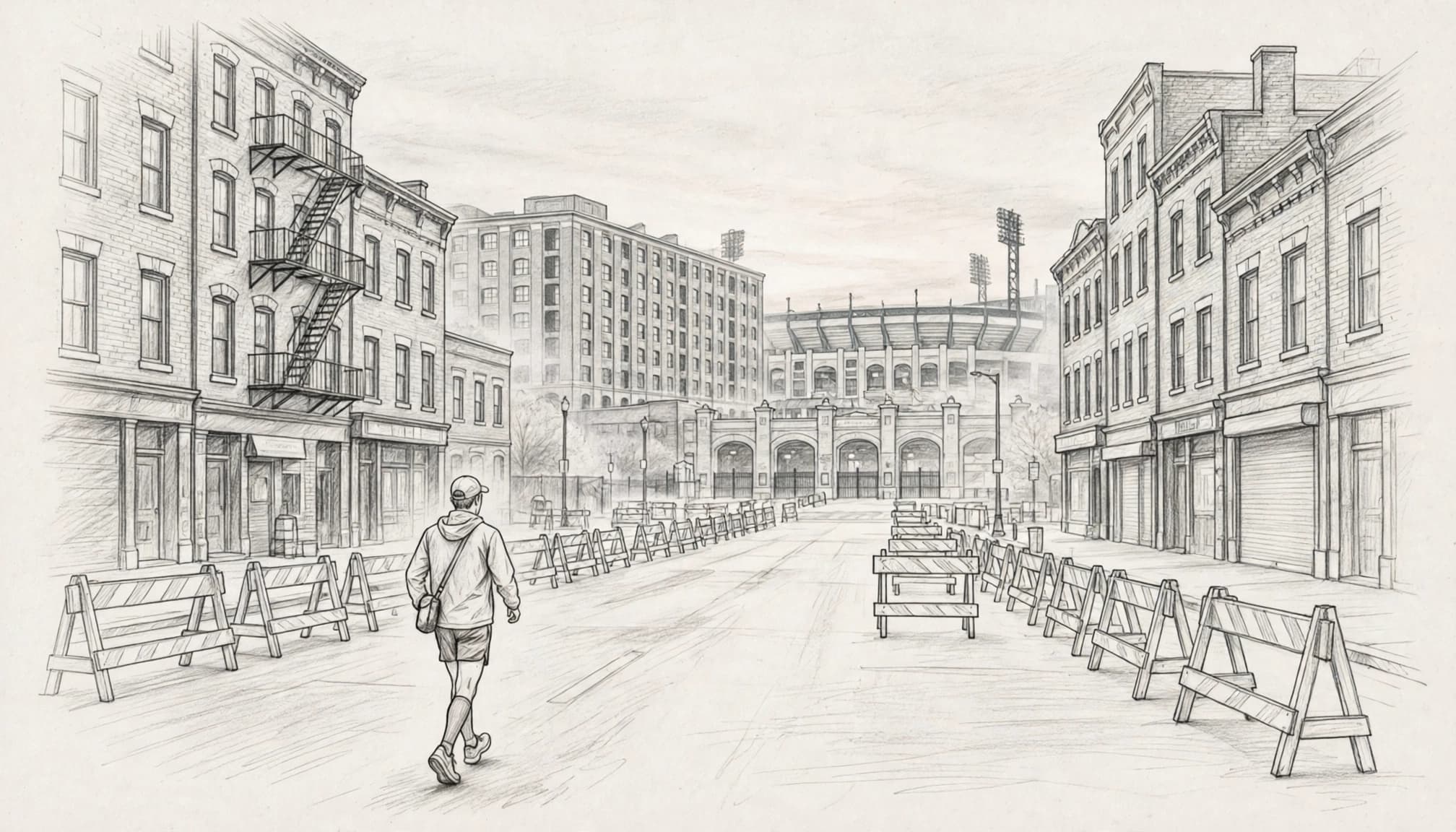
Start your research with Hilton Baltimore Inner Harbor and Hampton Inn Baltimore-Downtown Convention Center. Hilton may suit a runner seeking a full-service stay close to the stadium, while Hampton Inn can appeal to a first-time marathoner who wants a practical base and familiar breakfast options. Verify each hotel’s current distance, entrance route, and race-day access before booking.
A hotel can look close on a map yet require a longer walk because of fencing, security checkpoints, closed streets, or limited stadium entrances. Ask the front desk which route runners typically use, then confirm it again when the official race map is released.
The tradeoffs are just as real. Event-night noise, limited room availability, and higher weekend rates can affect this area. Book early if the shortest practical walk matters to you, and request a quiet room away from busy streets.
Inner Harbor hotels for runners who want food and convenience
Inner Harbor works well for runners traveling with family or anyone who wants plenty to do before and after the race. Restaurants, coffee shops, attractions, and waterfront paths make it easier to keep non-runners comfortable during the weekend. Hyatt Regency Baltimore Inner Harbor may fit a runner who wants a full-service hotel with family-friendly convenience, while Royal Sonesta Harbor Court Baltimore suits guests who prefer a waterfront atmosphere and extra room to relax.
The waterfront location may not be the closest option to the corrals, however. Check the walking route at the actual start time, since barriers and restricted crossings can change the distance. Ask whether the hotel offers an early breakfast, coffee service, or a grab-and-go bag for marathon morning. For better sleep, request a room away from nightlife, elevators, and street-facing entertainment areas.
Downtown and Mount Vernon options when the closest rooms sell out
Downtown and Mount Vernon widen your search without placing you far from the race area. Consider Lord Baltimore Hotel if you want a historic atmosphere and may accept a longer walk for availability or price. Hotel Revival Baltimore can appeal to runners who value a distinctive neighborhood setting, room character, or more space between race-day errands.
A slightly longer walk may be worthwhile when nearby rooms are expensive or sold out. Still, test the route at the hour you expect to leave. Hills, cold rain, uneven sidewalks, construction, and race barriers can turn a short map distance into a demanding pre-race trek. If you choose one of these areas, save extra time and confirm the route before race morning.
Choose Your Distance, Duration and Goal Time
Make three quick selections and open the exact plan built for your race target.
Looking for a Fully Personalized Training Plan?
The training plans above are an excellent choice if they match your goal. However, if you’d rather train with a plan built specifically around your current fitness, goal race, preferred training days, weekly mileage, and target finish time, our RDA Custom Training Plans provide a personalized solution. We also have running courses available for runners seeking to run faster from the mile to the marathon.
Why Choose a Custom Training Plan?
| Standard Training Plan | RDA Custom Training Plan |
|---|---|
| Follows a fixed schedule | Built around your schedule |
| Standard weekly mileage | Peak mileage customized for you |
| Fixed workout days | Train on the days you choose |
| Same structure for everyone | Designed around your current fitness |
| Static plan | Updated as your fitness improves |
| One-time purchase | Ongoing personalized coaching and support |
What You’ll Receive
- A training plan built specifically for your goal
- Personalized training paces
- Long runs, tempo runs, threshold workouts, interval sessions, recovery runs, and easy runs
- Peak weekly mileage matched to your experience level
- Flexible training schedule that fits your life
- Ongoing plan adjustments as your fitness improves
Ready to Train Smarter?
Stop guessing and start following a plan built specifically for you, your schedule, and your racing goals.
Compare Baltimore Marathon Hotel Neighborhoods Before You Book
The closest hotel isn’t automatically the easiest choice. Compare each neighborhood by the morning route, room conditions, breakfast access, and what your legs will need after the finish. A few blocks can feel very different when streets close, sidewalks fill, and your race-day routine starts before sunrise.
Stadium district versus Inner Harbor: which is better for race morning?
The stadium district is usually the better fit for a personal-record attempt or a first marathon. A short walk to the start means less standing, less uncertainty, and fewer chances to lose time finding a restroom or crossing a closed street. You can return to the room sooner after the finish, which matters when your legs feel heavy and your body wants warmth, fluids, and a shower.
Inner Harbor offers more restaurant access, waterfront scenery, and activities for family members. It may also provide more room choices for runners sharing a hotel with a support person. However, the extra distance can affect breakfast timing, bathroom access, and your warm-up plan. Check whether the hotel can provide early coffee, a grab-and-go breakfast, an in-room refrigerator, and late checkout.
A stadium-area room may have less space for stretching and fewer nearby dining options after the race. Inner Harbor hotels often make the weekend more enjoyable, but waterfront nightlife and street noise can interfere with sleep. Request a quiet room, then identify a nearby bathroom and warm-up space before race morning.
Most importantly, map distance is not the same as race-day distance. Barricades, security areas, pedestrian restrictions, and closed intersections can force a detour. The race’s official road closure information lists affected areas and timing, so use it alongside the walking route from your hotel.
When Harbor East, Fells Point, or Mount Vernon makes sense
These neighborhoods can work well when you want better dining, a quieter room, a more memorable weekend, or a lower rate. Harbor East may suit a runner sharing space with a partner who wants restaurants and waterfront access. Fells Point offers character and evening options, while Mount Vernon can appeal to travelers who prefer a calmer setting or find a better hotel deal there.
For a low-cost stay, a farther neighborhood makes sense only when the savings remain worthwhile after transportation costs. A cheap room loses its advantage if you need a car, paid parking, or an unreliable rideshare before the start.
Road closures make driving and rideshares risky. Baltimore advises motorists to expect traffic changes across multiple communities during the event, so review the city traffic modification notice before booking outside the immediate start-line area.
Choose the stadium district for minimum morning movement, Inner Harbor for convenience and family activities, or a farther neighborhood only when you have confirmed both the walking route and transportation plan.
What to Look for in a Baltimore Marathon Hotel
The best Baltimore Marathon hotels near the start line support your race plan rather than distract from it. Prioritize sleep, predictable food, easy movement, and a clear route to the start before you worry about luxury features or impressive views.
The race-weekend amenities that actually help runners
A useful marathon hotel makes the early hours feel routine. Look for coffee available before standard breakfast service, a grab-and-go option, bottled or filtered water, and a refrigerator for familiar breakfast foods, drinks, or recovery items. Many hotel dining rooms don’t open early enough for marathoners, so plan to bring foods you’ve already tested in training. Race morning is the wrong time to experiment with an unfamiliar meal.
A bathtub can help you relax before bed or soothe stiff muscles after the race. Also confirm that the elevators operate early, especially if your room is on an upper floor. Luggage storage matters when you arrive before check-in or need to leave after checkout. If possible, choose a hotel with a safe sidewalk, waterfront path, or quiet nearby street where you can take a short shakeout run without crossing busy roads.
Sleep deserves more attention than room décor. Request a quiet room away from elevators, bars, ice machines, and street-facing noise. Ask whether the hotel has marathon-weekend policies such as a runner breakfast, late checkout, or flexible departure time. These offerings can change by year, so confirm them directly with the property instead of relying on an old listing or review.
Flexible cancellation also protects your plans. Race schedules, weather, room prices, and travel arrangements can change, especially when you book months ahead. A slightly higher rate with a reasonable cancellation policy may cost less than being locked into a room that no longer fits your logistics.
Parking, transit, and road closures can change the best choice
Free parking sounds convenient until you check the details. A hotel garage may have height limits, narrow entrances, overnight fees, or special event pricing. Street parking can disappear under race-day restrictions, and a car that sits close to the hotel may still be difficult to retrieve after roads close.
Rideshares bring their own complications. Temporary pickup zones, blocked streets, and pedestrian barriers can force you to walk several blocks before finding your driver. Bus routes and light rail schedules may also change, so confirm the weekend service plan instead of assuming your usual route will operate normally.
Before booking, review the race’s official road closure information and the Baltimore traffic modification notice. Then call the hotel and ask where runners should enter and exit on race morning, which garage entrance remains accessible, and whether staff expect transportation restrictions.
A nearby hotel is only convenient when you can reach the start without guesswork. Save the walking route offline, allow extra time for barriers, and choose the property with the simplest reliable plan, not merely the lowest advertised rate.
How to Book a Baltimore Marathon Hotel at the Right Price
Race-weekend hotel rates change with demand, nearby events, room type, and booking time. A smart booking starts with logistics, then compares the full cost of each option rather than chasing the lowest headline rate.
Before you reserve, follow this process:
- Confirm the race date, start area, and expected road closures.
- Set the maximum walking distance you can handle before the race.
- Compare hotels in the stadium district, Inner Harbor, and downtown.
- Check the cancellation deadline, deposit rules, parking charges, and taxes.
- Call the property with runner-specific questions about breakfast, quiet rooms, luggage storage, and late checkout.
- Save the confirmation number, rate terms, cancellation date, and hotel contact details.
Use the official race hotel block and hotel websites wisely
An official room block may offer useful race-weekend support. The participating hotels may receive race information, understand runner arrival times, or provide policies designed for early starts. Some blocks may also coordinate transportation, breakfast service, or group arrangements. Check the official Baltimore Marathon hotel information before assuming a separate booking is your only option.
Still, compare that block with the hotel’s own website. A direct booking may show clearer cancellation terms, room details, parking costs, and checkout conditions. It can also make it easier to contact the property when you have questions about children, support crew members, or multiple rooms.
Compare identical details on both sides:
- The same room type and bed configuration.
- The complete price, including taxes, resort or destination fees, parking, and breakfast.
- The cancellation deadline and any required deposit.
- Check-in, checkout, and payment terms.
A rate that looks cheaper per night may cost more after fees or impose stricter conditions. Likewise, an official block may be the better value if it includes runner support that you would otherwise pay for separately.
Build a backup plan before the best rooms disappear
Hold a refundable room near your preferred area as soon as the terms work for your budget. You can continue monitoring official updates and prices without risking a race-morning scramble. Check the cancellation date on your calendar, then reprice the reservation before that deadline.
For example, compare a stadium-area property with a second-choice hotel in Inner Harbor or downtown. The first option may reduce walking and protect your pre-race routine, while the backup may offer better availability, more dining choices, or a lower total cost. Recheck the actual walking route because closures can make a downtown hotel less convenient than its map distance suggests.
Groups should reserve early and ask whether the hotel can place rooms nearby. If several runners share the booking, confirm that every guest’s name, bed preference, and payment arrangement are recorded correctly. Families may need a refrigerator, connecting rooms, quieter floors, breakfast access, and enough space for a support crew. Call before booking, especially when a child, stroller, or non-racing companion affects the room setup.
Avoid unfamiliar third-party listings, unusually low rates, and offers that hide taxes or fees until checkout. A transparent refundable reservation is often safer than a suspicious bargain that leaves you without a room when race morning arrives.
Plan the Night Before and Race Morning From Your Hotel
A hotel near the Baltimore Marathon start line helps most when it supports a calm routine. The best room is not always the closest one, especially if street noise, poor sleep, or a difficult breakfast plan leaves you tired before the race begins.
Lay out your clothes, bib supplies, shoes, nutrition, and light layer the night before. Also check the official Baltimore Running Festival website for the current race guide, wave information, start instructions, security rules, and road closures. Those details control your final timing, not an older schedule or a hotel listing.
A simple pre-race schedule for runners staying downtown
Adjust your schedule to your wave, personal routine, and the official arrival instructions. As a starting point, wake with enough time to eat familiar food, drink what you normally tolerate, and use the bathroom without rushing. A runner with an 8 a.m. start might wake around 4:30 or 5 a.m., but your own breakfast habits and corral assignment matter more than any sample clock time.
After eating, check the weather and dress for the walk as well as the race. Pin your bib, charge your phone, and place your hotel key card and identification where you can reach them quickly. Carry only items permitted by the event, such as tested nutrition and a small phone, rather than filling your pockets with unnecessary gear.
Before leaving, allow time for the walk, security, crowded sidewalks, restroom lines, and corral entry. A hotel that appears only a few blocks away can require a detour when barriers close familiar crossings. Leave early enough to walk steadily instead of starting the race already tense.
A light layer can help during the walk, but discard it only in the areas and manner allowed by race rules. Don’t leave clothing on fences, sidewalks, or private property. If you need more warmth, choose clothing you can safely carry or confirm the event’s collection policy in advance.
What to do after the finish before returning to your room
The finish area may be crowded, and the route back to your hotel may not match your pre-race walk. Barriers, volunteers, medical stations, spectators, and closed streets can redirect runners through unfamiliar exits. Follow event instructions, then move away from the busiest finish area before trying to meet family.
Choose a meeting point several blocks away, near a clear landmark that remains accessible. Share that location before the race, and keep your phone charged enough for messages or calls. A portable charger can help, especially if you use your phone for navigation, photos, or transportation.
Collect fluids and recovery food before beginning the walk. If your hotel allows it, arrange late checkout, luggage storage, or a post-race shower in advance. Ask about accessible elevators, step-free entrances, seating, and a route that works with mobility needs or heavy fatigue.
Keep a change of clothes and recovery items with your luggage, but confirm where the hotel will store bags after checkout. Once you return, warm, dry clothing and a private shower can make the difference between a comfortable afternoon and a difficult trip home.
Frequently Asked Questions
Choosing Baltimore Marathon hotels near the start line comes down to more than a map pin. Race entrances, pedestrian routes, breakfast hours, parking rules, and road closures can change your morning plan, so confirm the latest details before you commit.
What hotels are closest to the Baltimore Marathon start line?
Start your search around the stadiums, Camden Yards, and the Baltimore Convention Center. Named properties such as Hilton Baltimore Inner Harbor and Hampton Inn Baltimore-Downtown Convention Center are useful examples because they place you near the main race area, restaurants, and downtown streets.
The exact start location and permitted pedestrian routes can change by race year. Before relying on a walking estimate, check the current course map and hotel guidance on the official Baltimore Marathon accommodations page. Fences, security zones, and closed intersections may make the practical route longer than the distance shown by a hotel website.
Is it better to stay near the start or the finish?
The better location depends on what you value most. Staying near the start gives you a short pre-race walk, which can protect sleep and reduce the time you spend outside before the gun. A hotel closer to the finish may make the return trip easier when your legs are tired and you want a shower quickly.
The start and finish areas may be close on a city map, yet access can differ. Barriers, one-way pedestrian routes, and separate entrances may force you to approach each area from different streets. Choose the side that best matches your priority, then confirm the race-day route.
How early should I book a Baltimore Marathon hotel?
Book as soon as your race plans are firm, especially if you want a refundable room near the stadium. Early booking gives you more choices for bed types, quiet rooms, parking, and flexible cancellation terms.
You can recheck rates later and cancel or rebook when the policy allows. Waiting, however, may leave you with fewer rooms, higher prices, or stricter payment rules. Mark the cancellation deadline on your calendar so you don’t lose the reservation’s flexibility.
Can I walk from an Inner Harbor hotel to the marathon start?
Some Inner Harbor hotels may be walkable, but the real distance depends on the property’s exact location and the current start entrance. Weather, hills, road closures, crowded sidewalks, and restricted crossings can all add time.
Test the route on the official race map, then allow more time than you would for a normal sightseeing walk. A route that feels easy during an afternoon visit may feel very different before sunrise, particularly in rain or cold weather.
Do Baltimore hotels offer early breakfast for marathon runners?
Some properties may offer early breakfast service, coffee, or grab-and-go items during race weekend. These options aren’t guaranteed, and standard dining hours may begin after you need to leave for the start.
Ask the hotel directly about serving times, refrigerators, and in-room coffee. If the schedule doesn’t work, bring familiar breakfast food you’ve already tested during training. Race morning is a poor time to depend on an unconfirmed meal.
Should I book a hotel with parking for race weekend?
Parking can help if you’re driving into Baltimore, but hotel garages may be expensive, full, or difficult to reach during road closures. Confirm the garage entrance, overnight fee, vehicle-height limits, checkout rules, and whether you can retrieve your car after the race.
Compare the full parking cost with public transit, a rideshare plan, or a walkable hotel. A room with paid parking may cost more than a nearby room without a car, especially when race-day access remains restricted.
Conclusion
Choosing among Baltimore Marathon hotels near the start line is ultimately about protecting sleep and reducing decisions before race morning. Start with the stadium and Convention Center area for the simplest walk, then compare Inner Harbor and downtown options when you want more dining, family convenience, or room availability. Always verify the current race map, pedestrian access, and road closures before booking.
Judge the full cost, not just the nightly rate. Include parking, transportation, breakfast, taxes, and the value of a flexible cancellation policy. Once you choose a hotel, plan the walking route, confirm where you can use the bathroom, and keep your breakfast, nutrition, clothing, and race gear familiar.
A smart hotel plan cannot replace consistent training, but it can remove avoidable stress. Arrive rested, organized, and ready to run the Baltimore Marathon with the preparation you’ve built through every mile.


