

Auckland Marathon Route: Iconic Landmarks & Scenic Views
As runners cross the Auckland Harbour Bridge, the city and harbor open around them, with the course’s most famous climb beneath their feet. Knowing the Auckland Marathon route helps you choose a race goal, plan race-day logistics, and prepare for its hills.
The route and start arrangements can change between editions, so use the current race guide and course map for confirmed event-day details. First, here are the main points to keep in mind as you plan. Be sure to check out the RunDreamAchieve YouTube channel for weekly running tips. Remember, make sure to reserve your Auckland Marathon hotels early to save on higher costs later.
Key Takeaways
- The 42.2-km Auckland Marathon route features the Harbour Bridge crossing, a memorable landmark and a climb that calls for controlled pacing.
- Prepare for rolling terrain and save effort on early rises so you can run strongly in the later miles.
- Study the official full-marathon course map for the latest route, start details, and race-day information before traveling.
- Match training to the course with hill work, long runs, and fueling practice; confirm current logistics because event details can change.
Auckland Marathon Route: The Start, Harbour Bridge, and Finish
The Auckland Marathon route links the North Shore with central Auckland, with the Harbour Bridge crossing as its best-known feature. The broad journey is familiar, but start locations, streets, and finish arrangements can change. Check the current official course overview and map before you make race-day plans.
How the course moves from Devonport into the city
The marathon traditionally begins in Devonport, on Auckland’s North Shore, then heads toward the harbor crossing. The current race information lists King Edward Parade as the start, but treat that as edition-specific rather than a permanent detail. After leaving Devonport, runners make their way across the Auckland Harbour Bridge toward the city.
Once across the water, the route continues through Auckland’s central streets and waterfront area before reaching the finish. The precise roads and turns depend on the published course for that year, so avoid relying on an older map or a route description from a past race. Even familiar landmarks can fall on a different section of the course when organizers adjust the layout.
Why the Auckland Harbour Bridge is the route’s signature moment
The bridge crossing gives runners an expansive view of the Waitematā Harbour, with the North Shore behind them and central Auckland ahead. After the early miles, that change in scenery can make the course feel as if it has opened up. The bridge is also a memorable point to manage effort: focus on an even pace rather than spending too much energy on the climb.
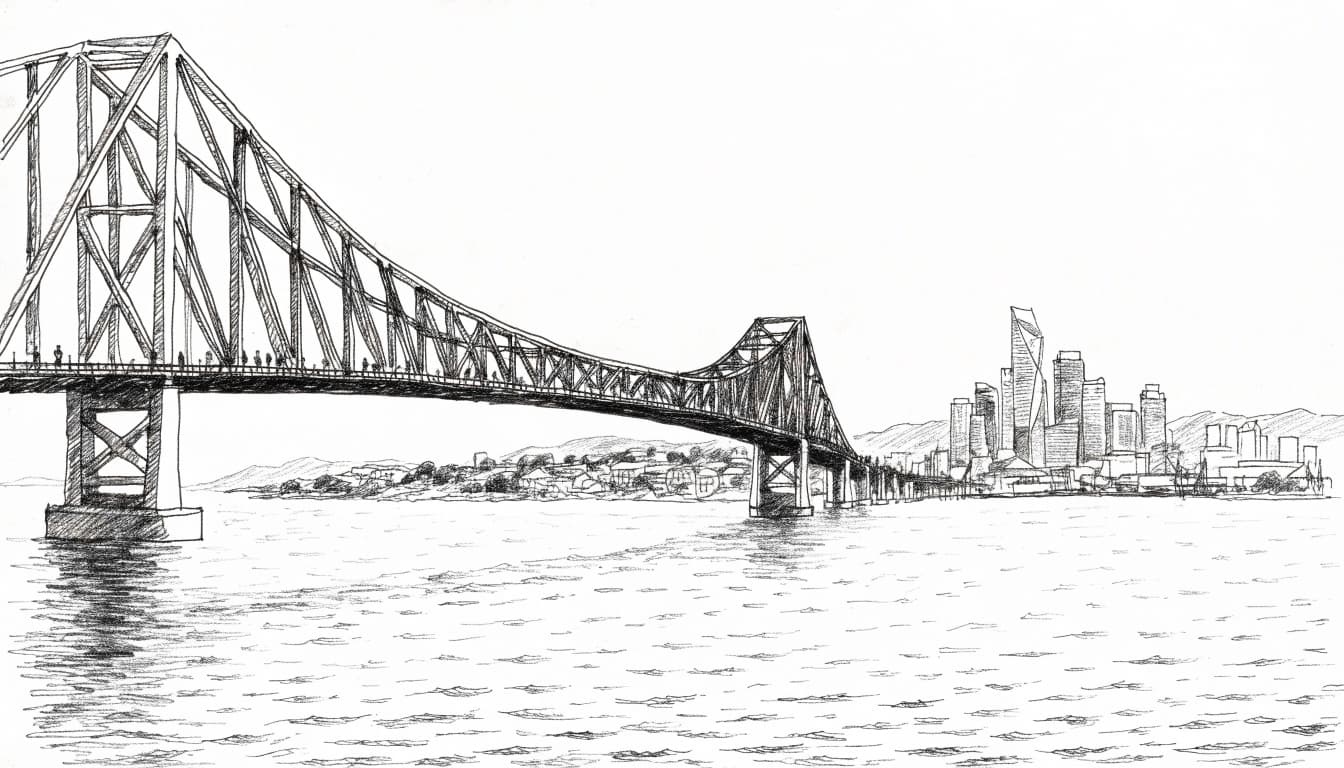
However, don’t assume the crossing uses a particular lane or setup. Event access arrangements can vary, so follow the race guide and on-course instructions on event day. Knowing what the map shows is useful; following the directions provided by race officials takes priority.
Where the marathon finishes and what to check on the map
The finish area is in central Auckland, but its exact location and facilities should be confirmed for your race year. Victoria Park on Fanshawe Street is a familiar finish from past editions, and the current event information lists it as the finish. Still, check the latest guide before arranging a pickup or choosing a meeting spot.
Read the official map before race morning and trace the route in its indicated direction. Look for the start and finish markers, direction arrows, distance markers, and aid stations. Then review the race guide for cutoff times and any changes to access or facilities. A meeting point just outside the finish area can be easier to find than the busiest section near the finish line.
What the Auckland Course Feels Like Underfoot
The Auckland Marathon route asks for more than a steady pace on level ground. The Harbour Bridge is the headline climb, but changing terrain, exposed stretches, and late-race fatigue can all shape how the miles feel. Check the current full-marathon course map and profile for confirmed elevation and direction details before race day.
Prepare for the bridge climb and descent
Approach the bridge at a controlled effort, not the pace you hope to hold on a flat stretch. Shorten your stride slightly as the road rises, keep your breathing steady, and let other runners pass if they surge. Trying to gain places early can cost more than it saves.
On the descent, stay relaxed and let the slope carry you without reaching far out in front. A quick, light stride can reduce braking and keep your legs from taking unnecessary strain. The bridge is a notable challenge, but it is only one part of a marathon. Use the official profile to confirm the climb’s direction and elevation details for your race year.
Expect changing views, road surfaces, and race-day exposure
The route moves through urban streets and waterfront areas, with some sections more open to the elements than others. That variety can change your sense of pace and exposure, even when the effort stays steady. Road surfaces may also feel different across the course, so avoid assuming every stretch will have the same footing.
Check the forecast close to race day and plan for both sun and wind. On exposed sections, wind can make a familiar pace feel harder; direct sun can add strain as the hours pass. Dress for the conditions, and use training runs to practice carrying or applying whatever sun protection you plan to use.
Choose Your Distance, Duration and Goal Time
Make three quick selections and open the exact plan built for your race target.
Looking for a Fully Personalized Training Plan?
The training plans above are an excellent choice if they match your goal. However, if you’d rather train with a plan built specifically around your current fitness, goal race, preferred training days, weekly mileage, and target finish time, our RDA Custom Training Plans provide a personalized solution. We also have running courses available for runners seeking to run faster from the mile to the marathon.
Why Choose a Custom Training Plan?
| Standard Training Plan | RDA Custom Training Plan |
|---|---|
| Follows a fixed schedule | Built around your schedule |
| Standard weekly mileage | Peak mileage customized for you |
| Fixed workout days | Train on the days you choose |
| Same structure for everyone | Designed around your current fitness |
| Static plan | Updated as your fitness improves |
| One-time purchase | Ongoing personalized coaching and support |
What You’ll Receive
- A training plan built specifically for your goal
- Personalized training paces
- Long runs, tempo runs, threshold workouts, interval sessions, recovery runs, and easy runs
- Peak weekly mileage matched to your experience level
- Flexible training schedule that fits your life
- Ongoing plan adjustments as your fitness improves
Ready to Train Smarter?
Stop guessing and start following a plan built specifically for you, your schedule, and your racing goals.
Why a flat-looking map can still feel demanding
A map can smooth out the effort of turns, crowded patches, and long stretches with few visual changes. Frequent changes in direction may interrupt rhythm, while weaving around other runners can add effort without improving your pace. Stay patient through turns, leave room around others, and settle back into your planned rhythm afterward.
Fatigue changes the feel of the road, too. A gentle rise that seemed minor early on can feel sharper late in the race, and a flat section can test focus when your legs are tired. First-time marathoners should keep the early effort conservative and follow a practiced fueling plan. Experienced runners can use the same restraint, then judge their pace by effort rather than chasing every runner who moves ahead. The whole course deserves respect, not just the bridge.
How the Marathon Route Differs From the Half Marathon and Other Races
Auckland’s race weekend includes several distances, but they don’t all share the same start, route, or finish setup. The marathon, half marathon, 11K Traverse, and 5K Challenge each have event-specific details, so choose your plans and map based on the race listed in your registration.
Check your exact race distance before planning
The event’s course overview lists the available distances, while the race guide and event schedule provide details such as start times, start areas, and course maps. These arrangements can change between editions, so don’t rely on last year’s instructions or a map saved by another runner.
Before race week, compare the distance and event name in your registration confirmation with the corresponding official race information. Then check that the start time and location match your entry. This quick check can prevent a costly mix-up on race morning, especially when several events start at different times or in different places.
Choose a distance that fits your goal and training
The marathon covers 42.2 kilometers, while the half marathon covers 21.1 kilometers. The 11K and 5K offer shorter race-day efforts. Each can be a meaningful goal, depending on your experience and preparation.
Choose the marathon if your training includes consistent long runs and you’re ready for several hours on your feet. The half marathon still calls for focused preparation, but it may suit runners building endurance or seeking a challenging day with less total distance. Meanwhile, the 11K or 5K can be a better fit if you’re newer to racing, returning after a break, or aiming to enjoy the event without marathon-level training.
Your best choice is the distance you can prepare for safely and enjoy on race day. A shorter event isn’t a lesser achievement; it simply asks for a different level of endurance and time commitment.
Use the right course map for your event
Don’t assume a shorter race follows the final miles of the Auckland Marathon route. Organizers can give each distance its own start area, roads, turnaround points, aid stations, and finish arrangements. The official half marathon page provides separate course information, and the event schedule helps distinguish race-day timing across events.
Open the map for your registered distance, trace its start and finish, and note where aid stations appear. Save a copy on your phone or print one for race week. Check the latest version again before traveling, since organizers may update routes or logistics for a new edition.
Plan Race Day Around the Route, From Transport to Road Closures
A race-day plan should cover more than getting to the starting line. The Auckland Marathon route can affect how you reach the start, where supporters can cross or park, and how you leave the finish. Check the latest organizer notices and Auckland Transport updates before you travel, since transport arrangements and access rules can change between editions.
Reach your start area without a last-minute rush
Confirm your race’s start location and arrival instructions before booking transport. Depending on the edition and your starting point, reaching the start may involve a ferry, shuttle, bus, train, or another option. Don’t assume a service will operate or follow last year’s schedule; check the organizer’s current transport service information and Auckland Transport’s event updates.
Build in extra time for connections, queues, and walking between drop-off points and the start area. If you plan to drive, check where parking is allowed and whether road closures restrict access. Also review the event’s bag-drop rules before packing. The race-day information page covers gear bag drop and other event-day details, including what runners may bring.
Know the road closures and finish-area rules
Road closures can affect runners, supporters, residents, and anyone trying to reach the finish. Before race morning, review the organizer’s road closure map for affected areas, access restrictions, and any published detours. Then check Auckland Transport for current bus, train, and ferry information, as services and routes may change around the event.
Closure and reopening plans can change, so revisit the notices close to race day rather than relying on a saved map or an old schedule. Supporters should also read the event’s spectator guidance and agree on legal, accessible viewing spots. Avoid planning a quick road crossing near the course; closures may prevent it, and runners need clear space.
Set a meeting point and plan your trip home
Choose a meeting place away from the finish chute and the busiest exit paths. A distinctive public landmark or a spot outside the immediate finish area is easier to find than a general instruction to meet “near the finish.” Share the exact location with your group before the race, and agree on a backup if mobile service is unreliable or the area is crowded.
Finally, check how to leave the finish area and what transport options will be available for your race edition. Tired legs and a long day can make an unfamiliar walk or transfer feel harder, so save the route home in advance. A clear pickup plan can also help supporters avoid restricted roads and keep the finish area moving.
Train for the Auckland Marathon Route, Not Just the Distance
A marathon plan should prepare you for the ground you’ll cover, not only the number of miles on your schedule. For Auckland, that means practicing hills, settling into a patient pace, and testing your race-day fueling well before the start.
Practice controlled effort on hills
Add gradual climbs and descents to your training, increasing the challenge over time. You don’t need steep repeats every week. Rolling routes can help your legs adapt to changing terrain while keeping most runs comfortable.
On an uphill, shorten your stride and keep your breathing under control rather than forcing your goal pace. Then run the descent smoothly, without overstriding or braking hard. The Auckland Marathon route’s Harbour Bridge crossing is a key feature, but training should prepare you for varied effort across the full course.
Choose familiar routes with safe footing, especially when you’re tired. After a demanding hill session, give yourself enough recovery before another hard workout. Your training history matters, so build gradually instead of copying a schedule designed for another runner.
Rehearse pacing and fueling on long runs
Long runs give you a low-pressure setting to practice how the race should begin. Start at a controlled effort and resist the urge to speed up just because your legs feel fresh. A steady opening can help you conserve energy for the later miles, when small rises and turns may feel more demanding.
Use these runs to test your planned fuel and hydration. Practice the products you expect to carry or take at aid stations, and note what timing feels comfortable. The American College of Sports Medicine’s position stands include guidance on exercise and nutrition; individual needs can vary, so follow advice suited to your health and training.
Most importantly, avoid trying a new gel, drink, or fueling schedule on race day. A plan that works during training is more useful than a last-minute adjustment.
Use the official course profile for a race-week plan
In race week, review the official Auckland Marathon course map and profile for the current edition. Turn the route into a few simple reminders: where to stay patient, where you expect to take fuel, and where you’ll avoid chasing a late surge.
Keep the notes short enough to remember under pressure. For example, you might plan to hold back on the early climb, take fuel at a practiced interval, and assess effort before picking up the pace late. Don’t treat every mapped rise as a demand to speed up or slow down sharply. Use the profile to guide effort, then respond to how your body feels.
Finally, match your preparation to your experience, health needs, and available recovery time. A route-specific plan should make race day feel familiar, not leave you carrying fatigue to the start.
Frequently Asked Questions
Auckland Marathon details can shift between editions, so use the current event information for decisions about the route, access, and race-day logistics. These answers cover the course’s familiar features and the details worth confirming before you travel.
Where does the Auckland Marathon start and finish?
The full marathon has been known for a Devonport start, a crossing of the Auckland Harbour Bridge, and a finish in central Auckland. However, organizers can change exact locations and arrangements for a new edition. Check the current full-marathon course details before booking transport or setting a pickup point.
Does the Auckland Marathon cross the Harbour Bridge?
In known editions, the Harbour Bridge crossing is a signature feature of the full marathon route. The course map for your race year is the best way to confirm whether the crossing remains on the route and how it fits into the course. Don’t rely on an older map when planning your pacing or race-day logistics.
Is the Auckland Marathon course hilly?
The bridge climb and descent are the course’s most noticeable elevation changes, but they aren’t the only factors that affect effort. Smaller rises and falls, plus fatigue later in the race, can make the route feel more demanding than a simple map suggests. Review the official elevation profile for precise information about your edition.
Where can I find the latest Auckland Marathon route map?
Use the event organizer’s official website, race guide, or participant updates to find the current map. Older editions may show different roads, start or finish arrangements, and course details. Before race week, confirm that the map matches your event and distance, then check for updates close to race day.
Are spectators allowed on the Harbour Bridge?
Bridge access for spectators may be restricted, so don’t assume you can watch from any part of the crossing. Follow the event’s current spectator and race-day instructions and check road-closure notices before choosing a viewing spot. Plan to use only the access points organizers identify.
Can I use the marathon route to plan a training run?
The published map can help you understand the route and recognize key sections, but it doesn’t guarantee that every road or bridge section is open for training. Access rules can differ outside race day. Follow local restrictions and choose a safe training route rather than running on a closed or unsuitable section.
Conclusion
Knowing the Auckland Marathon route can make race day feel more manageable, from your first steps in Devonport to the finish. Check the current course map, prepare for the Harbour Bridge climb, and plan your transport and pacing before race morning.
With consistent training and a clear plan, you can meet the course with confidence and enjoy the harbor and city views along the way.


