

Atreyu Race Model 3 Review: Affordable Race Day Speed That Delivers
The Atreyu Race Model 3 is built for runners who want race-day speed without paying top-tier racer prices. If you run road races, drill tempo sessions, or want a light shoe that feels quick on the turn over, this model deserves a close look.
It promises a sharp ride, but the real questions are more practical: how much does it weigh, how does it fit, and does it hold up after a few hard efforts? It also needs to feel fast enough when the gun goes off, not just on paper, so this review breaks down the details that matter before you decide if it’s the right fit for your next race.
What the Atreyu Race Model 3 promises for runners on a budget
The Atreyu Race Model 3 is aimed at runners who want race-day speed without paying premium-shoe money. That pitch matters more now, because many race shoes have climbed well past the price most runners want to spend on a single pair.
For a lot of runners, the question is simple: do you need the most advanced shoe on the shelf, or do you need a fast shoe that still leaves room in the budget for race entries, training miles, and a backup pair? The Atreyu Race Model 3 tries to answer that second question with a clear yes.
Build Your Complete Race-Day Setup
The right shoe helps, but faster racing comes from better training, pacing, recovery, fueling, and execution.
More Guides for This Shoe
Why affordable race shoes matter right now
Race shoe prices have pushed many runners to rethink what “fast” should cost. Carbon-plated racers and high-stack supershoes often sit at the top end of the market, and that makes them a hard buy if you race a few times a year.
That matters for everyday runners, not just elites. A 5K runner may want a sharp, light shoe for one hard effort, while a marathon runner may want a shoe they can trust without spending a full training block’s shoe budget on it. When prices rise, the gap between “nice to have” and “worth it” gets wider.
A lower-cost race shoe still makes sense because the goal is performance, not fashion. If the shoe feels quick, saves energy, and holds up for workouts and race day, it can be the smarter buy. As RunRepeat’s carbon plate shoe guide shows, many modern race shoes now sit in a price range that forces runners to compare value as closely as speed.
A budget race shoe only has to do a few things well: feel light, respond fast, and stay comfortable when the pace picks up.
That is why shoes like the Atreyu Race Model 3 matter. They give runners a chance to chase a faster ride without treating race day like a luxury purchase.
Where the Atreyu Race Model 3 fits in the current market
The Atreyu Race Model 3 sits in a useful middle lane. It is not trying to out-muscle the most expensive super shoes, and it is not a plain lightweight trainer either. Instead, it promises race-ready speed at a price that feels more realistic for budget-conscious runners.
That puts it in direct conversation with premium racers and older-style lightweight flats. Premium shoes may bring more foam, more stack, and more aggressive plate setups, but they also ask for a bigger investment.
Traditional lightweight racers are usually cheaper, yet they can feel less forgiving over longer efforts. The Atreyu Race Model 3 aims to give you the quick turn over and lean race-day feel runners want, without pushing into the highest price tier.
This is the kind of shoe that attracts runners who care about value first:
- 5K and 10K runners who want a fast, simple racing option
- Half marathon runners who want speed without a huge price tag
- Marathon runners who want a lighter second race shoe for rotation
- Runners who skip expensive super shoes unless the payoff is obvious
The key expectation is balance. You should expect a shoe built around affordable performance, not one that tries to win every category on a spec sheet. If it delivers a lively ride, decent comfort, and enough race-day snap, it fits its lane well. If you want the most aggressive carbon racer money can buy, this is not that shoe.
The real appeal is practical. It offers a way to race fast, spend less, and keep your shoe budget under control while still lining up with confidence.
First impressions of the Atreyu Race Model 3 design and build
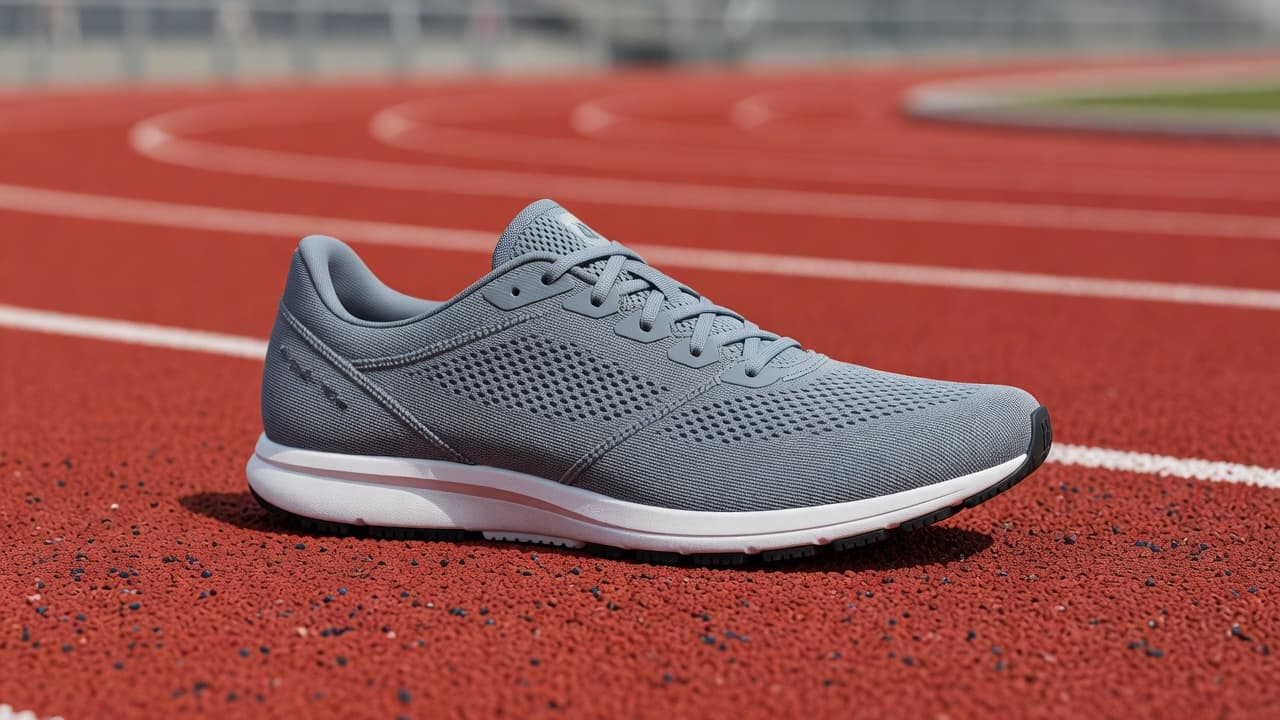
The first thing you notice about the Atreyu Race Model 3 is how little extra it carries. It looks built for speed because it skips the usual bulky cues, keeping the shape lean and direct. In hand, that same stripped-back feel comes through fast, which is exactly what you want from a race shoe.
Lightweight feel and simple race-ready design
The Race Model 3 gives off a clean, purpose-built look. There is no wasted bulk, no heavy visual padding, and no extra design clutter pulling attention away from performance. That matters because race shoes should look ready before they ever hit the road.
Picked up in hand, the shoe feels easy to manage and quick to move around. The profile is slim, the upper looks breathable, and the overall shape keeps the focus on speed rather than plush comfort. If you like a shoe that feels almost like a tool, this one fits that idea well.
A few details help sell that race-day intent:
- A low-profile shape that keeps the shoe looking fast
- A thin, minimal upper that points toward reduced weight
- A simple build that avoids unnecessary layers
- A clean finish that makes the shoe look efficient, not fussy
That approach also lines up with what Atreyu has done in other models, where the brand tends to favor no-frills construction over flash. Road Trail Run’s look at Atreyu’s early running shoes describes that same stripped-down mindset, and the Race Model 3 keeps it going.
What the upper, midsole, and outsole setup tells you
The upper looks built to keep weight down first, support second, and that order makes sense for a racer. It should hold the foot without feeling bulky, so the shoe stays light when you pick up the pace. That kind of setup usually works best when the goal is a close, race-focused fit rather than all-day softness.
The midsole shape matters just as much. A slim, race-oriented platform usually hints at a firmer, quicker ride, and that can help the shoe feel more direct underfoot. When the foam stays controlled and the shape stays simple, the shoe wastes less energy in the build-up.
Outsole coverage tells the same story. Less rubber often means less weight, and that tradeoff is common in lightweight racers. As Believ in the Run noted in its Atreyu coverage, thin outsole setups are part of the brand’s race-first approach, and the Race Model 3 seems to follow that same path.
Put together, the upper, midsole, and outsole point to one clear goal: keep the shoe light, keep the ride snappy, and stay focused on race-day pace.
How the Atreyu Race Model 3 feels on the run
The Atreyu Race Model 3 feels built for runners who want a fast ride without a lot of extra noise. Underfoot, it stays focused and direct, so the shoe keeps pace with your stride instead of trying to turn every step into a cushy event. That makes it a strong fit for race day, where efficiency matters more than plush comfort.
Cushioning that stays fast instead of soft
The cushioning feels controlled and fairly firm, which is a plus if you want the shoe to stay quick. It takes the edge off road impact, but it doesn’t sink much, so you still get that close-to-the-ground feel that race shoes need.
That balance matters. A softer shoe may feel nicer in the first mile, yet it can dull your snap when the pace rises. The Race Model 3 keeps more of its energy in the step, so your legs do less floating and more moving.
For runners who want comfort without giving up speed, that tradeoff works well. The shoe protects enough for hard efforts, but it never drifts into marshmallow territory. If you like a firmer, more efficient ride, this is the kind of cushioning that makes sense on race day. For a broader look at how foam softness changes ride feel, Runner’s World explains cushioning and bounce well.
The ride feels protective, but it keeps its edge. That is what makes it race-ready instead of just comfortable.
Energy return and turnover during faster efforts
When the pace picks up, the Atreyu Race Model 3 starts to show its best side. It feels light on the foot and quick to leave the ground, which helps turnover stay sharp during tempo runs and harder racing efforts.
The shoe rewards a more forward-running style, especially if you land on the forefoot or midfoot. That setup feels natural here because the shoe wants to roll through the stride without delay. The transition is smooth, but not mushy, so you can press the pace without feeling like the shoe is working against you.
That kind of response is useful in workouts, too. During intervals or threshold runs, the shoe gives enough pop to feel efficient without turning the ride into a bounce-heavy experience. In other words, it feels fast in a clean, simple way, not in a flashy one.
If you’re comparing it with a more aggressive super shoe, the difference is clear. The Race Model 3 does not feel as forceful, but it can still keep up when you run with intent. That makes it a practical choice for runners who want speed first and complexity second.
Stability and control when the miles add up
The Atreyu Race Model 3 feels more stable than many ultra-soft race shoes, and that matters once the course starts asking for sharp turns or tired legs. The platform stays fairly secure, so the shoe doesn’t feel wobbly when you corner or shift your line on crowded roads.
As the miles build, that control helps the shoe stay trustworthy. You are less likely to feel like you are fighting the stack, which is a common issue in taller, more aggressive racers. Instead, the ride stays centered enough for steady racing, even when your form gets a little messy late in a long effort.
That stability also makes the shoe friendlier for runners who want speed without a risky ride. If you have skipped super shoes because they feel too unstable, this one may feel easier to trust. It still feels quick, but it doesn’t ask you to balance on a narrow edge with every step.
For runners who want a similar fast but controlled ride in a more cushioned daily option, the ASICS Novablast 7 review gives a useful comparison point. The Race Model 3 is less playful, yet that is part of its appeal.
The end result is a race shoe that feels snappy, fairly firm, and controlled enough to use with confidence. If you want a shoe that stays composed when the pace gets serious, the Atreyu Race Model 3 does that job well.
Fit, sizing, and comfort for real-world runners
The Atreyu Race Model 3 fits like a race shoe should, close, direct, and built to stay out of the way. That said, race-day fit is personal. What feels secure to one runner can feel tight to another, especially once the miles stack up and your feet start to swell.
Toe box room and lockdown through the midfoot
The toe box gives a race-appropriate amount of room, but it does not feel roomy in a casual trainer way. That works for short races and fast efforts, since you want a snug front end that keeps the foot stable.
It also leaves enough space for normal race-day swelling, which matters more than many runners expect once the pace rises and the miles build.
Feet can swell on runs, and that extra pressure adds up fast if the front of the shoe is too cramped. The Marathon by Hagdon has noted that swelling can be significant, so a little toe room is a good thing, not wasted space.
The midfoot lockdown is the stronger part of the fit. Once the laces are set, the shoe holds the foot securely and keeps side-to-side movement under control. That locked-in feel helps most when you’re pushing pace, because you don’t waste energy adjusting inside the shoe.
A secure midfoot also builds trust. When the foot stays centered, you can focus on turnover instead of thinking about slipping, sliding, or toe squeeze.
Sizing advice for narrow, normal, and wider feet
For most runners, standard sizing should be the first stop. If you usually wear your regular running-shoe size, and most of your shoes fit well there, the Atreyu Race Model 3 will likely feel close to true to size. That makes it easier to compare with other race shoes you already own.
Runners with narrow feet will probably like the fit best. The shoe’s hold-through-the-middle feel helps prevent movement, and the front end should feel secure without too much extra space.
Runners with normal-width feet should also do well in standard sizing, especially if they prefer a race fit over a relaxed fit. If you like your shoes to feel precise, this one should land in the right zone.
Runners with wider feet need to be more careful. The shoe may feel a little tight in the forefoot or through the midfoot if you usually need extra room. In that case, trying the shoe on later in the day, when your feet are slightly larger, can give you a better idea of race-day comfort.
A simple fitting check helps here. If you want a deeper walkthrough on measuring length and width, this running shoe size guide is a useful place to start before you commit.
In practice, the Atreyu Race Model 3 is best for runners who want a close, efficient fit with enough toe room to handle hard efforts. If you like a locked-in race shoe and your feet are not especially wide, it should feel confident at faster paces.
How the Atreyu Race Model 3 performs across different race distances
The Atreyu Race Model 3 makes the most sense when speed matters more than plush comfort. Its light feel, quick turnover, and direct ride give it a clear edge in shorter races, but the same traits also shape how it behaves when the distance stretches out.
That means the best choice depends on how you race, how efficient your stride is, and how much protection you want underfoot.
Best use for 5K and 10K racing
For 5K and 10K races, the Atreyu Race Model 3 fits the job well. These distances reward a shoe that feels fast the moment you push off, and this model delivers that kind of direct response. It doesn’t ask you to sink into the foam or wait for a big rebound, so the ride feels sharp and immediate.
That matters in shorter races because every stride counts. A light shoe with quick handling helps you accelerate out of turns, hold pace on packed roads, and keep your cadence high when the race gets uncomfortable. In a 5K, especially, the shoe’s firm and controlled feel can help you stay aggressive without feeling weighed down.
The Race Model 3 also works well for runners who like a simple, connected ride. If you prefer to feel close to the ground and in control, this shoe gives you that sense of speed without extra layers getting in the way. For runners who treat 5Ks and 10Ks as all-out efforts, that direct feel is a real advantage.
A few traits make it a strong match at these distances:
- Fast transitions that keep your stride moving
- Light overall feel that helps during surges
- Stable handling for corners, pack running, and quick pace changes
- Firm enough cushioning to stay responsive under race pressure
Road Trail Run’s review of the Race Model points to that same simple, no-nonsense race feel, and that matches what shorter-distance runners usually want.
If your goal is a sharp, low-fuss shoe for hard 5K and 10K efforts, the Atreyu Race Model 3 fits that lane well.
Can it handle half marathon and marathon efforts?
The Atreyu Race Model 3 can work for half marathons, but it depends on what you want from the shoe. If you like a firmer, more efficient race platform and you don’t need a lot of softness, it can handle the distance. The ride stays controlled, and that can help runners who value stability over a super-cushioned feel.
For stronger, efficient runners, that is enough. A half marathon still rewards quick turnover and steady pacing, and this shoe can support both. It may be a good fit if you race on the road, keep your form together late, and prefer a lighter shoe that doesn’t feel bulky after the first few miles.
Marathon use is more selective. The shoe can make sense for runners who are efficient, light on their feet, and comfortable in firmer racers. However, if you want more protection for the late miles, you may prefer a shoe with more stack height, more cushioning, or a more advanced plated setup. Over 26.2 miles, small comfort gaps tend to show up.
That leaves the Race Model 3 in a middle ground for longer races:
- It can work for half marathon racing if you like a firmer, faster feel
- It can work for marathon racing if you prioritize lightness and control
- It may feel too lean for runners who want more underfoot protection
- It is less likely to satisfy runners who rely on max-cushion support late in the race
For runners comparing longer-race options, this race pacing guide can help you think through how your shoe choice fits your effort plan. If you know you fade when the miles add up, a more forgiving race shoe may be the safer pick. If you run smoothly and like a firmer ride, the Atreyu Race Model 3 can still hold its own.
The bottom line is simple: this shoe shines brightest when you want speed and control, not deep cushioning. That makes it a better fit for shorter road races, while longer events depend more on your stride, your comfort needs, and how much protection you want when fatigue sets in.
How it compares with other affordable race-day shoes
The Atreyu Race Model 3 sits in a useful spot for runners who want speed without paying premium racer prices. Compared with other budget-friendly race-day shoes, it feels more stripped down and direct, which can be a real advantage if you want a simple shoe that gets out of the way.
Compared with carbon-plated super shoes, it gives up some bounce and cushion, but it also costs less and feels easier to live with.
What you give up versus premium super shoes
Premium race shoes usually bring more foam, more rebound, and a more aggressive plated ride. That extra pop can feel great when you are fresh, especially in longer races where every bit of help matters. The tradeoff is clear, though, because those shoes also tend to feel taller, softer, and more expensive.
The Atreyu Race Model 3 is more restrained. You get a quicker, lower-key ride, but not the same trampoline effect you feel in top-tier super shoes. It also does not offer the same deep cushioning under tired legs, so the late miles can feel a little more honest.
That difference shows up in a few ways:
- Less bounce, so the shoe feels more direct than springy
- Less cushioning, which keeps the ride light but not plush
- Less aggressive propulsion, so you do more of the work yourself
- A simpler ride, which can feel better if you dislike unstable, oversized racers
Cheaper does not mean worse here. It means the shoe asks for a different kind of runner.
For runners who want the most race assistance possible, a premium option still has the edge. But if you prefer control over max rebound, the Atreyu Race Model 3 stays in the conversation. For a deeper look at the shoe’s race-day personality, see the Atreyu Race Model 3 review.
Why some runners may prefer it over higher-priced options
Some runners simply do better in a shoe that feels clean and familiar. The Atreyu Race Model 3 gives you a more direct road feel, so you stay connected to the surface instead of riding on a tall stack of foam.
That can make pacing feel easier to manage, especially if you like to stay sharp and controlled.
Lower cost is part of the appeal, but it is not the only reason to choose it. If you race a few times a year, a less expensive shoe makes more sense than a high-dollar model that spends most of its life in the closet. It also helps if you want a race shoe you can use for fast workouts without worrying about burning through a premium investment.
This shoe may be a better fit if you are:
- A 5K or 10K runner who wants a light, simple racing shoe
- A runner who likes a firmer, closer-to-the-ground ride
- Someone who finds max-stack racers too soft or unstable
- A budget-minded runner who still wants race-day speed
- A runner who wants one shoe for races and hard tempo sessions
That kind of simplicity is hard to fake. The Race Model 3 does less, but what it does, it does with purpose. In a market full of pricey super shoes, that makes it a practical pick for runners who want speed without the extra fluff.
Who should buy the Atreyu Race Model 3, and who should skip it
The Atreyu Race Model 3 makes a lot of sense for runners who want a fast shoe without paying for extra foam or flashy race tech. It is a lean, direct racer that rewards efficiency, so the best fit is pretty clear once you know what you want on race day.
Best fit for speed workouts and race day
The runners who get the most from the Atreyu Race Model 3 are usually the ones who like a light, simple, firm ride. If you race 5Ks, 10Ks, or faster half marathons, this shoe gives you enough snap to stay on pace without feeling bulky. It also works well for tempo runs, interval sessions, and tune-up workouts where you want race-day feel without using your most expensive pair.
Budget-focused racers will like it too. If you race a few times a year and want one shoe that can cover workouts and short races, this model makes sense. It also fits runners who prefer a more stripped-down setup, since the shoe stays close to the ground and avoids the tall, soft feel many modern racers have.
A runner profile that matches well looks like this:
- You want a lightweight racing shoe that feels quick right away
- You prefer a firmer ride over a soft, bouncy one
- You race shorter road events more often than marathons
- You like simple shoes that do not add much bulk
- You want a racer that can double as a fast workout shoe
For runners chasing a sharper turnover, that simplicity is a strength. It keeps the shoe focused on pace, not plushness. If that sounds like your style, the Atreyu Race Model 3 review may already be enough to put it on your shortlist.
Signs you may want a different racer
Some runners will be happier with a different shoe, and that usually comes down to comfort needs. If you want more cushioning for marathon day, the Atreyu Race Model 3 may feel too lean after the early miles. It is built to stay fast, but long races often reward shoes with more protection under tired legs.
It may also miss the mark if you want a very soft, forgiving ride. Runners who love a plush landing or a springier super-shoe feel will probably want more foam and a more aggressive plated platform. That extra help can matter when you need a shoe to do more of the work for you.
Skip it if you need:
- More cushioning for long runs and marathons
- More stability in a taller, softer race shoe
- A forgiving feel for recovery days or slower pacing
- More aggressive racing tech and bigger energy return
- A wider, roomier fit for feet that need extra space
If you want a race shoe that feels closer to a traditional flat, this one is a strong candidate. If you want maximum bounce or marathon comfort, look elsewhere. For runners comparing more aggressive options, the Nike Vaporfly 4 performance review gives a good contrast in feel and purpose.
The Atreyu Race Model 3 is best when you want speed with restraint. If you want a shoe that disappears underfoot and lets you work, it fits. If you want a shoe that cushions more and does more for you, it probably does not.
Conclusion
The Atreyu Race Model 3 succeeds by focusing on a simple, efficient ride instead of competing with overpriced super shoes. It provides a crisp, responsive feel that helps you stay fast without cluttering your stride, making it a reliable pick for runners who want to cut costs without sacrificing race-day speed.
While this model might lack the extreme bounce of high-stack racers, it offers a level of control and lightness that many athletes prefer for shorter road distances. It serves as an excellent option for anyone who wants a straightforward, snappy, and affordable racer that handles tough workouts and competitive efforts with equal ease.
If you enjoy a more grounded ride and want to keep your gear rotation focused on performance, the Atreyu Race Model 3 is a great addition to your collection. You can also compare this racer against other options from the brand by checking out our Atreyu daily running shoe review to see how they build shoes for different parts of your training.


