

ASICS Superblast 2 vs HOKA Skyward X: Which Shoe Wins?
Choosing between the ASICS Superblast 2 vs HOKA Skyward X matters because both are high-end super trainers, but they don’t feel the same on the run. If you want one shoe for long runs, marathon-pace work, and everyday training, the differences in fit, ride, and stability can make one a much better match for you.
The Superblast 2 and Skyward X both bring premium cushioning, but they aim at slightly different runners and uses. For a deeper look at each shoe on its own, check out the ASICS Superblast 2 review and the HOKA Skyward X review.
In the sections ahead, the comparison gets into comfort, ride, weight, stability, durability, and value, so you can see which shoe fits your goals best.
What makes the ASICS Superblast 2 and HOKA Skyward X so different?
Both shoes sit in the max-cushion, high-stack training category, but they solve the problem in different ways. The ASICS Superblast 2 feels like the more versatile option, while the HOKA Skyward X leans harder into softness and long-run comfort. That split is why runners compare them so often, even though they do not feel the same once the pace picks up.
How each shoe fits into the super trainer category
A super trainer is a shoe that gives you more cushioning, more pop, and more protection than a normal daily trainer. It is built for runners who want one shoe that can handle easy miles, steady workouts, and long runs without feeling dull.
The Superblast 2 sits near the lively end of that group. It has a reputation for being quick on its feet, which makes it appealing if you want a shoe that can handle a warm-up jog one day and a tempo run the next. It feels like a training partner that stays useful across a lot of run types.
The Skyward X takes a different route. It is more about plush cushioning and smooth comfort over longer efforts. If you want a shoe that feels soft underfoot and helps you keep cruising when the miles stack up, this one makes more sense.
| Shoe | How it fits the category | Main feel |
|---|---|---|
| ASICS Superblast 2 | Fast, versatile super trainer | Light, responsive, and adaptable |
| HOKA Skyward X | Max-cushion super trainer | Soft, protective, and built for long runs |
That difference matters because the best super trainer is not just the one with the most foam. It is the one that matches how you actually run. For a closer look at how the Superblast 2 handles daily mileage, the ASICS Superblast 2 performance review gives more context.
The big split is simple: the Superblast 2 wants to do more jobs, while the Skyward X wants to make long runs feel easier.
The first thing runners notice when they try them on
The first few minutes tell you a lot. Some runners know right away whether a shoe feels lively, plush, stable, or bulky, and that first impression usually sticks.
The Superblast 2 usually feels more streamlined on foot. The upper feels secure, the platform feels ready to move, and the shoe gives off a “let’s run” vibe right away. It does not disappear on your foot, but it feels focused and efficient.
The Skyward X makes a different first impression. It feels softer underfoot, with a more obvious cushion-first personality. That can be a huge plus if you love a gentle landing, but it can also make the shoe feel bigger and more substantial right away.
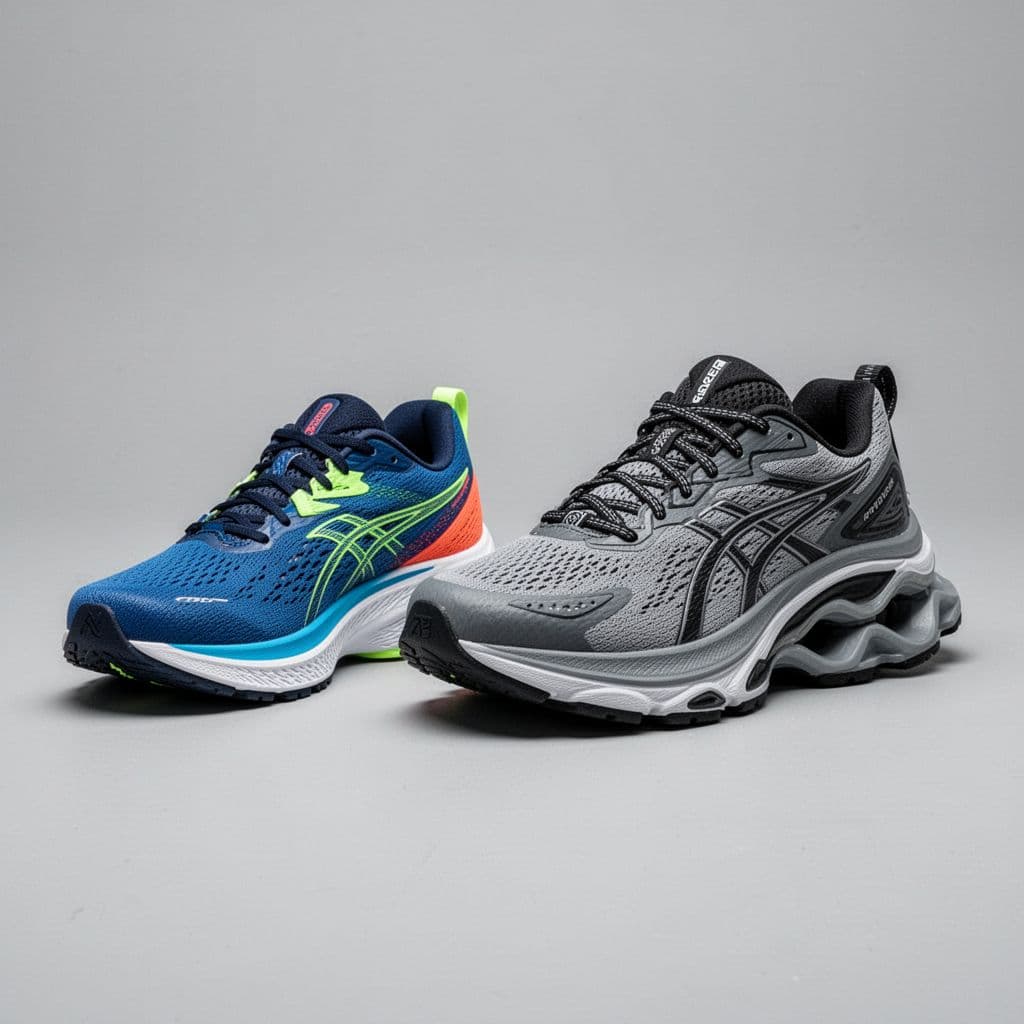
The upper also helps shape that feeling. The Superblast 2 comes across as snugger and more race-ready, while the Skyward X feels built for comfort first. If you care about first-step comfort, that matters because the fit can tell you almost everything about the ride before you even leave the block.
Comfort and cushioning: plush versus responsive
Comfort is where the ASICS Superblast 2 vs HOKA Skyward X comparison starts to split clearly. Both shoes protect your legs well, but they do it with a different feel underfoot. One feels lighter and more energetic, while the other feels softer and more cushioned for soaking up miles.
The Superblast 2 gives you a more balanced ride, so it feels useful across a wider range of paces. The Skyward X puts comfort first, which is great when your legs want a break from hard pavement. That difference matters more the longer you run.
How the Superblast 2 feels on easy runs and long runs
The Superblast 2 feels light, springy, and efficient when you settle into an easy pace. It has enough cushioning to handle long runs, but it doesn’t sink under you or feel overly soft. That makes the ride feel smoother, quicker, and easier to keep controlled.
On long runs, that balance pays off. Your legs still get protection, yet the shoe keeps a bit of bounce in the step, so you don’t feel stuck in the foam. If you like a shoe that stays lively when the miles pile up, this one makes a lot of sense.
Runners who want a true do-it-all trainer often like this feel because it works in more than one setting. You can use it for relaxed miles, steady efforts, and longer sessions without feeling like you picked the wrong tool. For a closer look at that all-around setup, the Superblast 2 comparison with Mach X 3 shows how well it fits the versatile trainer crowd.
How the Skyward X feels when the miles get long
The Skyward X leans hard into softness and protection. Underfoot, it feels more cushioned and more forgiving, which can make long runs feel easier on tired legs. If you want less pounding and more comfort, this shoe gives you that in a very direct way.
That softer ride can be a big help on recovery days and steady long runs. It smooths out the road, takes the edge off impact, and gives you a more relaxed feel when your body is asking for less stress. The tradeoff is that it feels less sharp and less eager than the Superblast 2.
For runners who value comfort above all else, that is a fair trade. You get a plush ride that feels built for hanging out at an easy pace, especially when your main goal is to finish feeling fresher than you started.
Which shoe is better if your legs get beat up easily
If your legs get sore fast, both shoes can help, but they help in different ways. The Superblast 2 gives you cushioning without losing too much energy return, so it works well if you still want some pep in your step. The Skyward X goes further in the comfort direction, which can feel better when your calves, quads, or joints are already tired.
A simple way to choose is this:
- Pick the Superblast 2 if you want cushioning that still feels light, quick, and versatile.
- Pick the Skyward X if you want the softest, most protective feel for easy and long miles.
If your main priority is freshness after the run, the Skyward X has the edge. If you want comfort plus a more responsive ride, the Superblast 2 is the better fit.
That is the core difference in this part of the ASICS Superblast 2 vs HOKA Skyward X matchup. One shoe keeps the ride lively, while the other makes the landing softer and the miles easier to absorb.
Ride and responsiveness: which one feels faster?
When runners talk about speed, they usually mean feel, not just stopwatch time. A shoe can be light on paper but still feel dead underfoot, while another can feel lively even at an easy pace.
That is where the ASICS Superblast 2 vs HOKA Skyward X comparison gets interesting. The Superblast 2 tends to feel quicker across more paces, while the Skyward X feels smoother and more relaxed when you stay controlled.
Why the Superblast 2 often feels more versatile
The Superblast 2 has a ride that adapts well as your pace changes. On easy runs, it feels cushioned and comfortable. When you move into steady miles or faster work, the shoe stays lively instead of feeling like it is fighting you.
That matters because a lot of runners want one pair that can handle more than one job. The Superblast 2 fits that need well, since it can move from recovery jogging to tempo work without feeling out of place. For many people, that is why it becomes a true one-shoe option for a lot of workouts.
At marathon pace, the shoe feels especially natural. It gives enough pop to keep your turnover moving, but it does not force an aggressive feel. If you like a trainer that can keep up when the pace shifts, this one makes that transition feel smooth.
For runners who want a broader comparison of how these models stack up, the Skyward X vs Superblast 2 review breaks down the bigger picture well.
When the Skyward X makes more sense than speed
The Skyward X can still handle steady running, but its best trait is comfort at controlled paces. It feels easiest when you settle into a rhythm and let the miles pass without forcing pace changes.
That is why some runners love it for cruising. Easy runs feel gentle, steady runs feel protected, and long runs feel less taxing on the legs. If you are not trying to attack every workout, the softer ride can be a big plus.
Tempo work is where the difference becomes clear. The Skyward X can do it, but it does not snap forward with the same eagerness as the Superblast 2. It feels more like a luxury sedan than a sprinter, smooth and comfortable, but happiest when you stay composed.
If you are choosing based on running feel alone, ask yourself what you do most often:
- Easy runs: the Skyward X feels softer and more relaxed.
- Steady runs: both work, but the Superblast 2 feels a bit more ready to roll.
- Tempo runs: the Superblast 2 feels more responsive and natural.
- Marathon pace runs: the Superblast 2 usually feels easier to pick up and hold.
The bottom line is simple. If you want a shoe that feels faster when you press the pace, the Superblast 2 has the edge. If you want a smoother ride that keeps effort low and comfort high, the Skyward X makes more sense.
Fit, upper feel, and stability on the run
Fit can change how a shoe feels more than foam ever will. In the ASICS Superblast 2 vs HOKA Skyward X comparison, the upper shape, heel hold, and forefoot space all shape the ride. That matters even more in a tall shoe, because a secure upper can make a big platform feel calm instead of clumsy.
Which shoe feels more secure for narrow, medium, or wider feet
The Superblast 2 tends to feel more dialed-in through the midfoot, with a snugger upper that holds the foot closer to the platform. Narrow and medium-width feet usually get a better first fit here, especially if you like a locked-down feel for faster runs. The toe box has enough room for long efforts, but it still feels more structured than loose.
The Skyward X feels roomier up front and softer across the top of the foot. That can work well for medium and wider feet, or for runners who want a little more space when the foot swells late in a long run. The tradeoff is that very narrow feet may notice a less precise wrap, especially if they want a race-like hold.
A simple way to think about it is this:
- Superblast 2: snugger midfoot, more secure heel, more exact fit.
- Skyward X: more forgiving forefoot, softer upper feel, less locked-in overall.
If you like a shoe that hugs the foot, the Superblast 2 usually feels safer. If you want more room to move, the Skyward X gives you that extra space.
Why stack height matters for stability
Tall shoes can feel amazing because they put a lot of soft foam under you. At the same time, more stack height can make a shoe feel higher off the ground, and that can reduce the sense of control on turns, cambered roads, or tired legs near the end of a long run.
The Superblast 2 handles that tradeoff better for many runners. It still has a tall platform, but the ride feels a bit more planted and controlled, so the shoe stays confidence-inspiring when you change pace or shift your stride. That makes it a strong pick if you want max cushion without feeling like you’re balancing on a cushion stack.
The Skyward X feels softer and taller underfoot, which is great for comfort but less reassuring if you are sensitive to side-to-side movement. It can feel very smooth in a straight line, yet some runners may notice more motion when they corner, land unevenly, or simply get tired. If stability matters most, the Superblast 2 is the safer bet for long runs and steady work.
For runners who care about fit and stability first, this part of the ASICS Superblast 2 vs HOKA Skyward X decision is hard to ignore. The Superblast 2 gives you a more secure upper and a steadier feel, while the Skyward X gives you more space and softness with a bit less control.
Weight, durability, and daily training value
When you wear a shoe often, small differences start to matter. A model that feels great on day one but gets tiring after a few runs may not be the best buy, even if it looks impressive on paper. In the ASICS Superblast 2 vs HOKA Skyward X matchup, daily value comes down to how often you can use each shoe, not just how soft or fast it feels once.
The Superblast 2 makes more sense if you want one pair that can handle a busy week. The Skyward X makes more sense if you want a premium shoe for longer, easier, or more protective days. Price should sit next to that question, because the better value is the shoe that earns more runs on your schedule.
Which shoe is easier to use more often during the week
The Superblast 2 is the easier shoe to slot into a weekly rotation. It works for easy miles, steady runs, long runs, and some faster efforts, so it can pull double duty without feeling out of place. That flexibility gives it strong daily training value, especially if you want fewer shoes sitting unused on the shelf.
The Skyward X is more specialized. It feels best on days when comfort matters most, such as long runs, recovery runs, or relaxed cruising. It can handle daily training, but its heft and softer ride make it less likely to become your default pick for everything.
If you want one shoe to cover more ground, the Superblast 2 is the better fit. If you want a shoe you save for softer, longer, or more fatigue-heavy runs, the Skyward X makes more sense. For runners comparing long-term use, the Hoka Skyward X detailed review helps show where that shoe fits best.
Durability questions runners should ask before buying
Durability starts with the outsole. Look at how much rubber the shoe has, where it covers the foot, and whether the foam is exposed in high-wear areas. A shoe can feel amazing early on, but if the outsole wears fast, the value drops fast too.
Midsole longevity matters just as much. Some foams stay lively for a long time, while others feel softer at first and lose pop sooner. You want to know whether the ride stays close to the original feel after regular training, because a shoe that changes fast can become less useful even if the upper still looks fine.
A few simple questions help here:
- Does the outsole look durable enough for your weekly mileage?
- Will the midsole still feel stable after repeated use?
- Does the ride change in a way you would notice on long runs?
- Is the shoe still useful after the first few weeks, or only exciting at first?
The Superblast 2 looks stronger for long-term training value because it is easier to use often and across more workouts. The Skyward X may hold up well too, but its value depends more on how much you enjoy that softer, more protective ride over time. If a shoe feels good only in one narrow lane, it has to work harder to justify a higher price.
The best value is not the cheapest shoe. It is the one that stays useful after the novelty wears off.
For runners who log miles year-round, that makes the Superblast 2 the safer all-around buy. The Skyward X still has a place, but it earns its keep most clearly when your legs need more cushion than versatility.
Who should buy the ASICS Superblast 2 and who should buy the HOKA Skyward X?
This is the easiest way to separate the two shoes: the Superblast 2 is for runners who want one pair that can do a lot, while the Skyward X is for runners who want the softest, most relaxed ride they can get. If you care more about versatility, the ASICS wins. If comfort is the priority, the HOKA is the better match.
A simple rule helps here. Choose the shoe that fits your most common run, not your best-case run. That approach keeps you from buying a pair that sounds great but sits unused.
Choose the Superblast 2 if you want one shoe that does almost everything
The Superblast 2 is the better pick if you want one shoe for daily training, long runs, and tempo work. It feels smoother when the pace changes, and it keeps a more energetic feel than the Skyward X. That makes it easy to trust on a wide range of days.
Runners who like a firmer, more controlled ride usually click with this shoe. It still has plenty of cushioning, but it doesn’t feel overly soft or sluggish. That balance helps when you want a long run to finish strong, or when you want to roll right from warm-up into steady miles.
It also suits runners who train with structure. If your week includes easy runs, marathon-pace work, and the occasional faster session, the Superblast 2 fits that mix better than the Skyward X. It is the more flexible option, and that matters if you don’t want to swap shoes for every workout.
You may also prefer it if you run a bit faster on average, or if you like a shoe that feels lighter on the foot. In a recent ASICS Superblast 2 vs Hoka comparison, the Superblast was also described as the more versatile shoe, which lines up with how many runners use it.
Pick the Superblast 2 if you want a training shoe that can handle more than one job without feeling dull.
Choose the Skyward X if comfort is your top priority
The Skyward X is the better choice if you care most about max cushioning, softer landings, and a relaxed ride. It feels built for runners who want to take pressure off their legs, especially when the miles get long or the body feels beat up.
That softer feel makes it a strong match for recovery runs and long, steady miles. If you want your shoes to feel almost like a cushion underfoot, the Skyward X delivers that kind of comfort in a direct way. It is less about snap and more about easing the load.
This shoe also makes sense if you prefer a more forgiving ride over a firmer, more responsive one. Some runners simply want the road to feel quieter and less harsh. For them, the Skyward X can feel like the better answer from the first mile to the last.
Body weight can play a part too. Heavier runners may appreciate the extra underfoot protection on easy and long days, while lighter runners may enjoy the plush feel but find it a little much for faster work. Either way, the shoe is at its best when the goal is comfort first, pace second.
A quick way to choose between the two:
- Pick the Superblast 2 if you want one shoe for many uses, especially tempo runs and marathon training.
- Pick the Skyward X if you want the softest landing and the most comfort on easier efforts.
- Pick the Superblast 2 if you like a more energetic, slightly firmer feel.
- Pick the Skyward X if you want recovery days and long steady miles to feel gentler.
The plain-English answer is simple. If you want the shoe that does more jobs and feels more ready to run fast, buy the Superblast 2. If you want the shoe that feels easiest on tired legs and gives you the most cushion, buy the Skyward X.
Conclusion
The ASICS Superblast 2 vs HOKA Skyward X choice comes down to one clear split, the Superblast 2 is the more versatile, responsive trainer, while the Skyward X is the softer, more comfort-first option. That was the main idea from the start, and it holds up through fit, ride, and daily use.
If you want one shoe that can handle more of your week, the Superblast 2 makes the stronger case. If your priority is a smoother landing and less stress on tired legs, the Skyward X fits better.
The right pick is the one that matches your ride feel, not the one with the loudest hype or the best-known name. Choose the shoe that fits how you actually run, and you’ll be happier with every mile.


