

ASICS Superblast 2 vs HOKA Mach X 3: Which Trainer Wins?
Picking between the ASICS Superblast 2 vs HOKA Mach X 3 comes down to what you want most from a trainer. Both are premium shoes built for daily miles and faster workouts, but they don’t feel the same on foot.
If you care most about cushioning, speed, fit, stability, and value, this comparison will help you sort out which one fits your running style. The Superblast 2 leans toward a lively, high-stack ride, while the Mach X 3 brings a different feel that many runners may prefer for workouts and long runs. For a closer look at each shoe on its own, you can also check the ASICS Superblast 2 review and the HOKA Mach X 3 review.
What makes the ASICS Superblast 2 and HOKA Mach X 3 different at a glance?
At first glance, these two shoes chase different moods. The ASICS Superblast 2 looks like the bigger, softer option, while the HOKA Mach X 3 looks more geared toward pace and workout effort. That difference matters if you want one pair that can cover easy runs, long runs, and faster sessions without feeling out of place.
If you want a quick reference point before the deeper comparison, the Superblast 2 is the more cushioned, forgiving choice. The Mach X 3 feels a bit sharper and more work-ready, which many runners prefer for tempo days and faster long runs. For runners who want one shoe that can do a lot, that difference is the whole story.
The Superblast 2 is built for max cushioning without feeling slow
The Superblast 2 is the kind of shoe that makes long miles feel easier on your legs. It gives you a lot of protection underfoot, but it still aims to stay lively enough for steady runs and smooth pickups.
That balance is a big part of its appeal. You can use it for:
- long runs where comfort matters most
- recovery days when your legs feel beat up
- steady pace work that doesn’t need a race-day feel
The ride is more about comfort and bounce than aggression. So if you want a trainer that feels roomy, protective, and ready for a lot of everyday mileage, the Superblast 2 fits that role well. It’s the shoe many runners reach for when they want cushioning first, but don’t want a dead-feeling ride.
The Mach X 3 leans more toward speed and workout energy
The Mach X 3 has a different personality. It feels more assertive, with a ride that suits runners who like a snappier shoe for workouts and faster efforts. That makes it a stronger match for tempo runs, interval work, and quicker long runs.
Compared with the Superblast 2, it brings more of a “get moving” feel. You still get enough comfort for longer sessions, but the shoe is clearly aimed at runners who want a bit more drive when the pace picks up.
That makes it a smart pick if your week includes:
- workout repeats on the track or roads
- marathon-pace sessions
- long runs with faster sections mixed in
For a closer look at how the shoe handles that role, the HOKA Mach X 3 deep dive adds helpful context. If you prefer a trainer that feels more energetic than plush, the Mach X 3 will make more sense right away.
How the ride feels when you run in each shoe
The ASICS Superblast 2 vs HOKA Mach X 3 matchup gets interesting once you stop looking at specs and start paying attention to the road feel. One shoe asks for an easy, floaty stride. The other feels more eager, like it wants you to stay on your toes and keep moving.
That difference changes everything on run day. Cushioning affects how fresh your legs feel late in a run. Bounce affects whether your pace feels smooth or punchy. Stability affects whether you trust the shoe when fatigue starts to creep in.
Cushioning and softness: which one feels more protective?
The Superblast 2 feels softer and more protective underfoot. It gives you a thick, forgiving cushion that helps smooth out pavement and makes longer miles feel less harsh. If your runs often stretch past an hour, that plush feel can save your legs when the ground starts to feel hard.
The Mach X 3 feels more structured and a little firmer. It still has cushioning, but the ride is more guided and less pillowy. That makes it feel a bit more connected to the road, which some runners like for workouts, but it does not give the same sink-in comfort as the Superblast 2.
For tired legs, that difference matters. The Superblast 2 feels like a soft landing pad when your form gets sloppy. The Mach X 3 keeps you moving, but it asks for a bit more from your feet and calves. Heavier runners and high-mileage runners may notice this even more, because extra impact adds up fast over the week.
If your priority is protection on easy runs and long runs, the Superblast 2 has the edge. If you want cushioning that still feels ready for work, the Mach X 3 keeps things firmer and more direct.
Energy return and snap: which shoe feels faster?
When the pace picks up, the Mach X 3 feels quicker off the ground. It has a more noticeable snap, so each toe-off feels a little more urgent. That helps during tempo runs and intervals, where you want the shoe to respond fast instead of just soaking up impact.
The Superblast 2 still has pop, but it feels smoother than sharp. It rolls you forward in a way that feels easy and efficient, especially at steady pace. If you settle into marathon pace or a strong aerobic effort, that smoother transition can feel better than a shoe that keeps demanding speed.
A simple way to think about it is this:
- Mach X 3: better for faster turnover, harder efforts, and sessions where pace changes often
- Superblast 2: better for steady miles, long runs, and days when you want speed without strain
The Mach X 3 is the one most likely to make you feel like you can press the gas. The Superblast 2 is the one that helps you cruise without fighting the shoe. For more on how different running shoes compare by feel, the Brooks vs ASICS running shoes comparison offers a helpful look at brand ride differences.
If you want the shoe to help you work harder, the Mach X 3 feels more eager. If you want the shoe to smooth the effort out, the Superblast 2 feels easier to live with.
Stability and control when fatigue sets in
Late in a run, shoe feel changes fast. Form gets sloppy, your landing gets less clean, and every turn feels a little more awkward. That is where the Superblast 2 and Mach X 3 separate again.
The Superblast 2 feels wider and more planted, so it gives you more confidence when your legs are fading. That extra base helps on uneven roads and during easy turns, where you want the shoe to stay calm instead of tipping side to side. It still rides high, but it feels controlled enough for many runners to trust on long outings.
The Mach X 3 feels a bit more focused and slightly less forgiving. It can feel quick and efficient in a straight line, but runners who like a very stable platform may notice that it asks for cleaner mechanics. That is fine when you are fresh. Later in a run, though, the narrower, more aggressive feel can seem less relaxed.
This is where runner type matters. If you land heavily, run high mileage, or often finish long runs with tired hips and ankles, the Superblast 2 may feel safer and easier to manage. If you prefer a firmer ride and you like a shoe that keeps you on task, the Mach X 3 still holds its own, especially on smoother roads.
For everyday comfort and confidence, the Superblast 2 feels like the more forgiving tool. The Mach X 3 feels more focused, and that can be a plus when your goal is pace, not plushness.
Fit, upper feel, and lockdown can change the whole decision
Fit changes how a shoe behaves more than many runners expect. Two shoes can share a similar stack height and still feel completely different once you slide them on. With the ASICS Superblast 2 vs HOKA Mach X 3, the upper, toe room, and hold around the heel can decide whether a shoe feels easy to live with or a little too specific.
A shoe that fits well can feel more versatile right away. If the upper pinches, slips, or crowds the toes, the ride starts to feel demanding even before the run gets hard.
Which shoe is more forgiving for wider feet or swelling on long runs?
The Superblast 2 is the friendlier pick if you want room up front. Its toe box feels more accommodating, so your forefoot has space to spread out on longer runs. That matters when your feet swell, because a shoe that feels fine at mile one can feel cramped by mile ten.
The upper also feels less restrictive overall. It gives a bit more comfort for runners who dislike a snug, race-like fit and prefer a little breathing room. That extra space can make the shoe feel calmer on easy days and more comfortable when you are on your feet for a long time.
The Mach X 3 still fits well for many runners, but it feels more purposeful and a touch more shaped. If you like a closer hold, that can be a plus. If you need more forefoot room, the Superblast 2 is usually easier to get along with.
For long runs, a little extra toe room can keep a shoe comfortable much longer than a tight, precise fit.
Which upper locks down better for faster workouts?
The Mach X 3 feels more dialed in around the midfoot and heel. That locked-in fit helps when you are running fast, taking sharp turns, or pushing through tempo work. The shoe feels more connected to your foot, which can boost confidence when you want to stay efficient.
The Superblast 2 has secure enough hold for many runs, but it feels a bit less aggressive in the upper. That makes it more relaxed for daily use, yet the Mach X 3 often feels sharper when pace matters. During fartleks, intervals, or race-specific sessions, that snugger fit can help the shoe feel like part of your stride instead of something you are managing.
If you want a quick summary, it comes down to this:
- Superblast 2: roomier, more forgiving, better for swelling and long-run comfort
- Mach X 3: tighter, more locked in, better for fast workouts and confident cornering
For a general fit reference, REI’s running shoe fit guide covers the basic checks that matter most. Once you notice how the upper fits, the rest of the shoe starts to make more sense.
How each shoe performs across different kinds of runs
The ASICS Superblast 2 vs HOKA Mach X 3 comparison gets most useful when you match each shoe to a specific run type. One is better when you want comfort and protection. The other shines when pace and turnover matter more.
That means the better shoe changes with the workout. If you run mostly easy miles, one answer makes sense. If your week leans toward tempo work or marathon prep, the answer can shift fast.
Easy runs and recovery days
For relaxed mileage, the Superblast 2 is the kinder shoe on tired legs. It feels softer, smoother, and more forgiving when you are running without urgency. That extra cushion takes some of the bite out of pavement, which matters most on days when you just want to move and recover.
The Mach X 3 can handle easy runs, but it feels a little more purposeful than playful. Its firmer, more directed ride makes sense when you are working, yet it does not disappear the same way the Superblast 2 does at slower paces. If you want a shoe that feels almost like a rest day for your feet, the Superblast 2 is the better fit.
For easy days, the split is simple:
- Superblast 2: best for recovery runs, high-mileage weeks, and runners who want softness first
- Mach X 3: better for runners who still want some response, even on slower days
Tempo runs, intervals, and progression runs
When the pace changes, the Mach X 3 feels more natural. It has the quicker turnover and sharper response that help during tempo runs, interval sessions, and progression runs. As you speed up, the shoe feels more ready to roll with you instead of asking you to work around it.
The Superblast 2 still handles faster running well, but it does it in a smoother, less aggressive way. That can feel great during controlled progression runs or steady tempo efforts, especially if you want speed without a harsh feel. However, when you start snapping off shorter reps, the Mach X 3 is the one that feels more at home.
If your workout pace changes often, the Mach X 3 is the stronger choice. If you want a faster shoe that still feels easy on the legs, the Superblast 2 keeps things calmer. For a useful breakdown of workout types, Running Warehouse’s guide to tempo, threshold, and more helps frame how these runs differ.
Long runs and marathon training
For long runs, the Superblast 2 has the stronger case if comfort is your top priority. It stays protective late in the run, and that matters when your form starts to fade. The ride feels smooth enough for steady marathon work, while the broad, cushioned platform keeps the shoe feeling stable over time.
The Mach X 3 is better when your long run includes pace work. It can hold a strong effort well, so it works nicely for marathon-pace segments or long progression runs. Still, it feels a little more demanding over pure easy-distance mileage, especially if you prefer lots of softness underfoot.
If you want one shoe for marathon training, the Superblast 2 is easier to recommend for more runners. It covers easy days, long runs, and plenty of steady work without feeling too specialized. The Mach X 3 is the better training partner if your plan includes frequent workouts and you want a shoe that pushes you a bit more.
A simple way to choose is this:
- Superblast 2 for comfort-first marathon or half-marathon training
- Mach X 3 for race-specific training, pace sessions, and long runs with a faster edge
Price, durability, and value matter more than most runners think
Sticker price gets all the attention, but the real question is how much use you get back from the shoe. When you compare the ASICS Superblast 2 vs HOKA Mach X 3, value depends on more than what you pay on day one. It comes down to how often you can wear it, how well it holds up, and whether it fits enough parts of your week to justify the cost.
A shoe that costs more can still be the smarter buy if it replaces another pair in your rotation. That is where durability and versatility start to matter more than the number on the box.
Which one gives you more miles per dollar?
If you want the best chance at strong long-term value, the Superblast 2 has a clear edge for many runners. Its outsole and foam setup are built for heavy use, and the shoe feels like it can handle a lot of training cycles without losing its best traits too quickly. The wider platform also spreads wear more evenly, which helps it stay useful for longer.
The Mach X 3 can still be a solid buy, especially if you use it for focused workouts. Its value depends more on how often you actually run fast. If it only comes out for tempo days and long-run pickups, then the cost per mile can look less attractive than a shoe you wear three or four times a week.
A smart way to judge value is simple:
- Outsole wear: Does the rubber hold up on roads, or does it smooth out fast?
- Foam resilience: Does the midsole stay lively after repeat use?
- Use case: Can you wear it for easy runs, long runs, and workouts, or only one type of session?
For runners who want a broader view of wear patterns and mileage, this road running shoe mileage guide gives a helpful baseline for how long a well-built trainer can stay in rotation.
A shoe feels more expensive when it sits in the closet. It feels cheaper when you keep reaching for it.
When the pricier shoe is still the better deal
The higher-priced shoe can still win on value if it covers more of your week. That is the case for runners who want one premium trainer for easy runs, long runs, and some faster work. In that setup, the shoe earns its price by replacing two separate pairs, not by being the cheapest option.
That is where the Superblast 2 often makes sense. It can handle a wide range of paces, so you may not need a softer recovery shoe and a separate faster trainer. The Mach X 3 can also be worth the spend if your training plan is workout-heavy and you want one shoe that feels better when pace matters.
For runners who rotate shoes, value gets even better. A premium pair that rests between runs often lasts longer than a shoe that gets beaten up every day. If you want a broader example of durability in a road trainer, the Puma ForeverRun Nitro durability analysis shows how wear and foam retention affect long-term worth.
The best deal is the shoe you use often, trust late in runs, and keep choosing because it fits your training. That is how price turns into value.
Who should buy the ASICS Superblast 2, and who should choose the HOKA Mach X 3?
This is the easiest way to split the ASICS Superblast 2 vs HOKA Mach X 3 decision: choose the shoe that matches your weekly routine, not the one with the flashier spec sheet. One is better for comfort, range, and all-around use. The other is better when your runs have a clear purpose and a faster gear.
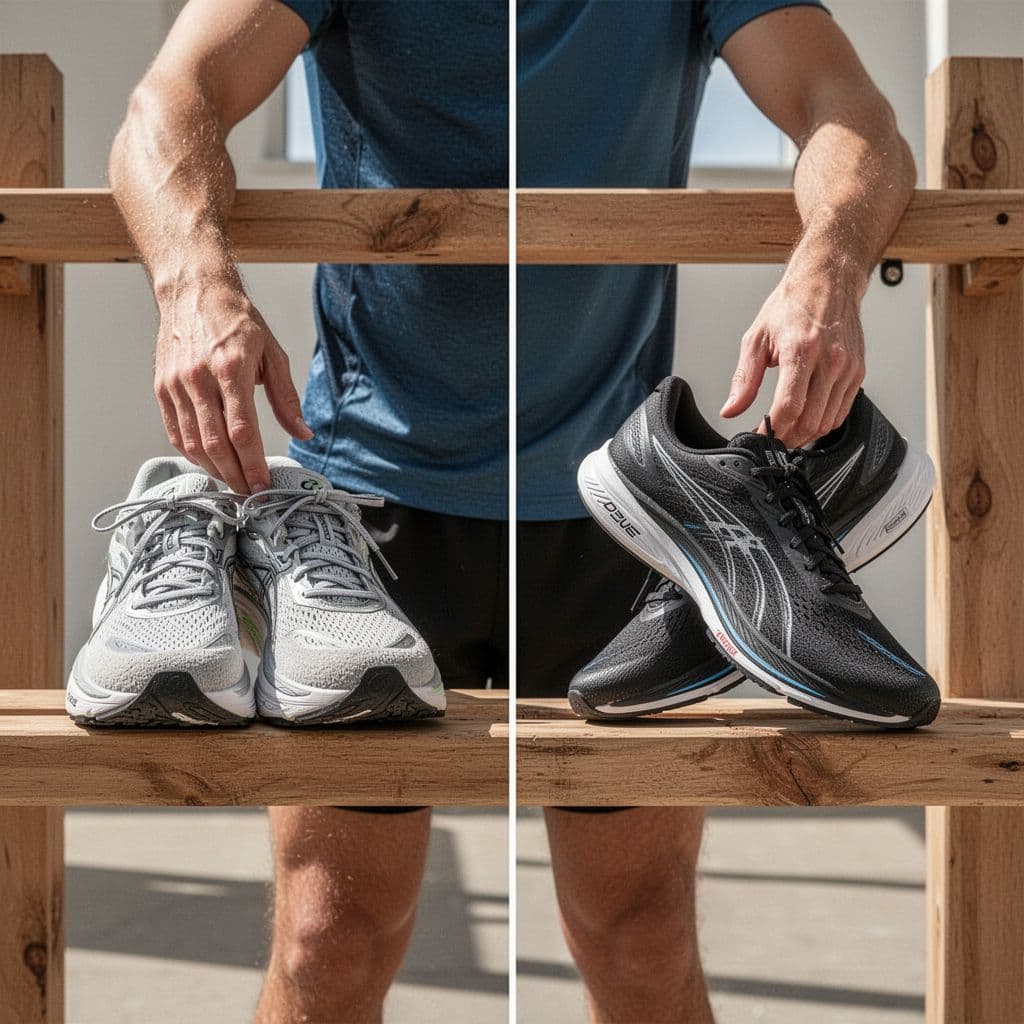
If you want a premium trainer that can handle almost anything, the Superblast 2 makes a strong case. If you want a shoe that feels ready for workouts the moment you lace it up, the Mach X 3 is the better fit. That simple split helps a lot of runners avoid buying the wrong shoe for their training style.
Choose the Superblast 2 if you want one shoe for many jobs
The Superblast 2 is the better pick if you want maximum cushioning, a smooth ride, and enough speed for everyday training. It feels like a premium all-around shoe first, and a workout shoe second. That matters if you want one pair that can cover easy miles, long runs, and steady efforts without feeling out of place.
This shoe fits runners who like a softer underfoot feel and want their legs to stay fresh. It also makes sense if you spend a lot of time on pavement or log higher weekly mileage. For many runners, that comfort is worth more than having a shoe built only for fast sessions.
You should lean toward the Superblast 2 if you:
- want one versatile trainer for most runs
- prefer a cushioned, protective ride
- need a shoe that stays comfortable late in long runs
- care more about smooth efficiency than sharp aggression
If you are building a rotation around one premium daily trainer, the Superblast 2 is the safer bet. It gives you more range, which means fewer times when it feels out of place.
Choose the Mach X 3 if workouts and faster miles are your priority
The Mach X 3 is the better choice if you want a more energetic feel, stronger pace support, and a shoe that feels ready for quality sessions. It has a more aggressive personality, so it works well for runners who like training shoes that nudge them to move faster.
This is the shoe for runners who enjoy tempo runs, intervals, progression runs, and marathon-pace work. It feels more focused and less relaxed than the Superblast 2, which is exactly why some runners prefer it. If you like a firmer, more responsive setup, the Mach X 3 gives you that sharper edge.
It makes the most sense if you:
- run structured workouts every week
- want a shoe that feels quick under load
- prefer a firmer and more connected ride
- like a trainer that supports faster paces without feeling soft
For a closer look at how the shoe behaves in workouts, the HOKA Mach X 3 review is a helpful follow-up. Runners who want a shoe that feels businesslike on hard days will usually land here fast.
Which shoe fits best for beginners, marathoners, and faster runners?
The right answer changes with the runner. Some people need comfort and forgiveness. Others need pace support and a shoe that rewards effort. A quick runner-profile breakdown makes the choice much easier.
For newer runners, the Superblast 2 is usually the better fit because it feels softer, more stable, and less demanding. For marathoners, it depends on training style. Comfort-first marathon runners will likely prefer the Superblast 2, while runners who build around workouts may like the Mach X 3 more.
For faster runners, the Mach X 3 often makes more sense because it feels more aggressive and ready for speed work. Still, if a fast runner wants a premium cushioned trainer for easy miles and long runs, the Superblast 2 can still be the better daily choice. A lot of experienced runners end up wanting both personalities in their rotation, but if you want to buy just one, match the shoe to the majority of your runs.
A quick self-check helps:
| Runner type | Better fit | Why |
|---|---|---|
| Beginners | Superblast 2 | Easier ride, more cushion, less harsh on easy miles |
| Marathoners | Superblast 2 for comfort, Mach X 3 for workout-heavy plans | One favors long-run protection, the other favors pace sessions |
| Faster runners | Mach X 3 | More responsive and better suited to hard efforts |
If you still feel torn, ask one simple question: do you want your shoe to make daily running easier, or do you want it to make hard running feel more natural? The Superblast 2 answers the first question. The Mach X 3 answers the second.
Conclusion
The ASICS Superblast 2 vs HOKA Mach X 3 choice comes down to feel. The Superblast 2 is the better pick if you want cushioned versatility for easy miles, long runs, and steady training. The Mach X 3 makes more sense if you want a firmer, faster shoe for workouts and pace work.
If your week is built around comfort and mixed-use mileage, the Superblast 2 is the safer bet. If your runs lean toward tempo days and harder efforts, the Mach X 3 fits better.
Pick the shoe that matches your most common runs, not the one with the most hype. That is the choice that will pay off every time you lace up.


