

ASICS Novablast 6 vs Superblast 3: Which Trainer Fits You?
The final miles of a long run can expose every weakness in a shoe. Cushioning that felt smooth at mile five may feel flat later, while a firm, responsive ride can either save your legs or leave them tired before race day.
The ASICS Novablast 6 vs Superblast 3 comparison comes down to different strengths within the performance-trainer category. One may suit runners who want comfortable daily mileage and lively cushioning, while the other may appeal to athletes seeking a faster, more efficient feel for workouts and long efforts. Your best choice depends on how each model handles cushioning, speed, comfort, fit, durability, price, and intended use.
ASICS specifications, prices, and available colorways can change by country and over time, so check the official listing for your market before buying. First, let’s look at how these two trainers differ in their core ride and cushioning.
Key Takeaways
- The Novablast 6 is the better everyday option for comfortable easy runs, steady mileage, and flexible training.
- The Superblast 3 suits runners who want a firmer, lighter, and more responsive ride for long runs, tempos, and marathon preparation.
- Expect the Novablast 6 to feel more forgiving, while the Superblast 3 encourages quicker turnover and stronger pacing.
- Your choice should reflect your training goals, preferred cushioning, foot shape, and budget.
- For added context, compare the models’ ride differences in this ASICS trainer comparison.
ASICS Novablast 6 vs Superblast 3: What Separates These Two Trainers?
Both shoes target runners who want more excitement than a basic daily trainer provides. However, the Novablast 6 leans toward comfortable everyday mileage, while the Superblast 3 is aimed at runners who want a faster, more efficient training shoe. The differences become clearer when you look beyond cushioning labels.
| Feature | Novablast 6 | Superblast 3 |
|---|---|---|
| Intended use | Daily runs and steady mileage | Long runs, workouts, and race preparation |
| Cushioning feel | Softer and more forgiving | More energetic and responsive |
| Stability | More familiar and approachable | Higher, faster, and more demanding |
| Speed | Comfortable at moderate paces | Better suited to quicker running |
| Long-run comfort | Plush for routine training | Efficient when fatigue builds |
| Upper | Generally more accommodating | Snugger performance-oriented hold |
| Outsole | Practical everyday traction | Built for faster training use |
| Weight, drop, and price | Check the current ASICS listing | Check the current ASICS listing |
The biggest difference is the ride, not just the price
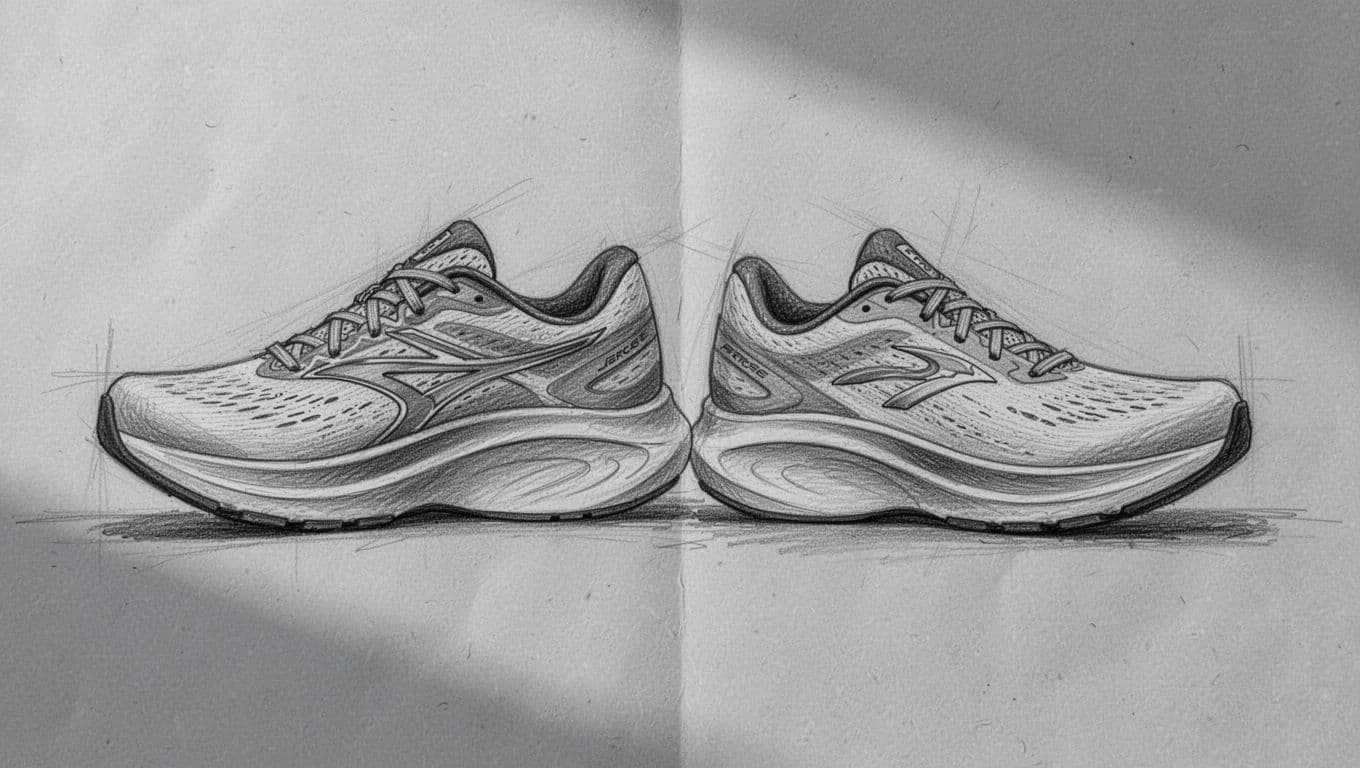
Foam, geometry, rocker shape, stack height, and flexibility all change how a shoe feels underfoot. A softer foam can absorb more of the road, while a more responsive foam returns energy quickly when you increase your pace.
The Novablast 6 is likely to feel more accessible because its ride favors comfort and forgiveness. Its geometry should suit easy runs, daily mileage, and runners who want cushioning without feeling pushed into a faster rhythm. The shoe can still feel lively, but it doesn’t demand perfect form or aggressive pacing.
The Superblast 3 takes a more performance-focused approach. Its higher, more energetic platform and pronounced rocker can help the foot move forward with less effort. That sensation may feel efficient during tempo runs, long workouts, and marathon training. However, runners who prefer a low-key, flexible shoe may find the ride less natural.
 Flexibility matters, too. A shoe that bends easily can feel relaxed at slower speeds, whereas a stiffer platform often rewards a strong, steady stride.
Your experience will depend on weight, running mechanics, pace, and personal preference. A useful comparison of earlier ASICS models also describes the Superblast as firmer and more performance-focused than the Novablast in the ASICS trainer comparison.
How the fit and upper change the experience
The upper can decide whether a fast trainer feels secure or restrictive. The Novablast 6 may suit runners who want more room through the forefoot, softer padding around the ankle, and a comfortable hold for longer easy runs. That extra space can also help when feet swell late in a run.
The Superblast 3 may appeal more if you prefer a snug midfoot, secure heel lockdown, and a closer performance fit. That structure can reduce movement during faster efforts, although runners with wider feet may need to try a wide option or size carefully.
Don’t assume both ASICS models fit identically. Check the toe box while standing, leave roughly a thumb’s width in front of the longest toe, and test the heel without overtightening the laces. If your feet feel cramped after several miles, a secure upper won’t compensate for the wrong shape.
Cushioning, Speed, and Stability on Real Runs
The difference between the ASICS Novablast 6 and Superblast 3 becomes clearer when you change pace and terrain. A shoe that feels exciting during intervals may feel excessive on recovery days, while a softer trainer may lose some control when fatigue affects your stride.
Easy miles and recovery runs
For relaxed running, the Novablast 6 should feel like the more natural choice. Its softer, more forgiving ride can make ordinary road miles feel less demanding, especially when your legs are carrying fatigue from harder training. Landing comfort matters here, but softness alone doesn’t decide comfort. A shoe also needs a stable platform, smooth transitions, and enough rebound to avoid feeling flat.
The Superblast 3 offers more cushioning and a livelier response, but its taller, more performance-focused setup may feel less relaxed at a shuffle or easy pace. Its rocker can encourage forward movement, yet some runners may prefer the Novablast 6’s more grounded feel when walking, warming up, or running slowly.
Stability becomes more important late in a recovery run. If your ankles or hips begin to lose control, a predictable shoe can feel easier to manage than one that constantly pushes the stride forward. Runners who want one dependable pair may value consistent comfort over maximum snap, particularly when most weekly miles are easy.
Tempo workouts, intervals, and race day
When pace rises, the Superblast 3 has the clearer advantage. Its lighter, more energetic platform should support quicker turnover, while the rocker and responsive foam can make transitions feel faster through each stride. That extra rebound may help during tempo efforts, hill repetitions, and longer intervals where maintaining rhythm matters.
The Novablast 6 can still handle steady runs and moderate workouts, especially for runners who prefer a softer landing and a less aggressive ride. However, it may feel less direct when you demand rapid acceleration or sharp cornering.
The Superblast 3 is the more useful option for runners preparing for a 5K, 10K, half marathon, or marathon, although no shoe guarantees a faster result. RTINGS’ comparison of both models also identifies the Superblast 3 as the more cushioned and lively option for long efforts.
Use either shoe in workouts before race day. Test the exact socks, pace, distance, and fueling plan you expect to use, then check for hot spots or numbness.
Long runs, tired legs, and changing surfaces
After the first hour, protection and control matter more than first impressions. The Superblast 3 may preserve comfort and forward momentum during marathon-focused long runs, while the Novablast 6 can feel steadier and easier to control during routine long-distance training.
Both shoes are primarily road trainers. Light gravel or a firm, packed path may be reasonable when the surface is dry and even, but loose stones can reduce confidence and traction. Wet pavement also deserves caution, particularly when cornering or running downhill.
Neither model should be treated as a trail shoe unless ASICS specifically confirms that use. For uneven ground, inspect your footing, reduce your pace, and choose footwear with confirmed trail traction when the route demands it.
Which Shoe Is Better for Your Training and Racing Goals?
The ASICS Novablast 6 vs Superblast 3 decision should follow your training schedule, not the higher price or more advanced label. Choose the Novablast 6 when comfort, flexibility, and value matter most. Choose the Superblast 3 when faster pacing, long workouts, and race preparation justify its more specialized ride.
Choose the Novablast 6 if you want one versatile daily trainer
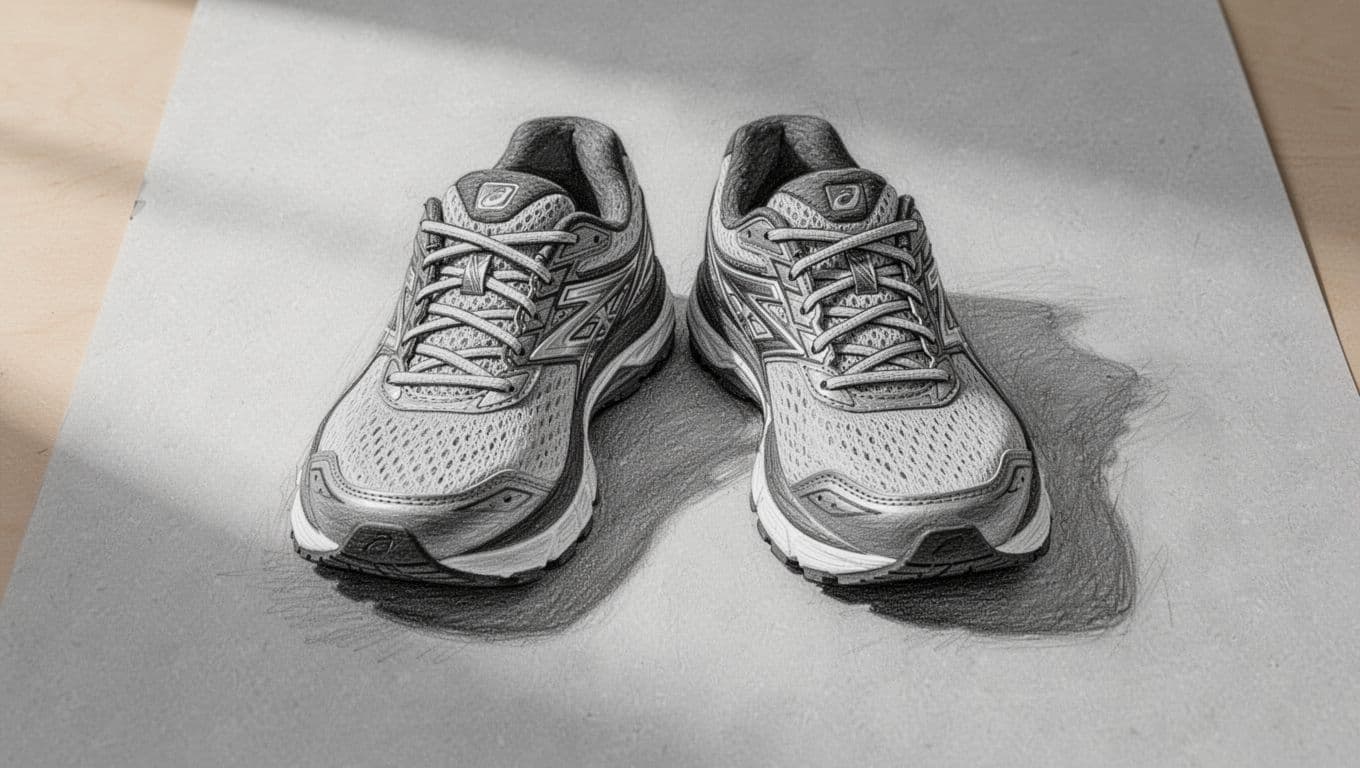
The Novablast 6 fits the runner who needs one shoe for most of the week. It should feel comfortable during easy runs, steady efforts, moderate workouts, and regular mileage without pushing you toward a demanding pace. That broad range makes it a practical choice for beginners and recreational runners who want dependable cushioning rather than a race-focused setup.
For example, a beginner building from three weekly runs may gain more from the Novablast 6 than the Superblast 3. The softer, more approachable ride can make relaxed miles feel easier, while its flexibility should feel natural during warmups, walking, and slower recovery runs. You also avoid paying for performance features you may rarely use.
A recreational runner preparing for a half marathon may reach the same conclusion. If most training happens at an easy or moderate pace, the Novablast 6 can handle long runs and steady efforts while keeping the shoe rotation simple. Its value improves when one pair covers nearly every session.
The Novablast 6 is the smarter purchase when you prefer:
- A less specialized shoe for mixed training.
- A forgiving ride for tired legs and slower paces.
- More flexibility and an easier transition between workouts.
- Strong everyday value within a limited gear budget.
Choose the Superblast 3 if efficiency and speed matter most
The Superblast 3 makes more sense when your schedule includes long tempo runs, marathon-pace work, or demanding long runs. Its advanced foam and taller, responsive construction can help you maintain rhythm when fatigue builds. A marathoner chasing a personal best may use those qualities several times each week, making the premium price easier to justify.
An experienced runner could also choose it for faster daily miles and race-day use. The shoe’s energetic response may reduce the sluggish feeling that often appears late in a workout. However, that benefit only matters if you enjoy a ride that feels tall, firm, and highly responsive. Runners who want a softer, more grounded shoe may find the Superblast 3 less comfortable, regardless of its credentials.
When a two-shoe rotation makes more sense
A practical rotation pairs the Novablast 6 with the Superblast 3. Use the Novablast 6 for recovery runs and easy mileage, then reserve the Superblast 3 for long workouts, marathon-pace sessions, or races. This approach spreads wear, changes the loading on your legs, and keeps one shoe from handling every type of run.
If your budget is tight, buy the Novablast 6 first and add the Superblast 3 later when your training demands it. Experienced athletes with several shoes can assign each model a clear role instead of choosing based on brand status alone.
Fit, Durability, and Value: What Should You Check Before Buying?
The best choice in the ASICS Novablast 6 vs Superblast 3 comparison should still feel right after several miles. Before buying, check the fit, purchase terms, expected training role, and signs that the shoe is nearing the end of its useful life.
Find the right size and width
Try both shoes while wearing the running socks you normally use. Your feet can swell during long runs, so a pair that feels perfect first thing in the morning may become restrictive after an hour. If possible, shop late in the day and walk, jog, and flex both shoes before deciding.
Use this quick fit check:
- Leave about a thumb’s width between your longest toe and the front of the shoe.
- Confirm that your heel stays in place without forcing the laces tight.
- Look for pressure across the forefoot, especially along the little-toe side.
- Check that your toes can spread naturally without rubbing the upper.
- Walk and jog in both shoes, since one foot may be slightly larger than the other.
The Novablast 6 may suit runners who prefer a more accommodating everyday fit, while the Superblast 3 can feel more secure and performance-focused through the midfoot. Still, don’t choose based only on the model name. Foot shape matters more than the category printed on the box.
A wide version may be worth considering when your toes feel compressed, your forefoot bulges over the midsole, or you develop numbness and hot spots. Going up in length is not always the best fix because it can create heel movement. Check ASICS’ running shoe selection guide and confirm whether the exact colorway is available in a wider fit.
Compare price, sale timing, and cost per mile
Compare the current ASICS retail price with trusted retailer prices, then check the return window, return condition, and warranty terms. A discounted pair may look like the better deal, but a final-sale purchase carries more risk if the fit fails during a short test run. Verify the listing before paying, since counterfeit shoes and suspiciously low prices can cost more than the original savings.
Price also depends on the job you give each trainer. The Novablast 6 may provide better value if it covers most of your weekly miles. The Superblast 3 can justify a higher price when you regularly use it for long workouts, marathon-pace sessions, and races.
Cost per mile offers a useful estimate:
purchase price ÷ expected useful miles = estimated cost per mile
This is not a promise. Body weight, running form, road surfaces, weather, rotation, and care all affect how long cushioning and traction remain effective. Compare the shoes through their expected role, not price alone.
Know the signs that the shoe is wearing out
Track mileage, but inspect the shoes too. Watch for:
- Cushioning that feels compressed or flat.
- Uneven outsole wear or reduced traction.
- New aches that appear without a training change.
- Tears, stretching, or separation in the upper.
- A heel that no longer feels secure.
- A noticeable loss of stability or smooth transitions.
Visible tread wear is only one clue. A shoe can lose its comfortable response before the rubber looks severely worn, while another may show cosmetic wear and still feel supportive. During high-volume marathon training, rotate the Novablast 6 and Superblast 3 when possible. Record each shoe’s mileage and replace it when the ride, fit, or comfort no longer supports your training.
Pros and Cons of the Novablast 6 and Superblast 3
The ASICS Novablast 6 and Superblast 3 share a lively training character, but they serve different buyers. The Novablast 6 is easier to justify as one daily trainer, while the Superblast 3 earns its premium position when you regularly run fast or cover long distances.
Novablast 6 strengths and tradeoffs
Current testing describes the Novablast 6 as a faster, more aggressive daily trainer than earlier versions. That makes it more useful for runners who want one shoe for easy mileage, steady runs, and occasional uptempo sessions. Its lively cushioning should keep relaxed runs comfortable without feeling dull when you increase the pace.
The main advantages are practical:
- Its forgiving ride is more accessible for beginners and recreational runners.
- The cushioning should suit daily road miles, recovery runs, and moderate long runs.
- Its broader training role can offer better value if you want one pair for most sessions.
- The ride is likely to feel less demanding at slower paces than the taller Superblast 3.
- A more familiar platform may appeal to runners who dislike stiff, highly structured trainers.
The tradeoffs matter when your training becomes more race-focused. The Novablast 6 can handle faster work, but it isn’t the sharper choice for repeated intervals, marathon-pace blocks, or racing. Runners who need strong guidance may also find its lively platform less stable when fatigue changes their stride. Fit remains personal, especially if you need substantial forefoot room or a very secure upper.
Choose it when comfort and range matter more than maximum speed. It makes less sense if every run has a performance target or if you prefer a firm, highly directed transition.
Superblast 3 strengths and tradeoffs
Testing of the Superblast 3 points to a highly cushioned, energetic trainer with a stiff, performance-oriented ride. Its tall platform can protect your legs during long efforts, while the responsive foam and rocker support faster turnover. That combination makes it useful for tempo runs, long intervals, marathon-pace training, and races.
The premium model’s strongest points include:
- High cushioning that can reduce the harshness of long road sessions.
- Strong energy return when your pace and mechanics support the shoe.
- Enough versatility for workouts, long runs, and race preparation.
- A secure performance fit for runners who prefer close foot control.
- A lighter, faster sensation than many traditional cushioned trainers.
However, the height and stiffness won’t suit every runner. Independent Superblast 3 testing reports limited ground feedback, which may disappoint runners who prefer a natural, connected feel. The price is also harder to defend if most of your miles are slow. Fit differences can require careful sizing, and the tall ride may feel less stable during easy running or sharp corners.
The Superblast 3 works best when pace, form, and training goals match its design. Faster runners may feel its efficiency immediately, while others may prefer the Novablast 6’s simpler, more grounded behavior.
The Final Verdict: Which ASICS Trainer Should You Buy?
The ASICS Novablast 6 vs Superblast 3 decision is clear when you match the shoe to your actual training. Choose the Novablast 6 for value, everyday versatility, and approachable comfort. Choose the Superblast 3 when you regularly run long workouts, faster sessions, or race-specific efforts that justify its premium price.
Buy the Novablast 6 for everyday training value
The Novablast 6 is the smarter choice for most runners who want one reliable road trainer. Its forgiving cushioning and flexible ride should cover easy runs, recovery miles, steady efforts, and moderate long runs without feeling overly demanding.
That broad range matters if you run three to five times each week and most sessions stay comfortable. Beginners, recreational runners, and athletes building toward a first half marathon can use the shoe often enough to get strong value from it. Recent testing also describes the Novablast 6 as a plush, durable daily trainer with improved forefoot energy return, as reported in this Novablast 6 review.
Choose it when you want:
- A comfortable trainer for most weekly miles.
- A softer, more approachable ride at slower paces.
- Better value than a premium performance trainer.
- A shoe that feels less specialized and easier to manage.
Buy the Superblast 3 when performance earns the price
The Superblast 3 makes more sense for runners who can use its speed and long-run efficiency. If your plan includes marathon-pace blocks, long tempo runs, intervals, or frequent race preparation, its responsive platform can provide a stronger training advantage.
However, don’t buy it simply because it sits higher in ASICS’ lineup. When the two prices are close, choose the Superblast 3 only if you prefer its taller, firmer, more directed ride. Otherwise, the Novablast 6 remains the better purchase.
Runners who need more stability should test both shoes carefully. A wider, more predictable platform may feel safer than a tall, energetic design. Fit outranks specifications, so choose the pair that holds your heel, gives your toes room, and stays comfortable after movement.
Use this checklist before ordering
- Match the shoe to your intended runs and race goals.
- Decide whether you prefer soft comfort or firm responsiveness.
- Consider your weekly mileage and how often you’ll use the shoe.
- Check your foot shape, width, toe room, and heel security.
- Compare the price with the value you’ll receive.
- Read the return policy before placing the order.
Frequently Asked Questions
The ASICS Novablast 6 vs Superblast 3 comparison often raises practical questions about pace, marathon training, price, fit, and stability. These answers can help you choose based on how you actually run.
Is the Superblast 3 faster than the Novablast 6?
The Superblast 3 may feel more efficient at faster paces because its foam, rocker, and geometry encourage forward movement. That can make tempo runs, marathon-pace efforts, and longer intervals feel smoother for runners who match its firmer, taller platform.
Still, the shoe won’t guarantee a faster race time. Your pace depends on fitness, fatigue, running form, fit, body weight, and the demands of each workout. Some runners may move better in the softer Novablast 6, especially if the Superblast 3 feels too stiff or unstable.
Can the Novablast 6 be used for marathon training?
Yes, the Novablast 6 can suit many marathon-training runs when its cushioning, fit, and stability work for you. It can handle easy mileage, recovery efforts, steady runs, and many long runs without forcing you into a fast rhythm.
A second shoe may help when your plan includes extended marathon-pace blocks or demanding long workouts. You might use the Novablast 6 for daily miles and reserve the Superblast 3 for faster sessions or race day. Before committing to either model, ASICS recommends considering fit and running needs in its running shoe selection guide.
Is the Superblast 3 worth the extra money?
The higher price makes sense when you use the Superblast 3 often enough to benefit from its ride. Runners who regularly complete long runs, tempo sessions, marathon-pace workouts, or races may value its responsive cushioning and efficient transitions.
Casual runners may receive better value from the Novablast 6. If most of your miles are relaxed and you want one dependable trainer, the less expensive option may cover your needs without leaving unused performance features on the shelf.
Which shoe is better for beginners?
The Novablast 6 may be easier for many new runners because its ride feels more forgiving and natural at an easy pace. That can make it a practical choice while you build consistency and learn how your body responds to regular running.
Experience level still doesn’t determine the right shoe. Comfort and fit matter more, so choose the pair that holds your heel securely, gives your toes room, and feels natural during a relaxed test run.
Do the Novablast 6 and Superblast 3 fit the same?
Don’t assume identical sizing across ASICS models. Check the current size chart, read fit-focused reviews, and test toe room, heel hold, and midfoot pressure before buying.
Try both shoes with your usual running socks, preferably after your feet have had time to swell. If either model creates numbness, rubbing, or heel movement, test another size or width rather than forcing the fit.
Can either shoe replace a stability running shoe?
Neutral shoes are not automatic substitutes for structured stability models. A comfortable ride may feel supportive, but it doesn’t provide the same design or guidance as a shoe built for stronger stability needs.
If you have persistent discomfort, repeated ankle control problems, or a history of needing structured support, seek a professional fit assessment or advice from a qualified running specialist. Choose the shoe that keeps your stride comfortable and controlled, not simply the one with the most cushioning.
Conclusion
The ASICS Novablast 6 vs Superblast 3 comparison comes down to the kind of work you ask your shoes to handle. The Novablast 6 is the better fit for runners who want comfortable daily mileage, forgiving cushioning, and solid value from one versatile trainer. The Superblast 3 is better suited to athletes who regularly run long workouts, faster sessions, and race-specific efforts.
Your best choice is the shoe that supports consistent, pain-free running within your budget. Judge both models by fit, real training use, and current verified pricing rather than hype. When the shoe matches your pace, goals, and foot shape, every mile has a better chance to move your training forward.


