

Best Speed Workouts for the ASICS Noosa Tri 17
The ASICS Noosa Tri 17 stands out when you want a shoe that feels light, lively, and easy to slip on before a fast run. Its quick feel makes it a strong pick for ASICS Noosa Tri 17 workouts that focus on speed without piling on extra complexity.
If you’re building sharper reps, race-pace runs, or short interval sessions, this shoe fits that job well. For a deeper look at speed-focused sessions that pair well with this kind of trainer, see running speed workouts for distance runners, and for the shoe itself, the official ASICS site is the best place to start.
From there, the best workouts get simple fast, and the right setup matters more than fancy drills.
What makes the Noosa Tri 17 a strong choice for speed days
The Noosa Tri 17 works well when your main goal is to move fast without fighting your shoes. It feels light, quick, and easy to turn over, which matters when the workout asks for sharp reps and steady rhythm. That balance is a big reason the shoe fits so many ASICS Noosa Tri 17 workouts aimed at speed.
Build Your Complete Race-Day Setup
The right shoe helps, but faster racing comes from better training, pacing, recovery, fueling, and execution.
More Guides for This Shoe
It also keeps the ride simple. You get enough support for repeated efforts, but not so much bulk that the shoe starts to feel slow once fatigue sets in. For runners who want a fast trainer that stays friendly on the feet, that matters a lot.
How the ride feels when the pace picks up
When the pace changes, the Noosa Tri 17 responds without a fight. Quick steps feel natural, and the shoe does not drag through turnover the way heavier trainers can. That makes it a solid pick for fartleks, strides, and short intervals where you want to stay light on your feet.
On longer repeats, the ride still feels smooth and manageable. The shoe has enough comfort to handle work across several miles, but it does not get stiff or clunky when you pick up effort again after recovery. That mix helps you stay focused on pace instead of thinking about the shoe.
For runners who like a simple, fast-feeling setup, a lightweight shoe often makes the workout feel cleaner and easier to control. The broader point shows up in plenty of workout discussions, including speed shoes for workouts, where runners often look for the same thing: a shoe that disappears once the pace gets serious.
Why triathletes and runners like it for workouts
The Noosa Tri 17 fits both run-only training and triathlon work because it keeps transitions simple. It is easy to get on and off, so it saves time before and after workouts. That matters when you are heading straight into a brick session or trying to keep a busy training day moving.
Triathletes also like the comfort during back-to-back efforts. After biking, you want a shoe that feels ready right away, not one that needs a long break-in feel. Runners benefit too, since the shoe works well for track sessions, tempo runs, and speed-focused days without asking for a lot of adjustment.
If you want a structured path for workouts that pair well with this shoe, the interval training plan for faster times is a good match. It lines up well with the kind of repeat work where the Noosa Tri 17 feels most at home.
The best ASICS Noosa Tri 17 workouts for building speed
The Noosa Tri 17 fits best when the workout asks you to run fast with a quick, light step. That makes it a smart shoe for sessions that sharpen your legs without turning every run into a grind. If you want better speed, the best workouts mix short reps, steady pacing, hills, and easy weekly speed touches.
Short interval repeats for raw speed
Short reps are where you teach your legs to turn over faster. Think 200s, 400s, and 600s, done with enough rest to keep the quality high. These workouts help you hold form when the pace gets sharp, which is exactly what you want from ASICS Noosa Tri 17 workouts built for speed.
A simple session might look like this:
- 8 x 200 meters at fast but controlled effort
- 6 x 400 meters at mile to 5K effort
- 4 x 600 meters with full focus on smooth pacing
The goal is not to blast every rep. Instead, run tall, keep your arms quick, and land light. Short intervals improve leg turnover because your body has to react fast again and again. They also expose sloppy mechanics, so you can clean up your form while you work.
The Noosa Tri 17 helps here because it feels light underfoot and easy to roll through each step. That can make quick reps feel less forced, especially when fatigue starts to creep in.
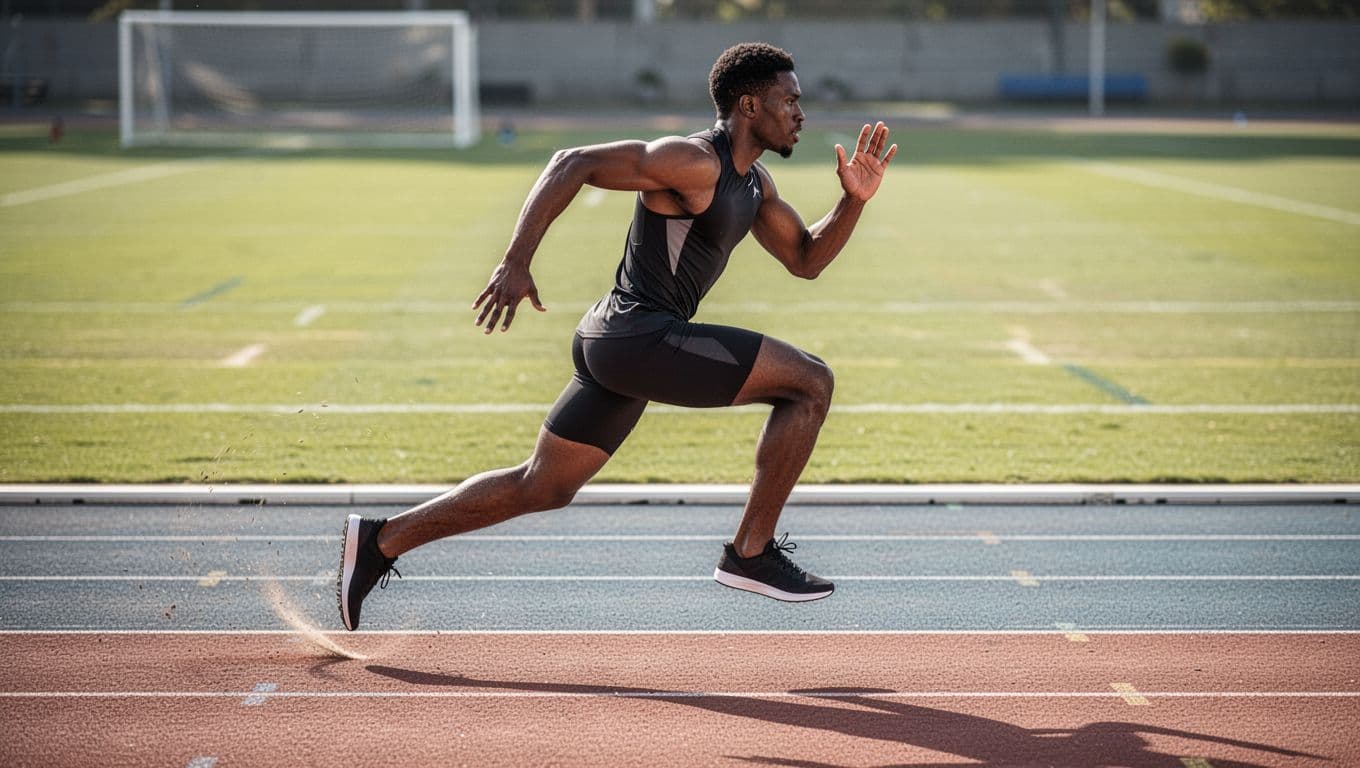
Short intervals work best when you finish each rep with good form, not just fast splits.
For a broader look at how interval work helps runners get faster, this overview of interval running benefits lines up well with the same idea: quality reps build speed and control together.
Tempo runs that build strong race pace control
Tempo runs train you to sit near hard effort without falling apart. They teach rhythm, pacing, and patience, which matter just as much as raw speed. When you use the Noosa Tri 17 for these runs, the shoe feels quick enough to stay lively but calm enough to hold steady over time.
A few good tempo options include:
- 20 minutes at comfortably hard effort
- 3 x 10 minutes with short jog recoveries
- 4 to 5 miles at planned race pace
These runs are useful because they teach you how fast feels sustainable. You stop guessing and start learning what controlled speed actually feels like. That carries over to racing, where early mistakes often cost more than one hard workout can fix.
The Noosa Tri 17 handles this kind of work well because it doesn’t feel heavy when the pace settles in. Your legs still work, of course, but the shoe helps reduce that drained feeling that some trainers bring on during longer fast efforts. For pace-specific workouts that pair well with this shoe, the interval training plan for faster times is a useful place to start.
Hill sprints for power and form
Hill sprints build speed in a different way. They aren’t flat-out track repeats, but they still make you stronger, quicker, and more efficient. The incline asks for better knee drive, tighter arm action, and a strong forward lean from the ankles, not the waist.
Keep hill work short and sharp. Good examples include:
- 8 to 10 x 10-second hill sprints
- 6 x 20-second uphill bursts with full recovery
- 4 x 30-second efforts at hard but controlled effort
Because the ground rises under you, hills reduce the need to chase pace. That lets you focus on posture and power instead. Your stride gets cleaner, and your body learns to push hard without overstriding.
The Noosa Tri 17 feels secure enough for this kind of work, which matters when the surface changes and the effort gets punchy. It also keeps the ride smooth on the climb, so you can stay focused on driving upward instead of fighting your shoes. If you want more background on how track-style speed sessions fit into a bigger plan, best track workouts for distance runners adds helpful context.
Strides and fartlek sessions for easy weekly speed
Not every speed workout needs to leave you drained. Strides and fartleks are perfect when you want to stay sharp without piling on stress. They keep your legs awake, and they fit neatly between harder training days.
After an easy run, add 4 to 8 strides. Run each one for 20 to 30 seconds, build to fast but relaxed speed, then walk or jog until you feel ready again. The point is smoothness, not strain. Your form should feel loose and quick, almost like a tune-up.
Fartlek work gives you another simple option. Try a run with mixed bursts, such as:
- 1 minute fast, 2 minutes easy, repeated 6 to 8 times
- 30 seconds quick, 90 seconds easy, repeated 10 times
- Pickup surges during a steady run, based on landmarks or songs
These sessions work well because they keep speed in the week without the pressure of exact splits. You can do them on roads, trails, or paths, so they fit busy schedules and different training phases.
The Noosa Tri 17 is a strong match for this type of running. It feels light, nimble, and ready for quick changes, which helps make a simple workout feel snappy instead of flat.
How to match the workout to your goal
The best ASICS Noosa Tri 17 workouts are the ones that match what you want to improve. Short reps build quickness. Longer reps build staying power. If the workout and the goal line up, the shoe feels even better because you can focus on effort instead of second-guessing the session.
That simple match matters. A fast shoe can help, but only when the workout has a clear purpose. If you want sharper turnover, keep the reps short. If you want race fitness, extend the work and settle into a strong pace.
Choose shorter reps for top-end speed
Short intervals make the most sense when you want your legs to move faster, not just work harder. They fit runners chasing better finishing speed, snappier turnover, or more pop late in a race. A session with 150s, 200s, or 400s keeps the pace sharp and the effort clean.
These workouts work best when you keep the rest long enough to stay fast. That lets each rep feel crisp, which is the point. You are training speed mechanics, so quality matters more than volume.
Use short reps when:
- Your stride feels flat and you need more leg quickness
- You want a stronger kick at the end of races
- You are building speed without a lot of fatigue
- You want a light workout that still feels fast
The Noosa Tri 17 fits here because it feels nimble underfoot. It helps you turn over quickly and stay relaxed as the pace jumps. For runners who want more background on how speed work fits into a bigger plan, running speed workout principles give a simple look at the idea behind fast sessions.
Choose longer reps for race fitness
Longer intervals make more sense when your goal is race strength. They help you hold form, pace, and focus when the effort lasts longer. That makes them a better fit for 5K, 10K, half marathon, and brick sessions where you need to settle in and keep working.
A tempo run or longer repeat teaches you how to stay controlled when your legs start to load up. That skill matters in triathlon too, because the run often starts with tired legs. If you want a broader base for those efforts, running workouts to build endurance is a helpful place to pair with this kind of training.
Choose longer reps when you want:
- Better race-pace control
- More comfort holding steady effort
- Stronger late-race durability
- A better bridge between speed and endurance
The Noosa Tri 17 handles these sessions well because it stays smooth when the pace settles. That makes it a strong choice for workouts that feel more like practice for race day than pure speed play.
How to get the most out of the Noosa Tri 17 on workout day
The Noosa Tri 17 works best when you treat it like a speed-day tool, not just another daily trainer. Light shoes can make fast running feel smoother, but the workout still needs a smart setup, steady pacing, and enough recovery to pay off.
That means starting with a proper warm-up, choosing the right place to run, and giving your legs enough time to reset before the next hard session. Get those pieces right, and the shoe feels sharper when the pace picks up.
Warm up enough before going fast
A good speed session starts before the first rep. Easy jogging raises your heart rate, loosens your stride, and helps the Noosa Tri 17 feel ready instead of stiff. After that, add a few drills, such as leg swings, skips, or high knees, to wake up your hips and feet.
Short strides finish the job. Run 4 to 6 quick efforts for 20 to 30 seconds, with full recovery between each one. They help your body settle into race rhythm without draining you before the workout begins.
A simple warm-up keeps things practical:
- 10 to 15 minutes of easy jogging
- 3 to 5 dynamic drills
- 4 to 6 short strides
If your first rep feels clunky, you probably started too fast or warmed up too little.
For a fuller look at pre-run prep, this warm-up routine for runners lines up well with speed training days.
Use the right surface and recovery plan
The Noosa Tri 17 can handle track, road, and treadmill work, so choose the surface that fits the session. The track is best for precise intervals. Roads work well for tempo runs and fartleks. A treadmill helps when weather, traffic, or safety gets in the way.
Each surface changes the feel a little. The track gives you clear pacing. Roads feel more natural and mixed. The treadmill keeps effort honest when you need a controlled workout.
Recovery matters just as much. Leave at least one easy day after hard speed work, and give yourself extra time after a tough track session or race-pace run. If your legs still feel heavy, shorten the next workout or swap it for easy running.
A simple weekly rhythm works well:
- Hard speed day
- Easy run or rest
- Second quality session only if you feel fresh
- Easy mileage between workouts
That approach helps the Noosa Tri 17 stay fun to run in, because your legs are ready to respond instead of just surviving the session. For more on warm-up timing before easy or hard runs, Outside’s guide to dynamic warm-ups is a solid companion piece.
Who should skip hard ASICS Noosa Tri 17 workouts, and when
Hard speed sessions are useful, but they are not always the right call. The Noosa Tri 17 feels quick and lively, yet even a good shoe cannot make a tired, beat-up, or under-recovered body handle fast work well. The smart move is to back off before your form breaks down or your legs start asking for trouble.
A skipped workout is not wasted training. Sometimes it protects the next three runs, which matters more than one hard session.
Skip speed work when your body is sending clear warning signs
If you feel sharp pain, unusual tightness, or a heavy limp, do not force a workout. The same goes for pain that changes your stride or gets worse as you warm up. Fast sessions only help when you can move with control.
Fatigue matters too. If your legs feel flat for more than a day or two, or your heart rate is unusually high on easy runs, the workout may cost more than it gives back. In those cases, an easy run or full rest is the better choice.
A simple rule helps here. If you cannot keep good form in the warm-up, you should not be doing hard intervals. That is one reason runners who are already dealing with recurring aches often need a better plan for injury prevention exercises before they keep stacking speed sessions.
Hold off after a hard race, long run, or big training block
The Noosa Tri 17 works well for fast training, but recovery still has to come first. Skip hard workouts the day after a race, a long run with heavy effort, or a workout block that already piled on stress. Your legs need time to refill the tank.
This matters even more if you are training through triathlon bricks or back-to-back run sessions. The shoe may feel ready, but your muscles may not be. If the previous 48 hours included a lot of load, keep the next run easy and short.
That choice usually protects the rest of the week. A runner who trims one workout can often get more out of the next two. For a wider look at training habits that keep you consistent, the complete guide to running injury prevention fits well with this approach.
Use easier work when your motivation is low, not just your pace
Some days are not about pain. They are about poor focus, bad sleep, or mental fatigue. If you feel drained and unfocused, a hard ASICS Noosa Tri 17 workout can turn sloppy fast. That is how small mistakes become bigger problems.
On those days, switch to easy mileage, strides, or a short aerobic run. You still keep the habit, but you avoid forcing quality that is not there. Besides, speed work only helps when you can stay smooth and present through the reps.
One good way to judge the day is simple: if the warm-up feels harder than it should, step back. Runners ask versions of this same question often, and the conversation around whether to skip a workout or keep it easy comes up often in running circles, too, like this discussion on skipping a tempo run.
Save hard Noosa Tri 17 sessions for the right conditions
The best time for hard work is when your body feels fresh, your sleep has been solid, and your stride feels normal. That is when the shoe can do its job. You get the quick turnover, the light feel, and the smooth response that make ASICS Noosa Tri 17 workouts worth doing in the first place.
When the conditions are off, adjust the session instead of forcing it. Swap intervals for strides, shorten the tempo, or make the run aerobic. That keeps your training moving without digging a hole you will spend the next week climbing out of.
Conclusion
The ASICS Noosa Tri 17 works best when the workout matches the goal. Short intervals sharpen turnover, tempo runs build race control, hill sprints add power, and strides or fartleks keep speed in the week without too much strain.
Start with one or two speed sessions each week, then build only when your legs recover well and your form stays clean. That steady approach keeps ASICS Noosa Tri 17 workouts useful instead of just hard.
If you want to check the shoe details before your next session, the official ASICS site is a good place to start. Then pick one workout, keep it simple, and see how the shoe feels when the pace picks up.


