

ASICS Noosa Tri 17 vs Nike Streakfly 3: Which Should You Buy?
At the start line, the ASICS Noosa Tri 17 feels ready for a quick transition and a lively run, while the Nike Streakfly 3 brings the sharp, stripped-down character of a dedicated road racer. Both shoes target speed, but they suit different runners, courses, and race goals.
The Noosa Tri 17 may appeal to athletes who want a flexible, cushioned shoe that can handle triathlon transitions and longer efforts. The Streakfly 3 is aimed at runners who prefer a lighter, more focused ride for fast road racing. In this ASICS Noosa Tri 17 vs Nike Streakfly 3 comparison, cushioning, weight, stability, fit, durability, transitions, running pace, and price all matter more than the brand on the tongue.
The comparison uses current official specifications alongside real-world use, while recognizing that sizing and ride feel can vary from one runner to another. First, we’ll look at how each shoe is built and what those design choices mean underfoot.
The Short Answer: Choose the Shoe That Matches Your Race and Running Style
For most runners, the ASICS Noosa Tri 17 is the more versatile choice. It fits triathlon, daily speedwork, warm-weather racing, and runners who want a secure, lively shoe with useful protection. The Nike Streakfly 3 makes more sense when your priority is a short, fast road race and you prefer a low-profile, aggressive feel.
Neither shoe is universally better. Your distance, usual pace, foot shape, running surface, and comfort preferences matter more than marketing claims. A shoe that feels sharp for a 5K can feel demanding over a longer race, while a more forgiving racer may help you hold form when fatigue builds.
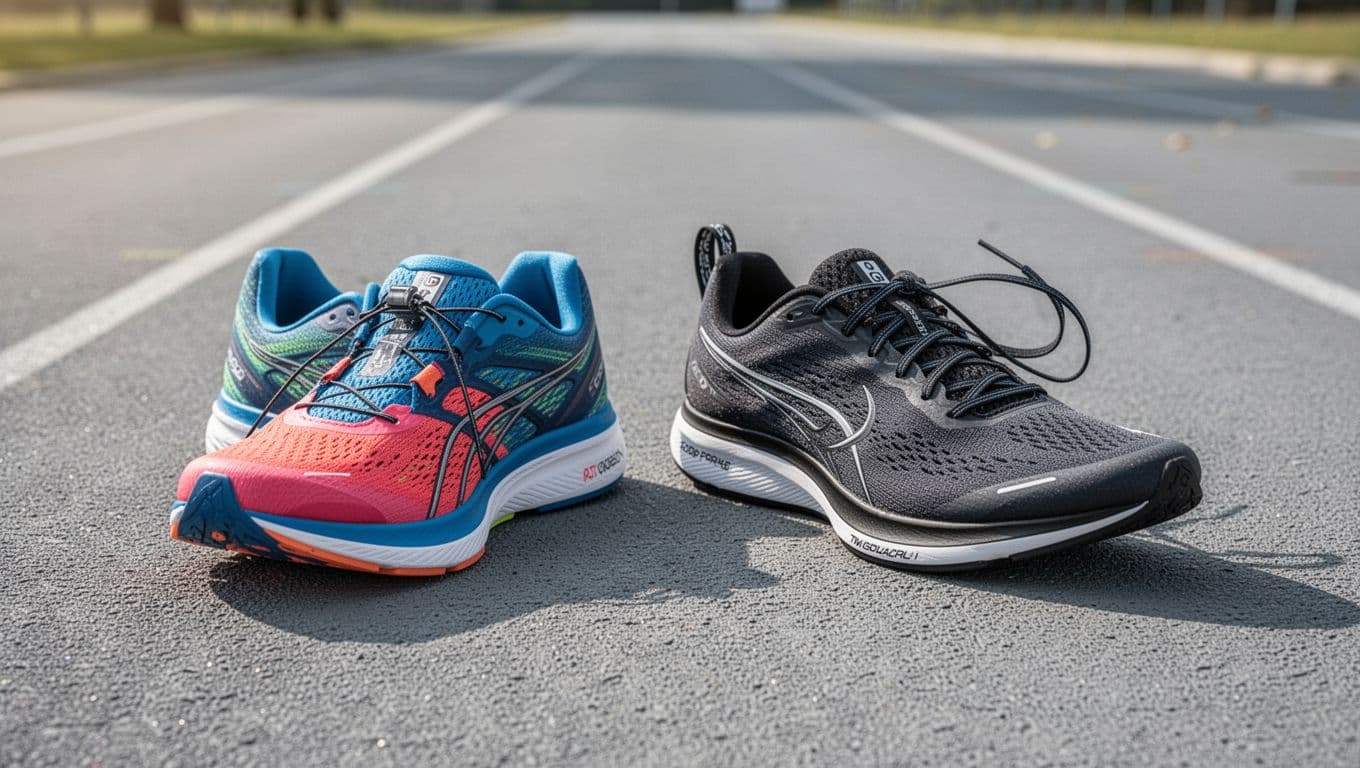
Choose the ASICS Noosa Tri 17 for versatility
The Noosa Tri 17 is the safer pick if one shoe needs to cover several jobs. Its flexible, energetic design suits triathlon transitions, tempo runs, track sessions, and road races where you want speed without giving up too much comfort.
That broader usefulness also helps runners who don’t want a harsh race-day shoe. The Noosa can feel more approachable when your pace changes or the course stretches beyond your usual racing distance. It offers a livelier platform with enough cushioning to keep the ride from feeling overly bare.
Warm-weather racing is another reason to consider it. Triathlon-focused details can make the shoe easier to manage when you’re moving quickly through a transition, especially if you prefer a simple, secure fit rather than stopping to adjust laces.
Choose the Noosa Tri 17 if you value:
- A flexible ride for training and racing.
- A secure fit during quick transitions.
- More protection for longer or less predictable efforts.
- One performance shoe that can handle several types of workouts.
Choose the Nike Streakfly 3 for a focused race-day feel
The Streakfly 3 is the more specialized option. It suits runners who want a light, close-to-the-ground sensation for short road races, especially when fast turnover and an aggressive stance matter more than all-day comfort.
That focused character can feel exciting when you’re attacking a 5K or another fast road event. However, a low-profile racing shoe may demand more from your calves and feet, particularly if you’re not accustomed to minimal protection or a firm, highly responsive ride.
The Nike is a better match when you already know what you want from a dedicated racer. If you prefer a shoe that fades into the background and lets you run directly against the road, the Streakfly 3 deserves attention.
Your best match depends on the race
In the ASICS Noosa Tri 17 vs Nike Streakfly 3 choice, pick the Noosa for range and protection. Pick the Streakfly for a more concentrated short-race experience. Before deciding, test the fit at your target pace, because the fastest shoe on paper is useless if it distracts you with pressure, slipping, or discomfort.
ASICS Noosa Tri 17 vs Nike Streakfly 3: How the Designs Differ
Understanding the physical build of these two shoes reveals why they behave so differently on the road. The ASICS Noosa Tri 17 serves a multi-sport purpose, prioritizing efficiency in the transition zone and sustained comfort. Meanwhile, the Nike Streakfly 3 focuses entirely on raw speed for short-distance racing. Checking the official product pages for the most recent specs is a smart move, as weight, stack height, and available sizes often shift slightly between regional markets and manufacturing cycles.
The Noosa Tri 17 is built for quick changes and versatile training
The design of the Noosa Tri 17 centers on speed in the transition area. It features a pull tab on the heel and a gusseted, engineered mesh upper that simplifies the entry process, even when your hands are tired or cold. The interior is generally soft, making it a viable option for sockless wear if you prefer to save seconds during a triathlon transition. However, comfort without socks varies by runner, so it is wise to test this setup during training before race day.
Beyond the transition area, the shoe bridges the gap between a standard daily trainer and a pure race day option. It utilizes a durable, full-contact outsole that handles wet road conditions with confidence. The foam provides enough bounce to encourage turnover without the extreme, sometimes unstable, stack heights found in carbon-plated marathon super shoes. This makes the Noosa a solid companion for long training runs where you want protection, as well as race efforts where you need a bit of extra support.
The Streakfly 3 puts speed and low weight first
The Nike Streakfly 3 follows a different design philosophy entirely. It is a specialized tool for shorter road races, featuring an aggressive foam geometry that prioritizes energy return and a direct connection to the ground. The upper is exceptionally thin and minimalist, designed to hold the foot securely at high speeds without adding unnecessary weight.
Unlike the Noosa, the Streakfly focuses on forefoot responsiveness. Its ride is firmer and more demanding, which suits runners who want to feel every part of their stride. Because the stack height is lower, the shoe does not offer the same level of cushioned protection for long, slow mileage.
It functions as a lightweight weapon for 5K or 10K events rather than a do-it-all trainer. While it excels at fast turnover, this direct ride can lead to muscle fatigue for those not used to a minimal platform. When you compare these models, remember that lower weight does not automatically equate to a faster result if the shoe lacks the structure needed for your specific race distance.
Ride Feel, Cushioning, and Stability on the Road
The ground contact sensation defines your connection to the pavement, especially at high speeds. When you evaluate the ASICS Noosa Tri 17 vs Nike Streakfly 3, you notice how distinct their engineering approaches are. One prioritizes a smooth, stable transition through the gait cycle, while the other emphasizes a sharp, aggressive geometry meant to maximize turnover.
Which shoe feels faster at 5K pace?
At 5K pace, the Nike Streakfly 3 acts like a precision instrument. It feels light and responsive under the forefoot, encouraging a quick cadence and an aggressive toe-off. If you are a confident forefoot striker who enjoys a direct, snappy feel, this shoe disappears on your foot.
Its minimalist design excels in cornering because the low stack height keeps your center of mass close to the road. However, that sharpness comes with a cost. As your form breaks down late in a race, the lack of substantial cushioning can make your calves and feet feel every impact.
In contrast, the ASICS Noosa Tri 17 provides a more forgiving, energetic platform. It features a distinct rocker geometry that guides your foot through the gait cycle, which is helpful if your technique wavers during a difficult interval session. While it feels slightly less aggressive than the Nike, the Noosa offers a smooth, snappy ride that keeps your legs feeling fresh longer.
- Confidence builders: The Noosa provides a wider, more stable platform that inspires trust on tight turns or uneven surfaces.
- Speed seekers: The Streakfly rewards runners who maintain a consistent, efficient stride and want minimal material between them and the pavement.
If you struggle with fatigue in the final kilometer of a race, the Noosa provides the extra structure needed to maintain your form. The Streakfly suits runners who prioritize raw, unadulterated speed and possess the structural strength to handle a firm, low-profile ride for the duration of a short event.
Which shoe protects better when the miles add up?
Cushioning depth does not always equal comfort. The Noosa Tri 17 utilizes a balanced foam setup that manages impact forces well during longer tempo runs or half-marathon efforts. Its wider base and geometric stability offer a level of support that feels intentional, reducing the stress on your feet as the miles accumulate. This is vital because finding the right support depends on how your body handles repetitive pounding.
Conversely, the Streakfly 3 is a specialized racer. While the foam provides high energy return, the thin upper and lower stack height can create pressure points if your feet swell during a longer workout. It lacks the platform width of the Noosa, meaning your stabilizers work harder to keep your stride aligned as your body tires. If you notice hot spots or calf strain during efforts exceeding 10K, the Streakfly might be too aggressive for your current training cycle.
Ultimately, body size and your specific running history dictate the experience. A heavier runner may find the Nike lacks the volume needed for sustained protection, whereas a lighter runner might find the Noosa feels slightly bulky for pure speedwork. Choose the Noosa when your primary goal is consistent performance across varying distances. Choose the Streakfly when you want a race-day edge for short, high-intensity efforts where speed outweighs long-term muscular recovery.
Fit, Sizing, and Race-Day Comfort Matter More Than the Spec Sheet
Numbers on a spec sheet tell you about stack height and weight, but they cannot tell you how a shoe will treat your skin during a long effort. A fast shoe that causes blisters or pinches your toes is slower than a heavier shoe that disappears on your feet.
When comparing the ASICS Noosa Tri 17 vs Nike Streakfly 3, your personal foot geometry is the final judge. Before you commit to a purchase, you should recognize that modern racing shoes use aggressive materials that often demand a precise fit to function correctly.
Best match for narrow, wide, or high-volume feet
Shoes are built on specific lasts, which dictates the overall volume and shape of the internal space. The Noosa Tri 17 typically offers a more accommodating structure that works well for runners with a standard to slightly higher instep.
Because it relies on a secure, multi-purpose upper, it often feels more forgiving if your feet swell during longer sessions. If you have a narrow heel, look for signs of slippage where the shoe pulls away from your foot during the gait cycle. Conversely, if you have a broad forefoot, ensure the sidewalls do not press against your metatarsals.
The Streakfly 3 is a different beast entirely. It uses a very slim, minimalist construction that caters to a lower-volume foot shape. Runners with high insteps may find the thin tongue and lockdown system creates excessive pressure across the top of the foot.
Consider these practical checks when you try them on:
- Toe Box Clearance: Aim for a thumb’s width of space between your longest toe and the front of the shoe to account for foot expansion during long runs.
- Lace Pressure: If you feel significant heat or discomfort across the top of your foot while walking, the upper is likely too low-volume for your foot shape.
- Sidewall Rubbing: Your feet should sit centered on the midsole platform; if you feel your skin pushing over the edges, the base is likely too narrow.
- Heel Lock: Ensure the heel cup holds your foot firmly in place without digging into your Achilles tendon.
Since fit varies by version and individual anatomy, checking official sizing guidance is a helpful starting point before you visit a local running shop to test them in person. Always try both shoes late in the day when your feet are naturally at their largest.
Do not skip the break-in and transition test
A shoe that feels comfortable while standing in a store often reveals hidden friction points after several miles of sweat and heat. You should treat the test run as a rehearsal for your actual race. Start with a light walk to feel the arch support, then transition into an easy mile to let the materials warm up. From there, complete a few fast strides or short intervals to see how the shoe reacts to higher forces and quicker turnover.
If you are a triathlete, simulate your race setup. Wear your preferred race socks and practice a few quick transitions to see if the upper allows for rapid entry. If you plan to go sockless, ensure there are no seams that snag or rub against your skin when wet. For pure road racers, focus on stability during tight turns at speed.
You should watch for numbness, which often signals that the laces are too tight or the shoe is too narrow for your foot volume. If you notice persistent discomfort or unstable landings that do not fade after a few minutes, that model is likely the wrong match for your biomechanics.
When you select a pair of shoes for your next event, the specific demands of your race define the right choice. The ASICS Noosa Tri 17 vs Nike Streakfly 3 comparison highlights how distinct design goals produce very different results on the road. You should weigh the needs of your training schedule and race day against the unique personality of each shoe.
The better choice for triathlon transitions and brick workouts
Triathlon demands equipment that thrives under pressure. You need a shoe that slides on in seconds and feels stable during the critical first mile off the bike. The Noosa Tri 17 excels here. Its heel pull tab and engineered upper are built for haste, allowing a quick entry that minimizes time lost in the transition zone.
If you prefer to race without socks, the internal construction provides a smooth, irritation-free experience. However, drainage and wet-surface traction are often overlooked. The Noosa outsole features a durable design that grips well on slick pavement or painted lines, which is a major advantage when you are exiting a wet transition area.
Brick workouts, where you jump straight from a bike ride to a run, test your ability to maintain form while your legs feel heavy. The supportive midsole of the Noosa offers a forgiving platform that helps you regain your rhythm. A shoe that feels unstable or harsh during these workouts can distract you from your pacing. Always test your exact lacing setup and wet-foot conditions before race day to ensure a secure fit that lasts until the finish line.
Keep in mind that while the Noosa Tri 17 is a capable tool for multisport, it carries more structure than a pure road racer. This additional material adds weight, meaning it trades absolute speed for the protection and stability needed during longer, multi-sport events.
The better choice for short road races and speed sessions
The Streakfly 3 is a precision instrument for the runner who wants an aggressive, connected feel during high-intensity efforts. If your calendar is full of 5K road races, track repeats, or fast-finish speed sessions, this shoe offers a responsive, close-to-the-ground experience. It encourages quick turnover and a sharp toe-off that makes it feel like an extension of your own foot.
Because the profile is low and the foam is firm, the Streakfly 3 excels when you are attacking tight corners. You feel exactly where you are landing, which provides confidence at high speeds. This creates a direct road feel that many veteran racers prefer over the more cushioned, rolling sensation of a daily trainer.
Newer racers often benefit from the versatility of the Noosa, but the Streakfly rewards those who have developed the specific foot and calf strength to handle a minimal platform. If you find your form breaking down during a 10K or a long tempo run, the lack of substantial cushioning in the Nike might become a limiting factor.
Use the Streakfly 3 for:
- 5K and 10K racing: Where raw speed and low weight take priority over long-term comfort.
- Track intervals: Where you need a responsive, snappy feel to hit precise paces.
- Warm-up and cool-down: Only if you are comfortable with a very low-drop, firm ride.
If your training includes a wide range of surfaces, from rough asphalt to smooth track surfaces, prioritize the shoe that keeps you feeling fresh. While the Streakfly is undeniably fast, its specialized nature means it works best when you already have a stable base and the leg strength to support a minimal, high-response design.
Durability, Traction, and Value Over the Life of the Shoe
Selecting a high-performance running shoe involves more than just picking the lightest option or the biggest discount. You should look beyond the initial purchase price to understand how these shoes perform after hundreds of miles on the road. Both the ASICS Noosa Tri 17 and Nike Streakfly 3 have distinct design priorities that affect their longevity and overall return on investment.
What to check before buying either pair
Before you add a pair to your cart, run through a quick assessment to ensure you are getting a shoe that actually fits your needs. Start by verifying the current sale price, which fluctuates based on regional availability and seasonal updates.
As of July 2026, retail prices are subject to change, so check multiple reputable sellers before committing. Remember that official sizing can differ between manufacturing batches, so consult the latest size guides rather than relying on an older pair you already own.
Keep these practical points in mind to avoid common buying mistakes:
- Check return policies: Ensure you can send the shoes back if the fit feels off after a test run, especially if you buy online.
- Verify width and sizing: Do not assume a standard fit if your feet require extra volume or a specific arch profile.
- Look for manufacturing dates: Fresh stock often has better foam resilience, as rubber compounds can degrade over time in storage.
- Ignore the hype: Avoid purchasing a race shoe solely because of a steep discount or a lightweight marketing claim.
- Update your data: Manufacturer updates frequently change the fit and ride, so treat reviews of older models as historical context rather than absolute evidence for the current version.
Do not let a bargain blind you to the reality of the shoe’s construction. A model that was perfect two years ago may feel entirely different today, which is why checking the most current official sizing guidance is always a smart step.
Pros and cons for everyday runners
The value of these shoes depends heavily on how you intend to use them. The ASICS Noosa Tri 17 leans into versatility. It is a fantastic option if you want a reliable shoe that transitions from triathlon racing to daily speedwork. Its full-coverage outsole provides excellent traction on wet pavement, which adds a layer of safety and durability. However, if you are a competitive racer seeking the absolute lightest equipment for short-course events, the extra weight and structure of the Noosa might feel unnecessary.
On the other hand, the Nike Streakfly 3 is a specialized racing tool. Its main advantage is its near-weightless feel, which is perfect for runners chasing personal bests in 5K or 10K events. The trade-off is durability. Because it uses less rubber and more exposed foam to save weight, you will likely see the tread wear down much faster than a standard trainer. It is not the best choice for high-mileage training, as the aggressive, low-profile ride may lack the support and cushioning your legs require during long, recovery-focused runs.
If you prioritize longevity, the Noosa offers a better cost-per-mile value for most runners because it serves as a dual-purpose shoe. If your goal is pure speed for a specific race, the Streakfly provides a performance edge that is worth the shorter lifespan. Choose the model that matches your actual weekly routine, not just the race day you have on your calendar.
Which One Should You Buy? A Decision Guide by Runner Type
Your choice between the ASICS Noosa Tri 17 and the Nike Streakfly 3 depends on your specific running goals and individual anatomy. These shoes represent two distinct paths in performance footwear, so identifying your primary intent is the best way to ensure your investment pays off in comfort and speed.
Pick the Noosa Tri 17 if versatility and transition comfort lead the list
The Noosa Tri 17 is the superior choice for athletes who need one shoe to handle a variety of tasks. If you participate in triathlon, the quick-entry features and sockless-friendly interior are genuine advantages during a frantic transition. Beyond race day, the shoe offers enough structure for daily tempo runs and track workouts without feeling too aggressive or unstable.
You should opt for the Noosa Tri 17 if these traits define your needs:
- You want a reliable performer for both triathlon racing and multi-purpose training.
- You prefer a cushioned, forgiving ride that protects your legs during longer efforts or back-to-back training sessions.
- You have a normal to wider foot shape and need an accommodating upper that minimizes pressure.
- You desire a stable, full-contact outsole that provides traction on varied road surfaces.
Be careful if your primary focus is a sub-10-minute short race where every gram counts. The extra material used for cushioning and stability makes the Noosa heavier than the ultra-lightweight options. If you crave a barely-there feeling or a very minimal, firm ride, the extra bulk of the Noosa might feel like an unnecessary distraction.
Pick the Streakfly 3 if pure short-distance speed is the priority
The Nike Streakfly 3 is a specialized weapon built for high-intensity efforts. If your calendar revolves around 5K or 10K races and fast interval sessions, this model delivers the aggressive energy return and low-profile feel you need to hit your personal best. It is a focused racer that prioritizes turnover over all-day comfort.
This model is your best match if you align with these priorities:
- You are a 5K or 10K specialist looking for a snappy, direct connection to the road.
- You possess the natural calf and foot strength to handle a firm, minimal racing platform.
- You prefer a lightweight, close-fitting upper that acts like a second skin during high-speed turns.
- You already have a dedicated daily trainer and only need a shoe for race day and fast speedwork.
Avoid the Streakfly 3 if you need extra support or tend to struggle with muscle fatigue during longer runs. The lack of significant stack height and the narrow, performance-oriented fit can be unforgiving on sensitive feet. If you find your form breaking down after a few miles, or if you need a wider fit to accommodate foot swelling, the Streakfly will likely feel too demanding. Always prioritize a secure, comfortable fit over a lower number on the scale, because the fastest shoe is the one that allows you to run without pain.
Conclusion
Choosing between these two models comes down to your primary racing goals. The ASICS Noosa Tri 17 remains the superior all-around option for athletes who prioritize versatility, transition speed, and a forgiving ride over longer efforts or brick workouts. Its design provides the structure and comfort necessary for those who need a reliable companion across various training and racing scenarios.
The Nike Streakfly 3 occupies a different space as a specialized tool for runners who crave an aggressive, low-profile connection to the road during short, high-intensity events. You should select this shoe if your primary focus is hitting personal bests in 5K or 10K races and your body is conditioned for a firm, minimalist platform.
Before you finalize your decision, test your choice at race pace on a variety of turns. Ensure the upper feels secure with the exact socks or transition setup you plan to use on race day. Comfort is a performance variable; if the fit pinches or causes friction during your test, the shoe will hinder your progress. Pick the model that helps you run freely once the race starts, rather than the one with the most impressive specification on a website.


