

ASICS Noosa Tri 17 Stability Review for Daily Running
The ASICS Noosa Tri 17 Stability question matters most when I’m not chasing a fast split, but trying to get through an ordinary week of running without my shoes fighting me. I want a pair that feels lively enough to keep miles interesting, yet steady enough when my legs are tired and my form starts to fade.
That’s why I’m looking at this shoe through a daily-running lens, not just a race-day one. The Noosa line has always had a speed-first feel, but that doesn’t tell me enough when I’m thinking about easy runs, tempo days, and the kind of steady miles that fill most training plans.
If you want a broader look at how this model fits into the brand’s lineup, I also have an overview of the ASICS Noosa series that helps set the stage.
A shoe can feel quick on paper and still leave you wanting more support once the pace drops.
Recommended Next StepsBuild Your Complete Race-Day Setup
The right shoe helps, but faster racing comes from better training, pacing, recovery, fueling, and execution.
Best For Runners comparing shoes, choosing a race-day option, building a rotation, or planning faster workouts.Pace / Runner Match Best for runners who want their shoe choice matched to workouts, goal pace, race distance, and training demands.Ideal Use Cases Tempo runs, speed workouts, race-specific sessions, progression runs, and deciding which shoe fits your goal.Recommended Rotation Use one shoe for easy mileage, one for workouts, and one for race day so each session has a clear purpose.More Guides for This Shoe
Original Guide Asics Noosa Review ASICS Noosa Tri 17 vs Nike Streakfly 3: Which Should You Buy? ASICS Noosa Tri 17 vs adidas Adizero SL 3: Which Should You Buy? Newton Distance 13 vs ASICS Noosa Tri 17: Which Fast Trainer Fits You? ASICS Noosa Tri 17 vs Saucony Endorphin Speed 5: Which Wins? ASICS Noosa Tri 17 Sizing Guide: Fit, Width, and Lockdown Best Speed Workouts for the ASICS Noosa Tri 17 ASICS Noosa Tri 17 Tempo Review: Light, Fast, Responsive
In this review, I’m focusing on the real question: does the Noosa Tri 17 feel stable enough for everyday running, and who should care most?
I’ll look at how it behaves when the road gets boring, when the stride gets sloppy, and when you want a shoe that holds its shape instead of getting mushy. For reference, ASICS lists the model here, which helps frame the design before I get into how it runs: ASICS Noosa Tri 17.
My first impression of the ASICS Noosa Tri 17 Stability setup
My first run impression is that the ASICS Noosa Tri 17 Stability setup feels more intentional than flashy. The shoe has a planted feel that shows up as soon as I stand in it, then carries over once I start moving. That matters for daily running, because I want a shoe that settles me in instead of asking me to work harder for balance.
How the wide base and geometry affect balance
The platform feels broad underfoot, and that wide base gives me a steadier landing than I expected from a shoe with this much personality. On straight roads, the shoe tracks cleanly and feels easy to place step after step. When I take mild turns, it stays composed instead of tipping me onto the edge.
That balance matters most when my legs start to fade. The geometry gives me a little more trust late in a run, because I don’t feel the shoe twisting under pressure. It reminds me more of a stable daily trainer than a narrow, twitchy speed shoe, which is useful when I’m logging easy miles or holding a steady effort.
For runners who want to compare that feel with a more traditional ASICS trainer, the Gel Nimbus 18 fit and cushioning review gives a useful contrast. The Noosa Tri 17 feels a bit livelier, but the stable base makes it easier to relax into the run.
The best part is how the shoe stays calm when my form gets a little messy.
What the upper tells me about lockdown and support
The upper gives me a secure hold through the midfoot without squeezing the foot flat. I feel locked in, but not trapped. That balance is important on longer easy runs, because I want support that disappears once I settle into rhythm.
The heel feels snug and helps keep my foot centered when I land, while the forefoot has enough room to avoid pressure across the toes. I also like how the upper works with the rest of the shoe, because the fit supports the stable platform instead of fighting it.
ASICS seems to have shaped the shoe for runners who want a secure ride without a stiff, old-school feel. A recent ASICS Noosa Tri 17 preview also points to that triathlon-first design, and I can feel it in the way the shoe wraps the foot.
What stands out most is this simple mix:
- Midfoot hold keeps the shoe centered on my stride
- Heel security adds confidence on tired legs
- Forefoot room keeps the fit from feeling pinched
- Upper structure helps the shoe stay stable over longer runs
That combination makes the ASICS Noosa Tri 17 Stability setup feel ready for daily miles, especially when I want support without a heavy, stiff ride.
How the Noosa Tri 17 feels on easy miles, tempo runs, and long runs
The ASICS Noosa Tri 17 Stability feels different depending on the pace, and that matters if I plan to wear it across more than one kind of training day. On easy miles, it feels calm and centered. When I push the tempo, it gets more lively and less about pure support. On long runs, it shows me how much structure it can keep when my stride starts to wobble.
That range is what makes this shoe interesting. I don’t treat it like a pure stability trainer, but it does give me enough guidance to stay comfortable when the miles stack up. For runners comparing daily trainers with a steadier ride, the ASICS GT 1000 13 stability shoe review is a useful point of comparison.
Easy runs, where I notice the most relaxed stability
At slow paces, the shoe feels smooth and easy to settle into. My landings come down softly, and the platform helps guide my foot without making each step feel forced.
That matters on recovery days, because I want a shoe that supports me in the background, not one that keeps reminding me it’s there.
The toe-off stays simple and predictable. I don’t get a heavy push, but I do get enough bounce to keep the run from feeling flat. The shoe also helps me stay centered, which is a nice touch when my cadence drops and my form gets a little lazy.
What I notice most is how little the shoe asks of me. It does the basic job well, so I can relax and keep the effort easy. That is where the ASICS Noosa Tri 17 Stability feel makes the most sense for daily miles.
Tempo pace, where the ride gets more energetic
Once I pick up the pace, the shoe shifts into a more energetic ride. The platform still feels controlled, but the ride starts to favor quicker turnover more than steady support. I can feel that change right away, especially during short tempo blocks or rolling pace work.
The shoe keeps its shape well enough for faster running, yet it doesn’t turn into a locked-down stability monster. That works for me, because tempo days need some freedom underfoot. The ride feels direct and responsive, which pairs well with the kind of sharper turnover I want when I’m holding pace.
For triathlon runners who care about quick transitions and lighter-feeling shoes, Triathlete Magazine’s triathlon shoe list gives a useful look at why fast turnover matters in this category. In this shoe, I still feel balanced, but the emphasis shifts toward speed and rhythm rather than maximum support.
That balance is useful, but it’s not the same as a traditional stability shoe at easier paces. On tempo days, I feel like the shoe is happiest when I stay light on my feet and keep moving forward.
Long runs, when fatigue exposes a shoe’s weak spots
On long runs, the real test is what happens after the first hour. That’s when I start to notice whether the shoe keeps me centered or lets my form drift. The Noosa Tri 17 holds up well for a good stretch, and the platform still feels stable when my legs begin to get sloppy.
The midfoot hold helps a lot here. I don’t feel like I’m fighting the shoe, and the landing zone stays predictable even as fatigue builds. Still, I can tell this isn’t a max-support model, so if I get really worn down, the guidance feels more subtle than firm.
The main pressure points are mild, not sharp. After many miles, I notice more of a general effort to keep my stride together than any one area digging into my foot. That makes the shoe workable for long runs, especially if I want a smoother, lighter ride than a bulky trainer can give me.
For me, the best sign is that the platform keeps its calm late in the run. It doesn’t get sloppy, and it doesn’t feel like the shoe is collapsing under me. That steady feel is what keeps the Noosa Tri 17 in the daily-run conversation, even when the miles start to bite.
Who will like the ASICS Noosa Tri 17 for daily running
The ASICS Noosa Tri 17 Stability makes the most sense for runners who want a lighter daily trainer with a steady feel. I see it as a shoe for people who like a smooth, quick ride, but still want some help keeping their stride centered when the miles add up.
It fits best when you care about pace and balance in equal measure. If you want a shoe that feels nimble but not nervous, the Noosa Tri 17 lands in a useful middle ground.
Runners who want a light, stable daily trainer
I would point this shoe toward runners who want protection and steadiness without a heavy feel. It has enough structure to feel calm on repeat miles, but it doesn’t drag the run down with a bulky ride.
That matters if you like a shoe that stays lively when the pace picks up. The Noosa Tri 17 feels smooth underfoot, so I can keep a quicker rhythm without feeling boxed in. For daily running, that mix is useful because it keeps easy runs from feeling dull and workout days from feeling clunky.
Runners who enjoy a responsive shoe with a clean transition will probably like it most. The ride has enough snap to stay interesting, yet enough stability to keep the landing area predictable.
If you want a trainer that feels fast first and supportive second, this is the kind of shoe that can fit your week.
When this shoe makes sense for runners with mild support needs
I think the Noosa Tri 17 can work well for runners who want a little extra guidance on daily miles. It gives a centered feel that can help if your form gets a bit loose late in a run, especially when you prefer a lower-profile, faster-feeling shoe.
That said, I would not treat it like a full replacement for a true stability shoe if you need more correction. The support is there, but it feels moderate rather than firm and forceful. If you know you need stronger posting, more structure, or a very guided ride, a shoe like the Saucony Tempus 3 stability review may fit better.
I also like that the fit tends to feel secure through the midfoot. Some runners have even described the Noosa Tri 17 as true to size with a snug midfoot hold on ASICS Noosa Tri 17 sizing notes, which matches the locked-in feel I notice during daily use.
For mild support needs, this shoe works best when you want:
- A touch of guidance without a stiff platform
- A stable landing on easy and steady runs
- A faster feel than many traditional stability trainers
- A shoe that handles mixed paces without feeling overbuilt
Who should probably look elsewhere
I would pass on the Noosa Tri 17 if you want a softer, more cushioned platform for long recovery runs. The ride has some give, but it still feels more direct than plush, so runners who love a marshmallow-soft landing may want something different.
It also may not be the best pick if you need strong stability support every day. The shoe gives me helpful guidance, but it doesn’t feel like a thick wall of structure. If your runs demand more correction, more cushion, or a calmer underfoot feel, I would look at a more traditional daily trainer such as the Nike Structure 27 stability features or a more comfort-first option.
In short, I would skip it if you:
- need maximum stability
- want extra-soft cushioning
- prefer a very forgiving ride for long easy miles
- like shoes that feel more protective than quick
For runners who want a lighter daily trainer that still keeps its footing, the Noosa Tri 17 is a strong match. For everyone else, it helps to know where the line is before the shoe starts asking more of the runner than they want to give.
The details that shape the ride, from foam to outsole
The ASICS Noosa Tri 17 Stability feels like a shoe built from small decisions that add up fast. The foam, rubber, and transition shape all work together, so the ride feels steady without feeling dull. That matters in daily running, because I want the shoe to stay predictable when the miles get ordinary and my form starts to drift.
The best way to judge this shoe is to look at how each part affects the next step. Cushioning changes how I land, grip changes how I trust the road, and the transition changes how smoothly I keep moving. When those pieces line up, the whole ride feels easier to settle into.
ASICS versatile daily trainer analysis can help frame how ASICS balances speed and control in another model, but the Noosa Tri 17 keeps its own personality. It feels more grounded, with just enough spring to stay interesting.
Midsole feel and how it supports a smooth stride
The midsole feels balanced to me. It has enough softness to take the edge off road impact, but it never turns mushy or vague. That mix gives the shoe a controlled ride, which I notice most when I run at an easy pace and want my feet to relax without losing direction.
The foam has a little bounce, yet it still leans firm enough to keep the shoe from wobbling. I like that because it helps the Noosa Tri 17 stay calm under load. On regular runs, that means my stride feels smoother, my landings feel more organized, and I spend less energy fighting the shoe.
A stable daily trainer should help me stay centered, not force me to think about every foot strike.
Outsole grip and why it matters when the road gets messy
The outsole gives me the traction I want on dry pavement, and it stays trustworthy on damp roads too. I wouldn’t call it aggressive, but it bites well enough to keep me from second-guessing my footing when the surface gets less tidy. On cracked sidewalks and rough patches, that grip adds a quiet layer of confidence.
That confidence matters more than durability alone. When the road is slick or uneven, good traction keeps the shoe from feeling skittish, and that makes the ride feel more stable overall. I notice that most on turns, crosswalks, and those little patches of worn asphalt that can throw off a steady rhythm.
Ride transitions, from heel strike to toe off
The transition feels smooth and fairly natural. I don’t get a harsh snap forward, and I don’t feel stuck in the heel either. Instead, the shoe rolls me ahead in a way that supports an easy cadence and keeps the stride flowing.
That matters for daily running because abrupt transitions can make a shoe feel tiring over time. Here, the Noosa Tri 17 moves in a controlled line from landing to toe off, which helps the whole ride feel stable and usable for more than one pace. I can settle into it on an easy day, then pick up the turnover without feeling like the shoe is fighting me.
My final take on ASICS Noosa Tri 17 Stability for everyday training
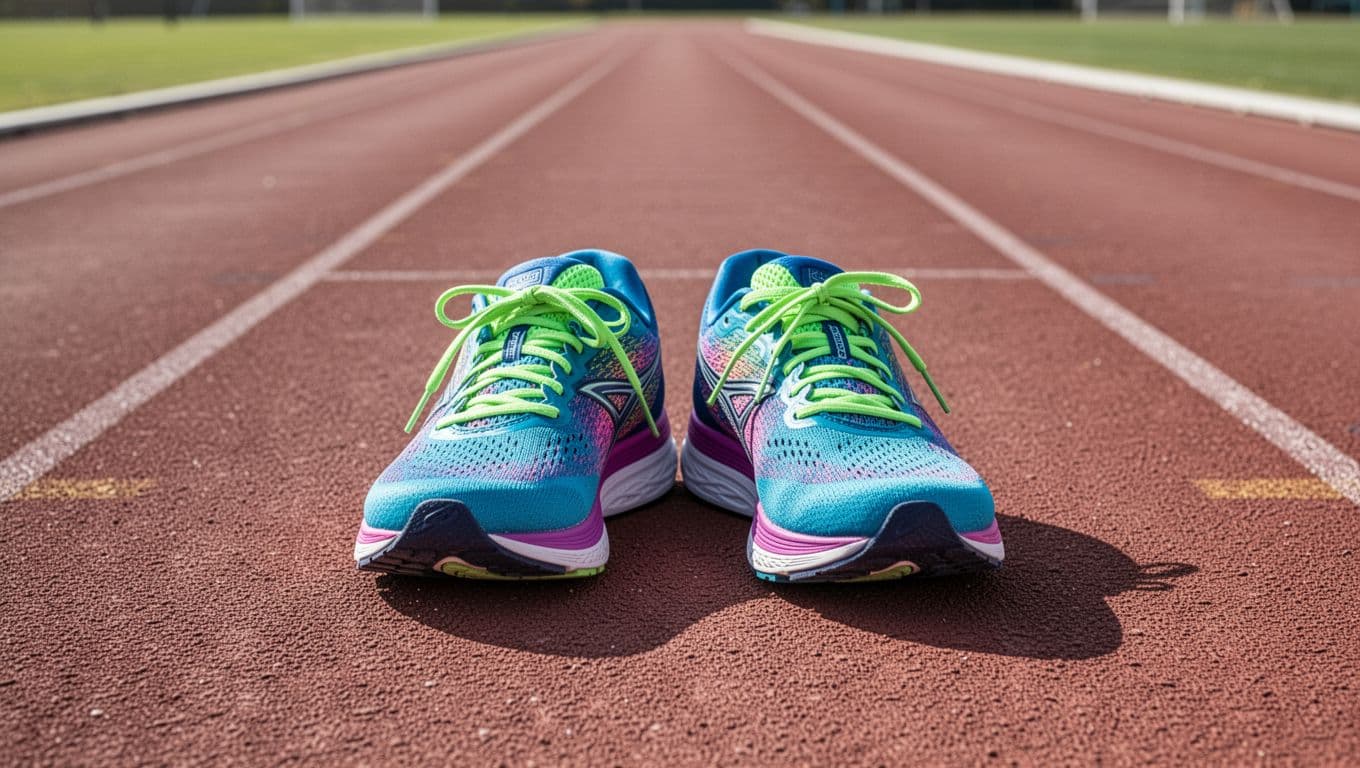
After spending time with the ASICS Noosa Tri 17 Stability, my takeaway is simple. I would not call it a pure stability shoe, but I would call it a smart daily trainer for runners who want a steadier ride with a lively feel. It gives me enough structure to stay comfortable on regular runs, yet it still feels quick enough to keep pace work interesting.
Where the shoe fits best in a weekly rotation
I see this shoe working best on easy runs, steady miles, and moderate tempo work. It feels calm when I want control, but it doesn’t lose its spark when the pace picks up. That gives it a useful place in a rotation, especially if I don’t want every run to feel like the same soft, heavy block underfoot.
It also makes sense for runners who like a lighter trainer with mild support. If you want a broader starting point for building a rotation, this practical running guide for beginners fits well with the kind of steady, low-drama mileage this shoe can handle.
For runners who need a simple comparison point, I would place it between a fast daily trainer and a more traditional stability model. The ride feels more guided than neutral shoes I use for relaxed miles, but less forceful than full-support trainers.
My final verdict on stability, comfort, and value
The ASICS Noosa Tri 17 Stability gives me a balanced mix of speed and guidance, and that is its main strength. The shoe stays composed on tired legs, tracks well on the road, and keeps enough energy in the ride to avoid feeling flat.
If I wanted one shoe that feels nimble on pace days and steady on ordinary runs, this would stay on my shortlist.
I would not choose it for maximum support or plush recovery comfort. I would choose it when I want a stable-feeling daily trainer that still has some bite. For a closer look at how earlier versions of the line handled cushioning and ride, the Noosa Tri 16 review from RunRepeat gives a useful reference point.
My final take is this, the Noosa Tri 17 works best for runners who want a balanced, energetic trainer with just enough stability to feel reliable day after day.


