

ASICS Noosa Tri 17 Sizing Guide: Fit, Width, and Lockdown
The ASICS Noosa Tri 17 sizing question matters because this shoe has a lively, performance-first feel, and the wrong size can throw off the whole ride. If you’re deciding between true-to-size, a half-size up, or a wider option, you’re in the right place.
This guide breaks down length, toe room, midfoot hold, heel lock, and how the shoe feels in real use, so you can buy with more confidence. If you want a broader look at the model before choosing a size, the ASICS Noosa Tri 17 review adds helpful context.
How the ASICS Noosa Tri 17 fits right out of the box
The ASICS Noosa Tri 17 feels ready as soon as you step in. The upper has a snug, race-day shape, but it doesn’t feel harsh or stiff. Most runners will notice a secure midfoot, a fairly standard heel, and a forefoot that gives enough room for natural movement without feeling baggy.
That mix makes the shoe feel quick and controlled. If you want a similar breakdown of the model’s ride and build, the ASICS Noosa review gives extra context on how the shoe performs once you’re moving.
Build Your Complete Race-Day Setup
The right shoe helps, but faster racing comes from better training, pacing, recovery, fueling, and execution.
More Guides for This Shoe
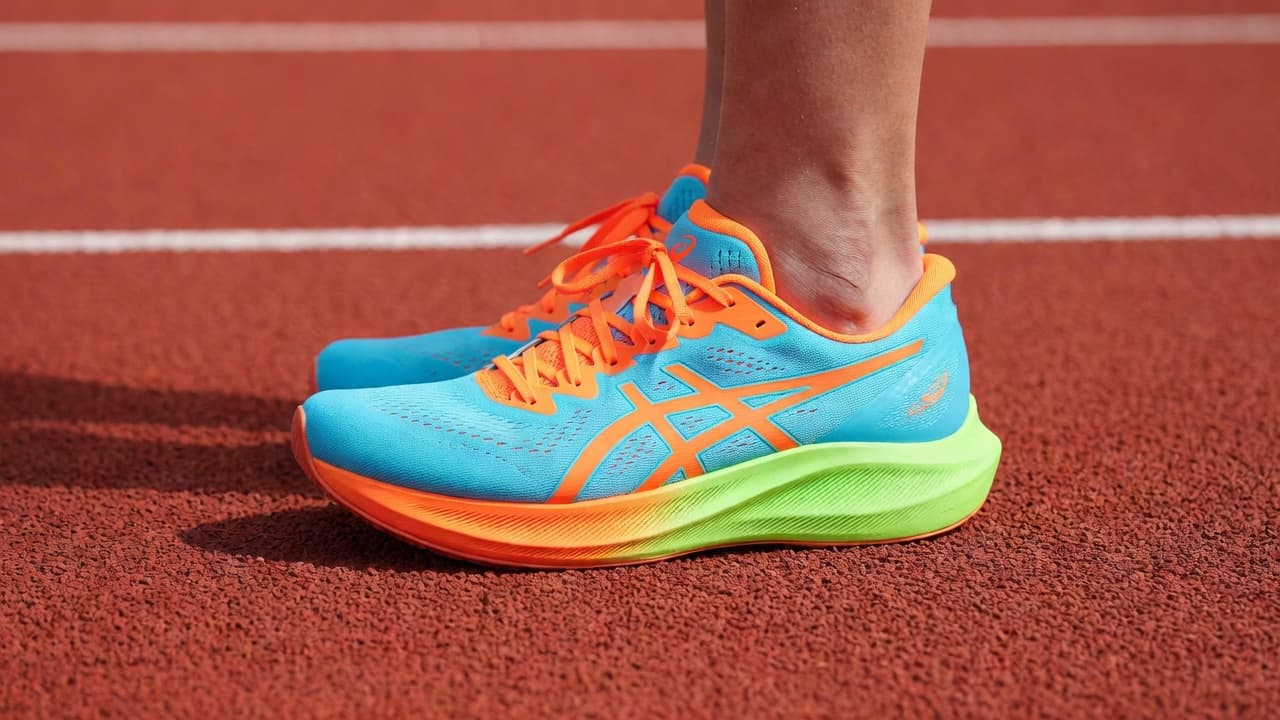
Does the Noosa Tri 17 run true to size?
For most runners, yes, the Noosa Tri 17 runs true to size. The fit feels closest to a standard performance trainer, so your usual running size is the best place to start. That makes sizing simple if you already know how ASICS fits your foot.
Still, a few factors can push you in a different direction. A wider forefoot, thick race socks, or a personal preference for more toe room may make a half-size up feel better. Runners with narrow feet may prefer the regular size because the shoe already holds the foot with a firm, close fit.
If you usually like a bit of extra space in the front, don’t size down. The shoe already has a race-ready shape, and shrinking the length can make the front feel too tight on longer runs.
What the toe box feels like on longer runs
The toe box gives you enough room for toe splay, but it still feels performance-focused. Your toes can spread naturally, yet the forefoot doesn’t feel loose or wide-open. That balance matters when the pace picks up, because a sloppy front end can make fast running feel less precise.
On tempo runs and race day, the fit helps keep your foot stable. It also matters for triathlon use, since feet often swell during hard efforts and after the bike leg. A toe box that starts off too tight usually feels worse by the final miles.
If you are between sizes and hate a cramped front end, the safer move is usually the larger size.
How the midfoot and heel lockdown affect fit
The midfoot is where the Noosa Tri 17 feels most secure. The upper wraps the foot closely, so the shoe holds steady when you turn over quickly or push through transitions. The heel also stays in place well, which helps the shoe feel locked in even if the toe box feels a little more relaxed.
That secure hold is a big reason the shoe works for faster running. Runners with slimmer feet often like this fit right away. On the other hand, runners with a high instep or a fuller midfoot may notice some pressure across the middle of the foot, especially if they tighten the laces too much.
The fit story is simple: snug in the middle, controlled in the heel, and just roomy enough up front. For many runners, that is exactly what makes the Noosa Tri 17 feel right out of the box.
ASICS Noosa Tri 17 sizing guide for different foot shapes
Foot shape changes the way this shoe feels more than many runners expect. The ASICS Noosa Tri 17 sizing choice can feel spot-on for one runner and a little off for another, even at the same length size.
That comes down to width, instep height, and how much toe room you want during hard efforts. A shoe that feels perfect on a narrow foot can feel tight on a fuller one, while a roomy forefoot can feel ideal for another runner.
Best choice for narrow, average, and wide feet
If you have narrow feet, the Noosa Tri 17 usually feels secure through the heel and midfoot, but you may notice extra space in the forefoot. That can actually be helpful if you like a bit of toe movement, yet it may feel less precise if you want a very snug race fit. Tighter lacing can help, but too much tension can make the top of the foot feel crowded.
For average-width feet, this shoe is often the best match. The shape feels close to true-to-size for many runners, with enough room up front and enough hold in the middle to keep the shoe stable at faster paces. If your feet usually fit standard road shoes well, this is the foot shape most likely to get along with the Noosa Tri 17 right away.
With wide feet, the story changes. The front of the shoe may feel limited if your forefoot spreads a lot when you run, especially on longer efforts or hot days. In that case, a half-size up may help, but some runners still prefer a different model with a roomier platform. According to REI’s fit advice, fit should leave enough space for toe movement without creating slip, and that rule matters even more when your foot is on the wider side.
If the forefoot feels squeezed before you even start running, the shoe probably isn’t the best match, no matter how good the length feels.
What to do if you wear orthotics or custom insoles
Orthotics and custom insoles change the inside volume of the shoe, so the Noosa Tri 17 sizing choice can shift fast once you add them. The removable sockliner gives you some flexibility, but inserts still take up space, especially if they are thick or have a raised heel cup. That can make a shoe that felt fine on foot feel tighter across the top once the insole goes in.
If you use orthotics, check how much room you need in the forefoot and under the arch. A supportive insert can improve alignment, but it may also reduce toe room a little, which matters on a lower-volume racing-style upper like this one.
The tradeoff is simple, more support often means less space, so you want to test both standing still and walking, not just slipping the shoe on for a quick feel.
A good fit with inserts should still let your toes move without pressure at the end of the shoe. If the insert makes the shoe feel cramped, a half-size up may solve the volume issue better than forcing the current size to work.
Sizing for men and women, and why conversion matters
Men’s and women’s sizing conversion can change the feel more than people expect. A size label looks simple, but the actual fit can shift when you move between gendered sizing, especially if you are comparing one brand to another. The same nominal size may not land the same way in the toe box or midfoot.
Sticking with your usual ASICS size is a smart starting point, but it is not perfect if you are switching from a different brand or a different shoe type.
A road trainer, a racer, and a triathlon shoe can all fit differently even when the size tag matches. If you already know your ASICS size, use that as your baseline, then adjust only if your foot shape or insert choice calls for it.
When conversion is involved, pay attention to these fit clues:
- Length: Check whether your toes have a thumb’s width of space.
- Width: Make sure the forefoot does not press against the sidewall.
- Upper volume: Watch for pressure over the instep, especially with higher-volume feet.
- Lockdown: Heel and midfoot hold should feel secure without over-tight lacing.
A small size change can improve one part of the fit and hurt another. That is why the best ASICS Noosa Tri 17 sizing decision usually comes from your foot shape first, not just the number on the box.
Comparing the Noosa Tri 17 to other ASICS racing shoes
The ASICS Noosa Tri 17 sizing choice makes more sense once you compare it to other ASICS racers. Some models feel snug and stripped down, while others give you more cushion or a softer step-in feel. That changes how much room you want, how much hold you expect, and whether your usual size still feels right.
Noosa Tri 17 vs. Magic Speed for fit and feel
The Noosa Tri 17 and Magic Speed both lean fast, but they do it in different ways. The Noosa feels a bit more lively and open in the forefoot, while the Magic Speed usually feels more structured and race-focused through the middle of the foot.
That difference matters for sizing. If you like a locked-in upper with less movement, the Magic Speed may feel tighter at the same size. If you want a touch more toe room and a less rigid upper, the Noosa Tri 17 often feels easier right away.
The two shoes also suit different goals. The Magic Speed is built for sharper sessions and firmer turnover, so runners often expect a closer, more direct fit. The Noosa Tri 17 is still quick, but its upper feels a little more forgiving, which can make your normal size feel safer if you hate a cramped front end.
For runners comparing the two, the question is simple: do you want a race shoe that hugs the foot, or one that gives a bit more space to move? If you already know your size in a tighter ASICS racer, the Noosa Tri 17 may feel slightly easier to live in.
Noosa Tri 17 vs. Superblast for everyday comfort
The Superblast is the more cushioned choice, and that changes the fit experience right away. It feels softer underfoot and more forgiving across long runs, while the Noosa Tri 17 feels sharper and more energetic when you pick up the pace.
That extra comfort often makes the Superblast feel roomier to some runners, especially in the forefoot. By comparison, the Noosa Tri 17 has a more performance-first upper, so it can feel snugger through the midfoot even when the length is similar.
If you are moving from the Superblast to the Noosa, expect less plushness and a more direct hold. If you are moving the other way, the Superblast may feel like it gives your foot more breathing room, which can make it a better pick for easy miles and longer days on your feet.
If you want comfort first, the Superblast usually feels more forgiving. If you want a quicker, more exact fit, the Noosa Tri 17 stays truer to a race-day feel.
For runners comparing daily comfort and fit, the ASICS Novablast 6 vs Superblast 2 comparison helps show how ASICS separates its softer training shoes from its more aggressive options.
Noosa Tri 17 vs. Novablast for step-in fit
The Novablast is the easier shoe to step into if you like a soft, relaxed upper. It usually feels less aggressive out of the box, so runners coming from that shoe may find the Noosa Tri 17 noticeably firmer and more precise around the foot.
That change can affect your size choice. If you wear the Novablast with a little extra room for comfort, the Noosa Tri 17 may push you toward a half-size up, especially if you have a wider forefoot or prefer a less exact fit.
On the other hand, if you like your shoes snug, you may be able to stay with your usual size and enjoy the more secure hold.
The biggest difference is feel, not just length. The Novablast gives you a softer step-in fit that can hide small fit issues, while the Noosa Tri 17 asks for a better match from the start. That is why runners moving between the two should not assume the same size will feel identical.
If you already know the Novablast feels roomy on you, pay close attention to the midfoot in the Noosa. A fit that feels fine standing still can feel very different once you start running fast. For more background on the shoe family, the Magic Speed 5 versus Novablast 6 breakdown also shows how ASICS adjusts fit across faster and softer models.
How the upper, tongue, and lacing shape the fit
The ASICS Noosa Tri 17 sizing question goes beyond length. The upper, tongue, and lacing all shape how the shoe feels once your foot is inside, and they can change a good fit into a great one, or a annoying one.
That matters because small fit issues often show up in motion, not while standing still. A shoe can feel fine in the store, then start pressing on the forefoot, top of foot, or heel once you pick up the pace.
Upper stretch and hot spots to watch for
The upper on the Noosa Tri 17 has some give, but it still feels tuned for speed. The forefoot usually feels a bit more flexible, while the midfoot and eyelet area feel firmer and more structured. That mix helps the shoe hold shape, but it can also create pressure if your foot is fuller in those areas.
The most common hot spots show up near the base of the toes and across the midfoot. If the forefoot feels snug before your run even starts, that tightness can turn into rubbing when your feet swell. If the midfoot feels wrapped too hard, the shoe may feel secure for the first mile, then distracting after that.
That is where true to size versus half size up becomes a real choice. True to size usually works if you want a close race fit and your foot does not spread much. A half size up can help if you feel pinching across the forefoot, or if the upper presses on the middle of the foot.
For runners with wider forefeet, a little extra length can ease pressure without changing the shape of the shoe too much. For runners with narrow feet, though, going up a half size may create too much room in front and reduce that fast, connected feel.
If the upper feels tight when you are standing still, it usually feels tighter once you run.
Tongue comfort and lace pressure on the top of the foot
The tongue plays a bigger role than many runners expect. In longer efforts, a thin or poorly placed tongue can let the laces dig into the top of the foot, while a better-padded tongue helps spread pressure more evenly. That matters most when your feet swell, which they often do on longer runs and brick sessions.
The Noosa Tri 17 aims for a snug, fast fit, so the laces can feel direct. If you cinch them down too hard, the top of the foot may start to ache, especially near the instep. Runners with high insteps often notice this first, because there is less room between the foot and the upper.
If that sounds familiar, start by loosening the laces slightly over the middle rows. You can also re-thread the laces to reduce pressure points, which helps if one spot feels sharp while the rest of the shoe feels fine. REI’s lacing guide gives a useful example of how small lace changes can relieve pressure without changing shoe size.
A few fit clues help here:
- Soft pressure across the top of the foot usually means the lacing is close, but not ideal.
- Sharp pressure at one point means the shoe may need a lace adjustment or more volume.
- Numbness or tingling means the top of the foot is too compressed.
If you have a sensitive instep, a half size up may buy you the extra volume you need. Still, if the rest of the shoe fits well, trying a different lacing pattern first can solve the problem without sacrificing lockdown.
Heel hold and why it matters in triathlon transitions
Heel hold matters in triathlon because speed starts before you settle in. A secure heel makes the shoe easier to slip on, and it keeps the foot planted when you jump into the run after the bike. If the heel slides, you lose time and confidence at the same time.
The Noosa Tri 17 should feel snug around the heel without biting into the Achilles. When the size is right, your heel stays put, the midfoot feels steady, and you do not need to crank the laces down just to keep the shoe in place. That balance is important, because over-tightening often fixes one problem and creates another.
In race use, a good fit feels like this:
- The heel settles quickly when you step in.
- The foot does not lift when you jog or corner.
- The upper holds the midfoot without pressure spikes.
- The forefoot still has enough room for toe spread.
If you feel heel slip, the shoe may be too long or too roomy through the rear half. On the other hand, if the heel feels locked in but the top of the foot burns, the size might be fine and the lacing just needs adjustment. For race day, that distinction matters, because a secure heel helps the whole shoe feel calmer when fatigue sets in.
A proper Noosa Tri 17 fit should feel close, stable, and ready to move, with no extra flutter in the heel and no squeeze across the top of the foot.
When you should size up, size down, or stay true to size
The safest ASICS Noosa Tri 17 sizing choice depends on how you want the shoe to feel in motion. If you want a sharp race fit, your regular size usually works.
If you need more room for swelling or toe spread, a half-size up is the better call. Sizing down is rare, and only makes sense for runners who already know they like a very close fit.
How to choose running shoe size can help if you want a broader fit checklist before you decide. For a good baseline, the shoe should feel secure without pinching, especially in the midfoot and toe area.
Choose true to size if you want a balanced race fit
Go with your normal size if you want the most dependable all-around fit. This is the best choice for runners who like a snug upper, steady heel hold, and enough toe room to stay comfortable without extra space.
True to size usually works well if:
- your current ASICS shoes fit well in the same size
- you have average-width feet
- you want a performance fit for tempo runs or triathlon use
- you don’t like your foot sliding around in the shoe
That setup gives you the closest match to the shoe’s intended feel. It keeps the Noosa Tri 17 quick and controlled, while still leaving enough room for natural foot movement. If your current shoes already feel dialed in, there is no reason to chase extra space you may not need.
Go half a size up if you need more toe room
A half size up is the most common adjustment. It makes sense if your toes feel close to the front, if your feet swell on long runs, or if you want a little more room for toe splay.
That extra space helps most when:
- you run longer distances
- you wear slightly thicker socks
- your forefoot spreads a lot under load
- you want less pressure in the front of the shoe
- you prefer a less locked-in feel for racing or training
The Noosa Tri 17 already has a race-ready shape, so sizing up can keep it comfortable without making it feel sloppy. For many runners, that small change is enough to prevent hot spots and toe pressure later in the run. Fleet Feet’s running shoe fit basics also points to thumb-width toe room as a good fit check, and that rule fits this shoe well.
If you feel close to the front while standing still, the issue usually gets worse once you start running.
Consider sizing down only if you are between sizes and want a very snug fit
Sizing down is the least common option. It only makes sense if you’re between sizes, have narrow feet, and want a very close race-day fit with minimal movement inside the shoe.
This choice can work when:
- you know the next size up feels too roomy
- your feet are narrow and low-volume
- you want a firmer, tighter feel for short races
- you do not need extra toe space for swelling
Be careful here, because the Noosa Tri 17 is already shaped with a performance fit. Going smaller can make the toe box feel cramped fast, especially on longer efforts or in warm weather. If you’re unsure, stay with the larger size rather than forcing a tight fit to work. A secure shoe should feel like it follows your foot, not like it squeezes it.
For a quick external reference on fit, five easy shoe-fit tests can help you confirm whether the length and lockdown feel right before you commit.
Final fit check before you buy the ASICS Noosa Tri 17
Before you place the order, run a quick fit check that covers more than length alone. The Noosa Tri 17 should feel snug, but it should never feel crowded, unstable, or hot in one spot.
Use your normal running socks if you have them, then stand, walk, and jog a little. Small issues on paper can turn into big ones on the run, so this is the best time to catch them.
A good starting point is to compare the shoe against your usual size and your foot shape, then use a simple on-foot test. If you want a broader reference for sizing, the ASICS sizing guide for runners can help you line up your measurements before you buy.
Simple signs the fit is too tight
Tightness shows up fast in this shoe when the front of the foot has too little room. The most obvious signs are toe rubbing, pressure on the sides of the forefoot, numbness, and a pinched feeling over the arch or instep.
Watch for these warning signs:
- Toe rubbing when you bend or push off
- Numbness or tingling across the top of the foot
- Arch pressure that feels sharp instead of snug
- A cramped forefoot that pushes your toes together
- Heel slip caused by crowding, not by a loose fit in the back
That last point matters. Sometimes the heel slips because your foot is shoved too far forward, which leaves no room for natural movement. In that case, the shoe is too short or too narrow, and tightening the laces only hides the problem.
If the fit feels fine at first but gets worse after a few minutes, trust that signal. Running warms the foot, and a shoe that feels close in the store can feel much tighter once you move.
Simple signs the fit is too loose
Too much room feels just as obvious once you know what to look for. Your foot should stay centered in the shoe, with only a small amount of natural movement. If it slides, drifts, or feels like it is swimming inside the upper, the fit is too loose.
Common signs include:
- Sliding forward on downhills or hard stops
- Extra space above the toes that feels empty, not comfortable
- Side-to-side movement during turns or quick direction changes
- Heel lift that keeps coming back even after re-lacing
- A sloppy forefoot that makes the shoe feel less precise
Loose fit also shows up in cornering. If the shoe twists under you or feels vague when you pivot, that usually means the midfoot or heel does not hold well enough. For a fast shoe like the Noosa Tri 17, that can make the ride feel less controlled.
If you want a simple outside reference, REI’s running shoe fit advice gives a good baseline for toe room and heel hold. The same rule applies here, snug in the middle, room up front, no sliding.
The best way to test fit on a short run
Try the shoe on when your feet are warm, then do a short run or jog around the block. A shoe can feel different after a few minutes of running compared with standing still, and that change tells you a lot.
Use this quick routine:
- Put the shoes on with the socks you plan to wear most often.
- Walk for a minute, then jog for 5 to 10 minutes.
- Check whether your toes still have room when you push off.
- Notice any heel lift, arch pressure, or hot spots.
- Make one quick turn, then a few faster strides to test lockdown.
Pay attention to comfort after the first few minutes, not just the first step. The right size should feel secure without forcing your foot into one fixed position.
If the shoe feels fine standing still but tightens once you run, it usually needs more room, not more lacing.
For online shoppers, this test is the closest thing to a real store try-on. For in-store buyers, it helps you decide before the fit starts to blur in your head. A clean running shoe fit test is simple, but it saves a lot of guesswork before you commit.
Conclusion
For most runners, the ASICS Noosa Tri 17 sizing choice is simple, stay true to size if you want the intended fit. The shoe has a snug midfoot, a secure heel, and enough room up front for most average feet.
If you want more toe space, or you know your feet swell on longer runs, a half size up is the safer call. Pay close attention to toe room and midfoot hold, because those two details decide whether the shoe feels fast and controlled or just too tight.
Use your normal running socks, check for pressure points, and trust the fit once you move. If the Noosa Tri 17 matches your foot shape, it gives you a sharp, race-ready feel without much guesswork.


