

ASICS Megablast Review: The Best Cushioned ASICS Yet?
If you want a soft, bouncy, high-stack shoe that still feels easy to wear on daily miles, the ASICS Megablast deserves a close look. It’s built for runners who care about cushion first, but still want a ride that feels lively instead of dull.
This review breaks down the parts that matter most: comfort, fit, ride feel, and how the shoe performs when you pick up the pace or settle in for longer runs. It also helps put the Megablast in context with shoes like the ASICS Superblast 3 review, so you can see where it fits and who it suits best.
What the ASICS Megablast is and who it is built for
The ASICS Megablast is a max-cushion running shoe with a lively feel underfoot. It gives you a soft platform for daily miles, but it still tries to keep the ride from feeling flat or heavy.
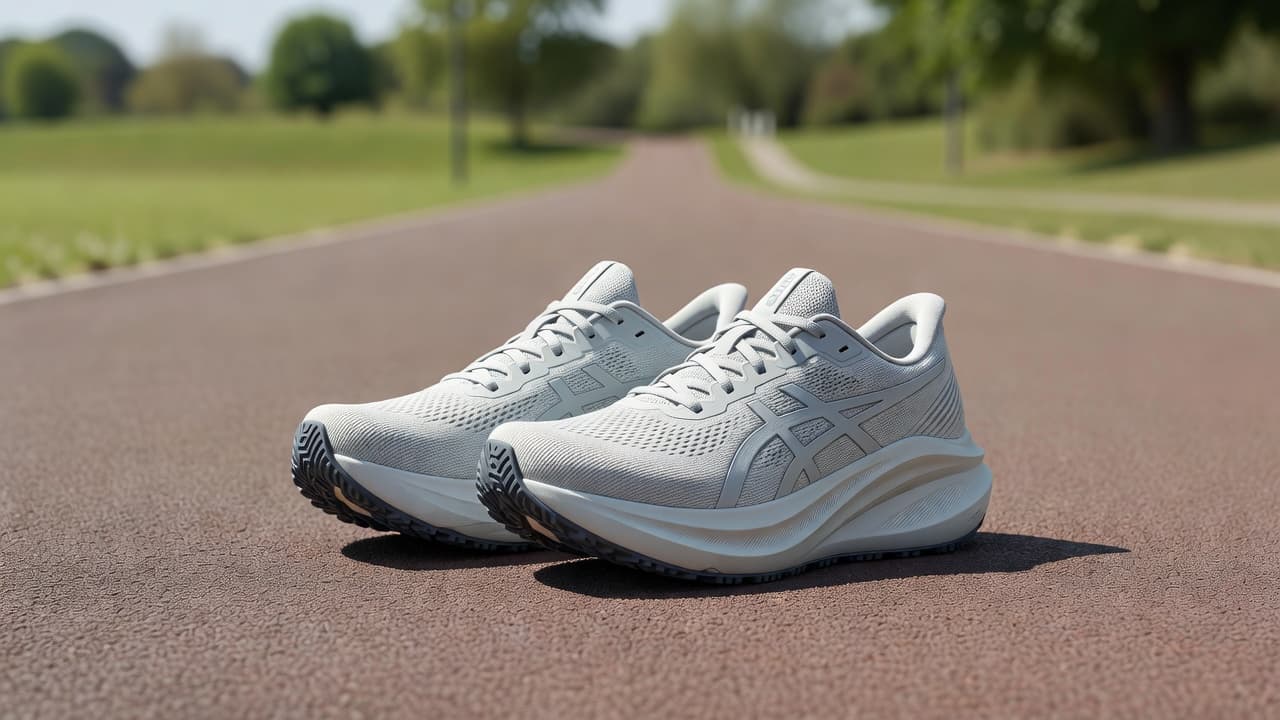 ASICS built it for runners who want comfort first, yet still want some pop when their pace changes. That puts it in a useful middle ground for training, especially if you like a soft landing without a dead, mushy feel. ASICS also places the Megablast inside its bounce-focused line, which gives you a good hint at its personality, as the brand explains in its guide to bounce shoes.
Build Your Complete Race-Day Setup
The right shoe helps, but faster racing comes from better training, pacing, recovery, fueling, and execution.
More Guides for This Shoe
Where it sits in the ASICS running shoe family
The Megablast is not the shoe you pick when you want a sharp, race-day feel. It sits closer to the comfort end of the ASICS family, with a focus on cushioning, smooth transitions, and easy mileage.
Compared with more traditional trainers, it feels more playful and more protective. Compared with speed-focused models, it gives up some snap and ground feel in exchange for a softer ride. If the ASICS Gel Cumulus 27 review is a reminder of what a steady daily trainer feels like, the Megablast pushes further toward plushness and bounce.
That makes it a trainer first, but one with a clear comfort bias. It is built for runners who want one shoe that can handle a lot of everyday use, especially when the goal is to keep the legs fresh.
The type of runner most likely to like it
The Megablast makes the most sense for runners who value softness, stack height, and a forgiving landing. If you run easy miles, long runs, or recovery days, this shoe fits that routine well.
It can also be a smart choice for newer runners who want a stable, cushioned feel while they build fitness. Heavier runners may appreciate the extra protection too, since a high-cushion shoe can take some of the sting out of longer outings.
Runners who like a smooth, rolling transition will probably enjoy it most. Still, faster runners may also like it if they want a cushioned trainer for daily work. For a frame of reference, the ASICS Novablast 7 review shows how ASICS often blends bounce with everyday usability, and the Megablast leans even harder into that comfort-first feel.
If you want one shoe that makes easy miles feel less harsh, the Megablast is built for that job.
A simple way to think about it is this:
- Easy runs feel natural in it.
- Long runs get plenty of protection.
- Recovery days feel less punishing.
- Faster workouts are possible, but they are not the main focus.
That mix makes the ASICS Megablast appealing to runners who want maximum cushioning without losing all sense of energy underfoot.
ASICS Megablast ride feel: soft, bouncy, and easy on the legs
The first thing you notice about the ASICS Megablast is how calm it feels at landing. The cushioning takes the edge off the road, then gives a little energy back instead of just sinking and staying there.
That matters on runs that stretch out past the first few miles. A shoe with this kind of feel can keep your legs from feeling beaten up, while still giving you enough pop to stay interested.
How the midsole feel changes the run
The midsole is where the Megablast makes its biggest case. It feels soft underfoot, but not flat, so each step has a bit of life to it. That balance helps easy miles feel smoother, because your feet do not have to fight a harsh landing every time they hit the ground.
On longer runs, that comfort can add up fast. Less pounding means less fatigue, and a shoe like this can help you stay relaxed late in the run. ASICS builds much of that feel into its foam and cushioning setup, which the brand explains in its shoe technology overview.
What the transition feels like from heel to toe
The Megablast moves in a way that feels smooth and easy to manage. There is enough of a rolling sensation to help guide the stride, so you do not have to think much about each step. For relaxed runs, that makes the shoe feel efficient without feeling pushy.
When you pick up the pace a little, the transition stays friendly. The shoe does not force a fast turnover, but it encourages one. That can be useful on steady efforts, where you want a rhythm that feels controlled and light on the legs.
The best part of the ride is how it keeps you moving forward without asking for much extra work.
Runners who like a natural, flowing stride will probably appreciate that most. If you enjoy shoes that help you settle in and keep moving, the Megablast fits that pattern well. It feels built for smooth miles, not for sharp, aggressive racing.
Stability, balance, and road confidence
A tall cushioned shoe can sometimes feel wobbly, especially on uneven roads or tighter turns. The Megablast handles that better than many max-cushion shoes, but it still keeps the soft ride at the center of the experience. That means you get comfort first, with stability that is good enough for normal road use.
During easy straight-line running, the shoe feels secure and predictable. On turns and pace changes, it remains composed as long as you stay within a normal training effort. Fatigued-leg miles are where this balance matters most, because the shoe keeps the ride cushioned without making you feel like you are fighting the platform.
There is still a tradeoff. More softness usually means a little less firmness underfoot, and the Megablast follows that pattern. If you want a very planted, locked-in feel, this may feel more forgiving than firm. If you want a shoe that protects your legs and still feels lively, that tradeoff makes sense.
For a quick view of how it stacks up on the road, the feel breaks down like this:
- Easy runs feel smooth and low stress.
- Long runs feel protected and less draining.
- Steady efforts feel controlled with some bounce.
- Sharp turns need a little more attention than in a lower, firmer shoe.
That is the key to the ASICS Megablast ride feel. It gives you plush comfort, useful rebound, and enough balance to stay confident on daily miles.
Upper, fit, and lockdown in the ASICS Megablast
The upper of the asics megablast strikes a balance between plush comfort and structural integrity. Since this is a high-cushion trainer, the brand prioritizes a forgiving fit that accommodates runners during longer efforts. You will find that the materials feel soft against the skin, while the engineering of the mesh provides enough structure to hold your foot steady over uneven pavement.
How the upper should feel on a normal run
When you first step into the asics megablast, the immediate impression is one of generous padding. The tongue and collar area feature substantial foam, which cushions the ankle and top of the foot. You get a soft, secure wrap that avoids feeling restrictive or tight.
Breathability is another factor that stands out during consistent daily training. The engineered mesh allows for steady airflow, keeping the foot temperature manageable even on warmer days. If you have wider feet or higher-volume arches, you will likely appreciate the forgiving nature of the forefoot.
The toe box provides enough room for natural toe splay, preventing the cramped feeling that can occur during long, late-run foot swelling. While some runners prefer a more snug, race-ready fit, this model leans toward a relaxed, accommodating environment that keeps you comfortable from mile one to mile twenty.
Heel hold and midfoot security
Confidence on the road depends largely on how well your shoe secures your foot, especially at the heel. The asics megablast uses a structured heel counter to anchor your stride, preventing unwanted slipping during faster efforts. This locked-in feel is essential for a shoe with this much stack height, as it ensures your foot stays centered over the foam platform.
The midfoot construction also plays a big role in overall confidence. The lacing system works with the internal gusset to pull the upper flush against your midfoot, creating a stable connection.
You will notice that the lockdown feels supportive without creating pressure points. This security allows you to corner with confidence, knowing the shoe moves as one unit with your foot. Whether you are navigating a sharp turn or cruising down a straight path, the consistency of the hold makes the ride feel predictable and smooth.
Sizing advice and fit tips to consider
Finding the right size is the first step toward getting the most out of your training gear. Most runners find that the asics megablast runs true to size. If you usually wear a specific size in other daily trainers, you will likely find the same fit here.
However, consider your typical routine when choosing your pair. If you often run long distances where your feet naturally swell, some runners prefer going up a half size. This extra space helps maintain comfort during the final miles of a marathon-length run.
You should also check that you have about a thumb’s width of space between your longest toe and the front of the shoe. If you tend to use thicker running socks, take that into account during your try-on session. Taking a moment to ensure you have enough room for natural movement can save you from blisters and unnecessary discomfort down the road.
How the outsole and durability affect everyday use
The bottom of a shoe is often the most overlooked part, yet it dictates your safety and how long your investment lasts. When you choose a max-cushioned trainer like the ASICS Megablast, you need a base that provides enough grip for daily road miles while standing up to the friction of pavement. Understanding how the rubber compound and coverage patterns interact with the ground will help you predict exactly how the shoe will perform as the miles climb.
Road grip in dry and wet conditions
Traction is rarely an issue on dry, clean pavement, but your needs change as soon as a light drizzle makes the road surface slick. A reliable daily trainer requires a balance of rubber density and surface geometry to prevent slipping during the push-off phase.
The ASICS Megablast uses a strategic outsole layout that grips well on standard asphalt and concrete paths, giving you confidence when you navigate corners or accelerate on routine training runs.
If you frequently run in light rain or on damp morning surfaces, you will notice the shoe maintains solid contact. The pattern channels water away from the impact zone, which is a feature you want when the path is not perfect.
While this is not a dedicated trail shoe for deep mud, it holds its own on wet park paths and painted road lines. You should feel secure enough to keep your normal pace without worrying about sliding. If your local routes often feature slick transitions between materials, you will appreciate how the outsole geometry keeps your stride steady.
What to expect from long-term durability
Outsole coverage is a major factor in how many miles you can squeeze out of a pair of shoes. Because the ASICS Megablast uses high-stack foam, the protective layer on the bottom must be durable enough to guard that foam against the abrasive nature of the road. You can expect the high-wear areas, specifically the outer heel and the forefoot push-off zone, to show expected signs of use after a few hundred miles.
The foam itself also plays a role in the total lifespan of the shoe. When you use the same pair for several runs each week, the midsole material needs time to recover its shape between outings. A runner who logs high mileage should keep an eye on the midsole compression as much as the rubber tread. Once the cushioning starts to feel inconsistent or bottomed out, it is usually a sign that the shoe has reached the end of its effective life.
Best surfaces for the Megablast
The design of this shoe makes it a clear winner for road running and smooth, paved paths. It handles the consistent, flat surface of a treadmill well, too. The cushioning and rubber work together to provide a stable platform that absorbs impact on these harder surfaces without feeling dull or unresponsive.
However, you should avoid using the ASICS Megablast on technical trails or terrain with loose gravel and jagged rocks. The high-stack design is meant for stability on predictable ground, and it lacks the rock plate protection or aggressive lugs required for uneven terrain. If you take this shoe onto a rough trail, the outsole rubber may wear down faster than normal. Stick to roads, tracks, and groomed paths to get the best performance and the longest possible life out of your pair.
How the ASICS Megablast compares to other max-cushion trainers
Choosing a high-cushion trainer often feels overwhelming because so many brands now focus on maximalism. The ASICS Megablast fits into this competitive landscape by offering a distinct blend of plush landings and energetic rebound. When you compare it to other daily trainers, you see how it tries to bridge the gap between pure comfort and the desire for a lively ride. Understanding these differences helps you decide if it matches your specific training needs.
Compared with softer daily trainers
Many daily trainers prioritize a pillow-like feel above everything else. These shoes focus on protecting your feet during high-volume weeks, often at the cost of responsiveness. The ASICS Megablast feels different because it refuses to trade away all of its ground-feel and pop for pure softness.
While a standard plush trainer might feel somewhat dead or heavy, the Megablast keeps things interesting. It offers the protection you expect from a high-stack model but includes a bouncy midsole compound that keeps your legs moving.
You still get the benefit of impact reduction on tired recovery days, yet the shoe doesn’t feel like you are running through mud. If you currently rotate through shoes like the ASICS Gel-Nimbus 27, you will notice the Megablast leans more into a springy, active sensation. It is a premium upgrade for those who want their easy miles to feel less sluggish.
Compared with plated or super-trainer options
The market is currently flooded with “super-trainers” that use carbon or nylon plates to force speed. These shoes are often designed for tempo runs or intense intervals, making them aggressive and demanding on your daily routine. The ASICS Megablast sits in a different lane. It lacks the rigid, snap-your-toes-off feel of a dedicated speed shoe, which is actually a benefit for most of your training.
Instead of trying to force a fast turnover, the Megablast allows you to find your natural rhythm. It is a more forgiving option for your everyday mileage compared to plated racers that require high speeds to feel efficient. While it might not be your first pick for a track workout, it is much more versatile for the bulk of your weekly volume. You get a ride that remains smooth at varying paces without the fatigue-inducing stiffness that often accompanies carbon-plated equipment.
Compared with other ASICS models
ASICS has a deep lineup of training shoes, which can make it hard to spot the unique appeal of the Megablast. You can think of it as a middle ground within the brand’s current range. It combines the approachable, bounce-heavy nature found in other popular models with a higher stack of cushioning to increase long-distance comfort.
If you are already familiar with the ASICS catalog, it helps to see where the Megablast overlaps:
- Weight and stack: It is heftier than speed-oriented models but offers a more stable platform than some of the lighter, minimal trainers.
- Speed: It is less aggressive than the specialized race models but faster than the most traditional, heavy-duty recovery options.
- Purpose: It targets runners who want one do-it-all trainer that handles long runs as well as it handles short, daily recovery sessions.
Ultimately, the Megablast sits between the ultra-stable, heavy-duty cruisers and the razor-sharp speed shoes. It is the choice for runners who want a plush environment that doesn’t feel like a compromise on the days you want to pick up the tempo. If you want a deeper look at how other options in the family stack up, checking out the ASICS Superblast 3 review will provide a clear contrast in ride quality and intended use.
Should you buy the ASICS Megablast?
Deciding whether the ASICS Megablast belongs in your shoe rotation comes down to your personal preferences and training goals. It is a capable, high-cushion trainer that performs best for runners who want a mix of softness and energy return during daily miles. If you value a forgiving ride that protects your legs without feeling mushy, this shoe is a strong candidate for your next purchase.
Key reasons to buy
The most compelling reason to choose this model is its versatility for high-volume training. It handles the bulk of your weekly miles while keeping your legs feeling fresh. You will likely enjoy the experience if your routine includes many easy runs, long weekend efforts, or recovery days where you want to minimize impact.
Consider adding the Megablast to your closet if you value these specific qualities:
- Plush landing: The high-stack foam effectively absorbs the repetitive shock of asphalt and concrete.
- Consistent bounce: It avoids the dead, heavy sensation common in some max-cushion trainers.
- Natural transition: The rocker geometry keeps your stride moving forward effortlessly.
- Accommodating fit: The upper provides enough room for comfort even as your feet swell over time.
When to look for another option
While the Megablast is a well-rounded shoe, it is not the perfect match for every runner. If you prefer a firm, ground-connected feel, you might find the stack height distracting or too soft for your liking. Similarly, runners who want a featherlight racing flat or a minimalist shoe will probably find this model feels like too much shoe.
You might want to skip this purchase if you fall into any of these categories:
- Preference for ground feel: If you like feeling the texture of the road, the deep cushioning of the Megablast may isolate you too much.
- Need for maximum stability: For runners who require significant guidance or support features, this neutral platform might not offer enough stability for long-term use.
- Speed-focused training: If your priority is crushing track intervals or short, high-intensity sprints, a lighter and more responsive model will serve you better.
- Budget constraints: If the price point is higher than your current target, there are other reliable daily trainers that offer similar protection at different price tiers.
Ultimately, this shoe is an excellent daily workhorse. It shines in the middle ground between comfort and performance. If you currently feel like your training is taking a toll on your joints or you simply want a more enjoyable ride during routine runs, the Megablast provides a clear path to better comfort. Check your specific arch needs and desired cushion level, and you will likely find that this shoe delivers a reliable, high-quality experience for your daily training.
Conclusion
The asics megablast finds a sweet spot for runners who want reliable cushion without sacrificing a lively feel. It is a capable trainer that keeps your legs feeling fresh on high-mileage weeks while providing enough response for tempo efforts. If you value a soft landing, a secure fit, and a smooth transition, this shoe handles those demands with ease.
You should consider this model if you want one reliable workhorse for your daily training. It serves you well on easy days, long runs, and recovery sessions where comfort is the priority. Since it balances plush protection with a responsive ride, it avoids the dull sensation found in many other max-cushioned shoes.
The best way to know if this fit is right for you is to test it during your regular weekly volume. Whether you are building base fitness or logging long miles for a goal race, the comfort of this platform makes every step feel more manageable. Focus on your preferred feel and how it supports your daily stride to decide if this is your next go-to trainer.


