

ASICS GT 3000 14 Review: Stable Support for Daily Miles
The ASICS GT 3000 14 matters if you want a stable daily trainer that still feels light enough for regular runs. It’s built for runners who need support, but don’t want a shoe that feels bulky or stiff.
If you’re choosing between everyday stability options, the details matter fast, especially fit, cushioning, and how the shoe handles longer miles. This review looks at those pieces closely, then compares the GT 3000 14 with other daily trainers, including options like the ASICS GT-1000 14 performance overview.
By the end, you’ll know where the GT 3000 14 fits, who it suits best, and whether it belongs in your rotation.
What the ASICS GT 3000 14 is built to do
The ASICS GT 3000 14 is built for runners who want steady support in a daily trainer. It gives you a guided, controlled feel without turning the ride into a brick. That makes it a good fit for everyday mileage, easy pace work, and longer runs where form can get sloppy late in the run.
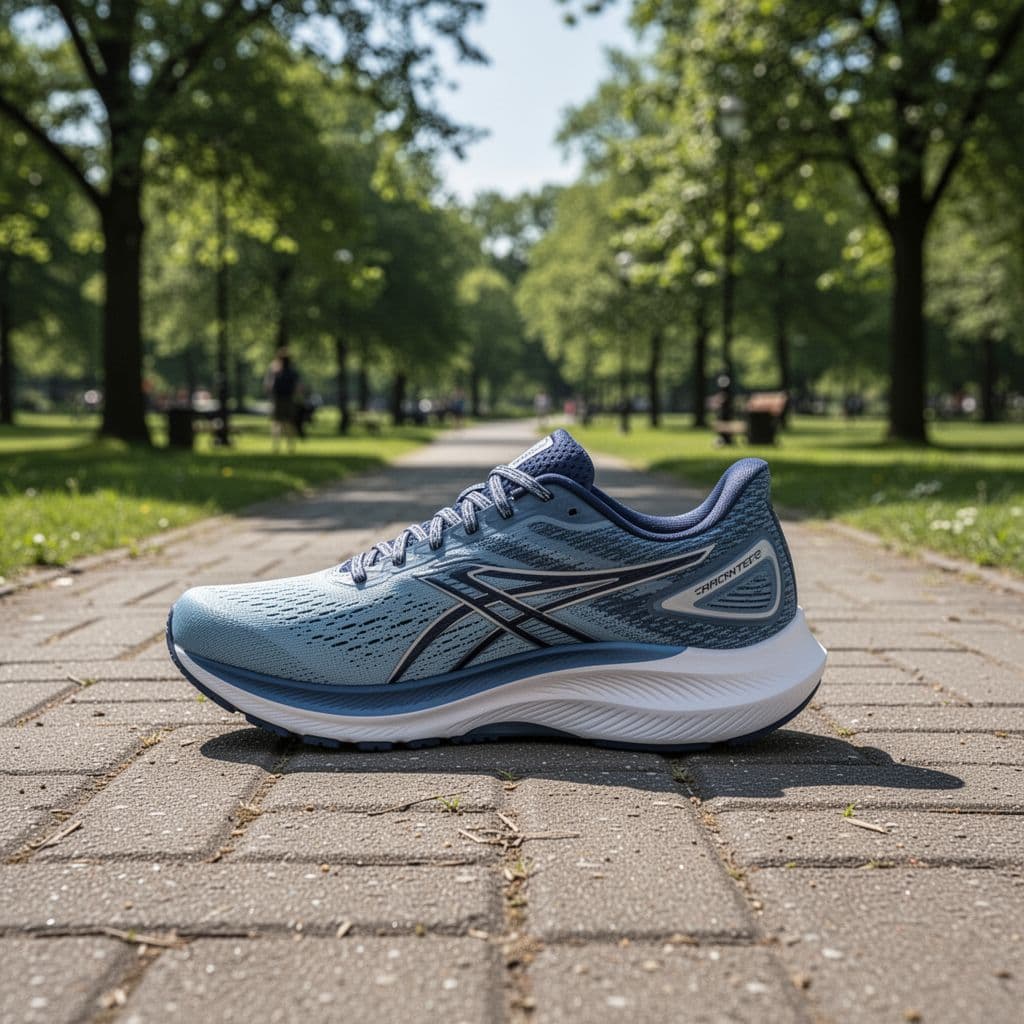
ASICS places this shoe in its stability lineup for runners who need more structure than a neutral shoe offers, but less bulk than a max-support model. In plain terms, it is there to help your stride stay on track when your feet or ankles want to drift inward. If you want a stable base that feels useful on repeat runs, this shoe makes sense.
Who this shoe is best for
The GT 3000 14 fits runners who want mild to moderate stability for daily training. It works well if you overpronate, or if you simply like a shoe that feels secure underfoot from the first mile to the last.
It also makes sense for runners who want a predictable ride. You get a stable platform, a smooth transition, and enough cushioning for regular road miles. That mix helps on easy days, recovery runs, and longer efforts when you want support without a harsh feel.
This shoe may not be the right pick if you want a very soft maximal trainer. It also may feel too structured for runners who prefer a flexible neutral shoe that bends and moves freely. If your top priority is a plush, sink-in ride, the GT 3000 14 will probably feel more firm than you want.
Where it fits in a weekly training plan
This is a workhorse shoe, not a race shoe. Its best use is the kind of running that fills most weekly plans, including:
- Daily mileage: Reliable enough for regular road runs.
- Recovery runs: Stable and easy on tired legs.
- Steady efforts: Comfortable when you want a little more pace control.
- Long easy miles: Supportive when your form starts to fade.
In other words, this shoe is for the miles between workouts. It helps you stay consistent, which matters more than looking fast on race day.
The ride feels more balanced than bulky
The ASICS GT 3000 14 keeps its support in the background, which is exactly why the ride feels so easy to live with. You notice the steady base right away, but the shoe never feels like it is dragging extra weight under you.
That balance matters on daily runs. A lot of stability shoes can feel dense or overbuilt, while this one stays controlled without losing its easy-going feel.
How the cushioning feels on the run
Underfoot, the cushioning feels soft enough to keep easy miles comfortable, but firm enough to keep your stride organized. You get a little give when your foot lands, then a stable response that keeps the shoe from feeling mushy.
That makes the GT 3000 14 a better match for easy pace running than for hard workouts. It still moves well when you pick up the tempo, yet its comfort zone is steady mileage, recovery days, and relaxed long runs.
On roads, the ride feels smooth and dependable. On packed paths, it still feels composed, which helps if you mix in neighborhood routes, park loops, or firm gravel stretches. For runners who want a simple breakdown of how support shoes work, this guide to stability shoes is a helpful companion piece.
What makes the stability noticeable
The support in this shoe does not shout for attention. Instead, it works like a steady hand at your side, helping the foot stay centered when your stride starts to drift.
That becomes easier to feel as the miles add up. When your legs get tired, the shoe still gives you a calm, guided platform, so your form does not fall apart as quickly.
The best part of the support is how natural it feels. You get guidance without the sense that the shoe is forcing every step.
Late in a longer run, that matters even more. The stable base helps reduce the sloppy feeling that can show up when fatigue takes over, and that can make the last few miles feel more controlled.
How the shoe transitions from heel to toe
The GT 3000 14 rolls forward in a smooth, measured way. It does not snap you ahead like a fast trainer, but it also does not feel stuck or clunky.
Instead, the transition feels steady and guided, almost like the shoe is gently steering your stride along a clean line. That makes it easy to settle into a relaxed turnover without thinking too much about your mechanics.
For runners who prefer a shoe that stays calm and predictable, that is a big plus. The transition supports an easy rhythm, so the ride feels secure on cruise-control miles, while still leaving enough pop for moderate efforts.
If you want a stability shoe that feels more balanced than heavy, this one lands in a smart middle ground. It gives you structure, comfort, and a smooth forward path, without asking you to fight the shoe on every step.
Fit, upper comfort, and lockdown for daily miles
The ASICS GT 3000 14 fits like a practical daily trainer, which is exactly what most runners want. It gives you enough room to stay comfortable on longer runs, but it still holds the foot in a controlled way.
That balance matters because fit can make or break a stability shoe. If the upper feels too tight, your run gets distracted by pressure points. If it feels too loose, the support loses some of its value.
Toe box space and forefoot feel
The toe box feels average to slightly roomy, which is a good middle ground for daily miles. Your toes have enough space to spread, so the shoe does not feel cramped on longer runs or when your feet swell a bit.
That extra room helps with toe splay, especially during easy runs and long efforts. You can settle into the shoe without feeling like the forefoot is squeezing down on you. Runners who like a little breathing room will probably appreciate that, while people who want a very close, race-like fit may notice the space right away.
For long-run comfort, this is a plus. A forefoot that has a touch of freedom usually feels better after the halfway mark, when small pressure points start to stand out. The GT 3000 14 gives you enough room to stay comfortable, but it still avoids that sloppy, over-wide feel.
If you want a simple fit rule, start with your usual running size. For many runners, that should feel close to true to size, with enough length for toe room and enough shape through the front to feel secure. For more detail on fit basics, Cleveland Clinic’s running shoe fit guide gives a clear overview of toe room and heel hold.
Midfoot and heel lockdown
The midfoot hold is one of the shoe’s stronger points. The upper hugs the foot well once you cinch the laces, so the shoe feels planted instead of loose or sloppy.
Heel lockdown is also solid. There is enough structure in the back of the shoe to keep the heel from sliding around during normal running, and the lacing system helps lock the foot in place without much fuss. That matters when you start turning corners, picking up the pace, or running on tired legs.
A secure fit gives the shoe more confidence on the run. You do not get that floating feeling that can show up in softer trainers, and the upper stays stable when you load the shoe from side to side.
A few fit traits stand out:
- Heel security feels dependable for most road runs.
- Lace hold stays consistent once tied down.
- Cornering feels controlled because the upper does not let the foot drift much.
- Tempo bursts stay manageable, even if this is still a daily trainer first.
If your heel is narrow, the GT 3000 14 should still work well, as long as you lace it properly.
Comfort for different foot shapes
This shoe works best for medium-width feet, but it can also suit some narrow and wider-foot runners depending on how they like their fit. The upper has enough structure for security, yet it does not feel harsh across the top of the foot.
Runners with high arches should pay attention to the midfoot tension. The lacing can feel firm if you crank it down too much, so a careful lace setup matters. Once adjusted, though, the upper should feel supportive rather than pressurized.
For flatter feet, the shoe’s secure hold can be a real benefit. The upper keeps the foot centered, and the toe box does not feel restrictive. That makes it a strong pick if you want stability without a tight, pinched feel.
If you have wider forefeet, the front of the shoe is likely to feel usable, but not oversized. That means some runners will find it comfortable right away, while others may still want a wide version or a little extra room. The key is that the GT 3000 14 gives the forefoot enough space for daily running without sacrificing control.
Overall, the fit feels practical and runner-friendly. It suits people who want a secure daily trainer that does its job without fighting the foot.
Cushioning and support underfoot on longer runs
The ASICS GT 3000 14 feels built for runners who want comfort that lasts without losing control. On longer runs, that balance matters more than flashy softness, because tired legs need a shoe that stays steady after the first few easy miles fade.
What stands out here is how the midsole handles repetition. It gives you enough protection for regular road mileage, yet it still feels organized when your form starts to slip. That makes it a strong option if you want one shoe that can handle daily training, longer easy runs, and recovery days without feeling overly soft or unstable.
How much protection you get on hard roads
On pavement and sidewalks, the GT 3000 14 gives you a steady cushion that takes the edge off impact. It does not feel marshy, but it does soften the repeated pounding that comes with hard-surface running. That matters on everyday routes, where even an easy pace can leave your legs feeling beat up if the shoe is too firm.
The ride feels especially useful on runs that stretch beyond the short and casual range. You can feel the shoe absorbing the road without losing its shape, so the landing stays calm instead of harsh. For runners who log frequent miles on concrete, that kind of protection can help keep fatigue from piling up too fast.
The cushioning is most helpful when the route is simple and repetitive, because it keeps the shoe comfortable without turning sloppy.
If you want a broader look at how ASICS frames support and cushioning in this category, their stability shoe guide gives a useful point of reference.
How support holds up as the miles grow
The best part of the GT 3000 14 is that the support stays useful late in the run. Early on, it feels smooth and controlled. Later, when your stride gets a little less clean, the shoe still gives you a centered, predictable platform.
That matters because tired legs change everything. Hips drop, feet land messier, and the lower legs start doing more work than they should. The GT 3000 14 helps keep that movement in check, so the shoe feels like a steady guide instead of a passive slab underfoot.
You notice this most on longer easy runs and steady runs. The midsole keeps the ride from collapsing into a loose, wobbly feel, which helps you stay comfortable even when your pace drifts a bit. If you want a similar take on a more cushioned stability option, the Mizuno Wave Horizon 7 review is a useful comparison point.
That said, the shoe still feels best when the effort stays controlled. It is not trying to push you into fast running, and it does not need to. It does its job by keeping your feet and lower legs in a stable lane, mile after mile.
What runners may notice on recovery days
On recovery days, this shoe makes a lot of sense because it keeps things simple. The ride feels predictable, the support feels calm, and the cushioning gives just enough comfort to keep easy running pleasant without tempting you to overdo it.
That steady feel is helpful when the goal is to keep effort low. You can relax into the run, let the shoe handle the road, and avoid the unstable feel that sometimes shows up in softer trainers. As a result, the GT 3000 14 can work well for jogs after hard workouts, long walk-run days, or any session where you just want your legs to move without extra stress.
A few things stand out on easy days:
- Stable landing helps tired legs stay in line.
- Consistent cushioning keeps the shoe comfortable at low pace.
- Controlled transition makes relaxed running feel smooth.
- Reliable hold reduces distractions when you are not focused on pace.
For runners who want one shoe that can handle recovery miles and still feel ready for more, this one fits the job. It gives you comfort without excess, which is often exactly what slower runs need.
Durability, traction, and value over time
The ASICS GT 3000 14 makes its case as a daily trainer that should stay useful after the first few easy weeks. That matters because a stability shoe needs more than a good first run. It needs to keep its shape, keep its grip, and keep feeling worth the price once the miles start adding up.
The good news is that the GT 3000 14 looks built for regular training, not just short-term comfort. Its support, cushioning, and outsole design all point toward steady use on roads, sidewalks, and packed paths.
Outsole grip in everyday conditions
On dry pavement, the outsole should feel dependable right away. The rubber coverage gives the shoe a planted feel, so it doesn’t skate around when you turn corners or pick up pace on a neighborhood route.
On wet roads, the grip looks solid for normal training, but not aggressive. You should still feel confident on light rain and damp surfaces, as long as you avoid slick paint, metal grates, and oily patches. That is the kind of traction most runners need for daily miles.
On common running surfaces, the shoe seems at home on:
- Sidewalks and roads, where the rubber should wear evenly.
- Packed park paths, where the tread should stay stable.
- Track loops and firm paths, where predictable grip matters most.
This is the kind of outsole that should feel safe for routine runs, not a shoe built for sloppy weather or technical terrain.
For most runners, that is enough. If your training stays on city streets and simple routes, the GT 3000 14 should inspire confidence without making you think about traction every mile. For a broader look at how ASICS handles support across its stability line, the ASICS Gel Kayano 31 review is a helpful comparison.
How long it should last for regular runners
The GT 3000 14 looks like a shoe that should age in a sensible way. The outsole should hold up well if you rotate shoes and run mostly on road surfaces. Over time, you will likely see the usual wear at the heel and forefoot, especially if you land hard or run lots of concrete miles.
The midsole should keep its ride for a good stretch, but it will slowly lose some snap and structure. That happens with every daily trainer. What matters here is that the support system should keep feeling usable even after the cushioning starts to soften a bit.
In simple terms, this shoe feels made for consistent training miles. It does not look fragile, and it does not seem like a shoe that falls apart after a short block of use. That makes it a smart choice if you want a trainer you can trust for the long haul.
If you want a lower-priced stability option, the GT 1000 13 review is worth a look too, especially if durability per dollar matters most.
Whether the price matches the performance
At its price point, the GT 3000 14 makes a fair argument. You are paying for a shoe that gives you stable support, solid comfort, and enough versatility to handle easy runs, recovery days, and longer efforts.
That matters because daily trainers have to earn their spot. If a shoe only feels good on the first ten minutes, the price feels too high. The GT 3000 14 does better than that. It offers a controlled ride, a secure upper, and a build that should hold up through regular use.
A quick value check makes the picture clear:
| What you get | Why it matters for daily running |
|---|---|
| Stable platform | Helps the shoe feel useful when your form fades |
| Comfortable cushioning | Makes repeat miles easier to handle |
| Reliable traction | Keeps the shoe steady in normal weather |
| Everyday versatility | Lets one pair handle most training runs |
If you want one shoe to cover a lot of your weekly mileage, the price makes sense. If you only want a soft, max-cushion feel, you may think the value is better somewhere else. For runners who care about support and long-term usefulness, though, the GT 3000 14 feels like a practical buy.
How the GT 3000 14 compares to other daily trainers
The ASICS GT 3000 14 sits in a useful middle spot. It gives you more structure than a neutral trainer, less bulk than many support shoes, and a calmer ride than a fast workout model. That mix makes it easy to understand where it fits in a rotation and where it does not.
For runners who want one shoe to handle most daily miles, that balance is the appeal. If you want a broader look at everyday options, these top rated daily training running shoes give good context for where the GT 3000 14 lands.
Compared with neutral cushioned shoes
Against a neutral trainer, the GT 3000 14 feels more guided and less free-flowing. That extra structure helps if your foot rolls inward, if your form gets messy late in runs, or if you just like a shoe that keeps you centered.
A neutral shoe gives you more natural movement and usually feels a little lighter in spirit. That can be better if your stride is already stable, or if you want a softer, more flexible ride for easy miles.
The tradeoff is simple:
- GT 3000 14: more support, more control, less freedom
- Neutral trainer: less correction, more natural movement, often more flexibility
If you like a shoe that stays out of the way, a neutral model may fit better. If you want a steady hand underfoot, the GT 3000 14 makes more sense, especially on long easy runs and recovery days. For a basic breakdown of support categories, Shape’s running shoe guide explains the neutral and stability split in plain language.
Compared with other stability shoes
Compared with many stability shoes, the GT 3000 14 feels a little more approachable. It still gives you guidance, but it does not usually feel as bulky or corrective as heavier support models.
That matters because some stability shoes can feel like they are steering your stride for you. This one is more subtle. The correction is present, but the ride stays smoother and more natural, so you can focus on running instead of the shoe.
That lighter touch can make it a better fit if you want stability without a stiff, blocky feel. Runners who need firmer correction or extra-heavy support may want something more built-up, but many daily runners will prefer the calmer ride here.
The GT 3000 14 works best for runners who want support they can feel, but not support that takes over the run.
In a support lineup, that puts it closer to a versatile daily trainer than a full-on corrective shoe. It is stable enough for routine miles, yet easy enough to wear often without feeling overmanaged.
Compared with faster workout shoes
This is not the shoe for intervals, tempo repeats, or race day, and that is fine. The GT 3000 14 is built to keep daily running comfortable and controlled, not to chase quick turnover or sharp rebound.
Faster workout shoes usually feel lighter, more responsive, and a bit more aggressive underfoot. They help when you want to open up your stride, hold pace, or run with more snap. The GT 3000 14 takes a steadier path, so it is more about consistency than speed.
That makes it a better choice for easy runs, long runs, and general mileage. If you want a lighter shoe for workout days, a dedicated tempo trainer makes more sense. The GT 3000 14 does not need to do that job, and it should not be judged for skipping it.
In a weekly rotation, that separation works well. A shoe like this handles the bulk of the mileage, while a faster trainer waits for harder sessions. That is often the smartest setup for runners who care about both support and freshness.
Conclusion
The ASICS GT 3000 14 is a smart pick for runners who want steady support without a heavy ride. It does its best work on daily miles, recovery runs, and longer easy efforts where comfort and control matter most.
Its biggest strengths are the balanced cushioning, secure fit, and stable feel late in the run. If you want a shoe that helps keep your stride organized while still feeling easy to wear, this one fits that job well.
Runners who want a softer, more flexible neutral trainer should look elsewhere. If you want a dependable stability shoe for regular training, the GT 3000 14 belongs in the rotation.


