

ASICS GT-2000 14 Review: Stable Without Feeling Clunky?
The ASICS GT-2000 14 keeps the focus on what many runners want most from a daily trainer: steady support, easy comfort, and a ride that doesn’t feel bulky. If you need a stability shoe for daily miles, this one is built to stay dependable without getting in your way.
That makes it a strong fit for new runners, overpronators, and anyone who wants a shoe they can trust on regular runs. If you’ve followed the line before, the GT-2000 13 set a solid baseline, and this review looks at how the 14 builds on that idea for everyday training.
What the ASICS GT-2000 14 is built to do
The ASICS GT-2000 14 is built for runners who want steady support without a stiff, heavy feel. It fits into ASICS’ daily training lineup as a stability shoe for regular miles, easy runs, and even walking when you want a little extra guidance underfoot.
That matters because not every stability shoe needs to feel corrective or bulky. This model is aimed at keeping your stride controlled while still feeling smooth enough for everyday use.
Build Your Complete Race-Day Setup
The right shoe helps, but faster racing comes from better training, pacing, recovery, fueling, and execution.
More Guides for This Shoe
Shoe Guidance
The GT-2000 line is built to guide the foot, not pin it down. That difference is important. Instead of a harsh, old-school stability setup, the ASICS GT-2000 14 aims for a ride that feels calm, balanced, and easy to live with on repeat runs.
You get support where it matters, especially if your foot tends to roll inward a bit. At the same time, the shoe is supposed to stay comfortable enough for daily wear, so it doesn’t fight your stride every step of the way. For runners who want a smoother landing and a cleaner toe-off, that kind of design makes a lot of sense.
Stability should feel like support, not correction you can feel with every mile.
That approach also helps the shoe work as a true daily trainer. It is the kind of model you can wear for an easy jog, a long walk, or a steady weekday run without feeling like you put on a brace. If you want a deeper look at how support shoes are chosen, this stability shoe buying guide is a helpful place to compare options.
Who will get the most out of this model
The ASICS GT-2000 14 is a smart pick for mild to moderate overpronators who want support that stays in the background. It also fits newer runners well, since beginners often benefit from a little extra guidance while their form and mileage build up.
This shoe is also a strong match for anyone who wants one pair for a lot of different runs. If you need a trainer for daily mileage, recovery jogs, and relaxed weekend sessions, the GT-2000 14 gives you that kind of flexibility without asking you to adjust much. In other words, it feels practical, not specialized.
Runners who dislike stiff stability shoes may also prefer this model. It offers a more natural ride than the old heavy-control designs, so it can work well if you want support without the feeling that the shoe is doing all the work for you. For a broader comparison, the ASICS Gel Kayano 32 review shows how a more premium stability shoe compares to this kind of everyday trainer.
A simple way to think about it:
- New runners: good for learning in a shoe that feels forgiving.
- Mild overpronators: useful if you want guidance without strong correction.
- Daily trainers: solid for steady, repeat miles.
- Walkers and casual wearers: comfortable enough for all-day use.
That is the role of the GT-2000 14, a dependable stability trainer that stays versatile, manageable, and easy to use day after day.
ASICS GT-2000 14 midsole and ride feel
The ASICS GT-2000 14 keeps the ride controlled, but it doesn’t feel dead underfoot. The midsole has enough softness to make daily miles feel easier, while still giving you the kind of structure that helps the shoe stay stable at a steady pace.
That balance matters. If you want a shoe that cushions impact without turning mushy, this one lands in a useful middle ground. It feels more natural than a firm, old-school stability shoe, yet it doesn’t sink the way some softer trainers do.
On relaxed runs, the cushioning feels protective and easy to trust. The underfoot feel is soft enough to take the edge off pavement, but firm enough that you still know where the shoe is carrying you. That gives the GT-2000 14 a calm, controlled ride for everyday training.
Shoe Support
The best part is how predictable it feels at slower paces. Your landing feels smooth, the transition is steady, and the shoe does not ask you to work around a squishy platform. For easy miles, that is a good thing. It lets you settle into a rhythm without distraction.
Still, this is not a shoe that tries to feel playful or fast. If you push the pace, the ride feels more functional than lively. Runners who want a little bounce for workouts may prefer a softer, more responsive trainer, while those who want a dependable easy-day shoe will probably like this setup more. For a broader look at how this kind of daily support compares with other options, the best stability trainers for overpronation can help frame the tradeoffs.
What the stability setup feels like in motion
The stability work in the GT-2000 14 stays in the background, which is exactly what many runners want. You can feel the shoe guiding the foot, but it doesn’t feel pushy or rigid. That makes the support easier to accept over a long run, since it feels like part of the stride instead of a correction on top of it.
In motion, the shoe feels smooth through the transition phase. It helps keep the foot centered without calling attention to itself, so the ride stays quiet and controlled. If you’ve tried firmer stability shoes before, this one should feel less intrusive and more forgiving.
That said, the support is still clear enough for runners who want help staying aligned. It is a good fit if you want guidance that feels like a hand on your back, not a shove. A few runners may prefer more bounce, but many will appreciate how steady and unobtrusive this setup feels on repeat miles.
Is the GT-2000 14 a good choice for longer runs
For longer runs, the ASICS GT-2000 14 looks like a solid choice if you value comfort and stability over a lively ride. The cushioning is protective enough for half marathon training and long easy runs, especially when your goal is to stay fresh and controlled rather than chase pace.
It should work well for runners who:
- Want steady support over long distances
- Prefer a moderate cushion that doesn’t feel too soft
- Like a shoe that holds its shape late in the run
- Need one trainer for daily mileage and weekend distance
The ride does not feel plush in the way some softer max-cushion shoes do, but that can help on longer efforts. A firmer, more organized platform often feels more reliable after the first hour. If your long runs are mostly aerobic and smooth, the GT-2000 14 fits that job well.
Runners who want a lot of energy return or a cloud-like feel may want something different. Even so, for dependable long-run comfort, this shoe does the job without asking for much in return. It is especially appealing if you want a stability shoe that stays easy on the legs while still feeling connected to the road.
Upper comfort, fit, and lock down
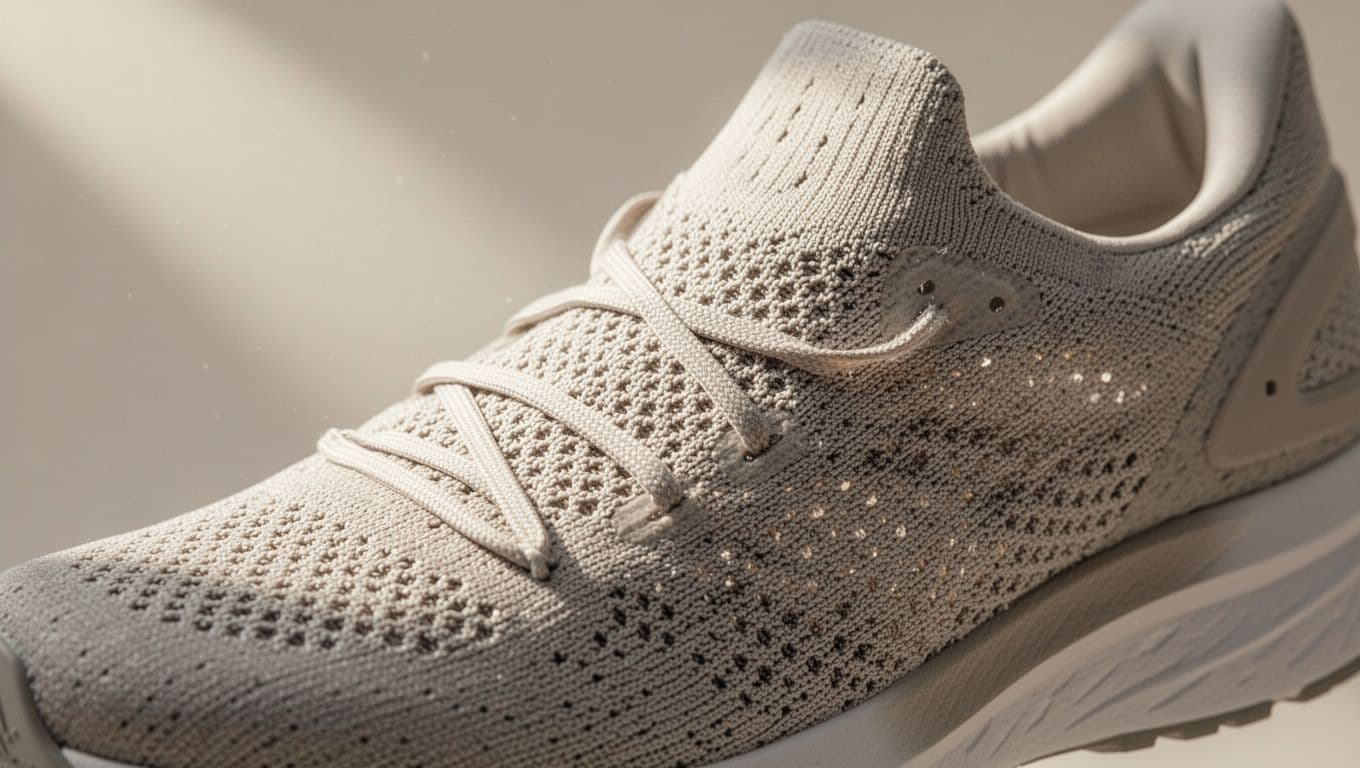
The upper is where a daily trainer wins or loses trust. In the ASICS GT-2000 14, the fit aims for secure hold first, then all-day comfort second, which is the right order for a stability shoe. If the upper wraps well, the rest of the ride feels easier to settle into.
Fit through the heel, midfoot, and toe box
The heel feels the most locked in, which helps the shoe stay steady when your stride gets a little tired. The midfoot also has a secure wrap, so the shoe does a good job of holding the foot centered without feeling harsh. That matters on longer runs, where small movements can turn into hot spots later.
Up front, the toe box feels more standard than roomy. Most runners with narrow to average feet should feel at home right away, while slightly wider feet may want to check the forefoot fit before buying. The front end gives enough space for natural toe splay, but it does not feel wide-open.
For runners with a broader forefoot, the fit may feel a bit snug across the upper panels on longer outings. For others, that closer shape helps the shoe feel precise and stable. If you want a wider toe box in this category, comparing options like the GT-2000 14 upper fit review can help you judge what feels best.
Breathability and all day comfort
The upper uses a structured feel that holds shape well, and that usually helps with support. In warm weather, though, it feels more like a balanced daily trainer than a super airy racer. You get enough airflow for regular runs, but this is not the lightest, most open mesh on the market.
For daily wear, the shoe feels comfortable enough to keep on for hours. The lining is soft against the foot, and the upper does not seem rough or irritating in normal use. That makes it a solid option for runners who also wear their trainers for errands, travel, or long days on their feet.
The comfort profile is good out of the box, so it should not demand much break-in. Still, the upper feels a touch structured at first, especially if you prefer a very pliable fit. If you like your shoes to feel secure right away, that will be a plus. For a plain-language breakdown of shoe upper terms, Runners Need explains running shoe uppers well.
Lacing and overall foot hold
The lacing setup makes it fairly easy to dial in the fit. Once tightened, the midfoot stays put and the shoe does a good job of reducing side-to-side movement. That kind of hold matters when you start picking up the pace or taking tighter turns, because the foot feels planted instead of loose inside the shoe.
The heel hold is a strong point, too. It feels secure during steady runs and stays controlled when the pace changes, which is exactly what you want in a stability trainer. You are not fighting heel slip here, and that adds confidence on everyday miles.
A few details stand out:
- Midfoot hold: snug and steady, without feeling cramped.
- Heel security: reliable during turns and pace changes.
- Lacing feel: easy to fine-tune for most foot shapes.
- Tongue comfort: cushioned enough to keep pressure from building on the top of the foot.
If you like a firmer, more connected upper, this setup should work well. Runners who prefer a very soft, relaxed fit may want to try the shoe on before deciding, because the GT-2000 14 is built to hold the foot in place first.
Where the ASICS GT-2000 14 stands out in daily training
The ASICS GT-2000 14 feels most at home when your runs are about consistency, not performance chasing. It gives you steady support, a predictable ride, and enough comfort to keep showing up day after day.
That makes it a strong daily trainer for runners who want one shoe to cover a lot of ground. It works best when you keep the pace controlled, the mileage steady, and the effort honest.
Best uses for everyday running
This shoe shines on easy runs, base-building miles, and routine training days. If you run most of your week at a conversational pace, the GT-2000 14 fits that rhythm well. It stays calm underfoot, which helps you settle into a smooth stride without thinking about the shoe.
It also makes sense for recovery runs. On tired legs, the support can feel like a steady hand that keeps your form from wandering. That matters more than bounce when the goal is just to get the miles done with less stress.
For steady aerobic work, the ride feels dependable rather than exciting. You can pick it for:
- Easy weekday miles
- Recovery jogs after harder sessions
- Base-building blocks
- Long runs at relaxed paces
- General daily training
How it handles walking and casual wear
The GT-2000 14 does a good job outside running, especially if you spend a lot of time on your feet. Its support and structured feel make it a practical choice for walking, errands, travel days, or work shifts that keep you moving.
The shoe feels stable during long walks, and that can help if you prefer a more guided platform over a soft, sink-in feel. For casual wear, the comfort is good enough to carry you through a full day without much fuss. That makes it useful for runners who want one pair that can handle more than their training block.
You will probably notice that it feels more organized than a neutral trainer. That is a plus if your feet like extra hold. It can feel a little more structured than a soft lifestyle shoe, though, so it suits people who want support first and plush comfort second.
For runners who want a similar stability option with a different feel, the ASICS GT 3000 14 review is a useful comparison point.
What kind of runner may prefer something else
The GT-2000 14 is not the best pick for everyone. If you want a softer, more cushioned ride, a max-cushion shoe will probably feel better underfoot. Those shoes tend to give more shock absorption and a plusher landing for easy miles.
Speed-focused runners may also want something different. The GT-2000 14 is built for stability and daily use, so it does not feel especially lively during tempo work or faster intervals. If your training includes a lot of pace changes, a lighter neutral trainer or a firmer tempo shoe may suit you better.
Runners who dislike structure should look elsewhere too. This shoe is supportive by design, so it will not feel as free as a neutral daily trainer. If you prefer a loose, flexible ride with very little guidance, you may feel boxed in here.
In plain terms, choose something else if you want:
- More softness underfoot
- A faster, snappier ride
- Less structure and guidance
- A shoe built mainly for workouts
That is where the GT-2000 14 draws its line. It is made for control, comfort, and repeat mileage, and that is exactly why it works so well for daily training.
How the GT-2000 14 compares with other stability trainers
The ASICS GT-2000 14 sits in a useful middle spot. It gives you real stability, but it avoids the heavy, blocky feel that shows up in some support shoes. That makes it easier to place if you’re comparing it with softer max-cushion models or with neutral trainers that offer little guidance.
Against softer stability shoes, the GT-2000 14 feels firmer, lighter, and more directed. Max-cushion options often give you a deeper, plusher landing, which can feel great on easy recovery runs. The tradeoff is that they can also feel a little slower to respond and a little less precise through the stride.
The GT-2000 14 keeps the foot more centered without that sink-in sensation. As a result, it feels easier to guide over daily miles, especially if you like a shoe that stays stable without swallowing your foot in foam. That cleaner ride is useful when you want a shoe for regular training, not just long, soft recovery days.
If your current shoe feels too soft or wobbly late in a run, this model may feel like a better fit. Runners who want a stronger support setup can also compare it with the best running shoes for overpronation, since that category often includes more cushioned stability choices.
Compared with neutral trainers
Compared with neutral daily trainers, the biggest difference is guidance. A neutral shoe usually lets your foot move with less structure, which can feel flexible and free. The GT-2000 14 adds support that helps keep your stride lined up, especially if your foot rolls inward or your form gets loose on longer runs.
That extra guidance changes the feel on easy miles and long runs. Neutral shoes can feel smoother if you don’t need support, but they may also feel less secure when fatigue sets in. The GT-2000 14 is the safer pick if you want a more controlled platform that stays steady when your legs are tired.
If neutral shoes feel comfortable at first but less reliable later in the run, a stability model like the GT-2000 14 can close that gap.
The difference is subtle for some runners and obvious for others. If you’ve been trying to decide between support and freedom, the GT-2000 14 is for the runner who wants a little direction without stepping into a stiff correction shoe.
Where it fits in a two shoe rotation
The GT-2000 14 works well in a two-shoe rotation because it covers the steady, everyday side of training. You can pair it with a faster shoe for workouts or a softer shoe for long runs, then switch based on how your legs feel.
A simple rotation might look like this:
- GT-2000 14 for daily miles
Use it for easy runs, recovery runs, and steady aerobic work. Its stable ride keeps the effort controlled. - A faster trainer or workout shoe for tempo days
Choose something lighter and more responsive when pace matters more than support. - A softer long-run shoe for extra cushion
This can help on big mileage days when you want a plusher feel underfoot.
That setup gives you variety without making your rotation complicated. The GT-2000 14 handles the dependable miles, while the other shoe fills in the gaps. For runners who want a stable base shoe and a more cushioned option for long runs, that split works well and keeps each shoe in its lane.
For a quick official overview of how ASICS positions the model, ASICS’ GT-2000 14 overview gives useful context on the line’s support focus.
The bottom line is simple. The ASICS GT-2000 14 is less plush than softer stability shoes, more guided than neutral trainers, and easier to slot into a weekly rotation than many support models. If you want one shoe that feels stable, sensible, and ready for repeat miles, it fits that job well.
Should you buy the ASICS GT-2000 14?
If you want a stability shoe that feels dependable instead of demanding, the ASICS GT-2000 14 makes a strong case. It gives you steady support, everyday comfort, and a ride that fits most training weeks without asking much from you.
That said, it is not the right pick for every runner. The best choice depends on how much support you need, how soft you like your shoes, and whether your runs lean more toward easy mileage or faster work.
The strongest reason to buy the ASICS GT-2000 14 is simple: it does the daily trainer job well. The support feels steady, the cushioning is comfortable for regular mileage, and the ride stays controlled without feeling harsh.
It also works well if you want one shoe for a lot of different easy efforts. You can use it for daily runs, recovery days, and long walks without feeling like you picked the wrong tool for the job. That kind of flexibility matters when you want a shoe that earns its place in your rotation.
A few things stand out right away:
- Reliable stability that helps guide the foot without feeling stiff.
- Comfort for daily miles, especially at relaxed paces.
- Versatile use, since it works for running, walking, and all-day wear.
- Balanced ride, with enough cushion to stay comfortable and enough structure to stay controlled.
If you want a clearer picture of the line before buying, this GT-2000 13 review shows how ASICS has built on the same stability-first idea in earlier versions.
The main tradeoffs to keep in mind
The main downside is that the GT-2000 14 still feels like a stability shoe. If you prefer a soft, free-moving ride, the structure may feel a little too present underfoot. It is supportive by design, so it won’t disappear the way a neutral trainer can.
It also isn’t the best choice for speed work. The shoe handles steady miles well, but it doesn’t have the lively snap many runners want for tempo runs or fast intervals. In other words, it is built for consistency, not excitement.
You should also think about your comfort preferences:
- Want more softness? A cushier stability model may suit you better.
- Want less guidance? A neutral daily trainer may feel more natural.
- Want workout speed? A lighter tempo shoe will probably fit that role better.
For runners comparing support models, Runner’s World notes the GT-2000 14’s stable, relatively lightweight feel, which helps explain why it appeals to daily-mile runners more than speed hunters.
Final fit for different runner types
The ASICS GT-2000 14 is best for runners who want support without a harsh feel. Beginners can benefit from the added guidance, especially if they want a stable shoe that feels easy to trust from day one. Daily mileage runners should like it too, because it stays consistent over repeat runs.
It is also a smart pick for mild to moderate overpronators who want stability that stays in the background. If your feet like structure, but you don’t want a stiff correction shoe, this model lands in a very usable middle ground.
Here is the simplest way to think about it:
- Buy it if you want a dependable daily trainer with stable support.
- Buy it if you run easy miles most of the time and value comfort.
- Skip it if you want a very soft, bouncy, or fast shoe.
For runners who want a clear buying answer, the GT-2000 14 is worth it when support and daily comfort matter more than pace. If that sounds like your kind of shoe, this one should fit your weekly runs well.
Conclusion
The ASICS GT-2000 14 does exactly what a good daily stability shoe should do. It gives runners steady support, comfortable cushioning, and a ride that feels easy to use on repeat miles.
It fits best if you want a shoe that keeps your stride controlled without feeling stiff or heavy. For runners who need dependable support for everyday training, it is a smart, practical choice that stays out of the way and gets the job done.
If you want a stability trainer for easy runs, long walks, and regular weekly mileage, this one is worth trying. If you want more softness or more speed, look elsewhere before you buy.


