

ASICS GT 2000 13 Review: A Stable Marathon Training Shoe
Marathon training asks a lot from your shoes, and a clunky stability model can make every mile feel longer. The ASICS GT 2000 13 is built for runners who want steady support without the heavy, stiff ride that turns easy runs into a chore.
That balance matters if you’re logging long weekly mileage, easing fatigue late in a run, or trying to stay consistent without overthinking every step. If you want a broader look at other options built for support, this guide to choosing stable running shoes can help frame the comparison.
This review looks at who the GT 2000 13 fits best, how it feels on long runs, and whether it’s worth your money for marathon training. If you’re wondering whether this is the stability shoe that can handle your base miles, this breakdown will give you a clear answer.
What the GT 2000 13 is designed to do for runners
The ASICS GT 2000 13 is built to give runners steady support without feeling like a bulky correction shoe. It sits in the middle of ASICS’ stability lineup, so it aims for a balance that works well for everyday mileage, long runs, and marathon buildup.
That balance matters. You get a guided ride, enough comfort for repeat training days, and a feel that stays flexible enough for mixed paces. For runners comparing stability options, ASICS describes the GT-2000 line as a lightweight stability trainer for runners who want support without extra bulk, which lines up with the shoe’s purpose on the road. If you want a broader look at support-focused models, the Mizuno Wave Horizon 7 review shows how a more protective stability shoe compares.
Who will get the most from this shoe?
The GT 2000 13 fits runners who mildly overpronate and want support that feels smooth, not forced. It also makes sense for runners who like a guided landing and transition, but don’t want a hard medial post pressing back at every step.
Marathon trainees are a strong match too. If you need one shoe that can handle easy runs, steady long runs, and plenty of weekly wear, this one is built for that job. It gives you a dependable base without asking you to adapt to a stiff platform.
Runners who may not love it are pretty easy to spot:
- Those who want a very soft, max-cushion feel
- Those who want a fast racing shoe with a snappy ride
- Those who prefer a neutral shoe with no support at all
The GT 2000 13 is meant to support your stride, then get out of the way.
How it compares to other stability shoes in the lineup
Within the stability category, the GT 2000 13 usually feels more approachable than bigger, more protective trainers. It is the kind of shoe many runners choose when they want support, but not the weight or stiffness that can come with stronger correction.
That makes it a useful middle ground. You still get enough structure for daily miles, yet the ride stays light enough for long training blocks and regular rotation use. In short, it is designed for runners who want stability they can wear often, not only when they are feeling beat up.
The fit feels secure without being tight
The ASICS GT 2000 13 gets the fit balance right for marathon training. It holds the foot in place well, but it does not feel like a vise, which matters when your miles stack up and your feet start to swell.
Upper comfort, breathability, and lockdown
The upper feels soft from the first wear, with enough structure to keep the shoe from feeling floppy. On easy runs, it settles in quickly, and the tongue and collar help the shoe feel smooth against the foot.
Lockdown is one of the better parts of the fit. The midfoot stays centered, and the heel holds steady without constant lace readjustment. That gives the shoe a planted feel that helps on longer outings, when sloppy fit can turn into rubbing or distraction.
Breathability is solid for daily training and good enough for marathon buildup. It won’t feel as airy as a stripped-down summer racer, but it does a good job of keeping heat from building too fast. For most runners, that means fewer hot spots and less friction over steady miles.
The fit is snug in a controlled way, which helps the shoe feel secure without pressure.
Sizing and fit notes for different foot shapes
Most runners should expect a true-to-size fit, especially if they usually wear standard-width trainers. The forefoot has enough room for natural toe splay, but it still feels secure, so you don’t slide around when the pace changes. If you want a broader fit guide, this sizing guide for running shoes is a useful place to compare your usual size with your foot shape.
Runners with narrow feet will likely like the hold right away. Average-width feet should fit well too, as long as they do not prefer a very roomy toe box. Wider feet, high insteps, or bunions may need extra attention, because the upper can feel more shaped than relaxed.
If you usually like more space up front, try the shoe on later in the day and check for pressure across the toes. Runners who need more support for inward roll can also compare this fit against other overpronation options, since the right match depends on both support and volume.
How the ride feels on easy runs, tempo work, and long runs
The ASICS GT 2000 13 feels steady first and fast second, which is exactly what many marathon runners want. Its ride stays controlled on easy days, holds together well when the pace settles, and still has enough life for moderate workouts.
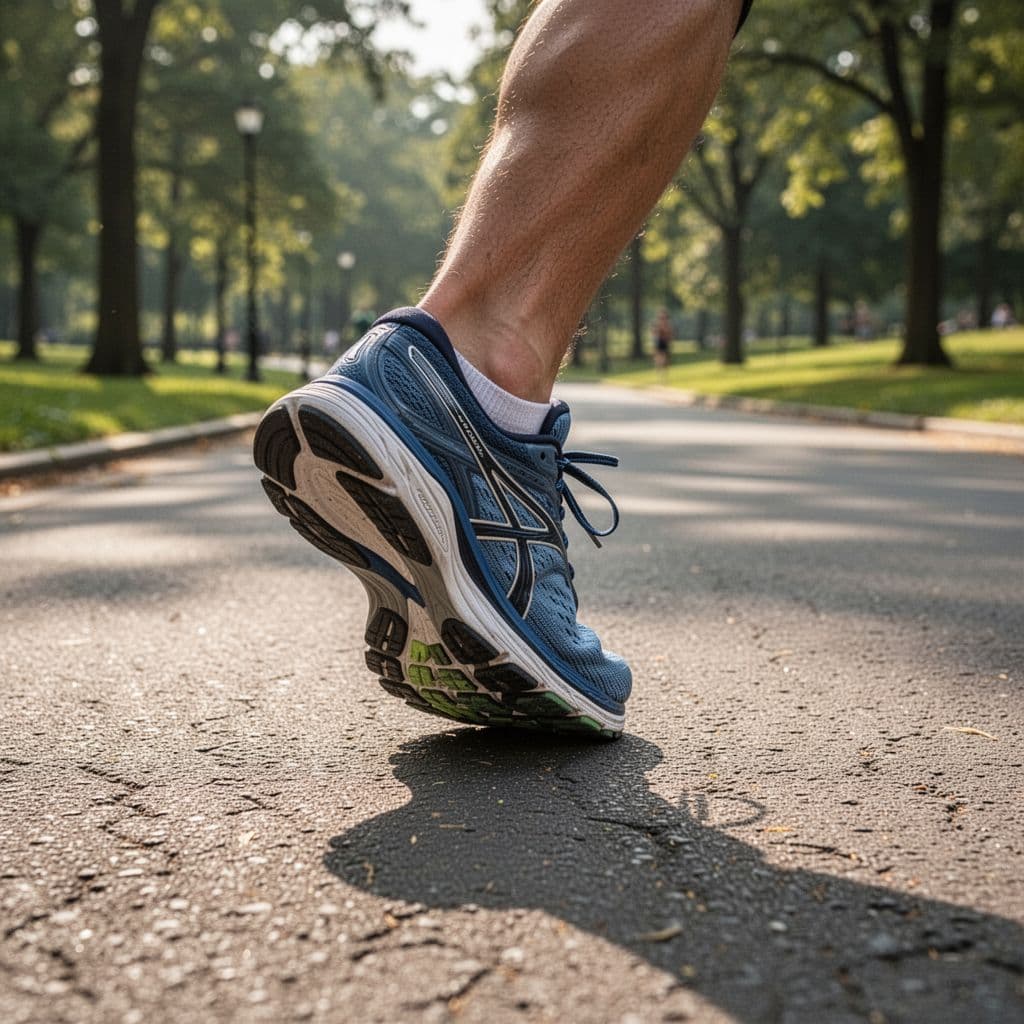
Cushioning that stays comfortable mile after mile
The midsole lands in a balanced spot. It feels cushioned enough to take the edge off pavement, but it does not sink or feel overly plush. That matters on long runs, because the shoe stays comfortable without turning mushy when fatigue sets in.
On the road, the ride has a slightly firm edge, yet it still feels smooth underfoot. You feel protected on daily mileage and marathon blocks, but the shoe keeps a clean, efficient roll instead of dragging your legs down. That makes it a good fit for runners who want comfort they can trust late in a run.
For comparison, some stability shoes lean softer and more relaxed. If you want a broader point of reference, this Hoka Arahi 8 review shows a different take on supportive cushioning.
Stability that guides your stride naturally
The support feels helpful, not heavy-handed. Instead of forcing your foot into a rigid path, the GT 2000 13 gives a subtle guide that keeps the stride centered.
That difference matters on tired legs. You notice the shoe helping when your form gets a little loose, but it never feels like it is fighting your movement. In other words, the stability is there when you need it, then it fades into the background when your stride is clean.
The best part of the support is how little it demands from you during the run.
Energy return and pace changes during training
The shoe feels best on easy miles, steady runs, and long efforts at controlled pace. It has enough bounce to keep things moving, but it is not built to feel lively in a racing-shoe way.
When the pace picks up, the GT 2000 13 responds well enough for tempo segments and marathon-pace work. It does not snap forward, yet it stays smooth and predictable, which helps when you want rhythm more than aggression. That makes it a strong daily trainer for runners who mix paces often.
If you want a more detailed outside take on the ride, Doctors of Running’s GT-2000 13 review breaks down the midsole feel and stability in more technical terms.
For most training plans, that is the sweet spot. Easy runs feel protected, long runs feel manageable, and faster work stays possible without forcing the shoe into a job it was not built to do.
Support features that matter during marathon buildup
Support matters most when your training stops feeling fresh. The ASICS GT 2000 13 is built for that stage of the plan, when you need a shoe that helps you stay smooth without taking over the run. Its stability features are subtle, but they make a real difference once fatigue starts to creep in.

How the support system works in real life
The support in this shoe does not feel like a hard correction. Instead, it gives your foot a steadier path and helps keep your landing and toe-off more even. For most runners, that means less side-to-side wobble and a more balanced feel through the stride.
You do not need to think about technical terms to notice it. The shoe simply feels like it is helping your foot stay centered, especially when your form gets a little sloppy. That can make the run feel calmer and more controlled, which is exactly what you want in marathon buildup.
If you want a broader look at how support fits into training, strength and conditioning for marathon runners also plays a big part in keeping your mechanics steady.
Why this matters more in the late miles of training
Support becomes more useful when your legs are tired and your posture starts to sag. On long runs, even small changes in hip position or foot control can add stress fast. A stable shoe helps you hold a cleaner line when that happens.
That matters during high-mileage weeks, too. When you’re stacking run after run, a stable ride can help you stay consistent and keep the load from feeling sloppy. As Marathon Handbook notes, stability shoes can help guide foot motion and support runners when fatigue affects form.
In practice, that means:
- Less wasted motion when your stride gets loose
- More confidence on tired legs during longer outings
- Better rhythm late in runs when focus starts to fade
The GT 2000 13 gives you support that fits the job. It helps you stay composed when the miles pile up, and that can make marathon training feel more manageable week after week.
What the outsole and durability say about long-term value
The ASICS GT 2000 13 makes its case through the parts you do not notice right away. The outsole and wear pattern tell you a lot about how well this shoe should hold up through a full training cycle, and that matters if you want one pair to handle weeks of steady mileage.
Traction on roads and daily training surfaces
On pavement and sidewalks, the outsole should feel dependable without asking for much attention. That is the kind of grip most runners want for daily training, because road shoes live on dry asphalt, painted crosswalks, concrete paths, and the occasional damp patch after rain.
The tread looks built for practical road use, not trail work. So on normal city routes, park loops, and neighborhood streets, it should give you a steady, secure feel. In wet weather, the grip should still be useful for everyday running, but you should stay sensible on slick turns and worn crosswalk paint.
If you want to compare how this model fits into ASICS’ broader support lineup, the ASICS stability shoe comparison can give you helpful context.
The outsole is made for confidence on roads, not for aggressive grip in messy conditions.
How well it should hold up over many miles
Durability matters in a marathon shoe because the shoe has to survive more than one long run. It needs to handle repeat wear, weekly mileage, and the stress that builds during a full plan. A trainer that loses its shape too early stops feeling like a good value, even if it felt great on day one.
The GT 2000 13 looks like a shoe that should stay useful for a long stretch of training. The outsole protection and overall build suggest it is made for regular use, which is exactly what daily trainers need. That kind of longevity can make it a stronger value choice, especially if it lasts through base work, workout days, and race buildup.
For runners comparing price and durability across models, the ASICS GT-1000 14 review is a useful reference point. If the GT 2000 13 holds up as expected, it gives you more weeks of reliable miles before you need to think about replacement.
Where the ASICS GT 2000 13 fits in your marathon shoe rotation
The ASICS GT 2000 13 fits best as your workhorse trainer. It gives you steady support, enough cushioning for longer outings, and a ride that stays calm when the miles start to add up. For many marathon runners, that makes it the shoe you reach for most often, not the one you save for special workouts.
Best runs for this shoe
This shoe makes the most sense on easy runs, recovery days, and steady mileage. It keeps your stride organized without asking for much effort, so it works well when the goal is simply to get the work done.
It also fits long easy runs and controlled marathon buildup sessions. If you like to hold a comfortable pace for 75 to 120 minutes, the GT 2000 13 gives you enough protection to stay smooth without feeling bulky. That makes it a smart choice when your legs are tired but you still want a shoe that feels reliable.
A weekly rotation might look like this:
- Easy days when you want support and comfort
- Recovery runs after harder workouts
- Long runs at easy or steady pace
- Marathon-pace segments when you want a stable platform
If you want a quick refresher on how rotation works in marathon training, this guide to rotating running shoes gives a useful framework.
When you may want a different shoe instead
You may want something else for fast intervals, race day, or any workout where speed matters most. A lighter shoe will usually feel better for short repeats, sharper tempo work, or sessions where you want more snap off the ground.
A softer max-cushion shoe can also make more sense for very long recovery runs if your legs need extra protection. On the other hand, if you want a race shoe, the GT 2000 13 is too grounded to give you that lively, aggressive feel.
In short, this shoe is strongest when you want consistent support across the bulk of your training. Save the lighter or softer options for the days when your plan asks for a different job.
Should you buy the GT 2000 13 for marathon training?
Yes, if you want a stable daily trainer that stays comfortable over long mileage. The ASICS GT 2000 13 is a smart pick for marathon runners who need support without a stiff, corrective feel. It works best as the shoe you trust for easy runs, steady long runs, and most of your weekly base work.
Why it makes sense for marathon training
The biggest draw is its balance. You get reliable support, a secure fit, and enough cushioning to handle repeated road miles without feeling weighed down. That makes it a strong choice if your training plan calls for consistency more than speed.
It also fits runners who want one shoe to cover a lot of ground. If you are building a rotation, this model belongs in the everyday slot alongside other best marathon training running shoes that handle higher mileage well.
Where it falls short
The GT 2000 13 is not the shoe for max softness or race-day pop. If you want a plush cruiser, you may want more foam. If you want a fast feel for intervals or a marathon racer, this one will feel too grounded.
Buy it for dependable training miles, not for chasing your quickest splits.
For most runners with mild overpronation, though, the value is clear. The ASICS GT 2000 13 is a steady, practical marathon trainer that does its job without drama.
Conclusion
The ASICS GT 2000 13 is a dependable pick for runners who want stability without a heavy, overbuilt feel. It brings together a secure fit, steady support, and enough comfort to handle the long weeks that come with marathon training.
That balance is the main reason it works so well. It is not chasing attention, but it does the job with the kind of consistency that matters when you are logging mile after mile. For runners who value comfort, support, and a balanced ride over flash, this is a smart training shoe.
If you want a stable daily trainer that can carry you through marathon prep with less fuss, the GT 2000 13 fits that role well.


