

ASICS GT-1000 15 Review: The Best Budget Stability Shoe?
The ASICS GT-1000 15 is built for runners who want a daily trainer that feels stable without dragging underfoot. If you need support, but you don’t want a bulky shoe that slows your stride, this model is worth a close look.
It aims to balance comfort, cushioning, and value in a way that makes sense for everyday miles. A careful look at the fit, midsole feel, and support features can help you figure out whether it matches your training and your foot shape.
What the ASICS GT-1000 15 brings to the table
The ASICS GT-1000 15 is built for runners who want steady support in a shoe they can wear often. It fits squarely in the daily trainer category, so the goal is comfort, consistency, and a controlled ride rather than speed-day excitement or max-stack softness.
That simple purpose is part of why the GT line has lasted so long. Runners return to it because they know what they’re getting, a stable platform that feels dependable mile after mile. In a lineup full of flashy options, the GT-1000 15 keeps things practical.
Build Your Complete Race-Day Setup
The right shoe helps, but faster racing comes from better training, pacing, recovery, fueling, and execution.
More Guides for This Shoe
The GT series has always had a clear job. It gives runners a stability option that feels approachable, not aggressive, and that matters if you want support without a hard correction underfoot. For many people, that balance is the whole appeal.
Revised Shoe Model
Version 15 looks like another careful step forward, not a complete reset. That usually points to steady refinement in the areas that matter most, like fit, ride feel, and day-to-day comfort. Loyal GT runners often want exactly that, a shoe that keeps the same familiar promise while smoothing out the rough edges.
If you have worn older GT models, this is the kind of update that can feel reassuring. It suggests ASICS is protecting the identity of the shoe instead of chasing trends.
The GT line wins trust by staying predictable, and that matters more than flash for a lot of runners.
For a look at how the previous version handled stability, the ASICS GT-1000 14 review gives useful context.
Who this shoe is best suited for
The GT-1000 15 makes the most sense for runners who want help keeping their stride steady. Neutral runners who like a little guidance, mild overpronators, new runners, walkers, and daily trainers logging easy miles will likely get the most from it.
It also fits well if you want one shoe for a lot of different low-key uses:
- Easy runs where comfort matters more than pace
- Walking and errands when you want a stable underfoot feel
- Beginner training because the ride is straightforward and forgiving
- Daily mileage when you want support that does not feel bulky
Runners chasing a soft, max-cushion feel may want something different. The same goes for anyone looking for a fast workout shoe, since this model is built for control and repeat use, not sharp race-day energy.
ASICS also frames the broader GT family as a stability-focused line with everyday usability, which fits the GT-1000 15 well. You can see that family approach in ASICS’ GT-2000 overview, which helps show how the GT naming continues across the stability range.
For runners who want support but dislike a clunky feel, that is the sweet spot. The GT-1000 15 is the kind of shoe you reach for when you want the run to feel normal, smooth, and reliable from the first mile to the last.
ASICS GT-1000 15 cushioning and ride feel
The ASICS GT-1000 15 aims for a ride that feels steady first and soft second. That matters because daily trainers need to protect your legs without letting the shoe feel loose or wobbly. Here, the midsole is built for calm miles, easy pace runs, and a smooth enough step to keep things comfortable.
On easy runs, the midsole feels protective enough for daily mileage without swallowing your foot in foam. The ride stays controlled, so you get comfort underfoot and a clear sense of where the shoe is putting you. That helps the GT-1000 15 feel dependable when you just want to log miles and keep moving.
For shorter runs, the shoe feels simple and predictable. It does not fight your stride, but it also does not add much bounce or pop. On longer runs, that same steady feel becomes the point, because the platform keeps the run from feeling sloppy as your legs get tired.
All Day Wear
The GT-1000 15 also makes sense for walking or all-day wear. The cushioning is calm enough for time on your feet, and the stable base helps the shoe feel secure on flat ground. If you want one shoe that can handle a run in the morning and errands later, this kind of ride is easy to live with.
For runners comparing it with other stable trainers, the GT-1000 15 sits in a practical middle ground. It is less plush than max-cushion shoes, but it gives more comfort than a firm, stripped-down support model. For a broader look at how this kind of trainer stacks up, the Nike Structure 27 analysis is a useful comparison point.
Does it feel soft, firm, or balanced?
The best short answer is balanced with a firm edge. The cushioning is present, but the shoe keeps its shape well, so it never feels mushy or unstable. That balance matters for runners who want support that guides the foot instead of letting it sink too much.
You feel the softness most during landing, then the platform settles quickly and holds you in place. That makes the ride feel more structured than plush. If you prefer a shoe that behaves like a steady daily partner, this is the kind of feel that will make sense fast.
There is a tradeoff, though. The shoe gives up some of the lively rebound you get from softer or more energetic midsoles. Still, many runners will accept that because the payoff is a cleaner, more controlled ride that works well for regular training.
If you want cushion that stays organized underfoot, the GT-1000 15 gets that part right.
That same structure is part of what makes stability shoes useful across many easy runs, especially for runners who want support without a heavy step. The RunRepeat GT-1000 14 review gives a good sense of how ASICS has kept that reliable feel in the line.
Support and stability without feeling overbuilt
The ASICS GT-1000 15 keeps support simple, which is exactly why it works for so many everyday runners. It gives you a steadier platform without turning the shoe into a stiff brace, so the ride still feels natural mile after mile. That balance matters if you want help with alignment but hate the feeling of being forced into place.
How the shoe helps control excess inward roll
The support in the GT-1000 15 works by guiding the foot instead of grabbing it. In plain terms, the shoe gives you a more stable base so your stride stays centered when your feet start to move inward too much. That can help runners who overpronate, especially on longer runs when form starts to fade.
The feel is gentle, not pushy. You still move through a normal running motion, but the shoe adds enough structure to keep things from getting sloppy. For many runners, that is the real benefit, less wobble, more control, and a smoother landing when each step repeats over and over.
This is the kind of support that makes sense if you want a little correction without a harsh correction. If you want a deeper look at how this category fits different runners, best shoes for stability is a useful place to compare options.
The support feels like a hand on your shoulder, not a hard push in one direction.
That matters on easy runs, especially when your legs are tired and your form gets loose. The shoe does its job in the background, which is usually what most runners want from a daily trainer.
Why the ride still matters for neutral runners
Neutral runners still pick a shoe like this because stability does not have to feel heavy or restrictive. Some people simply like the extra structure underfoot, especially on recovery days, long walks, or weeks when their legs feel beaten up. A stable shoe can feel reassuring, even if you do not need strong correction.
The GT-1000 15 also keeps the ride calm, so the support does not come with a harsh or awkward step. That makes it easier to trust on tired legs, when a little extra guidance can help the whole run feel more organized. If you want to see how this compares with other support-focused options, running footwear for excessive inward foot roll gives good context.
A lot of neutral runners like stability shoes for simple reasons:
- A steadier landing when form starts to fade
- More confidence on long days when legs feel flat
- A secure feel that makes easy runs less messy
- Less foot fatigue from too much side-to-side movement
That extra structure can feel like insurance, not intervention. The ASICS GT-1000 15 keeps the support natural enough that neutral runners can enjoy the ride without feeling boxed in.
Fit, upper comfort, and everyday wearability
The ASICS GT-1000 15 is built to feel easy to live with, not just easy to run in. Its fit leans practical, with enough structure for support and enough comfort for repeated use. If you want a stable daily trainer that can handle errands, walks, and long runs without fuss, this part of the shoe matters just as much as the midsole.
Most runners should start with their normal size in the GT-1000 15. The fit should feel familiar rather than tricky, which helps if you want a daily trainer you can order with confidence. If you usually wear ASICS well, this shoe should land in a comfortable middle ground.
The forefoot gives enough room for natural toe spread, but it does not feel roomy in a sloppy way. That makes it a good match for narrow to average-width feet. Runners with wider feet may want to check the wide option if available, especially if they dislike pressure across the front of the shoe.
Shoe Room
Toe room also matters more than people think on longer runs. Feet swell, even on easy days, so a little extra space up front can keep hot spots away. If you prefer a snugger performance fit, the regular width should feel controlled without pinching.
For runners comparing older models, the fit feels close to what you would expect from the GT line. The shape is practical, and that matters when you want a shoe that behaves the same at mile one and mile ten. For more context on the earlier version, the ASICS GT-1000 14 fit guide for runners is a useful comparison.
A good sign here is simple comfort, your toes should have room to move, but not enough space to slide around.
A few fit cues stand out:
- True-to-size works for most runners who like a secure daily trainer fit
- Narrow feet should feel especially dialed in
- Wider feet may want the wide version if forefoot pressure bothers them
- Extra sock room is possible, but the shoe still keeps a fairly tidy shape
Upper materials, breathability, and step-in feel
The upper feels made for repeat wear, which is what you want in a daily trainer. It has a smooth, soft touch, and the padding around the heel and collar helps the shoe feel comfortable right away. You don’t need a long break-in period before it starts feeling usable.
Breathability is solid for everyday runs. Airflow is enough for warm weather and indoor treadmill sessions, although this is still a support shoe, so the upper focuses more on balance and hold than on being ultra-light. That tradeoff works well if you want a shoe that can handle a run, then stay on your feet for the rest of the day.
Lockdown feels dependable once you get the laces set. The heel holds the foot in place, the midfoot feels secure, and the upper does a good job keeping movement under control without feeling stiff. That combination helps the shoe feel steady when you pick up the pace a little or when you’re just walking through a busy day.
Width
If you want a broader sense of how ASICS fits across its lineup, ASICS size guide guidance can help you think through width and length before you buy. The GT-1000 15 follows that same practical idea, a secure upper, enough breathing room, and comfort that holds up well beyond the first few minutes.
What makes it easy to wear all day is the way the upper avoids pressure points. The collar feels soft, the fit stays centered, and the shoe does not fight your foot when you flex through a normal stride. That makes it a strong pick for runners who also want a stable walking shoe or an everyday pair for mixed use.
The best part is the consistency. From the first mile to the last errand, the GT-1000 15 feels like a shoe that stays composed. It gives you a secure hold without feeling tight, and that is often the difference between a shoe you wear often and one that just looks good on the shelf.
Outsole grip and durability for daily miles
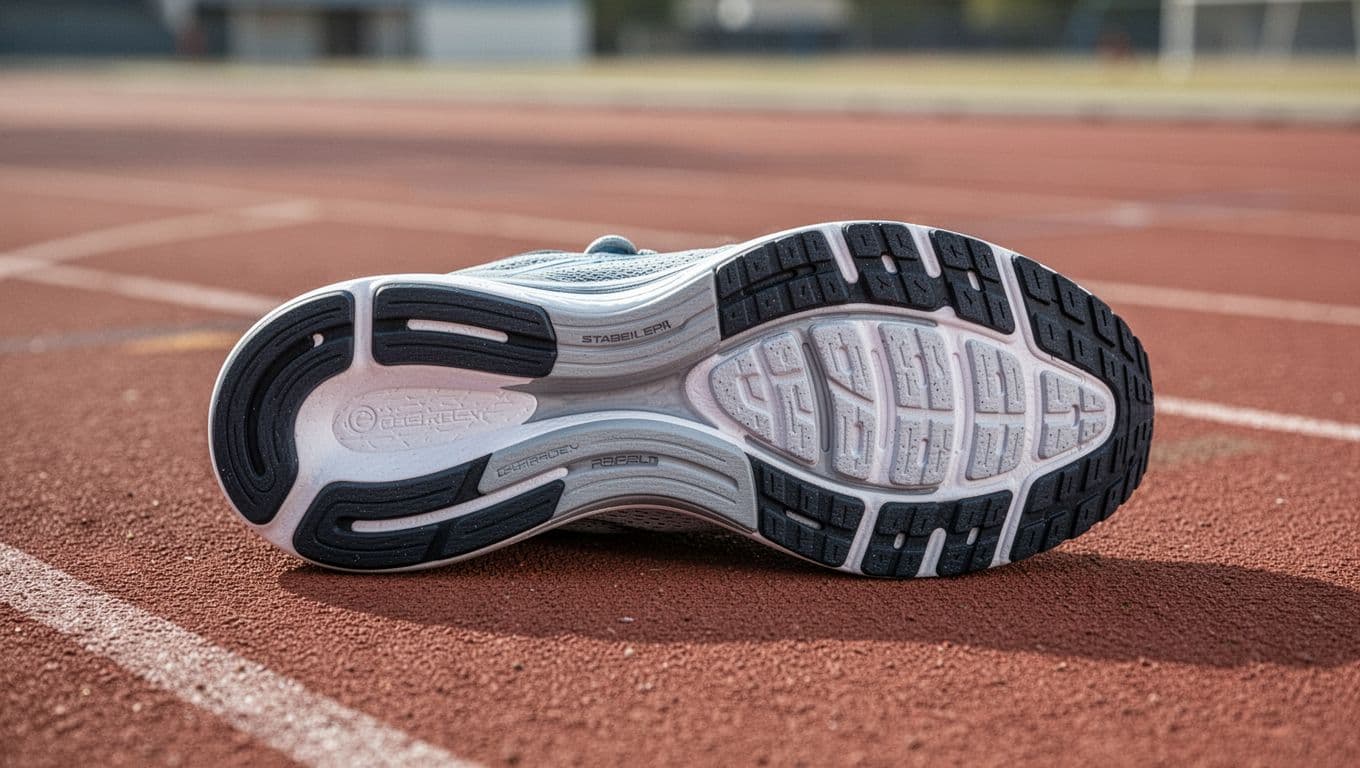
The outsole on the ASICS GT-1000 15 is built for everyday road use, and that is where it feels most at home. It gives you a steady, predictable contact point on dry pavement, sidewalks, and other common city surfaces, so you can focus on your stride instead of second-guessing your footing. The ride is not flashy, but it is dependable, which is what most daily runners need.
On dry pavement, the grip feels confident and normal in the best way. The outsole bites well enough for steady miles, stoplights, and quick direction changes on neighborhood routes. That kind of traction suits a daily trainer because you do not want to think about the shoe every time you cross a street or turn a corner.
Sidewalks and bike paths should feel just as settled. The outsole pattern is made for repeat contact on hard surfaces, so it does its job without feeling sticky or vague underfoot. If your runs usually stay on roads, parking lots, and packed paths, the GT-1000 15 gives you the kind of traction that fades into the background.
Reliability
Light wet ground is where caution helps. Damp pavement, painted crosswalks, and smooth metal grates can always reduce grip, even on a well-made road shoe. For that reason, the GT-1000 15 should be fine for a run after light rain, but it is smart to slow down on slick corners and glossy surfaces.
For runners who want a good point of comparison, ASICS GT 1000 13 road running grip review shows how the line has handled traction on regular pavement over time. That history matters because it helps set expectations, and the GT-1000 15 continues the same practical road-first idea.
The outsole is strongest where most daily miles happen, on dry, ordinary running surfaces.
That is the balance you want in this price range. Enough grip for confidence, enough restraint to keep the shoe from feeling overbuilt, and enough consistency to use it often.
How long the shoe may hold up with regular use
Durability is one of the biggest reasons to consider a stable daily trainer. If you run several times a week, the outsole needs to hold up to constant heel strike, toe-off, and the same street corners over and over. The ASICS GT-1000 15 should make sense for runners who want solid life-cycle value, since a shoe that wears evenly gives you more mileage for the money.
The first wear usually shows up in the heel and forefoot, especially if you land hard or drag your toes a bit on push-off. Road runners also tend to see smoothing on the outer heel and the big-toe area, because those spots take the most repeated pressure. That is normal, but the key is how fast it happens.
Stability
A stable trainer like this should last better than lightweight speed shoes because it is built with daily use in mind. The outsole rubber is there to survive routine mileage, not just a few fast workouts. In other words, you are paying for a shoe that should keep its shape and grip long enough to feel like a smart buy, not a short-term fix.
If you want a broader benchmark for mileage expectations, how to choose the right running shoes gives a useful look at typical shoe lifespan ranges. That kind of context helps when you are comparing cost per mile, especially if you run often.
For the GT-1000 15, the value is simple:
- Even wear patterns mean the shoe should stay useful longer
- Road-focused rubber should handle daily pavement better than softer race compounds
- Stable geometry helps the outsole wear more predictably
- Good traction retention matters once the miles start stacking up
If the outsole keeps gripping well after the upper and midsole have already proven themselves, the shoe earns its place in your rotation. That is what makes a daily trainer feel worth the price over time, because you are not replacing it early just to keep your runs feeling secure.
How the ASICS GT-1000 15 compares to similar daily trainers
The ASICS GT-1000 15 sits in a useful middle lane. It has enough cushion for everyday miles, enough support for runners who want a steadier ride, and enough restraint to stay light and easy to manage. That makes it a strong pick for runners who want control without a bulky feel.
Softer max cushion shoes give you more sink and a plusher first step. They can feel great on recovery runs, especially if you want a soft landing and a relaxed, pillow-like ride. The tradeoff is that this softness can feel less precise, especially when you want a shoe that keeps your foot centered.
The GT-1000 15 takes a different path. It feels more guided and more controlled, so the ride stays organized when you land, turn, or finish a tired run. You give up some of the cloud-like softness, but you gain a shoe that feels easier to trust if you like a cleaner, steadier step.
That difference matters most for runner type. If you want a plush shoe that disappears underfoot, a max cushion trainer may fit better. If you want a lighter daily trainer with a more planted feel, the GT-1000 15 makes more sense. For a closer look at shoes built around support and comfort, this stability shoe roundup is a useful reference.
Softer shoes can feel nicer at first, but the GT-1000 15 often feels better when you want control over long, ordinary miles.
Compared with other stability running shoes
Against other stability shoes, the GT-1000 15 feels simpler and easier to live with. It does not try to deliver a heavy correction or a dense, overbuilt platform. Instead, it gives you support in a way that feels approachable, which is a big reason many runners return to this line.
It also belongs in the group of stability shoes that stay affordable and practical. Some stability models pack in more foam, more structure, and more weight. The GT-1000 15 keeps the formula leaner, so it can work well for runners who want support without a dramatic change in ride feel. If you want a similar daily trainer with a little more structure, the Nike Structure 24 review is a helpful comparison point.
Runners who usually like this shoe tend to want:
- Steady support without a stiff correction feel
- A lighter daily trainer for regular mileage
- Straightforward comfort over a highly cushioned ride
- Good value in a shoe that handles many uses
For runners who want a supportive shoe that still feels calm and manageable, the GT-1000 15 lands in a smart spot. It is stable enough to guide your stride, but simple enough that you do not feel like you are working around the shoe.
Is the ASICS GT-1000 15 worth it for your running goals?
The ASICS GT-1000 15 is worth it if you want a stable daily trainer that stays easy to wear. It makes the most sense for runners who care more about consistency, support, and comfort than speed-day excitement.
If your goal is to build mileage, stay comfortable on easy runs, and keep your stride steady, this shoe fits the job well. It also works for a lot of non-running use, so you get more out of it than just workout miles.
This is the kind of shoe that fits into normal life without much planning. It feels at home on recovery days, neighborhood runs, treadmill sessions, and long walks. The stable platform also makes it a good pick for runners who want a little support when fatigue starts to change their form.
A few of the strongest use cases include:
- Easy runs, because the ride stays calm and controlled
- Daily training, since it handles repeat miles without drama
- Walking, especially if you want a steady, supportive base
- Gym-to-street wear, because it feels comfortable enough for mixed use
For runners comparing support shoes, the ASICS Gel Kayano 32 review is a useful reference if you want something more premium and more cushioned. The GT-1000 15 is the simpler, lighter, more affordable option.
Who should buy it, and who should skip it
Buy the GT-1000 15 if you want a stable daily trainer that feels predictable and practical. It is a strong match for mild overpronators, newer runners, and anyone who likes a guided ride without a heavy feel. It also makes sense if you want one shoe that can cover running, walking, and everyday wear.
Skip it if you want a soft max-cushion feel, a fast tempo shoe, or a very roomy fit. You may also want something else if you prefer a neutral shoe with no added structure. In that case, a different daily trainer will probably feel more natural.
The GT-1000 15 is best for runners who want support they can trust without feeling boxed in.
What kind of runner gets the most value
The best value comes from runners who will use this shoe often. If you log easy miles several times a week, the price-to-performance balance looks better fast. You get a stable, reliable shoe that can pull double duty for running and everyday wear, which helps spread the cost across more use.
If you want a similar stability option with a different feel, the New Balance Fresh Foam X 860 v15 review is worth a look. The GT-1000 15 still stands out for runners who want a straightforward shoe that does its job well, then gets out of the way.
Conclusion
The ASICS GT-1000 15 does what a good daily trainer should do. It gives runners steady support, comfortable cushioning, and a ride that feels easy to trust on repeat miles.
That mix makes it a strong fit for easy runs, walking, and everyday use, especially if you want guidance without a bulky feel. If you are comparing it with other options, browse professional running shoe reviews to see where it fits in the wider stability and daily trainer picture.
For runners who want a reliable shoe that stays practical and doesn’t overcomplicate the run, the GT-1000 15 is an easy one to recommend.


