

ASICS GT-1000 14 Review: Is It Worth It for Daily Running?
If you’re asking whether the ASICS GT-1000 14 is worth it, the honest answer is that it depends on what you need most in a daily running shoe. For runners who want steady support, solid comfort, and a fair price, this model has a strong case.
The GT-1000 line matters because it has long been a practical option for runners who want help with stability without paying premium-shoe money. This version keeps that same clear purpose, but the real question is whether it fits your feet, your pace, and the kind of miles you run each week. If you want a broader look at the model itself, this ASICS GT-1000 14 review gives more detail on how it performs in real use.
That’s where this review gets useful. Comfort, support, and price all matter, but so does how a shoe feels after a few easy runs, a long walk, or a full week of training. The answer to ASICS GT-1000 14 Worth It comes down to whether you want a dependable trainer that handles daily mileage without asking much from you in return.
The next section breaks down who should wear it, where it fits best, and where it may fall short.
Build Your Complete Race-Day Setup
The right shoe helps, but faster racing comes from better training, pacing, recovery, fueling, and execution.
More Guides for This Shoe
What the GT-1000 14 is trying to solve for everyday runners
The ASICS GT-1000 14 occupies a specific space in the brand’s lineup as a reliable, budget-friendly workhorse. Its primary job is to provide light structure to runners who need a bit of assistance to maintain a natural gait. Rather than aiming for high-end, max-cushion luxury, it focuses on consistency and durability for the daily grind. Deciding if the ASICS GT-1000 14 is worth it really comes down to your individual foot mechanics and the demands you place on your gear.
Who should care about a stability shoe like this
This model is a strong candidate for runners who need a little extra guidance to keep their feet from rolling inward too much. If you are a new runner, you might not know exactly what your feet need yet, and this shoe offers a safe, accessible starting point. It is also an excellent pick for people who want a supportive ride for easy miles without the bulkiness often found in more complex stability trainers.
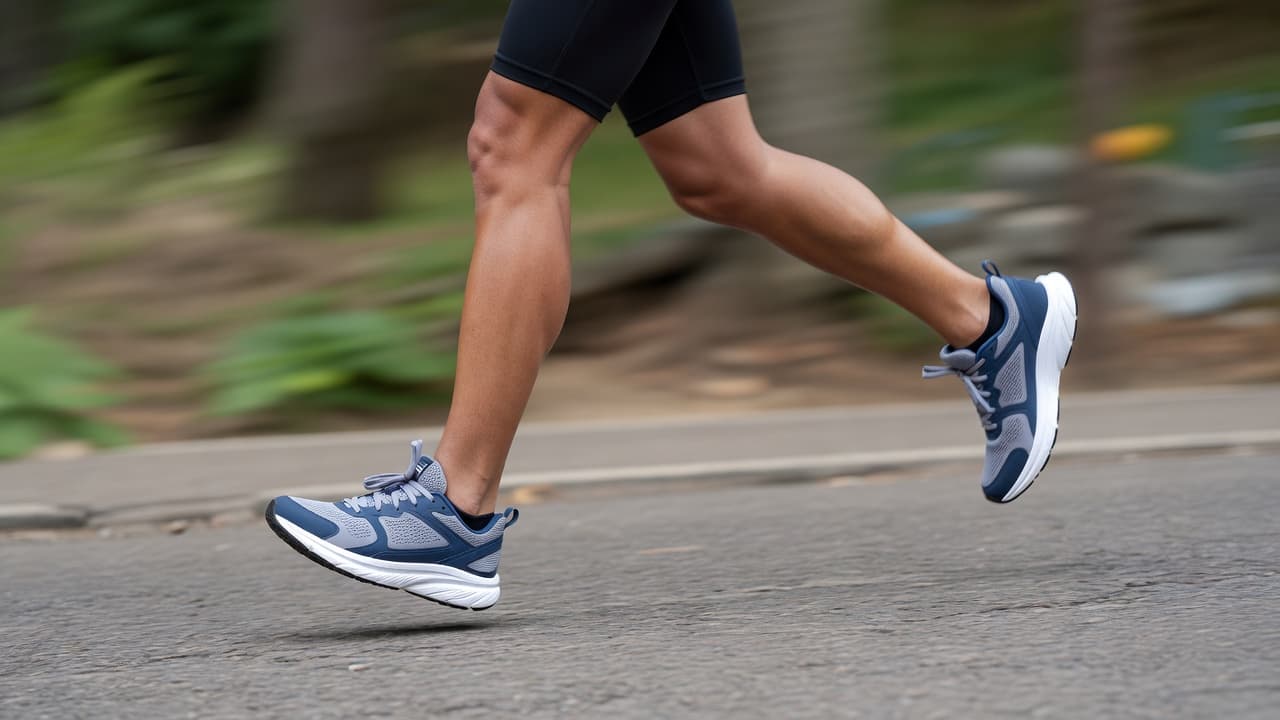 Many runners who suffer from persistent fatigue in their arches or ankles find that these shoes help them recover faster between runs. If you want to explore further, you can see our top trainers for runners who overpronate to see how different levels of support compare.
However, not everyone needs this level of engineering. If you possess a neutral stride and prefer a shoe that doesn’t interfere with your natural movement, you might find the structure here unnecessary. Runners who seek maximum cushioning for long-distance comfort often prioritize feel over guidance, making this model less ideal for those specific goals. For a better understanding of how arch types influence your choice, you can read about neutral vs. stability running shoes.
How it compares to more expensive daily trainers
When you look at the price tag, you might wonder what you are missing compared to high-end alternatives. Expensive trainers often feature proprietary foam compounds that provide more energy return or specialized upper materials for a slightly more locked-in feel. The GT-1000 14 opts for simplicity. You give up some of that “premium” cloud-like bounce, but you retain the core reliability that makes a shoe useful for training.
What you still get is a stable platform that helps you complete your miles without unwanted surprises. It delivers a familiar, dependable experience that works just as well on the tenth mile as it does on the first.
If you are curious about how these options rank in the broader market, you might look at our best running shoes for stability to see where this value-focused trainer lands. By focusing on essentials rather than high-tech fluff, this shoe provides a practical solution that keeps your feet happy while keeping your budget intact.
A closer look at the ride, cushioning, and support
When you step into the GT-1000 14, you immediately feel a balance between softness and structure. The shoe does not try to be the softest model on the market, nor is it the most rigid. Instead, it offers a predictable ride that absorbs impact well enough for your daily training runs. You will notice that it feels protective under the heel without losing that ground feel you need for a steady, rhythmic pace.
Midsole feel and daily comfort
The cushioning in this model is practical and consistent. ASICS uses foam that is firm enough to keep you from sinking in, yet it provides enough squish to keep your legs feeling fresh after a few miles. This balance is ideal for runners who tackle varied distances and want one shoe that stays comfortable from the first mile to the fifth.
Because the foam density is moderate, you get a stable platform. It does not feel mushy or unstable on corners. If you are doing longer training runs, the cushioning holds up without compressing too quickly or losing its rebound. You get a reliable, no-nonsense feel that does exactly what a daily trainer should do.
Stability
Stability shoes often have a reputation for feeling clunky or restrictive. The GT-1000 14 moves away from that old design philosophy. It uses geometry and structural placement to guide your foot rather than forcing it into a specific path. You will notice the support is present, but it feels subtle.
Instead of bulky plastic pieces, the design helps your foot transition naturally. The support acts like a gentle nudge rather than a firm push. If you have been worried about the “ASICS GT-1000 14 worth it” question regarding comfort, you can rest easy knowing the support does not create pressure points or irritation. It is designed to work with your stride, providing just enough structure to keep your gait efficient as you get tired toward the end of your run.
What the outsole and transitions do well
The outsole design keeps the ride smooth and predictable. It features durable rubber in high-wear areas, which helps the shoe handle plenty of miles on road surfaces and light paths. The traction is reliable, so you can focus on your pace even when the pavement is slightly damp.
Flex grooves in the forefoot allow the shoe to bend exactly where your foot needs it to. This flexibility makes transitions from landing to toe-off feel fluid and quick. Because the transition is not abrupt, your feet stay relaxed throughout your gait cycle. A smooth movement through each step is vital for avoiding fatigue, and this shoe delivers that consistency on every outing. You get a steady, efficient feel that makes regular runs enjoyable, regardless of your pace.
Fit and upper comfort: where the GT-1000 14 may win people over
A shoe can have the most advanced midsole technology, but it rarely matters if the upper feels awkward. The GT-1000 14 succeeds here by focusing on a straightforward, comfortable wrap that avoids common pitfalls.
Many runners find that the fit is a highlight of the experience, offering a blend of security and freedom that makes long miles feel much easier. If you are questioning whether the ASICS GT-1000 14 is worth it, the feel of the upper is likely the factor that will convince you.
How the upper feels on a run
The moment you slide your foot into the GT-1000 14, you notice the plush internal lining. ASICS uses a soft, breathable mesh that conforms to the shape of your foot without feeling restrictive. The heel collar has just enough padding to lock the back of your foot in place, preventing that annoying heel slip you might find in lighter, stripped-back trainers.
The tongue is padded correctly and sits firmly against the bridge of your foot. It stays in place during long efforts, which helps avoid any pressure or bunching. Across the forefoot, the material is pliable and offers plenty of room for your toes to splay. You get enough structure from the overlays to keep your foot centered, but the mesh is flexible enough that it never feels stiff or harsh against your skin.
This balance makes the shoe a reliable companion for daily efforts. You won’t feel hot spots or pinching, even if your feet swell slightly during a long training session. It provides a consistent, comfortable environment for your feet, which is exactly what you want when you are putting in regular miles.
Sizing, width, and lockdown for different foot shapes
Finding the right size is usually a straightforward process with this model. Most runners find it fits true to size, meaning you can confidently order your normal running shoe size. The midfoot is shaped to hug the arch, providing a secure lockdown that makes the shoe feel like an extension of your foot. If you appreciate a snug, locked-in feel, the lacing system is easy to adjust, allowing you to customize the tension across your instep.
Those with wider feet often prefer this model because it does not taper too aggressively at the toes. The volume in the forefoot is generous, providing enough space to avoid rubbing or blisters on your outer toes. If you have had trouble with narrow, performance-oriented trainers in the past, the wide-foot friendliness of this shoe is a welcome change.
If you prefer a specific type of ride, it helps to compare this fit with the best running shoes for wide feet. While the fit is accommodating, people with very high arches may want to test the midfoot wrap to ensure it doesn’t create unwanted pressure.
For most runners, however, the combination of a secure heel and a roomy toe box creates a reliable, adaptable fit that holds up well for daily use. You can also look into how to choose the right running shoe size to verify your measurements before committing. Overall, the predictable, accommodating geometry of the GT-1000 14 keeps your feet happy from the first mile to the last.
Performance check: easy runs, walking, and everyday training
Determining whether the ASICS GT-1000 14 is worth it requires looking beyond technical specs and seeing how it actually behaves under your feet. This shoe excels when the intensity is moderate and the goal is simply to get the work done without fuss. It acts as a reliable partner for those who need a mix of stability and comfort throughout a busy week.
Best use cases for the shoe
This model thrives during low-to-moderate effort sessions. If you are logging easy, recovery-paced miles, the cushioning remains comfortable without feeling mushy or unstable. It absorbs impact well on hard pavement, making it a solid choice for treadmill sessions where you need a bit more ground feel than max-cushion shoes provide.
The shoe also crosses over well into daily life. Because it lacks an aggressive rocker or a stiff propulsion plate, it feels natural for long periods of standing or walking. You can wear these while running errands or walking the dog, and they won’t feel like they are forcing your feet into an unnatural position.
- Easy runs: The firm, supportive foam keeps your gait steady when you are tired.
- Treadmill workouts: The stable platform handles the consistent surface of a belt with ease.
- All-day wear: The breathable upper and moderate structure keep feet happy during long shifts on your feet.
- Recovery days: It provides enough support to keep your arches rested after high-intensity training.
You might find that it works best at a relaxed, conversational pace. If you are looking for more variety in your training, our guide on the best running shoes for stability can show you how this model stacks up against other options.
Where it starts to feel limited
While the GT-1000 14 is a fantastic daily workhorse, it isn’t meant to be your sole shoe if your goals involve pure performance. When you start picking up the pace for interval training or tempo runs, the shoe can feel a bit heavy and muted. You will notice that the foam doesn’t offer that energetic, propulsive snap found in more expensive, race-day-oriented trainers.
If you are aiming for long efforts beyond the typical daily training distance, the weight might start to be a factor. The build is sturdy, which adds durability, but that extra material can become noticeable once your legs reach deep fatigue. It lacks the advanced energy-return foams that keep legs feeling fresh after fifteen or twenty miles.
You should consider a different tool for the following scenarios:
- Speed workouts: It lacks the responsiveness required for track sessions or fast intervals.
- Race day: You will likely want something lighter and more aggressive for hitting a personal best.
- Long endurance: If you run very high mileage, the firm cushioning might not provide enough protection over extended periods.
If you want a shoe that transitions between daily training and faster efforts, you may want to look at our best daily trainers for models with more versatile midsoles. Matching the shoe to the specific goal is the best way to ensure your gear supports your progress rather than holding you back.
How the GT-1000 14 stacks up on value in 2026
Deciding if the ASICS GT-1000 14 is worth it comes down to your personal priorities for daily training. Most runners find that this shoe offers a practical middle ground, delivering essential support without the inflated price of top-tier race day models. You get a reliable, durable trainer that handles high weekly mileage, which is why it remains a favorite for budget-conscious athletes.
What makes it a smart buy
The core appeal of this shoe is that it does the basics well for a price that stays accessible. If you want a dependable daily trainer that keeps your gait steady, it is a high-value pick. You avoid paying for experimental foam or overly complex carbon plates that you might not even need for your typical training runs.
Several factors make this a smart choice:
- Consistent support: It provides the structure you need to manage overpronation without feeling heavy or bulky on your feet.
- Reliable construction: The durable outsole rubber keeps the shoe intact through hundreds of miles of pavement pounding.
- Everyday versatility: You can wear it for recovery jogs, long walks, or even sessions at the gym without worrying about excessive wear.
- Wallet-friendly cost: You pay significantly less than premium stability shoes while still getting the quality engineering expected from the brand.
You get a solid, no-nonsense tool that helps you stay consistent with your training schedule. It fits into a wide variety of routines, making it a safe purchase if you want to avoid overspending on features that don’t directly benefit your specific goals.
When it is not the best value
While this model is a great all-around performer, it is not the right fit for everyone. If your training requires a specific ride or feel, spending more money on a different shoe might actually give you better results. You should look elsewhere if you crave a highly responsive or bouncy foam that pushes you toward a faster pace.
Think about choosing a different shoe if you fall into these categories:
- Speed enthusiasts: If you want a snappy, energetic return on every stride, the standard foam in this trainer may feel too muted or dead for fast interval work.
- Max-cushion fans: Runners who prefer a plush, cloud-like experience often find this shoe too firm for their preferences.
- Premium upper seekers: Those who prioritize high-end, lightweight synthetic materials or a specialized, ultra-breathable mesh might be disappointed by the simpler, more utilitarian construction here.
Spending more for a specialized shoe is better if you have specific performance goals like chasing a personal best in a race or requiring extra impact protection for high-mileage recovery. You can compare this model against our best running shoes for stability to see if the features in other tiers better align with your current fitness level.
Ultimately, if the shoe does not meet your specific comfort or speed requirements, it isn’t a good value even at a lower price point. You should prioritize the feel of the ride above all else to ensure you enjoy your training sessions.
Final verdict: is the ASICS GT-1000 14 worth it for you?
Deciding whether the ASICS GT-1000 14 is worth it depends on your specific goals as a runner. This shoe is not for everyone, but it fills a significant gap for those who value consistency and practicality over flashy tech. By looking at your own training habits, you can determine if this model earns a spot in your rotation.
A clear recommendation for your training needs
If you prioritize a secure, stable ride for daily miles without paying premium prices, this shoe is a solid yes. It offers the structural support many runners need to avoid arch fatigue or minor pronation issues. Because it remains durable and predictable, it serves as an excellent workhorse for anyone logging consistent weekly volume. If you are a new runner, you will likely appreciate how the shoe guides your foot without feeling intrusive or stiff.
For those who lean toward speed or race-day performance, the answer is likely a no. The design prioritizes comfort and stability over raw energy return, meaning it can feel muted during faster efforts. If you spend most of your time on track sessions or interval work, you should look for lighter, more responsive options.
If you are somewhere in the middle, the decision becomes a maybe. You might enjoy this shoe for your recovery runs and long, easy efforts, but choose something else for your intense, high-speed workouts. This creates a balanced two-shoe rotation that lets you get the most out of every training day.
Ultimately, if you want a reliable companion that handles the daily grind without demanding a high price tag, the GT-1000 14 is a smart, practical investment that keeps your running routine straightforward and enjoyable.
Conclusion
The ASICS GT-1000 14 succeeds as a dependable, budget-friendly trainer for runners who need reliable stability and consistent comfort. It avoids unnecessary complexity while providing a secure fit that supports your gait through daily miles. If you seek a sturdy workhorse that keeps your feet happy without the cost of premium racing gear, this shoe is a smart choice.
However, runners who prioritize high-speed responsiveness or maximum plushness may find this model too firm or muted. For those specific performance goals, exploring other stability running shoes might provide a better match for your training intensity. Consider whether you prefer a straightforward, supportive ride or need more bounce for fast efforts before you make your final selection.


