

ASICS GT-1000 13 Review: Stability Shoe Worth It?
I’ve logged enough miles to know when a shoe feels overpriced, and the ASICS GT 1000 13 caught my eye because it promised daily support without a heavy price tag.
I wanted a budget-friendly stability shoe for easy runs, long runs, and those days when my form gets sloppy, so I put this one through months of real testing. It brings a FlyteFoam Blast+ midsole, an engineered mesh upper, and an AHAR outsole, which sounds good on paper, but I wanted to know how it held up in actual training.
| Spec | Details |
|---|---|
| Model | ASICS GT-1000 13 |
| Midsole | FlyteFoam Blast+ |
| Upper | Engineered mesh |
| Outsole | AHAR rubber |
| Best for | Daily training, overpronation, value seekers |
| Price target | Under $100 |
That mix matters if you deal with overpronation or you want a shoe that feels steady without draining your wallet. I’ve also compared it with other options in my best shoes for stability guide, but this review focuses on how the GT-1000 13 really performs when the miles add up. After months of testing in different conditions, I’ve got a clear take on where it shines and where it falls short.
Unboxing the ASICS GT-1000 13: First Impressions That Surprised Me
The first thing I noticed was how put-together the ASICS GT-1000 13 looked right out of the box. It didn’t have that cheap, overly busy feel some budget trainers can give off. Instead, it looked clean, practical, and just polished enough to feel like I got more shoe than the price tag suggested.
Build Your Complete Race-Day Setup
The right shoe helps, but faster racing comes from better training, pacing, recovery, fueling, and execution.
More Guides for This Shoe
I slipped them on right away, and that first fit told me a lot. The shoe felt light in hand, around that 9.5 oz mark, but still structured. The 8mm drop and medium stack height gave it a familiar, daily-trainer feel, not too low and not overly tall.
Key Design Features at a Glance
The upper caught my eye first. The jacquard mesh has a subtle texture that looks more refined up close than it does in standard product photos. I could picture how it would hold the foot without feeling stiff, and the side profile made the shoe feel a little more premium than I expected at this price.
The midsole looked especially interesting. The PureGEL heel sat neatly under the back of the shoe, and the FlyteFoam Blast+ Eco sidewalls gave the midsole a shaped, almost carved-out look. It reminded me a little of the GT-2000 series, but toned down and a bit simpler, which makes sense for a budget model. The Lite-Truss support system is there to help the shoe guide your stride, and in plain terms, it should help keep the foot from wandering too far when your form gets sloppy.
The outsole looked straightforward and practical. Rubber was placed where I’d expect to see wear first, which tells me ASICS thought about mileage, not just first impressions. That matters to me because a shoe like this should feel steady after weeks of use, not just fresh on day one.
Materials That Promise Comfort and Durability
The upper felt soft in my hands, but not flimsy. That balance matters because I want a shoe that can breathe on warm runs and still hold up when I start piling on mileage. The padded tongue and collar added to that first-step comfort, and I could tell the shoe was aiming for easy daily wear rather than race-day sharpness.
Rubber coverage on the outsole looked smart, too. It should help with durability in the spots that take the most abuse, especially for runners who land heavy through the heel or roll inward a bit. ASICS also keeps pushing recycled materials here, which is a nice bonus without making the shoe feel preachy or gimmicky.
My first takeaway was simple. The ASICS GT-1000 13 feels soft, supportive, and more polished than I expected for the money. It looks like a shoe built to work, but it doesn’t look cheap while doing it.
Nailing the Perfect Fit: Sizing, Comfort, and Break-In Time
Fit can make or break a daily trainer, especially in a stability shoe. I want a pair that feels secure without squeezing my foot, and the ASICS GT 1000 13 mostly got that balance right.
My first run told me a lot. The shoe felt familiar right away, with enough structure to keep my foot centered and enough softness to avoid that stiff, plank-like feel some support shoes can have. If you want a broader sizing reference, I also keep a running shoe sizing guide handy, because small fit differences matter more than people think.
Cushioning That Absorbs Every Stride
The cushioning in the asics gt 1000 13 gives me a smooth heel-to-toe ride that feels easy on tired legs. The heel lands with a soft snap, then the forefoot rolls forward without a harsh cut-off. I noticed that most on longer easy runs, where the shoe took the edge off repeated impact and kept my stride feeling steady.
Compared with neutral shoes I’ve worn, this one feels more planted. A lighter neutral trainer can feel quicker, but it sometimes lets my foot drift when I get lazy late in a run. The GT 1000 13 keeps a firmer line under me, so my mechanics stay cleaner when my form starts to fade.
The energy return is not flashy, and I’m fine with that. It gives me enough rebound to stay moving, but it never feels bouncy in a way that fights the support features. For mild overpronators, that matters more than a soft, sink-in ride.
On my longest run in this shoe, I finished without that usual underfoot fatigue I get from flatter, less guided trainers.
Breathability and Support in Hot Weather Runs
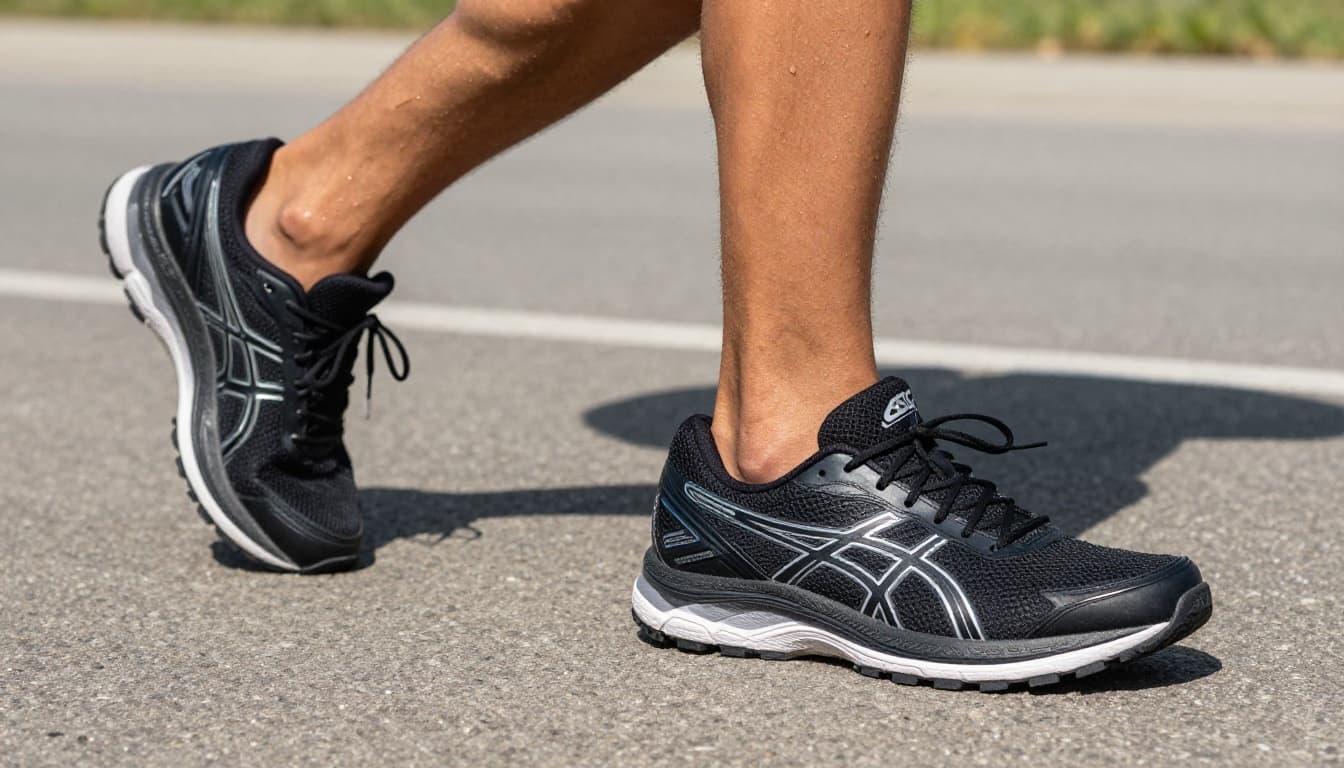
I tested this shoe in April 2026 weather, and the mesh upper held up well once the temperatures climbed. My feet still got warm, because every shoe does on humid miles, but air flow stayed decent on steady runs and recovery jogs. The upper never felt like a sweaty oven.
The sidewall guidance also helped when my stride got a little sloppy. I could feel the shoe keeping me centered without pinching my arch or forcing an awkward correction. That gave me confidence on hot runs, especially when my legs felt flatter than usual.
It handled sweat well, but I wouldn’t call it the best pick for ultra-wet conditions. Once the upper gets soaked, the feel changes a bit and the shoe loses some of its crispness. For dry heat, though, it did exactly what I wanted.
Common Fit Issues and Quick Fixes
For me, the fit was true to size overall, and I didn’t run into major hot spots or blisters. The heel cup held my foot well, the midfoot locked in cleanly, and the toe box gave me enough room for natural toe spread on easy miles.
That said, I can see why some runners mention a narrower forefoot. If you like a lot of wiggle room up front, you may want to check the wide option first, especially if your feet swell during longer runs. I also found that a small lacing tweak helped fine-tune pressure across the top of the foot.
My feet do swell a bit on warmer days, so I tried half a size up on one run. That worked better for me when I wanted extra space without losing lockdown. If you’re unsure about width or length, the safest move is to compare your usual fit with a shoe like the GT-1000 13 before you commit.
The break-in time was short, too. After under 10 miles, the upper stopped feeling new and the ride felt natural, which is exactly what I want from a daily stability shoe.
Road-Tested Performance: How It Handles Daily Miles
After a few hundred miles, a shoe stops hiding. The soft spots show up, the ride either gets old or stays useful, and the small details matter more than the spec sheet. The ASICS GT 1000 13 stayed useful longer than I expected, especially for regular road miles and the odd faster workout.
What stood out most was how steady it felt when the miles piled up. I also kept thinking about runners who need light guidance without a bulky frame, which is why ASICS stability shoes like this one can work so well for daily training. My ASICS stability running shoes guide goes deeper into that category, but here I wanted to see how this model behaved on real runs, not just in theory.
Stability for Overpronators During Long Runs
The Lite-Truss system is the quiet hero here. It gives me enough support to keep my stride cleaner, but it never feels like a hard post under the arch. On long runs, that matters because I don’t want to feel corrected every step. I want the shoe to guide me without announcing itself.
The best sign showed up in my Garmin data. On runs where my form usually drifts late, my cadence stayed more even in the GT-1000 13, and my foot strike looked less messy in the final miles. I didn’t suddenly run like a different person, but I did stay more aligned when fatigue started to creep in. That alone made the shoe feel worth the price.
Compared with earlier ASICS stability models I ran in, this one feels smoother and less blocky. Older versions could feel a little stiff through the midfoot, like they were doing the work for me. The GT-1000 13 is more subtle. It gives me structure without stealing the natural flow of the run.
On long runs, the support is most useful when I stop noticing it.
Speed and Responsiveness on Tempo Days
I would never call this a racer, but I didn’t need it to be one. During tempo work and short intervals, the shoe held its own better than I expected from a budget stability trainer. The transition felt quick enough, and the midsole had just enough pop to keep me from feeling stuck in the ground.
I pushed a 10K PR in these, and that surprised me more than it probably should have. The shoe didn’t make the effort feel easy, but it stayed out of the way when I settled into pace. My workout splits were steady, and I never had to fight the shoe to get moving again after each surge.
That bounce-back feel is real, though it’s controlled. The foam gives me a soft landing, then returns enough energy to keep the turnover moving. If I compare it to more aggressive tempo shoes, the GT-1000 13 is calmer and less lively. Still, for a stability model, it delivers enough snap to make workout days workable.
For runners who want a faster training day shoe with guidance, the difference is clear. The GT-1000 13 is not built to chase PRs alone, but it can absolutely show up for them.
Versatility Across Surfaces and Distances
The GT-1000 13 does its best work on pavement. That is where the outsole grip, support, and cushioning feel most balanced. I used it on dry roads, damp streets, and a few light gravel sections, and it handled those mixed surfaces without drama.
On smoother pavement, the ride felt best. On light gravel, it still held traction well enough for easy pace work, but I would not choose it for rough park trails or loose dirt. The platform is too road-focused for that. If you want a deeper look at support needs for longer efforts, my long-distance running shoe guide covers how stability and cushioning fit into marathon training.
The mileage range is wide enough for most runners. I liked it for:
- Short daily runs when I wanted a low-effort, steady shoe
- Tempo sessions where I needed mild support and a little response
- Half-marathon and marathon training when protection mattered more than speed
- Recovery days after harder workouts, especially when my legs felt flat
It does have limits. The ride is not especially exciting, and it won’t replace a true speed shoe. On loose terrain, the outsole feels competent, not specialized. Even so, for a road-first trainer that can handle a surprising mix of workouts, the asics gt 1000 13 gave me more range than its price suggested.
That mix of support, pace control, and day-to-day comfort is what made it stick in my rotation.
Durability Check: Outsole and Midsole After Heavy Use
This is where a budget stability shoe has to earn its keep. I can forgive a lot on day one, but after 200-plus miles, I want clean tread, steady support, and a midsole that still feels alive. The ASICS GT 1000 13 held up better than I expected, and that is a big reason I keep recommending it for value-minded runners.
Outsole Grip in Wet and Dry Conditions
The AHAR+ outsole stayed reliable well past the early honeymoon phase. On dry pavement, I got a steady, predictable bite with no sketchy moments at push-off. Even after repeated road miles, the tread still looked clean, and the wear pattern stayed even instead of getting chewed up at the heel.
Wet roads told me even more. I hit a few damp runs after light rain, and the shoe kept traction without making me tiptoe. I had rare slips, and most came from slick paint or polished crosswalks, not from the rubber itself. For a shoe in this price range, that is exactly what I want.
If you care about how long a road shoe should last, my shoe replacement guide is a useful reference. The GT-1000 13 looks like it has plenty of miles left when the outsole starts to tell the story.
After heavy use, the tread still looked more like a shoe in midlife than one nearing retirement.
Midsole Longevity and Bounce Retention
The FlyteFoam Blast+ midsole stayed firm in a good way. It never turned wooden, and it never sank into that flat, tired feeling I get from cheaper daily trainers. I felt the same balanced ride late in testing that I felt early on, which says a lot about the foam’s staying power.
I also didn’t notice dead spots under the forefoot or heel. That matters because some shoes lose their pop in one area first, then feel uneven by the time they pass the 150-mile mark. The GT 1000 13 kept its shape and kept its bounce more evenly across the platform.
Compared with some Hoka models, the ride is less plush but more controlled over time. Compared with Brooks stability shoes, it feels a little firmer, yet it keeps that firmness longer without going dull. If I want a budget shoe to stay useful after the fresh foam glow fades, that matters more than a soft first impression.
For me, the value is clear. The ASICS GT 1000 13 looks like a shoe I can keep rotating without worrying about early breakdown, and that makes the price feel even better.
Who Loves the GT-1000 13? Pros, Cons, and Comparisons
The ASICS GT 1000 13 is the kind of shoe I recommend when someone wants support without paying premium-stability prices. It fits best for runners who log regular miles, want a steady platform, and don’t need a max-cushion tank underfoot. For me, that makes it a smart pick for beginners, intermediate runners, and anyone building a simple weekly routine.
I think this shoe works best for overpronators, budget-conscious runners, and road runners who stay in the 5K to 20K range. It feels most at home on easy runs, long-ish daily outings, and steady training blocks. If you want a shoe that protects your legs without feeling bulky, this one lands in a very useful spot. If you want a true race-day pop or plush marathon cushion, I’d look elsewhere.
My rating for the GT-1000 13 is 4.5 out of 5. It earns that score because it gets the basics right and keeps the price in check.
Ideal Runners and Training Types
I see the GT-1000 13 as a daily trainer first. It gives me enough structure for mild to moderate overpronation, so I can run easy miles without thinking about my form every second. That is a big deal for newer runners, because a stable shoe can make the first months of training feel less shaky.
It also fits runners who want one shoe for a lot of tasks. I’d use it for recovery jogs, short long runs, and moderate weekday mileage. If your training stays mostly in the 5K to 20K zone, this shoe gives you plenty of support without asking you to pay for features you may never use.
I would not point elites toward this model. Faster runners usually want a lighter, more aggressive trainer, and this shoe is built more for control than top-end speed. For everyday miles, though, it stays easy to trust.
How It Stacks Up Against Competitors
Against the Saucony Guide, the GT 1000 13 feels like the better value play. The Guide often gives a smoother, more refined ride, but I think ASICS wins on price-to-performance for runners who want solid support without stretching the budget. If you want to compare support options for overpronation, my best running shoes for men’s overpronation guide is a helpful next stop.
Compared with the Brooks Adrenaline, the GT-1000 13 feels a little less plush, but also less expensive. Brooks usually gives you a more traditional stability ride, while ASICS gives you a lighter, simpler package that still gets the job done. If you want a more cushioned premium feel, the Adrenaline may suit you better. If you want to save money and still get dependable support, the GT 1000 13 makes a stronger case.
For runners deciding between these options, I’d keep it simple:
| Shoe | Best Fit | Main Tradeoff |
|---|---|---|
| ASICS GT-1000 13 | Budget stability, daily miles | Less cushion than premium models |
| Saucony Guide | Smooth, balanced training | Usually costs more |
| Brooks Adrenaline | Classic stability and comfort | Heavier price and feel |
Top Pros and Honest Cons from My Runs
I came away with a clear mix of strengths and limits. The pros matter more than the cons for the right runner, but I don’t want to gloss over the gaps.
Pros
- Affordable stability: I got support that felt useful on easy runs without paying Kayano-level money.
- Versatile daily use: It handled recovery jogs, steady miles, and even some tempo work better than I expected.
- Comfortable ride: The cushioning felt smooth enough for longer road runs without getting mushy.
- Good for newer runners: It feels simple, steady, and easy to trust if you’re still figuring out your training rhythm.
- Solid value over time: The shoe kept its shape well enough that I didn’t feel rushed to replace it.
Cons
- Not maximal cushion: If you want a soft, luxurious ride, this will feel a bit restrained.
- Average upper durability: The upper is fine, but it doesn’t feel especially tough or premium.
- Not built for speed-first runners: It can handle workouts, but it is not a true tempo or race shoe.
- Less premium than the Gel-Kayano: The Kayano feels richer and more protective, but it also costs more.
If I had to sum up the GT-1000 13 in one line, I’d call it a dependable stability shoe for runners who want value first and flash later.
Conclusion
The ASICS GT-1000 13 gave me exactly what I wanted from a budget stability shoe, steady support, solid comfort, and enough durability to make the price feel fair. It is not flashy, and it does not try to be. It just does the daily job well, which is why it stayed in my rotation for so long.
My final score is 4.5 out of 5. If I were buying it again, I would watch for sales, check the wide fit if my feet ran hot, and compare prices against other picks in my best running shoes under $150 guide. That gives me the best shot at getting the right size and the best value.
If I needed a stable road shoe for easy miles, long runs, or steady training blocks, I would try the asics gt 1000 13 without hesitation. It fits runners who want support first and a fair price second, and that is a mix I can trust. These carried me through spring training.


