

Best Anti Chafing Balm for Runners Tips for 2026
Seeking what is the best anti chafing balm for runners? Running can feel amazing, like you’re flying. But then, bam! The dreaded chafe hits. It’s that raw, burning feeling that can turn a great run into a miserable experience. Seriously, it’s the worst.
But don’t let it stop you. I will be breaking down exactly what causes it and how to stop it before it even starts. This guide is all about keeping your skin happy, so you can focus on crushing your miles. I will cover everything from picking the right anti chafing balm for runners to simple tricks that make a huge difference.
Key Takeaways
- Chafing happens when skin rubs together or against clothing, made worse by sweat and salt crystals. Think of it like sandpaper on wet skin.
- Anti chafing balm for runners creates a barrier to reduce friction. Look for balms with ingredients like dimethicone, silicones, or natural oils.
- Apply balm before your run to all high-risk areas like inner thighs, underarms, and nipples. Reapply if you’re out for a long time, especially in humid weather.
- Beyond balm, wear moisture-wicking clothes with flat seams and ensure your gear fits well to minimize rubbing.
- If you do chafe, clean the area gently with cool water, pat dry, and apply a healing balm like diaper rash cream or petroleum jelly to protect it while it heals.
Understanding the Friction: What Causes Chafing
Chafing. It’s that unwelcome sting, that raw feeling that can turn a great run into a miserable experience. But what exactly is going on when your skin starts to protest? It all boils down to friction, plain and simple. Think of it as your skin getting irritated from being rubbed the wrong way, over and over again. This isn’t just a minor annoyance; it’s a form of irritant contact dermatitis, where the repetitive motion grinds down the skin’s outer layers.
The Science Behind Skin Irritation
When you run, especially for longer distances or in certain conditions, your skin is constantly moving against itself or against your clothing. This repeated rubbing creates heat and pressure. The more friction there is, the more the skin’s protective barrier gets compromised. Initially, you might just feel a bit of warmth or a slight sting. This is your skin’s way of telling you it’s under stress. If the rubbing continues, the outer layers of the skin can start to break down, leading to redness, tenderness, and that signature burning sensation. It’s like sandpaper on a delicate surface – eventually, something’s got to give.
Build Your Running Performance System
Move from research to action with training, recovery, nutrition, pacing, and performance tools built for runners.
More Guides for This Runner Goal
The Role of Sweat and Salt Crystals
Now, let’s talk about sweat. While it’s a natural and necessary part of keeping cool, it’s also a major player in the chafing game. When your skin gets wet, it becomes softer and more pliable, making it much more susceptible to damage from friction. It loses some of its natural toughness. Then there’s the salt. Your sweat contains salt, and as the moisture evaporates, these salt crystals are left behind. These tiny crystals can act like microscopic bits of grit, further irritating the already stressed skin with every single movement. It’s a double whammy: wet skin is weaker, and the salt left behind adds an abrasive element.
Identifying High-Risk Friction Zones
Certain areas of your body are just more prone to chafing than others. These are the places where skin meets skin or where clothing tends to rub the most:
- Inner Thighs: Especially common for runners, the constant motion of the legs rubbing together can be brutal.
- Underarms: The repetitive motion of your arms can cause fabric or skin to chafe here.
- Nipples: For some runners, especially men, the friction from a shirt or sports bra can lead to painful irritation.
- Inner Groin/Buttocks: Areas where skin folds or where shorts can bunch up are also common culprits.
- Bra Lines (for women): The constant rubbing of a sports bra, particularly if it’s not fitting perfectly or is made of a rough material, can cause significant chafing.
Understanding these common spots is the first step in preventing the dreaded burn before it even starts. It’s all about anticipating where the friction is going to be the worst and taking steps to protect those areas.
Choosing Your Anti Chafing Balm for Runners
So, you’re out there pounding the pavement, feeling good, and then BAM! That familiar sting starts. Chafing is the worst, right? It can turn a great run into a miserable experience faster than you can say ‘ouch’. But the good news is, picking the right anti-chafing balm can make a world of difference. It’s not just about slapping on any old cream; there are some things to consider to really beat the burn.
Balm vs. Petroleum Jelly: A Comparative Analysis
Okay, let’s talk about the classic options. Petroleum jelly is what a lot of people reach for first. It creates a barrier, sure, but it can also trap heat and sweat, making things worse sometimes. Plus, it can get pretty messy and smear onto your clothes. On the other hand, many modern anti-chafing balms are designed differently. They often use ingredients like dimethicone, which forms a breathable layer. This means it cuts down on friction without making your skin feel like a sauna or leaving greasy marks on your favorite running gear. The goal is a smooth glide, not a sticky mess.
Key Ingredients for Effective Friction Defense
When you’re scanning the labels, look for a few key players. Silicone-based ingredients are great because they create a slick surface that reduces friction. Things like dimethicone are often found in these. You’ll also see ingredients like shea butter or various plant-based oils that act as emollients, keeping your skin soft and less prone to irritation. Some balms also include things like Vitamin E or calendula, which can help soothe skin if it’s already a bit angry. Basically, you want a mix of things that block friction and keep your skin in good shape.
Here’s a quick rundown of what to look for:
- Silicone-based slip agents: These are the heavy hitters for reducing friction.
- Film formers: Ingredients that help the product stay put, even when you’re sweating buckets.
- Non-comedogenic emollients: These moisturize without clogging pores.
- Fragrance-light profiles: Especially if you have sensitive skin.
Considering Fabric Compatibility and Breathability
This is a big one that often gets overlooked. You’ve got your fancy moisture-wicking shorts and shirts, and you don’t want your anti-chafing product to ruin them. Some products can leave residue or even damage technical fabrics over time. Look for balms that are specifically labeled as textile-friendly.
The best ones allow your skin to breathe while still providing that protective barrier. This means sweat can evaporate, which is important for temperature regulation and preventing that soggy, friction-prone skin. You don’t want something that seals you in like plastic wrap. A good balm works with your gear, not against it. For example, some products have been tested and found to leave zero residue on compression shorts even after multiple washes, which is exactly what you want. Check out some options that are known to be gentle on fabrics.
Application Strategies for Maximum Protection
Alright, so you’ve got your anti-chafing balm, and you’re ready to hit the road. But how you put it on makes a huge difference. It’s not just about slathering it everywhere; it’s about smart application for the best results.
Getting the most out of your anti-chafing balm really comes down to a few key things: when you apply it, how much you use, and where you put it. Think of it like prepping for a long journey – you wouldn’t just throw your bags in the car and hope for the best, right? Same idea here.
Pre-Run Application Techniques
This is your first line of defense. Applying the balm before you even start running creates a protective barrier that lasts. The goal is to create a smooth surface where friction would normally grab.
- Clean and Dry Skin: Always start with clean, dry skin. If you’ve just showered, great. If not, a quick wipe-down to remove sweat and dirt is a good idea. Applying balm over damp or dirty skin can actually make things worse.
- Generous, Even Coat: Don’t be shy with it. Apply a noticeable, even layer to all the areas you know are prone to chafing. This includes inner thighs, underarms, nipples (for some runners!), and anywhere your gear might rub.
- Focus on Hotspots: Really concentrate on those known trouble spots. If you’ve had issues before, give those areas a little extra attention. A thin layer is often enough for general coverage, but hotspots might need a bit more.
- The “Sock-Liner Sandwich” (for Feet): If foot blisters are your nemesis, try this trick. Apply balm to your feet, put on a thin liner sock, then apply another light layer of balm to the liner sock over any hot spots. Finally, pull on your regular running sock. The liner sock helps keep the balm in place and absorbs excess moisture.
Mid-Run Reapplication Guidelines
For longer runs, especially in hot or humid conditions, a single application might not be enough. Sweat and movement can break down the balm over time. Reapplying strategically can save you from a world of hurt.
- Know Your Time Limits: A general rule of thumb is to consider reapplication every 90 minutes to two hours for humid conditions, and perhaps every three hours in dry climates. This can vary a lot based on your sweat rate and the specific product you’re using.
- Pack Smart: Carry a small, travel-sized balm with you. Many brands offer mini twist-up sticks that are lightweight and easy to stash in a running belt or small pocket. It’s better to have it and not need it than to desperately need it and be without.
- Quick Touch-Ups: When you do reapply, aim for a quick, efficient process. If you can stop briefly, towel off the area, apply a fresh swipe, and keep moving. Don’t let it turn into a major production.
Targeted Application for Specific Hotspots
Sometimes, chafing isn’t an all-over problem; it’s a specific, nagging issue in one or two places. Identifying these hotspots and treating them directly is key.
- Listen to Your Body: Pay attention during your runs. That little bit of irritation you feel early on? That’s your cue. Don’t wait for it to become a full-blown burn.
- Inner Thighs: This is probably the most common culprit. A good swipe along the entire length of where your thighs rub together is usually sufficient.
- Underarms: Especially if you have looser-fitting shirts or are doing a lot of arm movement, this area can get raw. Apply balm directly to the skin before your run.
- Nipples (for some!): Many male runners experience nipple chafing from shirt friction, especially on long runs or in wet weather. A small amount of balm applied directly to the nipple can prevent this.
- Sports Bra Lines: For female runners, the edges of a sports bra can cause irritation. Apply balm along the bottom band and under the straps where they meet the skin.
Remember, the best application is one that prevents the problem before it starts. It might take a little experimentation to find what works best for your body and your running style, but the payoff in comfort is absolutely worth it. Don’t let chafing cut your runs short or ruin your race day.
For more on how different conditions affect chafing, check out this guide on climate and conditions. It can help you adjust your strategy based on the weather.
Beyond the Balm: Holistic Chafe Prevention
Okay, so you’ve got your anti-chafing balm, and that’s a solid start. But honestly, relying on just one thing to keep your skin happy on long runs is like bringing a spoon to a sword fight. You need a whole strategy, a whole system, to really keep that friction monster at bay. Think of it as building a fortress around your skin.
The Importance of Moisture-Wicking Fabrics
This is huge. Your clothes are your first line of defense, even before the balm. Cotton? Forget about it. It soaks up sweat like a sponge and just sits there, making things worse. You want fabrics that pull that moisture away from your skin. Merino wool is pretty amazing for this, especially the super fine stuff.
It wicks sweat like crazy and doesn’t get stinky after one wear, which is a bonus for multi-day trips or just, you know, not smelling bad. Synthetics are also good, especially if it’s pouring rain. They don’t absorb much water at all, so they stay lighter and don’t chafe as much when they’re soaked.
- Merino Wool: Great for odor control and wicking, especially finer grades.
- Synthetics (Polyester, Nylon): Excellent at repelling water, good for very wet conditions.
- Avoid Cotton: Holds moisture, increases friction.
Seam Placement and Gear Fit
It’s not just the fabric, it’s how it’s put together and how it fits. Seams are notorious chafe points. Look for flatlock seams – they lie flat against your skin and are way less likely to rub. Overlock seams, the ones that look like a little chain, can be more noticeable. Also, think about where those seams are placed.
On running shirts, seams that are shifted forward on the shoulder are better than ones right on top. For cycling shorts or bibs, a gusseted crotch (that little diamond-shaped piece of fabric) can make a big difference by moving seams away from high-friction areas. And fit? Too tight is bad, but too loose is also bad because the fabric can bunch up and create its own friction points. You want gear that moves with you, not against you.
Skin Health and Preparation
Your skin itself needs to be in good shape. Keeping it moisturized (but not greasy!) in general can help. Before a run, especially a long one, make sure the areas prone to chafing are clean and dry before you apply your balm. Some people even use a bit of tape over known hot spots if they’re really worried. And after your run? Clean that skin up. Get rid of sweat and salt. If you do get a little irritation, treating it right away with something soothing can prevent it from becoming a bigger problem.
Taking care of your skin before, during, and after your runs is just as important as the miles you put in. It’s about respecting your body and giving it the best chance to perform without pain.
So yeah, the balm is great, but don’t stop there. Layer up with the right clothes, pay attention to how your gear is made and how it fits, and keep your skin healthy. That’s the real ticket to staying chafe-free, mile after mile.
Dealing with Chafing When It Happens
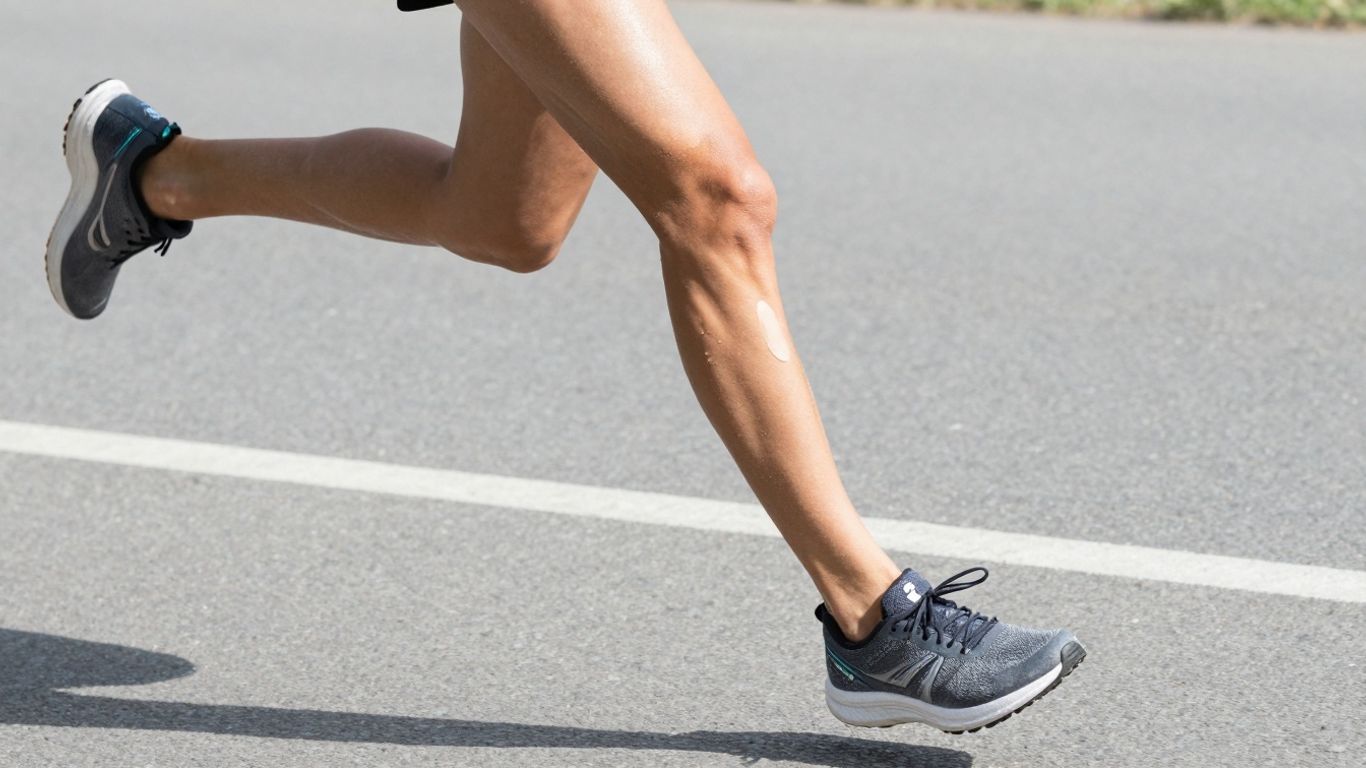
So, you pushed a little too hard, or maybe the weather turned unexpectedly humid, and now you’ve got that tell-tale sting. Chafing happens, even to the most prepared runners. The good news is, you can manage it and get back to feeling comfortable pretty quickly. It’s all about knowing what to do when the burn shows up.
Immediate Post-Chafe Care
When you feel that friction starting to bite, don’t just ignore it. The first step is to stop the rubbing. If you’re mid-run, try to adjust your clothing or take a brief pause. Once you’re done with your run, it’s time for some TLC for your skin. Gently clean the affected area with mild soap and cool water. This is super important because it helps wash away sweat, salt, and any tiny bits of debris that can make the irritation worse. After cleaning, pat the area dry very carefully – no rubbing! You want to be as gentle as possible.
Promoting Fast Healing and Recovery
After cleaning and drying, you need to create a protective barrier to let your skin heal. Think of it like giving your skin a little shield. Applying a balm or a barrier cream can really help. Look for products with ingredients like zinc oxide or dimethicone; they create a smooth surface and prevent further friction.
Keeping the area clean and dry is key, but if the skin is broken, a light application of an antibiotic ointment might be necessary to ward off any nasty infections. You might also want to wear looser clothing for a day or two to give the skin a break. Sometimes, a simple bandage can offer protection if you have to wear tighter gear.
Knowing When to Seek Professional Advice
Most of the time, chafing is a manageable nuisance. But sometimes, it can get a bit more serious. If you notice signs of infection – like increased redness, swelling, pus, or if the area feels unusually hot to the touch, it’s time to see a doctor.
Also, if you have blisters that are very large or painful, or if the skin is deeply broken and not improving after a few days of home care, professional medical advice is a good idea. They can assess the situation and prescribe stronger treatments if needed, like prescription creams or antibiotics. Don’t hesitate to reach out if you’re concerned; your skin’s health is important, and getting it checked can prevent bigger problems down the road.
Closing Thoughts
. Chafing is a real pain, literally, but it doesn’t have to be part of your running routine. By understanding what causes it and using the right anti-chafe balm, you can make a huge difference. Remember to prep your skin before you head out, reapply if you’re going long or it’s super humid, and don’t forget about your gear. A little bit of prevention goes a long way, saving you from those miserable miles of raw skin. Keep that balm handy, and focus on enjoying your run, not the burn.
Frequently Asked Questions
What exactly causes chafing when I run?
Chafing happens when your skin rubs against itself or your clothing over and over. Think of it like sandpaper. When you sweat, your skin gets soft and sticky, making it easier to tear. Plus, the salt in your sweat can act like tiny rough bits, making the rubbing even worse and potentially leading to tiny cuts where germs can get in.
Is anti-chafing balm better than using something like Vaseline?
While Vaseline can help, some anti-chafing balms are designed to be more breathable. Vaseline can sometimes trap heat and sweat, and might smear onto your clothes. Good anti-chafing balms create a protective layer that lets your skin breathe while still reducing friction, keeping both your skin and your gear cleaner.
How often should I put on anti-chafing balm during a long run?
It depends on the weather! If it’s really humid or you’re sweating a lot, you might need to reapply every couple of hours. On cooler, drier days, you might be able to go three hours or even longer. It’s always a good idea to pack a small stick or tube with you just in case you need a quick touch-up.
Can I use anti-chafing balm if I already have a rash from chafing?
Yes, you can, but make sure the area is clean and dry first. Some balms have ingredients like Vitamin E or calendula that can help calm down redness and protect the sore skin. It acts like a shield, helping to prevent further irritation and making it less painful when you shower.
Besides balm, what else can I do to prevent chafing?
Wearing the right clothes is super important! Look for fabrics that pull sweat away from your skin, like those made of polyester or spandex, and avoid cotton. Also, pay attention to how your clothes fit – seams that lie flat and don’t rub in the wrong places can make a big difference. Keeping your skin healthy and moisturized also helps.
When should I worry about chafing and see a doctor?
Most chafing is just annoying, but if the area gets really red, warm to the touch, starts to swell, or you see any pus, it might be infected. If you get a fever or the rash spreads, it’s definitely time to see a doctor. They can check if you need medicine, like antibiotics, to help it heal properly.


