

Amazfit Bip Max vs Garmin Forerunner 165: Which Running Watch Is Better?
Every runner knows the frustration of staring at a dead GPS screen mid-stride. Your training progress depends on reliable data, yet choosing between budget friendliness and advanced training features often feels like a guessing game.
The matchup of Amazfit Bip Max vs Garmin Forerunner 165 pits two very different philosophies against each other. One option prioritizes maximum value for casual daily tracking, while the other builds a direct bridge to serious racing success.
Choosing the right device changes your entire training trajectory because accurate pacing dictates race day execution. Let us look at how these two watches compare when the rubber hits the road.
Design, Display, and Daily Wearability
Choosing a running watch means finding a device that disappears on your wrist during a hard effort while remaining completely legible when sweat stings your eyes. The Amazfit Bip Max and the Garmin Forerunner 165 approach this balance from different angles. One leans into a lightweight, value-driven build, while the other packs dedicated athletic engineering into a compact frame.
Build a Smarter Running Watch Setup
Compare the right watch, understand the training data that matters, and choose a model that fits your workouts, racing, recovery, and long-term goals.
More GARMIN and Running Watch Guides
Screen Quality and Brightness Outdoors
When you chase intervals under a glaring midday sun, a dim screen ruins your workout rhythm. The Garmin Forerunner 165 uses an AMOLED display that punches through direct sunlight with vivid contrast and sharp color reproduction. Data fields pop off the glass so you can glance at your current pace without breaking your stride. AMOLED screens require extra battery management, but the payoff is absolute clarity when daylight is at its harshest.
The Amazfit Bip Max takes a different approach by relying on display tech that often favors battery longevity and high-light visibility in a more understated manner. Bright outdoor conditions actually help reflective panels shine because ambient light boosts contrast instead of washing out the pixels.
However, heavy cloud cover or dusk conditions demand a reliable backlight to keep your splits visible. Both watches keep your core metrics front and center, yet the Garmin delivers punchier colors while the Amazfit prioritizes endurance under the open sky.
Weight and Comfort on Long Runs
Comfort dictates whether a watch stays on your wrist for twenty miles or gets tossed into your gym bag in frustration. Heavy hardware bounces uncomfortably during high-cadence strides, which eventually causes chafing or skin irritation.
- The Garmin Forerunner 165 uses a supple silicone strap that hugs the wrist securely without trapping excessive sweat or moisture.
- The Amazfit Bip Max features a featherlight chassis that feels almost invisible, making it an easy companion for sleep tracking and all-day wear.
- Both models distribute their weight evenly, preventing the watch head from pulling toward one side during steep climbs or fast descents.
During high-mileage weeks, small annoyances turn into major friction points. The buckle systems on both devices stay locked in place even when your skin swells from heat and exertion. If you prefer a watch that disappears completely under long-sleeve running layers, the slimmer profile of the Amazfit wins minor points. On the other hand, runners upgrading from traditional sports gear will recognize the secure, purpose-built fit of the Garmin immediately.
GPS Accuracy and Mapping Performance
Signal Lock Speed and Multi Band Support
Your morning run starts long before you cross the front door, often beginning with an impatient tap on your wrist while you wait for a satellite connection. GPS performance defines how much standing around you must endure before your workout actually registers. The Amazfit Bip Max and the Garmin Forerunner 165 handle cold starts quite differently when you step outside into a concrete canyon of tall apartment buildings.
Garmin relies on a mature GNSS chipset that locks onto satellites within seconds, even when overhead cover blocks a clear view of the sky. Meanwhile, the Amazfit Bip Max takes a slightly longer route, sometimes forcing you to pause for twenty or thirty seconds while it triangulates your position. That delay becomes frustrating when winter mornings bite hard and you just want to get moving.
Multi-band support changes the equation entirely when you push deep into dense urban environments or run under heavy evergreen canopies. The Forerunner 165 utilizes advanced frequency bands to filter out signal reflections bouncing off glass skyscrapers. Traditional single-band GPS units often struggle in these tight spaces, leading to erratic track lines that make your easy recovery jog look like a zigzagging disaster.
- Single-band receivers work fine in open suburban parks, but they stumble when tall obstacles block line-of-sight satellite communication.
- Dual-frequency tracking reads multiple signals simultaneously, punching straight through interference to keep your recorded pace steady.
- Urban runners benefit immensely from multi-band hardware because it prevents sudden pace drops caused by signal bounce.
If your daily route weaves through downtown concrete canyons, the superior satellite acquisition of the Garmin keeps your pacing data honest. On the other hand, open country roads and rolling rural trails pose zero challenge for either watch, yielding nearly identical tracking fidelity once the initial lock is secured.
Course Tracking and Navigation Features
Knowing where you are on a map separates a satisfying adventure from a stressful wrong turn in unfamiliar territory. When you upload a complex GPX file to your wrist, the watch must translate those coordinates into actionable cues that keep you moving forward.
The Garmin Forerunner 165 includes preloaded route capabilities and breadcrumb trails that shine when you explore new territory. Turn-by-turn alerts buzz your wrist precisely when an intersection approaches, preventing missed corners during high-speed efforts. If you veer off the planned path, the device signals an off-course warning so you can correct your trajectory immediately.
The Amazfit Bip Max offers basic navigation tools that handle simple point-to-point tracking well enough for casual weekend jogs. However, it lacks the detailed mapping depth and immediate rerouting feedback found on dedicated running platforms.
Breadcrumb trails on the Garmin display a crisp line over a stark background, making it simple to retrace your steps if a trail vanishes under fresh snow or autumn leaves. When you evaluate the Amazfit Bip Max vs Garmin Forerunner 165 for pure navigational confidence, the Garmin provides a sturdier safety net for remote adventures. Complex training blocks demand gear that guides your steps without hesitation, and dependable mapping prevents wasted miles when fatigue sets in.
Training Metrics and Recovery Insights
Raw data means nothing until software translates those digits into a clear picture of your physical state. When you evaluate the Amazfit Bip Max vs Garmin Forerunner 165 on the software side, you examine how each brand turns nighttime restlessness and hard intervals into a coherent plan for tomorrow.
Heart Rate Monitor Precision
Optical wrist sensors battle constant movement, sweat, and varying blood flow when you push through high-intensity efforts. During steady recovery jogs, both watches lock onto your pulse easily and match chest strap data within a few beats per minute. However, hard interval sessions expose the limits of optical technology on the wrist.
When you surge up a steep hill or hit a fast track repeat, the Garmin Forerunner 165 reacts quickly to sudden heart rate spikes. Its sensor architecture filters out cadence lock, which is a common failure where the watch mistakes your running steps for your pulse. On the other hand, the Amazfit Bip Max exhibits a slight lag of five to ten seconds during rapid accelerations. That delay blunts your view of short intervals because the graph catches up only after you finish the effort.
If you build your workouts around precise heart rate zones, the faster sampling rate of the Garmin prevents you from overshooting your targets. Steady-state runners will find little difference between the two, but speedwork enthusiasts need a sensor that tracks every sudden cardiac shift without hesitation.
Training Readiness and Sleep Tracking
Recovery determines whether your next workout builds fitness or digs a deeper hole of fatigue. Both watches monitor your sleep stages automatically, but they interpret that rest quite differently when morning arrives.
Garmin feeds your sleep duration, HRV status, and recent training load into a single training readiness score. If you sleep poorly after a heavy threshold session, the watch tells you to back off and offers alternative lower-intensity workouts. That advice helps prevent burnout before it starts.
Amazfit provides comprehensive sleep breakdowns and nightly breathing scores, yet its actionable training advice remains somewhat basic. It tracks your stats accurately, but it leaves you to guess how those numbers impact your actual running capacity for the day. When you want a device that acts as an automated coach rather than just a data logger, the deeper ecosystem integration of the Garmin gives you a distinct advantage on race preparation days.
Battery Life and Power Management
Energy efficiency separates a reliable training tool from an electronic paperweight. Every charge cycle represents precious time away from structured training, so managing power output effectively dictates how much freedom you have between wall sockets.
Charging Speeds and Daily Convenience
When you plug in a running watch after a hard week of intervals, you want a rapid recovery so you can get back to tracking sleep and steps without delay.
The Garmin Forerunner 165 usually goes from zero to full power in roughly an hour, fitting easily into a quick window while you shower and prep your post-run meal. Meanwhile, the Amazfit Bip Max stretches its endurance across multiple weeks in standard smartwatch mode, reducing your overall contact time with the charging cable. However, that massive battery capacity on the Amazfit means refueling takes longer when the percentage finally dips into the red.
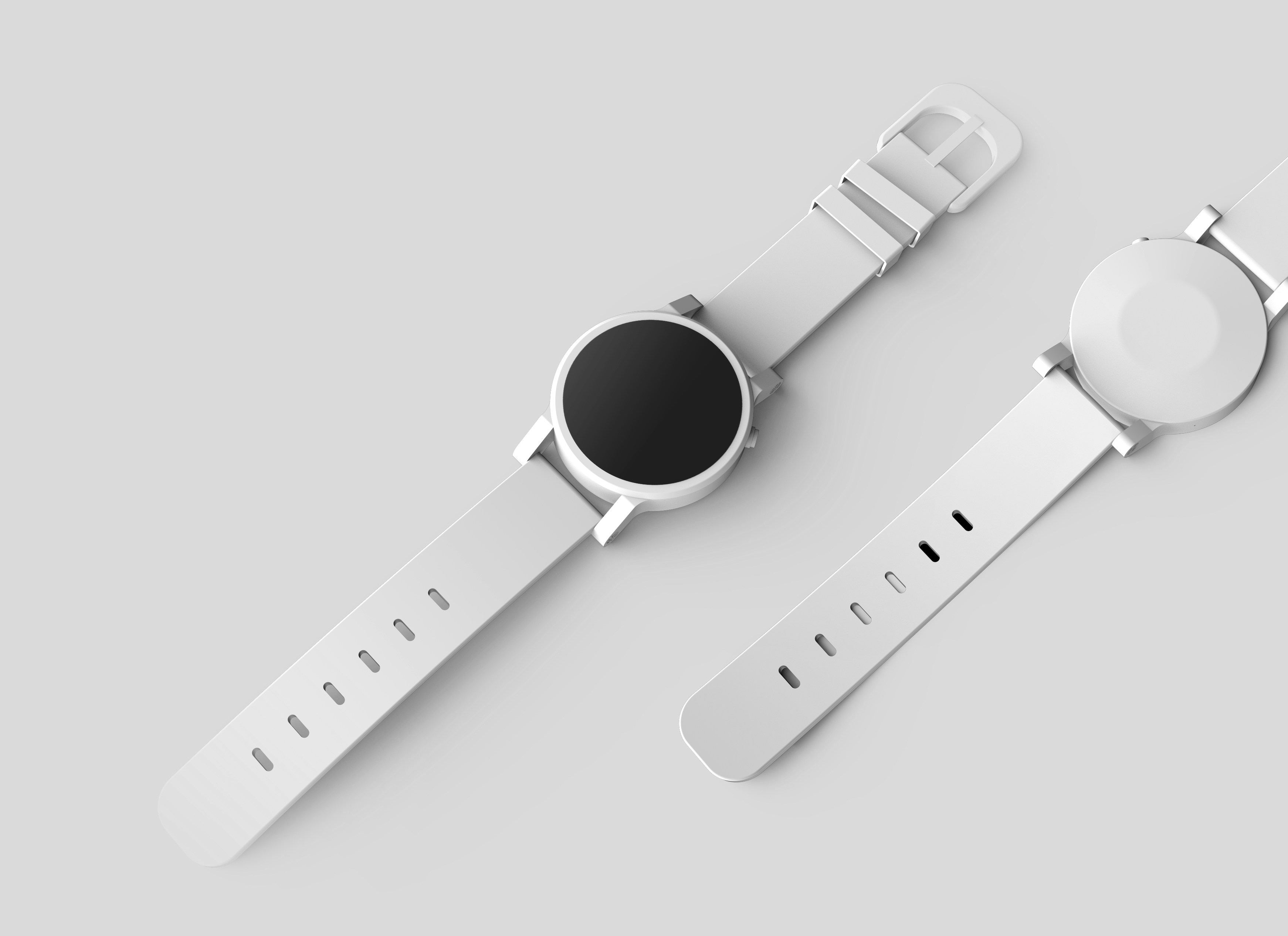 Real world battery longevity depends entirely on how often you engage power-hungry satellite tracking. In active GPS mode, the Garmin burns through its reserves much faster because its multi-band hardware continually queries overhead constellations to maintain pinpoint accuracy.
You can expect around fifteen to nineteen hours of continuous tracking from the Garmin depending on your satellite settings, which easily covers a standard marathon build or an all-day weekend adventure. On the other side of the comparison, the Amazfit Bip Max leverages its minimalist software architecture to stretch GPS tracking hours further, making it a strong contender for ultra-distance runners who hate carrying external power banks.
Smartwatch mode tells a different story about daily wearability. The Amazfit lasts up to fourteen days or more under typical notification loads, while the Garmin requires a top-off every week or ten days depending on your screen timeout preferences. If you detest the ritual of weekly charging, the Amazfit wins on pure endurance. If you prefer rapid energy replenishment paired with high fidelity sensor output during tough workouts, the Garmin balances speed and capacity efficiently.
Smartwatch Features and Ecosystem Integration
Modern wrist hardware acts as an extension of your smartphone, pulling notifications, music controls, and payment systems directly onto your skin. Evaluating the Amazfit Bip Max vs Garmin Forerunner 165 requires looking beyond raw running metrics to see how smoothly these digital tools operate during daily life.
App Usability and Data Syncing
Companion mobile apps serve as the control center for your entire athletic profile. When you finish an exhausting threshold run, you want your workout stats transferred to your phone instantly without forcing you to fiddle with bluetooth settings.
The Garmin Connect application organizes massive amounts of training data into clean, digestible dashboards. Syncing happens almost instantaneously the moment you open the app, pulling in your pace charts, training load metrics, and recovery status without missing a beat.
On the other hand, the Zepp companion app powering the Amazfit Bip Max delivers a colorful and highly customizable interface. However, its syncing process occasionally stumbles, requiring manual refreshes when you pull up a complex workout summary after a long weekend effort.
- The Garmin ecosystem prioritizes structured training analytics, placing your weekly mileage and VO2 max estimates front and center.
- The Amazfit platform leans toward general wellness tracking, bundling sleep scores, step counts, and stress metrics into bright visual widgets.
- Both apps push firmware updates regularly, though Garmin handles background synchronization with fewer dropped connections.
Music storage and contactless payments further separate these two ecosystems. Garmin includes onboard audio storage on select variants of the Forerunner 165, allowing you to leave your heavy smartphone behind while you log miles to your favorite running playlist.
Garmin Pay also lets you grab a post-run recovery smoothie without dragging along a wallet or phone. The Amazfit Bip Max relies heavily on your nearby phone for media playback controls and lacks robust tap-to-pay capabilities in many regions. If you want a truly standalone device that handles daily digital errands while you train, the Garmin ecosystem provides a much tighter and more reliable software bridge.
Value for Money and Which Watch to Buy
Price often dictates your final gear choice because high-end electronics demand a serious financial commitment. You must decide whether you want a device that covers basic athletic needs without draining your bank account or a specialized instrument built for serious racing goals.
Pricing and Affordability Breakdown
The Amazfit Bip Max sells at a budget-friendly price point, targeting runners who want reliable step counting and basic GPS tracking without overspending. You get massive battery longevity and daily health metrics for a fraction of the cost of premium sports watches.
On the other hand, the Garmin Forerunner 165 commands a higher price because it packs specialized running dynamics, AMOLED display technology, and advanced training readiness software into its chassis. That extra financial outlay buys you an ecosystem designed specifically to lower your race times and prevent overtraining injuries.
Matching Your Watch to Your Running Goals
Your personal running habits determine which device delivers the best return on investment. If you run a few casual miles each week and prioritize long intervals between charges, the Amazfit Bip Max provides incredible value. However, if you chase personal records, follow structured interval sessions, and need precise heart rate monitoring during hard efforts, the Garmin Forerunner 165 is the smarter financial choice because its advanced software directly influences your training progress.
Conclusion
Choosing between the Amazfit Bip Max and the Garmin Forerunner 165 depends on your daily training targets. If you want endless battery life and basic step tracking for casual weekend jogs, the Amazfit fits your needs.
However, runners chasing personal records need specific tools. The Garmin Forerunner 165 provides the precise heart rate data, fast satellite locks, and recovery insights required to hit your racing goals.
Which device matches your current running schedule, and are you ready to upgrade your wrist hardware for race day?


