

Amazfit Active 3 Premium vs Garmin Forerunner 165: Which Should You Buy?
You stand at the crossroads of smart style and raw running data, staring down two distinct paths for your wrist. The Amazfit Active 3 Premium vs Garmin Forerunner 165 debate forces you to choose between brilliant AMOLED aesthetics with smart features and focused, reliable GPS tracking built specifically for runners. Choosing the right device means weighing everyday battery life, screen brilliance, and exact training metrics to match your specific goals on the road.
Design and Display Faceoff
Your running watch spends most of its life strapped tightly to your wrist, enduring sweat, rain, and constant motion. Because of this, hardware choices matter immensely when you look at the Amazfit Active 3 Premium vs the Garmin Forerunner 165. Both watches lean heavily into modern display technology, yet they approach physical durability and daily wearability from distinctly different angles.
AMOLED Screen Brilliance
Punchy colors and deep blacks define the visual experience on both wrists. The AMOLED panels inside these devices push brightness levels high enough to combat harsh midday sun without forcing you to squint mid-stride. When you glance down during a hard threshold interval, your current split time and heart rate pop off the glass with crisp clarity. Touch responsiveness remains snappy on both models, allowing you to swipe through data screens even when your fingers are slick with sweat.
Wrist Comfort and Build Quality
Daily wearability separates a dedicated training tool from an uncomfortable gadget you eventually leave on the nightstand. Lightweight polymer cases keep both watches from bouncing around during a long, fast tempo run. Soft silicone straps manage moisture well, although you can easily swap them out for nylon bands if your skin reacts poorly to rubber over high-mileage weeks.
The Amazfit Active 3 Premium leans toward a polished aesthetic that transitions smoothly from office meetings to track workouts. Meanwhile, the Garmin Forerunner 165 maintains a rugged, runner-first profile that feels at home on muddy trails and post-race brunch tables alike.
GPS Accuracy and Training Tracking
You need a watch that locks onto satellites instantly when you step out the door. The Amazfit Active 3 Premium and the Garmin Forerunner 165 take different routes to map your miles. Therefore, examining their connection speeds and training tools helps you pick the right companion for your daily runs.
Satellite Connection Speed
Waiting for a GPS signal on a freezing morning drains your patience fast. The Garmin Forerunner 165 uses multi-constellation support to lock onto satellites in seconds, even near tall apartment buildings. Meanwhile, the Amazfit Active 3 Premium takes a bit longer to find its initial fix unless you sync your phone beforehand to grab the latest satellite data. Heavy tree cover slows both watches down, but Garmin holds its signal stability better when you plunge deep into wooded trails.
Running Metrics and Workout Tools
Chasing a new personal record requires precise data feedback during your intervals. The Garmin Forerunner 165 includes native wrist-based running dynamics like cadence and stride length without requiring an external chest strap. On the other hand, the Amazfit Active 3 Premium offers robust heart rate zones and custom interval builder tools that rival Garmin’s ecosystem.
- Garmin Coach: Adaptive training plans adjust dynamically based on your actual recovery and sleep scores.
- Zepp Coach: AI-generated running schedules push workouts directly to your wrist based on your target race date.
- Heart Rate Precision: Both devices track beats per minute accurately, although Garmin reacts faster during sudden sprint repeats.
You can load structured workouts into either device before heading out for a threshold run. If you want deep performance analytics right on your wrist, Garmin gives you a slight edge. Still, Amazfit packs enough training tools to satisfy most dedicated runners looking to break barrier times.
Battery Life and Charging Realities
Every runner knows the frustration of discovering a dead battery five minutes before heading out the door. The Amazfit Active 3 Premium and the Garmin Forerunner 165 manage their power supplies differently, which directly changes how often you plug them into the wall. Evaluating these power profiles helps you choose a device that keeps up with your weekly mileage without constant supervision.
GPS Mode Endurance
A two-hour long run puts heavy strain on internal components, testing how well a watch holds a satellite lock while constantly refreshing pace and distance metrics. During a grueling 120-minute weekend effort, the Garmin Forerunner 165 steadily burns through roughly six to eight percent of its total battery capacity when running standard GPS tracking.
Meanwhile, the Amazfit Active 3 Premium consumes a remarkably similar amount, dropping around seven percent during the same duration. Both devices handle long training blocks with ease, so you won’t return home staring at a black screen.
However, turning on multi-band satellite modes on either watch accelerates power depletion significantly. If you train for marathons and spend hours out on the pavement every weekend, both options give you more than enough juice to survive long training schedules without constant anxiety.
Smartwatch Mode Staying Power
Between workouts, your running watch pulls double duty by monitoring sleep stages, stress levels, and daily step counts. The Garmin Forerunner 165 typically lasts up to eleven days in standard smartwatch mode when you keep continuous heart rate monitoring active and receive phone notifications.
On the other hand, the Amazfit Active 3 Premium stretches past that mark, often delivering up to fourteen days of regular use before demanding a recharge. This extra endurance means you can pack your bags for a week-long trip and leave the proprietary charging cable sitting safely at home. Busy runners benefit greatly from these extended cycles because charging happens just two or three times a month instead of every single weekend.
Ecosystem and Software Experience
Your watch is only as smart as the companion application living on your phone. When you look at the Amazfit Active 3 Premium versus the Garmin Forerunner 165, the software philosophy dictates how you interact with your training data every single day. One ecosystem is built on decades of athletic metrics and community tradition, while the other prioritizes modern visual flair and straightforward wellness dashboards.
Garmin Connect Depth
Garmin Connect is a heavyweight in the endurance sports community. Over the years, the platform has grown into a massive repository for runners, cyclists, and triathletes who obsess over every heartbeat and elevation gain. When you open the app on your phone, you face a wall of charts, graphs, and performance indicators that reveal your exact training load, heat acclimation, and sleep efficiency.
Building structured workouts inside Garmin Connect takes minutes, and you can push complex interval sessions straight to your wrist without friction. You can also join running groups, compete against friends on weekly step leaderboards, and trace your historical progress across years of training logs. Although the interface feels cluttered at first glance, the sheer depth of analytical data satisfies runners who want total control over their preparation.
Zepp App Usability
The Zepp application takes a radically different approach to user experience. Amazfit designs its software for maximum visual appeal and straightforward daily tracking. The dashboard organizes your metrics into clean, colorful modules that are easy to digest before you finish your morning coffee.
Health insights appear as simple daily scores, helping you gauge your physical readiness without forcing you to decode complicated training loads. Sleep tracking breakdowns and stress monitoring sit front and center, giving you a holistic picture of your recovery.
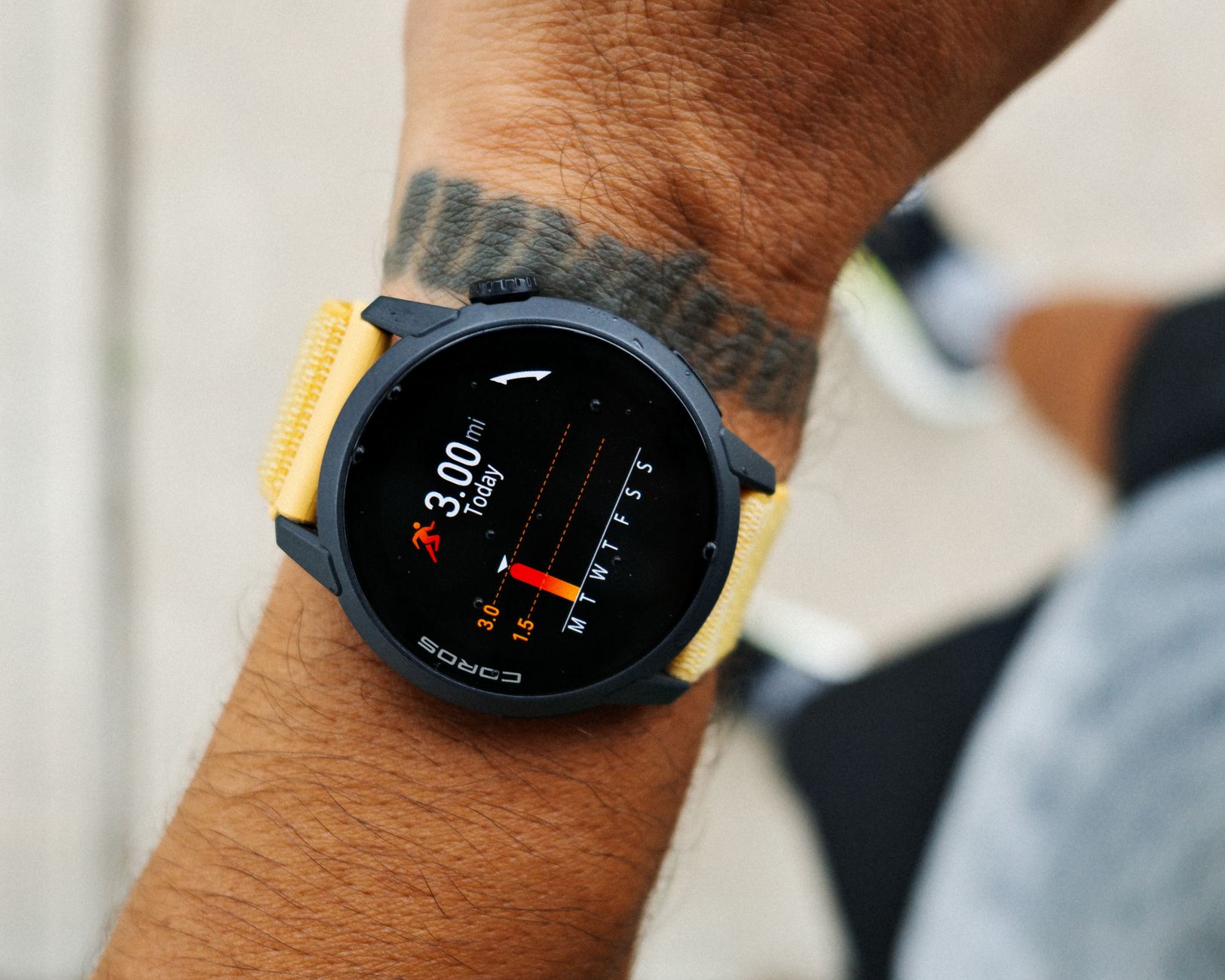
Photo by Eddie O.
Third-party app integrations work smoothly on both platforms, but Garmin holds the crown for deep compatibility with training platforms like Strava, TrainingPeaks, and Zwift. Meanwhile, Amazfit syncs well with popular health apps, yet it targets casual athletes and fitness enthusiasts rather than data-hungry marathoners.
Price and Value for Runners
Every dollar spent on training gear represents a choice to invest in your running future rather than burning cash on fleeting gadgets. When you weigh the price tag of the Amazfit Active 3 Premium against the Garmin Forerunner 165, you find two very different financial propositions sitting on the table. One device leans heavily on budget efficiency, while the other charges a premium for a deeply established athletic ecosystem and refined navigation tools.
Upfront Costs and Financial Return
Buying a new running watch requires balancing what leaves your bank account today against how many miles the hardware will survive tomorrow.
The Garmin Forerunner 165 commands a higher retail price, reflecting its long-standing reputation in endurance sports and its integration with specialized training platforms. Meanwhile, the Amazfit Active 3 Premium undercuts that price point, delivering brilliant hardware specifications for fewer dollars.
- Amazfit Active 3 Premium: Offers high-end screen tech and massive battery endurance at a lower cost, delivering strong everyday value for budget-conscious runners.
- Garmin Forerunner 165: Demands a higher financial commitment, paying you back through robust training software, native wrist dynamics, and resale value within the running community.
Long-Term Utility on the Road
Your investment goes beyond the initial unboxing experience. A cheaper watch loses its value fast if software updates stop or if the companion application crashes during critical marathon buildups.
Garmin supports its devices with years of firmware updates and platform improvements, meaning your upfront investment protects you against early obsolescence. Amazfit builds durable hardware, yet its software philosophy focuses more on lifestyle tracking than multi-year athletic data storage.
Runners chasing specific performance milestones often find that buying into the Garmin ecosystem saves money over time because they don’t need to purchase third-party apps for structured coaching. On the other hand, athletes who primarily want reliable GPS tracking, stylish daily wear, and long battery life without draining their savings will discover that Amazfit hits the exact sweet spot for price and performance.
Conclusion
Choosing between the Amazfit Active 3 Premium and the Garmin Forerunner 165 depends entirely on your training priorities and budget. The Garmin Forerunner 165 is the better option if you want deep performance analytics, native running dynamics, and seamless integration with established endurance ecosystems.
On the other hand, the Amazfit Active 3 Premium delivers gorgeous AMOLED visuals, exceptional battery life, and solid fitness tracking at a much lower cost. Think about your daily habits and race goals before pulling out your credit card.


