Amazfit Active 2 Round Review: Is It Better Than the Square Model?
Can the Amazfit Active 2 deliver useful training data, reliable GPS, and meaningful recovery support without the price of a high-end Garmin, Apple Watch, or COROS? This round AMOLED smartwatch is designed for everyday wear and fitness tracking, with a lightweight profile that should suit both office days and long runs.
This review examines its design, comfort, screen quality, battery life, GPS performance, heart-rate accuracy, running tools, and smart features. It also covers the watch’s limitations, pricing, and the best alternatives, while noting that NFC payments and some navigation features vary by model and region.
Let’s see how the Amazfit Active 2 performs when training data needs to guide your next run, not simply fill an app with numbers.
Amazfit Active 2 Design and Comfort Feel Better Than the Price Suggests
The Amazfit Active 2 defies the common expectation that affordable wearables must look plasticky or feel cheap. It sports a clean, circular silhouette that sits comfortably on the wrist, blending the aesthetics of a traditional timepiece with the functionality of a dedicated sports watch.
The 43 mm case size is a sweet spot for most runners, offering enough surface area for data tracking without feeling bulky during long efforts or while sleeping. Its slim profile ensures it does not snag on long-sleeved running shirts or professional office attire, making it a versatile companion for those who want one watch for every part of the day.
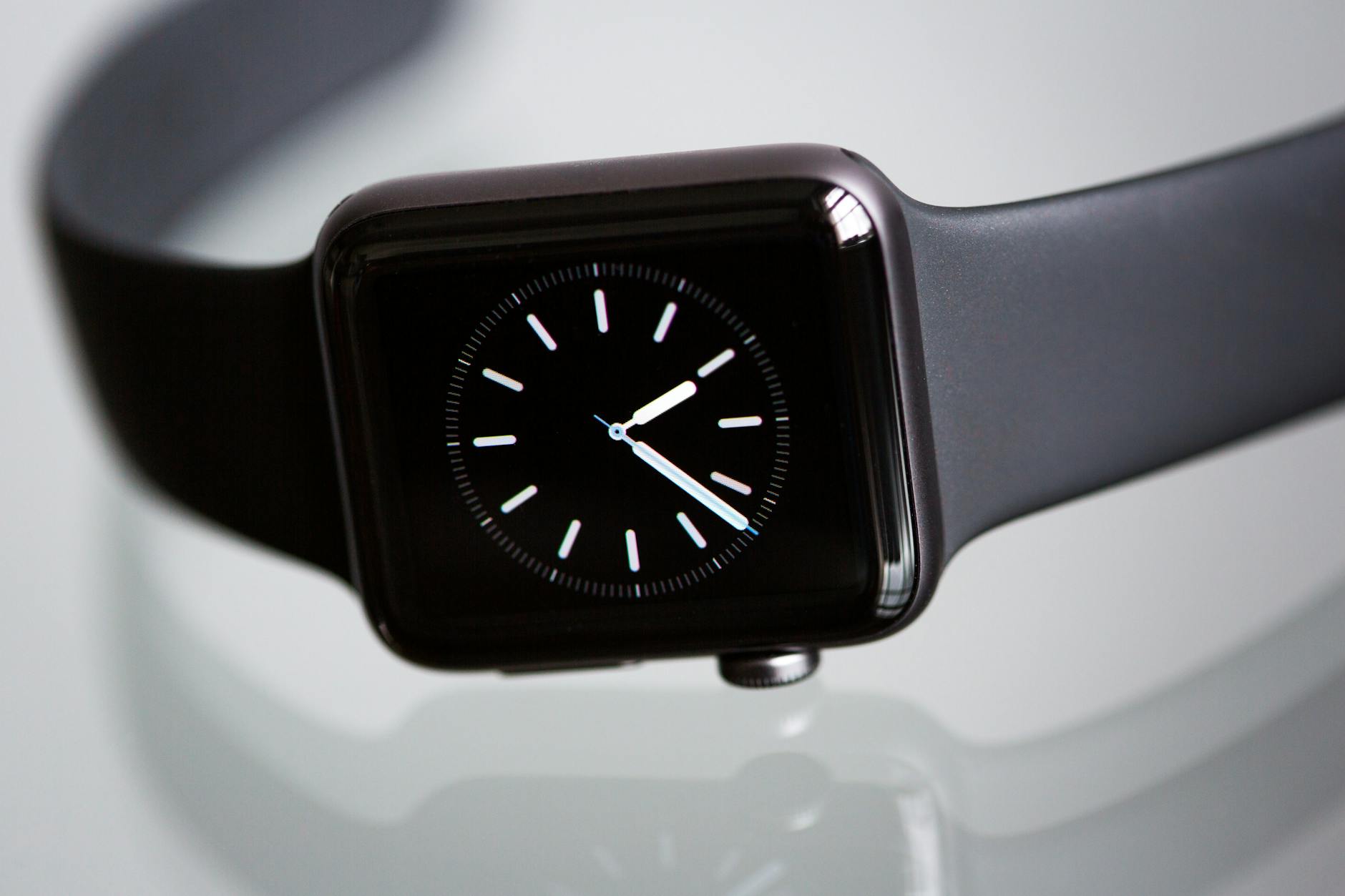
Photo by Torsten Dettlaff
What comes in the box and which version should you buy?
Unboxing the Amazfit Active 2 is a straightforward experience. Inside the package, you will find the watch body, a proprietary magnetic charging cable, and a silicone strap.
The company offers different material options, including a Premium edition that features more robust casing materials or upgraded finishes compared to the standard model. You should confirm whether your specific region supports features like NFC payments, as these capabilities are often market-specific and not universal across every version of the watch.
Warranty terms typically follow local consumer protection laws, but it is wise to verify the coverage period at the time of purchase. When ordering, consider the strap material provided, as the base silicone option is ideal for sweat management, while third-party leather or metal bands can easily swap in for more formal occasions.
Because the watch uses standard lug widths, finding compatible replacement straps is simple. Always check if the model you select includes pre-applied screen protection, though adding a tempered glass cover is an inexpensive way to prevent scratches during outdoor trail runs.
The display is a daily strength, with a few small tradeoffs
The 1.32-inch AMOLED screen is the centerpiece of the watch, offering deep blacks and vibrant colors that make your workout metrics pop, even under direct sunlight. Contrast is excellent, so you can glance at your current pace or heart rate without breaking your stride.
The touch response is fluid, allowing you to navigate menus or start a run with minimal effort. While a circular display is stylish and mimics classic analog watches, keep in mind that it sometimes displays less text than a rectangular screen, meaning you might have to scroll slightly more to read notifications or detailed training summaries.
You have the option to enable an always-on display, which keeps your time and essential data visible at a glance. Be aware that this feature consumes more battery power, so you may need to charge the device more frequently if you choose to keep it active throughout the day.
Gesture controls are responsive, lighting up the screen reliably when you lift your wrist, but you should adjust the brightness and display settings for nighttime use to avoid a jarring glow. Finding the right balance between peak visibility during a sunny midday run and a comfortable dimness for evening recovery is key to getting the most out of this display.
Health and Fitness Tracking Cover the Basics Most Runners Need
The Amazfit Active 2 provides a comprehensive suite of health metrics that help you monitor your internal state without cluttering your training with medical jargon. At its core, the watch uses the BioTracker sensor to collect data on your heart rate, blood oxygen levels, and stress throughout the day.
While these tools offer helpful trends, remember that a wristwatch is not a medical device. External factors like a loose fit, cold weather, sweat, or even tattoos can influence the accuracy of the sensor. If you require precise data for intervals or heart-rate-based training zones, a dedicated chest strap remains the gold standard.
Sleep and recovery data can shape smarter training choices
Understanding how your body absorbs the stress of your training week is just as important as the miles you run. The watch tracks your sleep stages, overall sleep quality, and resting heart rate to build a picture of your daily readiness. By monitoring these trends, you can adjust your intensity before you head out the door.
For example, if your sleep score is low and your resting heart rate remains elevated, that day might be better spent on an easy recovery run or complete rest rather than a taxing speed session.
Still, do not fall into the trap of changing your entire training plan based on one bad night or a single unusual heart-rate reading. Data provides a snapshot of your current state, but life is often unpredictable.
A high stress reading could simply come from a busy day at work rather than physical fatigue. Use these metrics as one piece of the puzzle, alongside how your legs feel and how you handle the effort of your runs. If you feel consistently drained over several days, that is the signal to pull back, regardless of what the watch says.
Workout modes and training summaries are useful, but not coach-level
The Amazfit Active 2 supports a vast array of sports modes, covering everything from road running to trail hiking and gym sessions. During your run, the watch provides real-time alerts for pace and heart rate, while the screen displays essential data points like cadence, distance, elevation, and lap times.
These features serve most runners well, offering enough feedback to keep your effort in check and track your progress over time. The Zepp app further complements this by generating detailed charts and training effect metrics that break down your aerobic and anaerobic load.
If you are a beginner, these summaries are fantastic for visualizing how your fitness grows as you stay consistent. However, advanced runners who follow periodized training plans may find the insights limited. The watch does not replace the depth of a personalized coaching program or the advanced long-term analytics found in platforms like RunDreamAchieve.
While the app keeps you informed of your general fitness trends, you will likely need to rely on your own knowledge or a professional coach to construct complex workouts, refine your form, and plan your race-day strategy. The watch acts as a recording tool, capturing the reality of your hard work so you can review it, but it doesn’t provide the strategic oversight required for competitive performance.
GPS and Running Accuracy: Good for Everyday Training, Not Perfect for Every Route
The accuracy of your run data depends on more than just the watch hardware. When you look at the track logs from your Amazfit Active 2, you see a story of how the device interacted with the environment around you. While the internal GPS chipset captures your movement across varied terrain, it does not guarantee perfection in every city canyon or deep forest. Understanding how the watch records distance and pace helps you use that data to improve your training without frustration.
How the Amazfit Active 2 handles easy runs, intervals, and race day
For an easy run, the watch provides enough stability to keep you within your intended aerobic zone. You can set up custom heart-rate alerts that gently vibrate when your effort drifts into a higher intensity, which prevents you from accidentally turning a recovery day into a hard session. The data screen is clean, and the text remains large enough to read at a quick glance, even when your cadence picks up during the final miles.
When you transition to interval sessions, you need precise targets. The structured workout mode allows you to define your distances or time segments ahead of time, so you can focus on form rather than manual laps. Alerts for pace and heart rate arrive with enough clarity to guide your effort without becoming a distraction.
For your longest runs, you can select battery-saving modes that optimize how often the watch pings satellites. While this saves power, it can slightly smooth out your path on a map compared to a high-power tracking mode. If you are training for race day, practice with these settings on your long runs. You will quickly learn how the pace readout stabilizes over time, which gives you the confidence to trust your watch on the starting line.
GPS limitations runners should know before buying
Even the most advanced watches struggle when signals bounce off tall buildings or get blocked by heavy tree cover. If you run through dense urban areas or deep forests, your recorded path might appear to drift or deviate from the road. These variations are common across all GPS devices, not just the Amazfit Active 2. Keep in mind that tunnels will cause an immediate loss of signal, resulting in a gap in your tracking data.
Instant pace on your wrist often fluctuates due to these signal shifts, especially when you change direction quickly. Instead of obsessing over momentary jumps in your speed, rely on your lap pace or your overall average pace to guide your effort. If you notice a significant discrepancy between your watch and a friend’s dedicated running device, remember that different antennas and software algorithms interpret data differently.
For the best results, follow these practical steps:
- Wear the watch snugly above your wrist bone to ensure the sensor maintains skin contact.
- Wait for a clear satellite lock before you begin your run to minimize initial tracking errors.
- Keep your software updated to benefit from the latest positioning improvements provided by the manufacturer.
- Compare your wrist-based heart rate with a dedicated chest strap during your most intense interval and hill sessions to see how your readings align.
Treat these tools as partners in your training rather than absolute judges of your performance. If a specific route consistently shows inaccurate distance, look for environmental factors like overhead cover or proximity to large structures. By understanding how the device reacts to the world, you can make better decisions about when to trust the watch and when to listen to your own internal sense of effort.
Battery Life and Smart Features Make the Amazfit Active 2 Easy to Live With
The Amazfit Active 2 provides a balanced experience for runners who want a capable smartwatch without the constant anxiety of a dying battery. While manufacturers often advertise maximum runtimes based on light use, your actual results change based on how you train.
If you use the always-on display, keep heart-rate monitoring at its highest frequency, and log daily GPS workouts, you can expect to charge the device every few days rather than the weeks suggested on the box. Still, the watch charges quickly using its magnetic cradle, allowing you to top off the battery while you prepare for a run or finish a post-workout shower.
Battery settings that help during long runs and races
You have control over how the Amazfit Active 2 consumes power, which is helpful if you are preparing for a marathon or a long trail run. If you find yourself frequently reaching for the charger, start by auditing your display settings. The always-on display is convenient, but it is the primary culprit for rapid battery drain. Turning this feature off and relying on wrist-lift gestures saves a significant amount of power over the course of a day.
Beyond the screen, examine how your health tracking features function. You can set the heart-rate monitor to a less aggressive interval, which is often sufficient for daily activity logs while preserving energy for your actual workouts. When you hit the road, ensure you select the appropriate GPS mode.
High-accuracy settings provide the best tracking logs, but they draw more power than standard modes. If you are participating in a long-distance race, choosing a power-saving GPS setting helps ensure the watch survives the entire distance without shutting down.
- Disable the always-on display and use the wrist-lift gesture instead.
- Adjust your heart-rate monitoring frequency to a balanced or power-saving mode.
- Use the most power-efficient GPS setting available for long-duration workouts.
- Charge your device fully while you prepare your gear before a long run.
These simple adjustments help you bridge the gap between feature-rich tracking and the endurance you need for your training schedule. By tailoring the settings to your specific workout, you gain more control over when and how often you need to plug into the charger.
The Zepp app is the control center for your data
Your relationship with the Amazfit Active 2 extends into the Zepp app, which acts as the digital headquarters for every mile you record. The pairing process is fast, and the app serves as a consistent hub for syncing your workout history, visualizing trend charts, and managing your watch faces. When you finish a run, the app provides a detailed breakdown of your pace, heart rate, and training load, which is where you will spend the most time analyzing your performance.
Beyond simple fitness logging, the Zepp app organizes health reports that track your long-term progress. You can easily share data or export it to other platforms if you want to keep your records in a specific format. It is important to remember that the app experience is distinct from the watch hardware itself. While the watch is your on-wrist tool during a workout, the app is where you determine whether your training is effective over weeks or months.
The watch also packs plenty of smart features to help manage your day-to-day life. You can receive phone notifications, set alarms, check the local weather, and use music controls to manage your playlist without grabbing your phone. Some models support Bluetooth calling, which is convenient when your phone is in your bag but you need to answer a quick call.
Keep in mind that many of these smart features rely on a constant connection to your phone. The watch does not function as a standalone smartphone replacement or a fully modular app platform like more expensive competitors, but it handles everyday tasks with enough reliability to keep you connected. If your region supports contactless payments, you can also leave your wallet behind for short errands after a run.
What the Amazfit Active 2 Does Well, and Where It Falls Short
The Amazfit Active 2 hits a specific sweet spot for many people. It balances a stylish, round design with the fitness tracking features most runners need, all at a price that keeps your wallet intact. You get a vivid screen and solid battery life that makes daily use simple. However, no watch is perfect. Understanding where it shines and where it struggles helps you decide if it matches your training needs.
Who should buy it?
You should consider this watch if you are a runner who wants one piece of hardware that handles everything from office wear to weekend long runs. It fits perfectly if you are a beginner looking to move past a basic fitness band, or a recreational runner who wants to track distance, pace, and heart rate without the complexity of an expensive sports computer. Because it maintains a slim profile and attractive aesthetic, you will not feel the need to swap it out before a dinner date or a meeting.
The device is also a great choice if you loathe the daily charging ritual. While battery life fluctuates with your usage, the power management is efficient enough to get you through several days of training and sleep tracking on a single charge. If you value simplicity, prefer a clear AMOLED display, and want to keep tabs on your recovery without staring at complex spreadsheets, this watch does the job. It provides enough data to keep you informed about your fitness trends while keeping your wrist gear comfortable and unobtrusive.
Who should choose a different running watch?
You might find this watch limiting if you treat your training as a high-stakes endeavor. If you rely on advanced navigation, detailed topographic mapping, or highly precise interval data, you will likely prefer a dedicated running watch from Garmin Forerunner or a model from COROS. These devices offer deeper training load analytics and more robust satellite connectivity for those who frequently venture into deep forests or dense city centers.
Consider looking elsewhere if your routine includes specific race-focused goals that require long-lasting battery modes while using full GPS, or if you need to sync your metrics across a vast third-party app ecosystem. Users deep in the Apple or Google ecosystems may also miss the tight integration and app support found on the Apple Watch or higher-end Wear OS devices.
Additionally, if you prioritize offline music storage or need complex, customizable training alerts that guide every step of a multi-segment workout, the software limitations here may feel restrictive. Finally, if you travel often, check if your local region supports all the features you expect, as some software capabilities vary by market.
Amazfit Active 2 Compared With Popular Alternatives
Choosing the right wearable is often a game of trade-offs. While high-end devices promise unmatched precision, they often come with bulk, short battery life, or a price tag that rivals a new pair of premium running shoes. The Amazfit Active 2 stakes its claim on a different premise: it offers a capable, well-rounded experience that keeps you connected and active without asking you to sacrifice your lifestyle or your budget.
Choose the Amazfit Active 2 for balance, not maximum specialization
If your primary goal is to become an Olympic athlete, you likely need a specialized tool that prioritizes advanced training load metrics and multi-band GPS above all else. However, most runners need a partner that works as well in the office or on a commute as it does on a Tuesday morning tempo run.
The Amazfit Active 2 hits this middle ground with grace. It provides enough health data to help you spot burnout before it happens, and it manages your daily notifications without being intrusive.
Opting for balance means you gain a watch that doesn’t demand constant attention. You don’t have to worry about charging it every single day, nor do you have to feel self-conscious about wearing a rugged, plastic-heavy sports watch to a professional meeting.
By choosing this path, you accept that you might lose a percentage point of GPS accuracy in a dense skyscraper canyon, but you gain a device that actually fits your life. It is a pragmatic choice for someone who values consistency and comfort over the marginal gains of a laboratory-grade device.
A simple checklist before you place an order
Before you commit to a new watch, take a moment to evaluate your specific needs. The market is crowded, and different brands prioritize different aspects of the user experience. Use this checklist to determine if the Amazfit Active 2 fits your routine or if a different model better aligns with your priorities.
- Phone Compatibility: Verify that your phone runs the latest version of iOS or Android, as some watch features require specific Bluetooth protocols and app permissions to function.
- Case and Material Preferences: Decide if you need a rugged, impact-resistant build or a lightweight, sleek design that stays out of the way under long sleeves.
- NFC Payments: If you want to pay for a post-run coffee with your wrist, confirm that the specific model and region support contactless payment services.
- Running Metrics and Navigation: Think about whether you require turn-by-turn breadcrumb navigation or advanced power metrics. If you need them, you might need to look at dedicated Garmin Forerunner models.
- Chest-Strap Support: Most serious runners eventually switch to a chest strap for heart-rate accuracy; ensure the watch pairs easily with your preferred sensor via Bluetooth.
- Battery Expectations: Are you okay with charging your watch every few days, or do you require a device that lasts for weeks of heavy training?
- Warranty and Local Support: Check where your purchase originates to understand your local warranty coverage and return options.
When comparing options, look at how other manufacturers position their gear. The Apple Watch excels at smart features and app ecosystem integration, making it the top choice for iPhone users who prioritize convenience. Conversely, brands like COROS lean heavily into the needs of endurance athletes with long battery life and simplified, data-focused interfaces. Meanwhile, Fitbit remains a strong contender for those who value health coaching and sleep insights above athletic performance tracking.
The best choice ultimately depends on what you value most during your training week. If you want a stylish, capable, and efficient device that handles the basics without unnecessary complexity, the Amazfit Active 2 provides that balance. Always check current pricing and regional model specifications before you finalize your order, as deals and features often shift throughout the year.
Final Verdict: Is the Amazfit Active 2 a Good Running Watch?
The Amazfit Active 2 is a standout choice if your priority is a stylish, comfortable, and reliable daily companion that captures your fitness data without the complexity of a dedicated professional tool. It succeeds by blending a vivid AMOLED screen with impressive battery life and a broad range of tracking features that cover what most runners actually need. While it isn’t an elite-tier device meant for complex, periodized coaching, it hits a high mark for versatility.
Who should choose this watch?
If you are just starting your running journey, this watch provides immediate, easy-to-read feedback that encourages consistency. The interface is intuitive, and the app gives you a clear visual on your progress over weeks and months. You will appreciate how the device monitors your sleep and stress alongside your mileage, helping you build a healthy routine beyond just the pavement.
For everyday runners, it offers a great balance of features that fit seamlessly into your life. You get accurate enough GPS for training, helpful heart-rate trends, and convenient smart features like notifications and music controls. It is a fantastic option if you prefer a watch that looks just as appropriate in an office or at a coffee shop as it does on a trail.
When to look for alternatives
Serious racers and those deep into structured, data-heavy training will likely find the Amazfit Active 2 restrictive. If your performance goals require highly specific interval setups, multi-band GPS precision in urban canyons, or advanced training load analytics, a dedicated sports watch from a specialized brand is a better investment. You might also prefer a different platform if you are fully locked into the Apple or Google ecosystems and rely on their proprietary app integration.
The final takeaway
The main tradeoff is simple: you gain comfort, style, and excellent battery life, but you move away from a specialized training ecosystem. To get the best experience, wear the watch snugly above your wrist bone for consistent sensor contact.
Keep your firmware updated to ensure the GPS and health tracking remain as accurate as possible. Most importantly, if you are planning high-intensity intervals or hill repeats, pair the watch with a reliable chest strap. This approach guarantees that your training data remains precise when it matters most, while you enjoy the daily benefits of a well-designed, versatile smartwatch.
Conclusion
The Amazfit Active 2 is a compelling choice for runners who value a clean, round design that transitions easily from the trail to the office. Its vibrant AMOLED screen, reliable sleep tracking, and battery life that lasts several days make it a practical daily companion for those who dislike the ritual of constant charging. It captures the essential metrics you need to monitor your progress without the overwhelming complexity of a high-end data computer.
Serious athletes who depend on advanced topographic maps, complex interval structures, or race-grade sensor precision will likely prefer a specialized platform from Garmin or COROS. These brands offer the deep analytics required for periodized training.
Before you commit, check the exact regional version to verify which features like NFC payments are active in your area. Test the fit on your wrist to ensure it feels right during movement. Ultimately, your choice should rest on your specific training needs rather than the aesthetic appeal of the watch alone.