

Altra Torin 8 vs HOKA Clifton 10: Which Daily Trainer Fits You?
Choosing between the Altra Torin 8 vs HOKA Clifton 10 comes down to how you want your daily miles to feel. Both are popular everyday trainers, but they take very different paths on fit, drop, cushioning feel, weight, and stability.
If you want a roomy, foot-shaped ride with zero drop, the Torin 8 may fit your stride better. If you prefer a softer, more traditional feel with Hoka’s familiar geometry, the Clifton 10 is the one to size up first, and you can also check the Hoka Clifton 10 review for a closer look.
The right choice depends on your foot shape, how you land, and how much cushioning you want underfoot. Here’s how the two shoes compare, so you can pick the one that matches your runs instead of guessing.
What makes the Altra Torin 8 and HOKA Clifton 10 stand out?
These two shoes get compared so often because they solve the same problem in very different ways. Both are daily trainers built for easy miles, regular workouts, and steady comfort, but the feel underfoot is not close.
Build Your Complete Race-Day Setup
The right shoe helps, but faster racing comes from better training, pacing, recovery, fueling, and execution.
More Guides for This Shoe
The Altra Torin 8 leans into a natural-foot shape, zero drop platform, and a roomy forefoot. The HOKA Clifton 10 goes the other direction with soft cushioning, a rocker-style ride, and a more traditional fit. That contrast is exactly why runners keep putting them side by side.
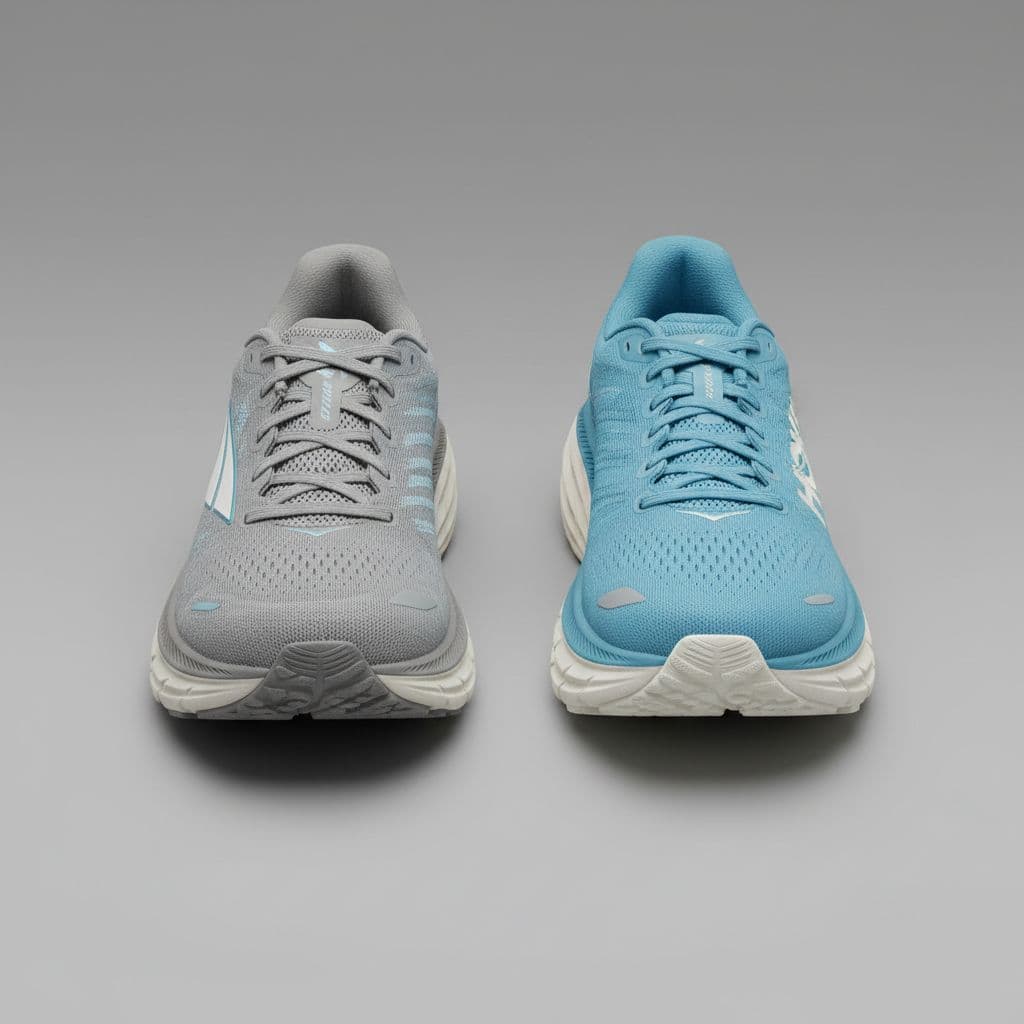
The Altra Torin 8 feels built for natural foot movement
The Torin 8 stands out because it does not try to force your foot into a narrow shape. Its foot-shaped toe box gives your toes room to spread, which can feel great if you dislike cramped running shoes or want a more relaxed fit on longer runs.
Its zero-drop platform also changes the ride in a noticeable way. Heel and forefoot sit at the same height, so the shoe encourages a more level stance and a grounded feel. Runners who prefer a flatter setup, or who already like zero-drop shoes, often gravitate here first.
If you want a deeper look at that model on its own, the Altra Torin 8 review covers the details that matter most.
The HOKA Clifton 10 stands out for soft, easy cushioning
The Clifton 10 is popular for a simple reason, it makes easy miles feel easier. HOKA uses a thick midsole and smooth rocker geometry to help your stride roll forward without much effort. That makes the shoe feel friendly right away, especially if you want a soft landing and a calm transition.
Its fit is more familiar to most runners than the Torin 8’s. The forefoot is not as wide, and the overall shape feels more traditional, so it tends to suit runners who want cushioning without adjusting to a very different platform.
The Clifton 10 is often the safer pick for runners who want comfort first and a familiar ride second.
Why these two shoes end up in the same conversation
The comparison makes sense because both shoes are daily trainers, yet they deliver comfort in opposite ways. The Torin 8 gives you space and a natural ride. The Clifton 10 gives you plush cushioning and a smoother roll through toe-off.
That difference matters more than most specs on a product page. A runner with wide feet, or one who wants toes to splay freely, may feel at home in the Torin 8. A runner who wants a soft shoe for easy runs, recovery days, and long walks may prefer the Clifton 10 almost immediately.
For a broader look at how the brands differ, Altra vs. Hoka running shoe comparisons help show how each company builds comfort in its own way.
Who usually looks at each shoe
A quick snapshot makes the choice easier to picture:
| Shoe | Best fit for | Main appeal |
|---|---|---|
| Altra Torin 8 | Runners who want a wide toe box and zero drop | Natural feel and roomier fit |
| HOKA Clifton 10 | Runners who want soft cushioning and a smooth transition | Easy comfort and familiar geometry |
In short, the Torin 8 is for runners who want freedom up front and a flatter platform. The Clifton 10 is for runners who want a cushioned, easygoing daily trainer that feels simple to step into and go.
Fit and upper comfort: wide toe room versus a more classic heel-to-toe shape
Fit changes how a shoe feels long before cushioning does. That matters even more on daily miles, where small pressure points can turn into irritation fast. In the Altra Torin 8 vs HOKA Clifton 10 comparison, the biggest comfort split comes from toe room, midfoot hold, and how each upper locks the heel.
Why the Torin 8 appeals to runners who want room up front
The Torin 8 is the easier pick if you want your toes to relax. Its foot-shaped forefoot gives you more space for natural toe splay, so your toes can spread instead of stacking on top of each other. That can feel like a small thing at first, but over longer runs it often feels like freedom.
A wider forefoot can also help when your feet swell late in a run. Instead of pressing into a narrow front end, the Torin 8 gives the foot more breathing room. Runners with wider feet, bunions, or a history of pinched toes often notice the difference right away.
The upper follows that same idea. It feels less restrictive across the front, and that makes the shoe easier to wear for steady mileage. If you dislike toe bang, hot spots, or a narrow front that crowds the big toe, this shape makes sense. For more detail on the model itself, the detailed Altra Torin 8 review breaks down how that fit works in real use.
A roomier toe box does not just add comfort, it can also reduce the urge to tense your feet late in a run.
The Torin 8 works best for runners who want a forgiving front end and don’t mind a less traditional shape. If you have average or wide feet, this fit can feel easy and natural. Narrow-footed runners may still like it, but they often need to tighten the midfoot more to get the same secure feel.
How the Clifton 10 fits runners who want a secure, familiar feel
The Clifton 10 goes with a more standard running-shoe shape. The forefoot is narrower than the Torin 8, and the upper wraps the foot in a way that feels familiar to most runners. If you like a snug but not tight fit, this shoe is likely to feel right from the first step.
That more classic shape helps the shoe feel stable and controlled during everyday training. The heel hold is usually reassuring, and the midfoot lockdown gives you a planted feel without much fuss. For runners who want a shoe they can lace up and forget about, that predictability matters.
The Clifton 10 is a good match for narrow to average-width feet, especially if you prefer a traditional heel-to-toe profile. It suits easy runs, recovery days, and long walks because the fit feels secure without being harsh. If you want a broader look at the brand’s fit style, Runner’s World wide toe box guide is a useful reference for comparing more spacious and more standard shoe shapes.
In other words, the Clifton 10 feels like a familiar daily trainer. It does not ask your foot to adapt much, and that can be a real advantage if you value comfort through consistency. The Torin 8 gives you more room to move, while the Clifton 10 gives you more of a locked-in, traditional ride.
For runners choosing between these two, the decision often comes down to this:
- Pick the Torin 8 if you want toe room, natural splay, and a relaxed forefoot.
- Pick the Clifton 10 if you want a secure upper, a snug heel, and a more conventional fit.
- Pick the Torin 8 if you often notice pressure on bunions or the outside of your toes.
- Pick the Clifton 10 if you prefer a closer feel that stays consistent on daily runs.
That fit difference can shape the whole ride. The Torin 8 feels like it gives your foot space to work, while the Clifton 10 feels like it guides the foot with a firmer, more familiar hold.
Cushioning and ride: firm, balanced support or soft, easy bounce?
Cushioning changes more than comfort. It shapes how the shoe lands, rolls forward, and feels after a few miles. In the Altra Torin 8 vs HOKA Clifton 10 comparison, the Torin 8 feels more grounded and even, while the Clifton 10 feels softer and smoother underfoot.
The Torin 8 ride feels stable and natural
The Torin 8 uses a zero-drop platform, so your heel and forefoot sit at the same level. That creates a more grounded feel, almost like your foot is closer to the road and working in a straight line. For runners who like a connected stride, that often feels cleaner and more natural.
Its cushioning is soft enough for daily runs, but it doesn’t feel overly mushy. Instead, the midsole gives you a steady base, so each step feels balanced rather than sunk into foam. That balance matters when you want control during easy miles, steady runs, or longer sessions.
The ride can feel especially good if you like a shoe that stays out of the way. Your foot does the work, and the shoe supports it without adding much drama. Still, the zero-drop setup can take time to adapt to, especially if you usually run in higher-drop shoes.
If you want a flatter, more even ride, the Torin 8 feels calm and controlled rather than plush and pillowy.
This is the kind of shoe that rewards runners who want consistency. For many, that means less wobble, less sinking, and a more direct feel on the ground. If you already prefer a zero-drop setup, the Torin’s natural ride style can feel right at home.
The Clifton 10 leans into soft, smooth cushioning
The Clifton 10 takes the opposite path. It focuses on soft comfort, with foam that feels gentle as soon as you step in. That softness can make daily miles feel lighter on the legs, especially when you want less pressure underfoot.
HOKA also shapes the shoe to roll forward smoothly. The midsole and rocker-like geometry help the stride move from landing to toe-off with less effort. As a result, the ride feels easy and quiet, which is part of why the Clifton line has such a strong following.
This kind of cushioning works well for runners who want a forgiving shoe for easy runs, recovery days, and long walks. If your feet often feel beat up, the Clifton 10 can take the edge off without feeling unstable. It gives you that soft landing many runners want, while still keeping the transition smooth.
For a closer look at how HOKA builds that feel, this comparison of Altra and HOKA running shoes helps explain the brand difference in plain terms.
Here is the simplest way to think about it:
- Torin 8: more balanced, more connected, more stable underfoot.
- Clifton 10: softer, smoother, and easier on tired legs.
- Torin 8: better if you like feeling the ground a bit more.
- Clifton 10: better if you want cushioning to soften every step.
At easy paces, the Torin 8 feels steady and measured, while the Clifton 10 feels cushy and relaxed. On steady runs, the Torin 8 gives you a firmer platform for rhythm, and the Clifton 10 keeps the turnover smooth. On longer efforts, the Torin 8 feels dependable if you like structure, while the Clifton 10 tends to feel friendlier if you want the shoe to absorb more of the impact.
Drop, stack height, and what they mean for your stride
Shoe geometry changes how running feels before the first mile is done. In the Altra Torin 8 vs HOKA Clifton 10 debate, drop and stack height explain much of that difference. One shoe keeps your foot level. The other places the heel higher and gives you a softer, more cushioned ride.
Why zero-drop running feels different in the Torin 8
Zero drop means the heel and forefoot sit at the same height. In the Torin 8, that creates a flatter platform, so your stride starts from a more level base. Some runners love that because it feels natural and balanced. Others notice their calves and feet working harder right away.
That extra demand comes from the lower heel position. Your ankle starts in a slightly more flexed spot, which can increase load on the calves and Achilles tendon. If you are used to higher-drop shoes, the change can feel like switching from a paved path to a trail, your body can handle it, but it needs a little time to settle in.
Zero-drop shoes can feel smooth and free, but they ask your lower leg to do more work at first.
Easing in matters here. Start with short runs, then build up as your legs adapt. A gradual transition helps your stride adjust without leaving your calves sore for days. If you want a deeper look at that transition, how to adapt to zero drop footwear is a useful place to start.
The Torin 8 also changes how you move through the stride. Because the shoe stays level, many runners feel a more direct heel strike to toe-off path. That can encourage a lighter, more centered step, especially if you already run with good posture and steady cadence. For more detail on shoe mechanics, how footwear choices impact running form explains why this matters so much.
How the Clifton 10’s higher drop may feel easier for many runners
The Clifton 10 uses a more traditional heel-to-toe drop, which usually feels easier for runners coming from standard shoes. That elevated heel reduces the stretch demand on the calves and Achilles, so the lower leg often feels less taxed during early runs. For many people, that makes the transition smoother and more familiar.
A higher drop also changes the stride in a small but useful way. Because the heel starts higher, the shoe can take a bit of pressure off the back of the lower leg during landing and push-off. That is one reason a higher-drop shoe often feels friendly on easy days or when your legs are already tired. A higher heel drop can reduce Achilles strain, which is a big reason many runners notice less calf tightness in shoes like the Clifton 10.
Stack height matters too. Stack height is the amount of foam between your foot and the ground. A taller stack usually feels softer and more cushioned, while a lower stack feels closer to the road. In the Clifton 10, that higher foam profile gives you more protection and a smoother ride, which can make long easy miles feel less harsh underfoot.
If you are used to standard running shoes, the Clifton 10 often feels like less of an adjustment. The ride is familiar, the transition is smoother, and the shoe does more of the work for you. That makes it a strong match for runners who want comfort without changing their stride too much.
In simple terms, the Torin 8 asks for a more level, active stride, while the Clifton 10 gives you a higher heel, more foam, and an easier transition. If your calves are sensitive, or if you are coming back from a lower-leg issue, that difference can matter a lot when you choose your next daily trainer.
Weight, stability, and daily training use
When you compare the Altra Torin 8 vs HOKA Clifton 10, weight matters, but not just on a scale. A shoe can look light on paper and still feel slow or clunky once you start stacking miles. It can also feel lighter than expected if the platform and foam work well together.
For daily training, the bigger question is how each shoe feels when the miles pile up, your legs get dull, and you still need one more errand or one more walk home. That is where the Torin 8 and Clifton 10 split in a useful way.
Which shoe feels more stable when the miles add up?
The Torin 8 often feels more planted because its wide forefoot and flatter platform give your foot more room to settle. That extra space can help tired legs feel less wobbly, especially when your form starts to fade late in a run. The midsole shape also keeps the shoe feeling level, so you get a steady base instead of a narrow, tippy one.
The Clifton 10 handles fatigue in a different way. Its cushioning feels smoother and more protective, and that can make tired legs feel less beaten up. The tradeoff is that some runners notice a softer, more cushioned base that feels less anchored than the Torin 8.
For runners who want a shoe that feels secure during easy mileage, the Torin 8 often wins on grounded stability. Runners who want a smoother, more forgiving platform may prefer the Clifton 10, especially on recovery days. Research on toe box shape also points to broader toe room supporting more even pressure across the foot, which fits the Torin 8’s shape well toe box shape and foot pressure.
Stability is not just about firmness, it is about how well a shoe stays composed when your stride gets sloppy.
If you want to compare more daily-run options, the best daily trainer running shoes roundup gives helpful context.
Which one is easier for everyday wear and walking?
For all-day use, both shoes work, but they serve different needs. The Clifton 10 usually feels easier for standing, errands, travel, and long walks because its soft cushioning takes the edge off repeated steps. If you spend a lot of time on your feet, that plush feel can be a real plus.
The Torin 8 can also work well for walking, especially if you like a roomier toe box and a flatter stance. It feels less cushy, yet many runners prefer that when they want a shoe that does more than one job without feeling bulky. That makes it a strong pick for daily wear, casual use, and low-key recovery runs.
A simple way to think about it:
- Torin 8 feels better for runners who want a more stable, natural-feeling daily trainer.
- Clifton 10 feels better for runners who want soft comfort for walking and easy days.
- Torin 8 suits steady mileage and recovery runs when you want a firmer base.
- Clifton 10 suits long days on your feet when comfort matters most.
If your routine mixes running, walking, and everyday wear, the Clifton 10 is easier to recommend first. If you want one shoe that feels more controlled and less cushy, the Torin 8 makes a strong case.
Who should choose the Altra Torin 8, and who should choose the HOKA Clifton 10?
The right shoe depends on how you want your daily runs to feel, and how your feet like to sit inside a shoe. The Altra Torin 8 suits runners who want natural toe room, a zero-drop platform, and a more grounded ride. The HOKA Clifton 10 fits runners who want plush comfort, a traditional drop, and a shoe that feels easy from the first step.
Best reasons to pick the Torin 8
Pick the Torin 8 if your feet like room to move. Its natural foot shape and roomier toe box give your toes space to spread, which feels better for runners who hate narrow forefeet or hot spots. That extra space can also help if your feet swell during longer runs.
The zero-drop setup is another big reason to choose it. If you already run in flatter shoes, or you want a more level platform that feels close to the ground, the Torin 8 makes sense. It gives you a more direct, steady ride without piling on extra heel height.
This is also a smart pick if you want a shoe that feels controlled and balanced instead of soft and sinky. The ride is more grounded, so it works well for runners who like a consistent daily trainer for easy miles, steady efforts, and everyday wear.
Choose the Torin 8 if you are:
- A runner with wide feet or a foot that feels cramped in standard shoes
- Someone who prefers zero drop or wants to try it
- A runner who likes a more natural toe splay
- A runner who wants a stable, grounded feel underfoot
You may want to skip the Torin 8 if you are sensitive in your calves or Achilles and don’t want an adjustment period. Runners who want plush softness right away may also find it less forgiving than expected. For a deeper look at the model, this Torin 8 review gives a helpful breakdown of the fit and ride.
Best reasons to pick the Clifton 10
Pick the Clifton 10 if you want comfort to come first. Its soft cushioning feels gentle on landing, and the ride is smooth enough that easy runs and long walks feel less tiring. If you want a shoe that feels pleasant right away, this one is easy to like.
The Clifton 10 is also a better match if you prefer a traditional drop and a more familiar running-shoe shape. That makes the transition simpler for runners who are new to max-cushion shoes or unsure about zero-drop footwear. If you’re not sure which direction to go, the Clifton 10 is often the safer choice.
It works well for beginners, returning runners, and anyone who wants an easy daily trainer for road miles, errands, or standing on hard surfaces. The soft platform helps take the edge off tired legs without making the shoe feel overly demanding.
Choose the Clifton 10 if you are:
- A runner who wants plush, easy cushioning
- A beginner who prefers a familiar heel-to-toe drop
- Someone who wants a shoe for all-day comfort
- A runner who wants the safer choice when unsure
You may want to skip the Clifton 10 if you need a wide toe box or dislike a narrower front end. Runners who want a flatter, more connected feel may also find it too cushioned. For a broader brand comparison, this Altra vs. Hoka review helps show where each company fits in the market.
If your priority is toe freedom and a more natural ride, the Torin 8 is the stronger match. If your priority is soft comfort and an easy transition, the Clifton 10 is the better bet.
Conclusion
The Altra Torin 8 vs HOKA Clifton 10 choice comes down to how your foot wants to sit and how much change you want in your daily runs. The Torin 8 is the better pick if you want a roomier forefoot, a natural fit, and a zero-drop ride that feels steady and flat.
The Clifton 10 is the stronger choice if you want soft cushioning, a familiar shape, and smooth comfort for easy miles. If you remember one thing, keep it simple, Torin 8 for a natural, roomier feel, Clifton 10 for soft, familiar comfort.


