

Altra Olympus 7 Review: Max Cushion Trail Shoe
If you want a trail shoe that feels soft without losing its footing, the Altra Olympus 7 deserves a close look. This review tests it on real trails for comfort, grip, stability, fit, and overall performance, so you can see how it handles more than a quick first impression.
That matters if you’re a hiker, ultra runner, or trail runner who wants a cushioned ride for long days on dirt and rock. It also helps if you’re comparing it with other trail options like the Altra Outroad 3 road-to-trail performance or looking for a softer alternative to lighter shoes such as the Altra Superior 7 trail shoe review. Keep reading for the part that matters most, how the Olympus 7 feels when the miles start to add up.
What makes the Altra Olympus 7 different from other trail shoes?
The Altra Olympus 7 stands out because it takes a very different approach from many trail shoes. Instead of chasing a light, fast feel, it focuses on comfort, protection, and a more natural foot shape.
That matters on rough ground. If you spend long hours on dirt, rock, or hard-packed trails, the shoe under you can either help you stay fresh or wear you down early. The Olympus 7 is built for the first option.
Why max cushioning matters on rough trails
The biggest difference you notice with the Olympus 7 is the amount of foam underfoot. That extra cushion softens repeated impacts, which can help your legs feel less beat up on long runs or hikes. When the trail turns rocky or the ground stays firm for miles, that comfort starts to matter more than saving a few ounces.
Max cushioning also helps when fatigue builds late in the run. Your form tends to get sloppy when your legs are tired, so a softer platform can make each landing feel less harsh. For runners who want to stay out longer and feel better at the finish, that is a real advantage.
According to Canadian Running Magazine’s take on max-cushioned shoes, softer shoes can make running more comfortable on moderate terrain. The Olympus 7 leans hard into that idea, especially for people who care more about protection than a snappy ride.
The zero-drop feel and wide toe box explained
The Olympus 7 also uses Altra’s familiar zero-drop platform, which means your heel and forefoot sit at the same height. That creates a flatter, more level feel than many traditional trail shoes, where the heel sits higher than the toe. For some runners, that feels more balanced and stable right away.
The wide toe box is just as important. It gives your toes room to spread naturally, which can help you feel more secure on uneven ground. Instead of squeezing the front of the foot, the shoe lets it sit in a shape that feels less cramped on long efforts.
If you’re used to a standard trail shoe, the Olympus 7 may feel unusual at first. The lower heel drop and roomy front end can take a few runs to get used to.
That setup is part of what makes the shoe different. It is less about forcing your foot into a narrow, lifted shape and more about letting it move with a bit more freedom. If you want to compare that fit and ride with other trail options, beginner-friendly trail footwear often takes a more traditional approach.
Who the Olympus 7 is best suited for
The Olympus 7 fits best with runners and hikers who want protection first. It works well for:
- Long-distance trail runners who need cushion for steady miles
- Hikers who spend time on rocky or uneven terrain
- Ultrarunners who want comfort that lasts deep into the day
- Recovery-focused runners who prefer a softer underfoot feel
- Anyone moving away from lower-stack shoes and wanting more padding
That said, it won’t suit everyone. If you want a light, quick shoe for fast workouts or technical race days, the Olympus 7 may feel too bulky. It is built for comfort and coverage, not for racing downhill in a hurry.
For runners who want more grip-focused options on sloppy terrain, a shoe like the best trail running shoes for mud may be a better fit. The Olympus 7, on the other hand, is for people who want to keep going when the miles get long and the surface gets unforgiving.
Upper fit and comfort: how the shoe feels on foot
The Altra Olympus 7 gets a lot right before you even step outside. The fit feels roomy in the places that matter, yet it still gives you enough hold to keep moving with confidence. That balance matters more on a trail shoe than on a road shoe, because loose fit can turn into sloppy foot movement fast.
Toe room, midfoot fit, and heel security
The toe box is one of the biggest reasons people look at the Olympus line in the first place. The front of the shoe gives your toes space to spread, which feels natural on long runs and helps on uneven ground. If you dislike a narrow forefoot, this shoe feels far less restrictive than many trail models.
That roomy front end does not mean the shoe feels sloppy. The midfoot holds better than you might expect, and the lacing lets you dial in a snugger fit through the middle if you want one. It has a secure, steady feel rather than a race-like wrap.
Heel hold is solid for a max-cushion shoe. It locks down well during normal trail movement, including climbs, descents, and quick direction changes. I did not notice the heel sliding around, which is a good sign when a shoe has this much padding and stack underfoot.
If you want a point of comparison, Altra Via Olympus 2 cushioning and fit shows a similar roomy approach on the road side. The Olympus 7 keeps that comfort-first shape, but with a trail-ready hold that feels a little more secure under pressure.
The fit feels roomy up front and stable in the back, which is exactly what most long-distance trail runners want.
Breathability and trail-ready durability
The upper handles heat better than you might expect from a shoe this protective. Air moves through the mesh well enough for warm days, so your feet do not feel boxed in on steady efforts. It is not a feather-light racing upper, but it avoids that heavy, stuffy feeling that can ruin a long outing.
Dust and trail debris are part of the package, and the upper copes with them well. The material feels durable without getting stiff, so it bends with your foot instead of fighting it. That matters when you are moving over rocks, roots, and dry dirt for hours.
This is also where the shoe feels trail-smart. The upper gives you enough structure for protection, but it never feels bulky in a way that slows the shoe down. For a deeper look at how max-cushion trail shoes are built for longer wear, Running Warehouse’s Olympus 6 review gives useful context on the same family of fit and comfort traits.
Repeated use does not seem to punish the upper quickly. The overlays and mesh feel like they are made for steady mileage, not just a few clean test runs. That makes the shoe a better fit for hikers and runners who want one pair to handle real wear.
Comfort for long runs and all-day wear
After a few hours on foot, the Olympus 7 stays friendly. The interior does a good job avoiding hot spots, and I did not notice rubbing around the collar or tongue. That is important, because a cushioned shoe can still fail if small pressure points start building over time.
The tongue adds to that comfort. It feels padded enough to soften lace pressure, but it does not add much bulk across the top of the foot. That gives the shoe a planted feel without making the upper feel crowded.
For long runs, that combination matters more than flashy features. You want a shoe that disappears in the best way, and the Olympus 7 comes close. The roomy forefoot helps reduce toe pressure late in the day, while the heel hold keeps your foot from shifting around as fatigue sets in.
It also works well for hiking. The soft step-in feel, roomy front end, and steady hold make it a good pick for long days on foot when you are not trying to run hard. If your trail days often mix running, hiking, and standing around at the trailhead, this shoe fits that kind of use well.
A few pressure points can show up if you overtighten the laces, so it pays to lace it with care. Keep the fit snug, not tight, and the shoe feels much better over long miles. For people who want one shoe that can handle both dirt time and all-day comfort, that is a strong selling point.
Underfoot ride and trail performance on different terrain
The Altra Olympus 7 feels built for miles, not shortcuts. Its ride is soft, protective, and steady, which makes it a strong match for long trail days on dirt, gravel, and broken ground.
That said, this shoe has a clear personality. It rewards smooth pacing and controlled movement more than sharp, aggressive bursts.
How the cushion feels at easy and steady paces
At relaxed trail speeds, the foam feels soft without turning mushy. There is enough give to take the sting out of repeated impact, yet the platform still feels composed under each step. That balance helps on long dirt roads, packed trails, and easy aerobic runs where comfort matters most.
The Altra Olympus 7 feels best when you settle into a steady rhythm. It rolls along nicely at conversational pace, almost like a padded seat that still keeps you upright. Push it harder, and the ride feels less lively, so it does not make much sense as a fast workout shoe.
That is where the shoe makes its point. It is not trying to feel snappy or aggressive, it is trying to keep your legs fresher for longer. On relaxed miles, that approach works.
A few things stand out right away:
- Soft landing feel on firm dirt and gravel
- Stable midsole response when you stay at an easy pace
- Limited bounce compared with lighter trail shoes
- Best use case for long, calm runs and hikes
If you want a point of comparison, max-cushion trail shoes often work best when they protect rather than pop. Road Trail Run notes that shoes like the Salomon Glide Max TR handle long trail days well, and the Olympus 7 fits that same comfort-first lane.
Rock protection and ground feel on technical trails
The Olympus 7 gives you a lot of underfoot protection, so sharp rocks do not punch through the ride. That extra stack is a big win on rough trails, especially when the route mixes small stone, roots, and uneven slabs. You still feel the trail, but the shoe filters out the harsh stuff.
The tradeoff is ground feel. You do not get the close-to-the-earth feedback that a lower-stack shoe gives you, so very technical terrain asks for more attention. Still, the base feels predictable, and the shoe gives enough feedback to stay confident on uneven ground.
That matters because a max-cushion shoe can feel vague if the platform is too soft or too tall. Here, the midsole stays controlled enough to keep the ride from wandering. On rocky climbs and rough tread, the shoe feels protective first, but not disconnected.
On technical trails, the Olympus 7 asks for a little more caution, yet it still feels secure enough for steady progress.
For runners who want more bite in fast, technical settings, a lighter shoe like the Brooks Catamount Agil review makes more sense. The Olympus 7 is the more forgiving choice when the goal is staying comfortable over hours, not dancing through every rock garden.
Stability on climbs, descents, and side slopes
The shoe handles climbs with more confidence than you might expect from something this cushioned. The wide base helps a lot, because it spreads your weight well and keeps the platform from feeling tip-prone. On steady uphill grades, that gives you a planted, easy-to-trust ride.
Downhill control is solid too, as long as you keep your pace in check. The stack height adds protection, but it also raises you higher off the ground than a low-profile trail shoe. Because of that, fast, loose descents take a bit more care, especially when the surface is uneven or full of small, shifting rocks.
Side slopes are where the wide base earns its keep. The shoe holds its line better than many max-cushion models, and it does not feel wobbly when the trail tilts. You still need to place your feet well, but the platform helps you stay balanced instead of fighting you.
If your routes include a mix of gravel roads, rolling climbs, and off-camber trails, the Olympus 7 handles them well. It feels most at home when the terrain is rough enough to need protection, but not so wild that you need a racing shoe’s quick reflexes.
Grip, traction, and outsole performance in real conditions
The Altra Olympus 7 gives you a traction setup that works best in real trail use, not just on paper. On dry dirt, gravel, and mixed paths, it feels secure and predictable. On slicker terrain, the grip stays useful, but there are clear limits once the ground turns sloppy or technical.
How the lug pattern performs on dirt and gravel
On dry dirt, the lug pattern does its job well. The lugs bite into the surface enough to keep the shoe from feeling vague, and the outsole feels stable during normal trail running and hiking. You get a confident step without needing to think about every foot placement.
Loose gravel is where the outsole starts to show its strengths. The lugs help the shoe settle into the surface instead of skating across it, so the Olympus 7 feels calmer than many max-cushion shoes on uneven ground. That extra steadiness matters when the trail is covered in small rock or worn-down hardpack.
The grip feels best when you keep a steady rhythm. It does not have an aggressive, claw-like feel, but it gives enough purchase for everyday trail use. For runners who want a soft ride without giving up all traction, that balance works well. If your routes include a mix of smooth dirt roads, crushed stone, and rolling singletrack, this outsole fits the job.
The outsole is most confident on dry, loose, and mixed trail surfaces, where it can stay planted without feeling sticky or slow.
The Olympus 7 also pairs well with shoes that follow a similar trail-first feel, like the Altra Lone Peak trail shoe features, if you want a different take on Altra grip and fit.
Wet rocks, mud, and slippery sections
Wet ground is where the shoe becomes more selective. On damp dirt and shallow puddles, the outsole still holds its own, but it does not feel invincible. You can move through wet sections with control, yet you still need to place your feet with care.
Rocky, wet surfaces are more of a mixed bag. The outsole grips reasonably well on flatter wet stone, but sharp technical moves ask more confidence than the shoe naturally gives. If you hit slick rock at a bad angle, you will notice the limits faster than you would in a lower, more aggressive trail shoe.
Mud is the clearest weak spot. The lugs are not built for deep, sticky conditions, so they do not clear mud as well as shoes made for sloppy terrain. On light mud, the outsole still works, but once the trail turns thick and messy, traction drops off.
For more aggressive wet-terrain traction, iRunFar’s Altra Olympus 6 review gives a useful point of comparison, especially around Megagrip performance on slick and loose ground. The Olympus 7 stays in a similar comfort-first lane, so it makes more sense for mixed trails than mud-focused running.
In practice, that means this shoe is best for:
- Dry or lightly damp trails where grip stays consistent
- Loose gravel and hardpack, where the outsole can settle in
- Occasional wet sections, as long as the terrain is not too technical
- Muddy routes only in a pinch, not as a main use case
Does the outsole hold up over time?
The outsole looks built for steady mileage. The rubber coverage is solid in the main contact zones, which helps protect the foam and keeps wear from showing too quickly. After testing, the tread did not show any alarming early breakdown, and the lugs kept their shape well.
Wear tends to appear in the usual spots first, mainly under the forefoot and heel, where ground contact is strongest. That is normal, but the rubber did not seem to thin out fast or lose its edge after regular use. The outsole feels like it can handle repeated trail miles without falling apart early.
Another good sign is how evenly the shoe distributes pressure. Because the base is wide and the outsole coverage is spread out well, the tread does not feel like it is taking abuse in one tiny area. That should help long-term durability, especially for hikers and ultrarunners who keep the shoe in regular rotation.
For broader trail use, the Olympus 7 looks tough enough for the long haul. It may not be the most aggressive outsole on wet rock or mud, but for dry dirt, gravel, and everyday trail mileage, it feels durable and dependable.
Weight, stack height, and the trade-offs you should expect
The Altra Olympus 7 gives you comfort in a big way, but that comfort comes with real trade-offs. The shoe feels tall, protective, and easy on the legs, yet it also carries more bulk than lighter trail models.
That matters because weight and stack height shape the whole ride. They affect how fast you can move, how sharp the shoe feels in tight spots, and how much fatigue you carry at the end of a long run.
How the shoe feels on longer runs
On long runs, the extra foam starts to earn its keep. The Olympus 7 softens repeated impact, so your feet and lower legs take less of a beating mile after mile. That can make late-run fatigue feel less punishing, especially on rocky trails or firm dirt.
The tall platform also helps the shoe feel forgiving when your form starts to fade. Instead of every landing feeling sharp, the midsole blunts some of that strain. For runners who want to finish with more in the tank, that is a real benefit.
This is where the shoe becomes more enjoyable than fast. You are not fighting the ground as much, and your legs may feel fresher after a steady effort. If you want a broader look at why high-cushion shoes divide opinion, Altra’s own breakdown of cushioned shoe pros and cons covers the same comfort-versus-efficiency trade-off.
The payoff is simple:
- Less leg beat-up on long, steady efforts
- More comfort late in the run when fatigue builds
- Better protection on hard or rocky trails
- A smoother feel for hiking and mixed use
For long efforts, the Olympus 7 feels like extra insurance. You give up some speed, but you get a lot back in comfort.
Where the extra bulk becomes noticeable
The bulk shows up when the pace quickens or the trail gets tricky. Tight turns, fast descents, and quick changes in direction remind you that this is a tall shoe, not a nimble one. It can still move well, but it does not feel eager to snap from side to side.
On technical terrain, that stack height can also make the shoe feel a little less planted. The wide base helps, yet you still sit higher off the ground than you would in a lower-profile trail shoe. That means you may notice more hesitation on off-camber ground, sharp switchbacks, or rocky sections that demand fast footwork.
The Olympus 7 is happiest when you keep a steady rhythm. It loses some of its charm when the trail asks for quick, precise moves.
Weight plays into that too. The shoe is not heavy in a way that feels clunky right away, but you notice it when you try to push the pace. Compared with lighter trail shoes, it takes a bit more effort to accelerate and change direction. A useful comparison is the weight and performance trade-off in trail shoes, which shows how added cushioning usually brings more mass with it.
For smoother trails and long days, that trade-off makes sense. For short, sharp efforts or technical racing, it can feel like carrying a little extra baggage. The Olympus 7 gives you protection first, and agility second.
How the Olympus 7 compares to other max cushion trail shoes
The Altra Olympus 7 fits into the max cushion trail category with a clear purpose. It gives you a soft underfoot feel, a wide toe box, and a stable base that favors comfort over speed. That puts it in the same conversation as popular cushioned trail trainers, but it still has its own personality.
The biggest difference usually comes down to fit and ride. Some max cushion shoes feel narrow, soft, or springy. The Olympus 7 feels roomier and more planted, which can matter a lot when you spend hours on uneven ground.
Compared with lighter trail shoes
Lighter trail shoes usually win when you want quick feet and a more direct feel. They feel easier to flick through switchbacks, faster on short climbs, and less bulky when you want to move at pace. That said, they often ask more from your legs, especially after the first hour or two.
The Altra Olympus 7 makes more sense if you care about comfort and protection over speed. Its thicker midsole takes the edge off sharp rock and hardpack, while the broad platform helps the shoe feel steady when fatigue starts to build. On long runs, that can feel like a savings account for your legs.
Runners who want a lighter shoe often prefer a more responsive ride for workouts or race-day efforts. The Olympus 7 is better for long, steady miles, hiking, and all-day use. If you want a softer landing and less foot strain, the extra weight is easy to justify.
Compared with other cushioned trail trainers
Compared with other cushioned trail trainers, the Olympus 7 stands out for its toe room, stable platform, and predictable cushion. Some shoes in this category use softer foam to create a plush feel, but that can also make the ride feel a little mushy or less controlled on uneven trails. The Olympus 7 feels more grounded.
Its wide toe box is a big selling point. Where many cushioned trail shoes narrow the front of the shoe, Altra gives your toes space to spread. That helps on long descents and rough surfaces because your foot can settle instead of feeling pinched.
The platform feel also matters. The Olympus 7 does not feel overly narrow or tippy, even with plenty of foam underfoot. If you like the idea of max cushion but still want a stable base, this shoe hits a sweet spot that many softer models miss.
If you want the plushest feel possible, other max cushion trail shoes may feel more pillowy. If you want cushion with a more secure stance, the Olympus 7 fits better.
For a broader look at how different max cushion trail models compare, Road Trail Run’s Salomon Glide Max TR review is a useful reference point. That shoe shows how some brands chase a softer, more cushioned ride, while the Olympus 7 keeps more room up front and a firmer sense of control.
In short, the Olympus 7 is the better pick if you want:
- More toe space for natural foot spread
- A stable, wide base for long trail days
- Protection first comfort on rough ground
- Less softness, more control than some plush competitors
If your trails are long, rocky, or just plain tiring, that balance is hard to ignore.
Should you buy the Altra Olympus 7?
The Altra Olympus 7 is a smart buy if your trail runs are long, steady, and often rough underfoot. It gives you soft cushioning, a wide toe box, and a stable base that works well when comfort matters more than pace.
That makes it a strong pick for runners who want one shoe for long-distance trail work, hiking, and all-day wear. If you value protection and room up front, it feels easier to trust than many narrow or speed-focused trail shoes.
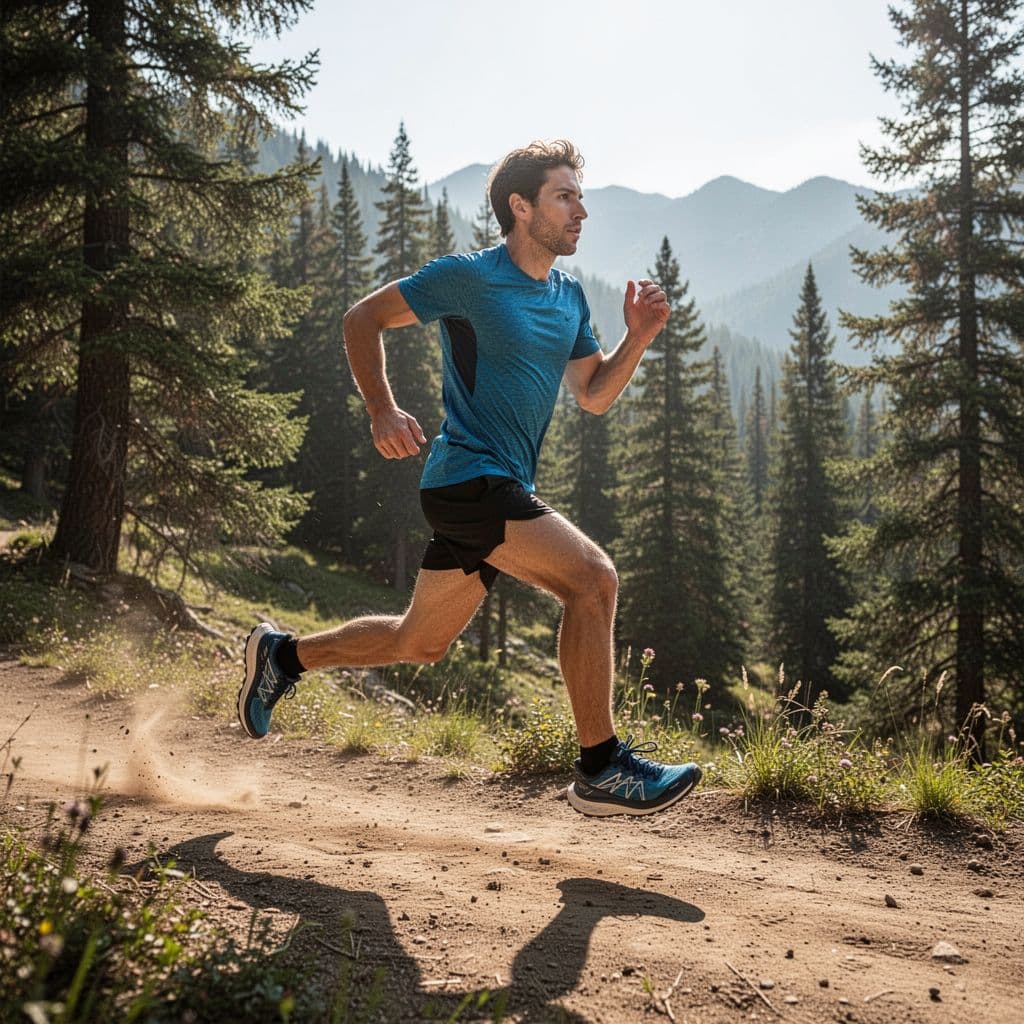
Best for runners who want comfort first
The Olympus 7 is best for runners who care about how their feet feel at mile 10, 20, or 30. If you run long distances, hike often, or spend time on rocky trails, the extra cushion can make a real difference.
It also fits runners with wider feet or anyone who dislikes a cramped forefoot. The toe box gives your toes room to spread, which helps on long descents and uneven ground. That extra space can feel like breathing room when your feet swell late in a run.
This shoe also makes sense for people who want a softer trail shoe without losing a stable base. The ride is protective, calm, and easy on tired legs. If that sounds like your style, Altra Lone Peak 5 review is another useful comparison, especially if you want a different take on Altra’s roomy fit.
Who should skip it
Skip the Olympus 7 if you want speed, snap, or a low-to-the-ground feel. Racers and fast trail runners will probably find it too tall and too cushioned for quick efforts.
It also won’t be the best choice if you like a more responsive ride. The shoe feels steady, but not lively, so it can seem sluggish during tempo runs, short intervals, or fast technical descents.
Runners who prefer a snug fit may also want something else. The Olympus 7 is generous up front, and that room is a benefit for many people, but it can feel too open if you want a locked-in race fit. For a lighter, more race-ready comparison, Running Warehouse’s Olympus 6 review shows how this line is often judged against weight and speed.
If your trail goals are simple, the decision is too. Buy the Olympus 7 if you want long-wear comfort, protection, and room to move. Pass on it if you want quick turnover, lower stack height, or a shoe that feels sharp on technical race days.
Conclusion
The Altra Olympus 7 delivers on what it promises, a max-cushion trail shoe that stays comfortable without feeling unstable. Its roomy fit, zero-drop platform, and strong trail protection make it a solid choice for long miles, steady runs, and all-day time on your feet.
It feels best when comfort matters more than speed. If you want a softer, more protective option than a lighter trail shoe, the Altra Olympus 4.0 review gives helpful context on how this line has developed over time.
For runners and hikers who want a stable, cushioned shoe with space up front, the Olympus 7 is easy to recommend. It is a strong fit for long trail days, and it does exactly what a shoe like this should do.


