

Altra Olympus 275 vs Brooks Caldera 8: Which Trail Shoe Fits Best?
Choosing between the Altra Olympus 275 vs Brooks Caldera 8 comes down to how you want long trail miles to feel underfoot. Both shoes are built for comfort on big efforts, but they don’t ride the same, and that difference matters once the miles stack up.
If you want a roomy, stable max-cushion option for steady runs, rocky sections, or mixed terrain, one of these will fit better than the other. Fit, traction, and how each shoe handles rough ground can change the whole run, especially when the trail turns technical or your legs start to fade.
The best choice depends on whether you want a more natural-feeling platform or a softer, more guided ride. Before you pick, it helps to compare the details side by side, including cushioning, stability, and how each model handles smoother miles versus harder, uneven trails.
What each shoe is built to do on the trail
Both shoes aim at long-run comfort, but they get there in different ways. The Altra Olympus 275 vs Brooks Caldera 8 comparison starts with a simple question: do you want a shoe that feels more natural and roomy, or one that feels softer and more guided underfoot?
Build Your Complete Race-Day Setup
The right shoe helps, but faster racing comes from better training, pacing, recovery, fueling, and execution.
More Guides for This Shoe
That difference matters on more than easy paths. It shows up on steep climbs, long descents, rocky turns, and late-race miles when your legs start to lose form. A shoe that feels good for the first hour can feel very different after three.
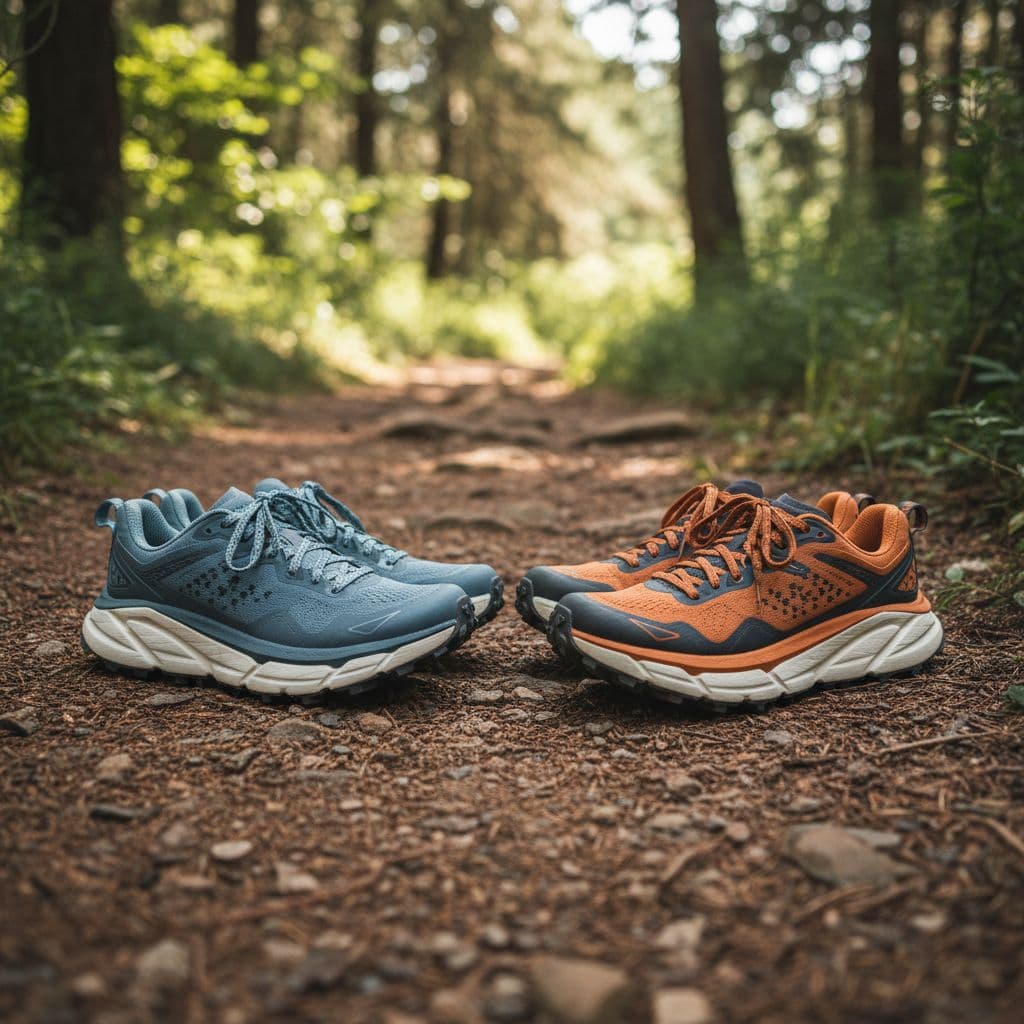
The Altra Olympus 275 feels roomy, soft, and natural
The Altra Olympus 275 is built for runners who want space up front and a more natural stance underfoot. Its foot-shaped fit gives your toes room to spread, which can feel great on long runs when swelling kicks in and your feet want a little extra space.
Its zero-drop platform keeps the heel and forefoot level, so the ride feels more grounded and less tilted forward. That setup often appeals to runners who like a flatter, more natural feel, especially if they already enjoy lower-drop shoes or want a trail shoe that stays out of the way.
The Olympus line is also known for its max-cushion comfort. The high stack height helps soften repeated impact on long efforts, so it can be a smart choice for runners spending hours on feet over gravel, dirt, and mixed trail. It gives you a plush landing without feeling too narrow or restrictive.
This shoe tends to make sense for runners who value toe room, steady comfort, and a less aggressive platform. If you like a shoe that feels open, smooth, and easy to settle into, the Olympus 275 fits that role well.
The Olympus 275 is built for comfort over distance, especially when foot space and a flatter ride matter more than a traditional fit.
For runners who want more background on Altra’s approach to trail comfort, this Altra trail shoe review can help frame how different trail shoes are tuned for different jobs.
The Brooks Caldera 8 is made for smooth comfort and easy miles
The Brooks Caldera 8 takes a more familiar route. It is built for runners who want lots of cushioning, but with a ride that feels stable and easy to trust right away. The fit is more conventional than Altra’s, so many runners will step in and feel right at home.
That matters on trails where the surface keeps changing. The Caldera 8 is aimed at easy cruising, long training runs, and steady trail miles where comfort is the main goal. It gives you a soft underfoot feel without pushing you into a radical platform change.
Brooks often designs shoes for runners who want a balanced, dependable ride, and that idea shows up here. The Caldera 8 is less about a dramatic feel and more about making long miles easier to manage. If you want max cushioning without having to adjust to a zero-drop platform, this shoe is likely the more natural fit.
It also works well for runners who like a little guidance underfoot on uneven ground. On climbs, descents, and off-camber sections, that steadier feel can help the shoe stay composed when the trail gets rough.
In short, the Caldera 8 is built for day-to-day trail comfort. It suits runners who want a soft landing, a familiar shape, and a ride that stays calm when the miles get long.
Fit and feel: the biggest differences you notice right away
The first thing you notice in the Altra Olympus 275 vs Brooks Caldera 8 comparison is how differently they wrap the foot. One feels shaped around natural toe spread and a flatter stance, while the other feels more familiar, more guided, and easier for many runners to step into without adjustment.
That difference shows up before the trail even gets rough. It affects how your toes sit, how secure your heel feels, and how comfortable the shoe stays after the miles start to add up.
Toe box shape, foot shape, and all-day comfort
The Olympus 275 has the more natural, foot-shaped toe box, so your toes get room to spread instead of getting pressed together. That extra space can feel great on long descents, where your forefoot tends to slide forward and swell a bit. It also helps if you prefer a less confined fit for long ultras or all-day efforts.
The Caldera 8 keeps a more traditional shape. It still offers comfort, but the forefoot feels more conventional and less splayed. For many runners, that feels familiar and secure right away. For others, especially runners with wider forefeet or a need for more toe room, it can feel a little more structured.
On long runs, the difference matters. Feet swell, toes move, and pressure points start to show up. If your shoes crowd the front of the foot, you notice it fast. If you want a clearer sense of how shoe fit changes once miles pile up, the best trail running shoes for new runners guide breaks down the fit basics well.
More toe room usually pays off late in the run, especially when downhill pounding starts to push your foot forward.
Heel hold and midfoot security on uneven ground
The Caldera 8 feels more locked-in through the heel and midfoot, which helps on sidehills, loose dirt, and rocky trails. That snugger hold can give you more confidence when the trail tilts or shifts underfoot, because the shoe feels easier to place and control.
The Olympus 275 still aims for security, but it does it with a roomier, less restrictive feel. That can be very comfortable, especially on steady trails, yet some runners may notice a little less of that dialed-in wrap when the terrain gets messy. If you like a shoe that feels relaxed but not sloppy, it works. If you want a firmer hold for technical ground, the Caldera 8 may feel better right away.
This is where personal preference matters most. Some runners want the shoe to disappear. Others want a little more guidance when the ground gets loose. The Caldera 8 tends to feel more controlled, while the Olympus 275 feels more open and easygoing.
Sizing notes for runners with wide feet or high-volume feet
Sizing comes down to how much room you want in the forefoot and how much security you want through the rest of the shoe. The Olympus 275 is often the easier pick for wide feet, high-volume feet, or runners who hate pressure across the toes. It gives you more natural space, so many runners can stay true to size without feeling cramped.
The Caldera 8 is the better fit for runners who want a familiar shape and a more traditional hold. If your feet are average width and you like a snug heel, true to size is usually the first place to start. If you have wider feet, thicker socks, or you know your feet swell a lot on long runs, sizing up a half size can make sense.
A simple way to think about it:
- Choose the Olympus 275 if you want more toe room, a roomier feel, or less pressure on long runs.
- Choose the Caldera 8 if you want a more locked-in fit, especially through the heel and midfoot.
- Size up if your toes brush the front on descents or your feet swell a lot late in the run.
- Stay true to size if you want the most secure fit and your normal trail size already gives you a thumb’s width up front.
For runners who need a more stable setup on uneven ground, stability trail running shoe options can also help you compare fit and support across different trail models.
Cushion, stability, and how each shoe handles long trail runs
Long trail runs expose a shoe fast. Soft foam feels great early, but by hour two you start to notice how well it controls your foot, limits wobble, and keeps impact from piling up. In the Altra Olympus 275 vs Brooks Caldera 8 matchup, both shoes aim for comfort first, but they get there in different ways.
The Olympus 275 leans into a roomy, high-cushion ride that feels protective and open. The Caldera 8 gives you a smoother, more guided feel that many runners find easier to trust over distance. One feels more free and natural, the other feels more settled and familiar.
How the Olympus 275 protects you on rough, rocky terrain
The Olympus 275 is built for underfoot protection. Its tall stack gives you a thick layer between your foot and the trail, which helps when rocks, roots, and broken ground keep showing up underfoot. On rough trails, that extra foam can take the sting out of repeated strikes and make longer outings feel less harsh.
That protection comes with a tradeoff. A higher stack can feel a little tall, especially if you like a low, close-to-the-ground shoe. Still, the Olympus 275 does a good job of staying planted for a max-cushion model. It feels more like a stable platform than a wobbly cushion pile, which matters when the trail gets uneven.
For technical terrain, that balance works well if you want comfort without giving up too much control. The shoe feels best for runners who spend long hours on rocky paths, mixed trails, or mountain routes where protection matters more than quick ground feel. If you prefer a shoe that softens the trail and gives your legs a break, this one fits that job.
The Olympus 275 feels tall, but not unstable. That makes it a strong pick for runners who want cushion first and speed second.
For runners who want another rough-trail comparison, this trail shoe review offers a good look at how structure helps on rocky miles.
How the Caldera 8 balances cushioning with a stable ride
The Caldera 8 takes a smoother approach. Its cushioning feels soft enough for long miles, but it doesn’t give the same lofty, oversized feel that some max-cushion shoes bring. Instead, it rides in a way that feels more controlled and predictable, which helps when you want comfort without losing your sense of where you are on the trail.
That predictability matters on long training runs. When the foam feels balanced, you don’t have to fight the shoe as much, and that can reduce mental and physical fatigue. The Caldera 8 is also easy to settle into at a steady pace, so it works well when your goal is to cruise rather than attack the terrain.
The ride feels especially useful for runners who want a soft landing but still care about control on descents, turns, and rolling ground. If you like a shoe that feels calm and consistent over the full run, the Caldera 8 gives you that. It may not feel as spacious or dramatic as the Olympus 275, but it does a strong job of staying composed when the miles stretch out.
For a broader look at how Brooks handles faster off-road efforts, this Brooks trail shoe review shows how the brand balances comfort and control in a lighter setup.
Which shoe feels better when your legs are tired
Tired legs change everything. A shoe that felt smooth at mile four can feel harsh or unstable later on, especially if your form starts to drift. In that late-run space, the Olympus 275 and Caldera 8 solve the problem in different ways.
The Olympus 275 helps by giving you more cushion and more room up front. When your feet swell and your stride gets sloppy, that extra space can feel like a relief. It doesn’t force your foot into a tight, precise shape, so it may feel easier to stay comfortable on ultra-distance days or all-day hikes. The soft platform also helps take some of the edge off repeated impact.
The Caldera 8 helps by staying more controlled. When your legs are cooked, a shoe that tracks straight and feels predictable can be a big deal. That steadier ride can support fading form better than a shoe that feels tall or loose. As a result, some runners trust it more for long easy runs where they want comfort without extra movement underfoot.
Here is the simplest way to separate them:
- Choose the Olympus 275 if you want more room, more cushion, and a softer buffer for long, rough miles.
- Choose the Caldera 8 if you want a smoother, more stable ride that feels easy to trust late in the run.
- Pick the Olympus 275 for ultra-distance comfort, long hikes, or days when foot swelling is a real issue.
- Pick the Caldera 8 for steady cruising, training runs, and trail days where control matters as much as softness.
When fatigue builds, both shoes still protect your feet well. The difference is how they support your stride. The Olympus 275 spreads pressure and keeps things comfortable, while the Caldera 8 helps keep your movement more centered and predictable. If you want more details on how long-run cushioning changes across trail shoes, this trail comparison guide gives a useful side-by-side view.
For ultra runners, that choice is simple. If your priority is plush comfort and foot space, the Olympus 275 makes sense. If your priority is a calmer ride that stays steady when your legs fade, the Caldera 8 has the edge.
Traction, outsole grip, and terrain performance
Traction is where trail shoes either earn your trust or lose it fast. The Altra Olympus 275 vs Brooks Caldera 8 comparison gets more interesting once the ground changes, because grip on dirt is one thing, and grip on wet rock, loose gravel, and off-camber slopes is another.
The Olympus 275 and Caldera 8 both handle steady trail miles well, but their confidence levels shift when the trail gets messy. One shoe gives you a more open, natural platform with a stronger sense of ground contact. The other feels more settled and predictable across a wider range of everyday trail surfaces.
When the trail gets loose, steep, or technical
On loose climbs, the shoe that bites sooner and feels more direct often wins. The Olympus 275 can feel more connected to the ground, which helps when you want to place each step with care on rocky switchbacks or broken dirt. That lower, more natural feel can make technical climbing feel less awkward, especially if you like to stay light on your feet.
The Caldera 8 takes a calmer approach. It doesn’t feel quite as immediate underfoot, but it gives you a stable, composed ride that many runners will trust on steep descents and rolling terrain. On off-camber sections, that steadier platform can help you stay centered when the trail tries to push your foot sideways.
For truly unpredictable ground, the difference comes down to how you run. If you want a shoe that feels more nimble on technical lines, the Olympus 275 has the edge. If you want a shoe that feels more settled when the trail tilts or shifts, the Caldera 8 is easier to trust. Runners who spend a lot of time on rough singletrack may also appreciate Nike Terra Kiger 10 trail running shoes, since lighter trail shoes often show a similar tradeoff between feel and protection.
On steep, loose trails, the better shoe is usually the one that gives you confidence before your foot lands.
Wet weather, mud, and everyday trail conditions
In rain, damp dirt, and light mud, both shoes stay usable, but neither is a deep-mud specialist. The Olympus 275 tends to feel stronger on uneven dirt and mixed trail because its more natural platform helps you stay aware of what is underfoot. That matters when the surface changes every few steps, from hardpack to slick roots to wet gravel.
The Caldera 8 does well on common trail conditions, especially when the route is mostly packed dirt, mild gravel, and occasional muddy patches. Its more stable feel makes it easy to keep moving without overthinking every step. On wet rock, though, you still have to be careful. Like most trail shoes, grip depends on how clean the surface is and how much standing water or slime sits on top.
In everyday use, the Caldera 8 is the more forgiving pick for mixed trail days. It feels easy to wear when the route includes dirt roads, park paths, and moderate singletrack. The Olympus 275 feels a little more trail-specific, and that can be a plus if you want a shoe that feels ready for rougher terrain without giving up all-day comfort.
A simple way to split them:
- Olympus 275 for technical dirt, rocky turns, and a more connected feel.
- Caldera 8 for mixed trail runs, damp ground, and steady all-around use.
- Both for light mud and wet dirt, with more caution needed on slick rock.
- Neither is ideal for deep mud, where aggressive lugs matter more than cushion.
Durability also fits into the traction conversation. On rough, gritty trails, outsole wear usually shows up first at the lugs that strike hardest, especially at the heel and forefoot. The Caldera 8’s more versatile use case may spread wear more evenly for runners on mixed surfaces, while the Olympus 275 can show more obvious scuffing if you spend a lot of time on sharp rock and abrasive dirt. If you want a broader look at how trail outsoles hold up across different models, RunRepeat’s trail shoe guide is a useful place to compare wear patterns and grip styles.
For most runners, the choice is clear. The Olympus 275 feels better when the trail gets more technical and confidence matters. The Caldera 8 fits better if you want dependable traction for regular trail miles, wet mornings, and mixed conditions without having to think about every change in terrain.
Which runner should choose the Olympus 275, and which should choose the Caldera 8?
If you are torn between these two shoes, the answer comes down to how you want your trail miles to feel. The Altra Olympus 275 vs Brooks Caldera 8 decision is less about which shoe is better overall and more about which runner each shoe fits best.
One favors a roomier, more natural setup with plenty of toe space. The other gives you plush comfort in a shape that feels familiar right away. That difference matters most when the run gets long, the terrain gets uneven, or your feet start asking for mercy.
Choose the Altra Olympus 275 if you want more room and a natural feel
The Olympus 275 is the better pick for runners who hate cramped toe boxes and want a shoe that lets the foot spread out. If your forefoot feels squeezed in most trail shoes, this one gives you more breathing room, which can make a long day on the trail feel much easier.
It also fits runners who like a flatter, more grounded ride. The zero-drop platform and wide, foot-shaped fit make it a smart choice if you already like a natural running feel or want a shoe that stays out of the way on steady miles. That can be a big plus on long climbs, smooth dirt, and all-day mountain outings.
The Olympus 275 makes the most sense for:
- Wide-footed runners who need room through the forefoot
- Ultrarunners who want space as their feet swell
- Hikers and trail runners who spend hours on rocky or mixed terrain
- Runners who prefer a natural stance and flatter platform
- Anyone who wants max cushion without a narrow, shaped feel
It is a strong match for technical mountain runners who value underfoot protection but still want a shoe that feels open and less restrictive. If you like the idea of comfort that comes with freedom, this is the one to look at first.
Choose the Olympus 275 when fit matters as much as cushioning, especially if your toes need room to work.
Choose the Brooks Caldera 8 if you want plush comfort with an easy transition
The Caldera 8 is the safer choice for runners who want soft cushioning without changing their stride too much. Its more traditional shape feels familiar quickly, so you do not have to adjust to a zero-drop platform or a wide, foot-shaped toe box.
That makes it a good fit for runners who want comfort first, but still want a shoe that feels stable and easy to trust. It works well for long, steady trail runs, recovery outings, and mixed surfaces where you want a smooth ride more than a radical feel.
The Caldera 8 is usually the better fit for:
- Runners who like a familiar shoe shape
- People moving up to max cushioning without wanting a big transition
- Trail runners who want a soft, stable ride
- Runners who prioritize comfort over foot-shaped fit
- Those who want a dependable shoe for steady mileage
If you prefer a cushioned trail shoe that feels calm from the first mile to the last, the Caldera 8 is an easy shoe to live with. It gives you plush comfort, but it does not ask you to rethink your whole setup.
A simple way to pick the right shoe for your next trail block
If you want the fastest way to decide, start with the trail, then match the fit to your foot. On technical terrain, wide feet, or long ultra-style efforts, the Olympus 275 usually makes more sense. On steady dirt, mixed routes, or long training runs where you want a familiar feel, the Caldera 8 is the cleaner pick.
Here is the quickest way to choose:
- Pick the Olympus 275 if you want more toe room, a natural feel, and a flatter platform.
- Pick the Caldera 8 if you want soft cushioning with a more familiar ride.
- Choose the Olympus 275 for wide feet, swelling feet, or long mountain days.
- Choose the Caldera 8 for easy transitions, stable comfort, and everyday trail mileage.
- Go with the shoe that matches your longest run, not just your shortest test run.
If you want a side-by-side breakdown before buying, a detailed Olympus 275 vs Caldera 8 comparison can help you check the details one more time.
Conclusion
The Altra Olympus 275 vs Brooks Caldera 8 choice comes down to feel more than specs. Both are strong max-cushion trail shoes, but they suit different runners for a clear reason, the Olympus 275 gives you more natural foot room and a flatter ride, while the Caldera 8 feels more familiar and controlled right away.
If you want a roomier toe box, a zero-drop platform, and extra space for long miles, the Olympus 275 is the better match. If you want plush cushioning with an easier transition and a more traditional fit, the Caldera 8 makes more sense. For a closer look at the Brooks side, the Brooks Caldera 8 performance review adds useful detail on its long-run comfort.
That is the main takeaway here. Pick the shoe that fits your foot shape, your terrain, and the way you want to run when fatigue sets in. If you want more context on Altra’s max-cushion feel, the Altra Olympus 7 max cushion breakdown is a helpful next read.


