

Altra Lone Peak 9 Review: A Trail Legend Tested Again
The Altra Lone Peak 9 has a lot to prove because this line has been a trail favorite for years. If you want a roomy fit, natural feel, and dependable grip on dirt, rock, and rough mileage, this review is for you.
Trail runners, hikers, and runners with wider feet often look at the Lone Peak because it promises space up front without feeling sloppy. This test looks at how the 9 handles fit, comfort, traction, and durability, plus whether it still feels like the classic Lone Peak or drifts too far from what made it popular in the first place. For more background on the line, you can also check out these Altra Lone Peak trail running shoe features.
What matters most is simple, does the Lone Peak 9 still deliver the easygoing, trail-ready ride people expect? Keep reading, because that answer comes down to a few details that matter on real runs and long days outside.
What makes the Altra Lone Peak 9 worth testing again?
The Altra Lone Peak 9 matters because this line has earned trust the hard way. It has long been the shoe people reach for when they want one pair that can handle weekend runs, long trail days, and even hiking-heavy miles without feeling too narrow or too harsh.
That kind of reputation brings pressure. When a shoe becomes a favorite for ultrarunners, thru-hikers, and everyday trail runners, even small changes get attention. A tweak to the fit, upper, or outsole can make loyal fans cheer or complain fast.
A lot of runners still think of the Lone Peak as the classic all-around trail choice. It has built a fan base around roomy comfort, zero-drop feel, and reliable trail grip, so people expect it to keep that core identity. If a new version strays too far, the whole point gets lost.
That is why the Lone Peak 9 deserves another test. It is not just another update in a long line of releases. It has enough changes to make experienced runners ask a real question: does this version still feel like the Lone Peak, or has it shifted into something else?
The Lone Peak name and why runners care
For years, the Lone Peak has been the shoe people recommend when someone wants a dependable do-it-all trail option. It works for easy miles, rough singletrack, backpacking trips, and long efforts where comfort matters more than a flashy ride.
That wide appeal is part of the reason the model has such a loyal following. A runner who loves the Lone Peak often loves it for a specific reason, maybe the toe room, maybe the stable feel, maybe the way it handles long days when feet start to swell.
When a shoe builds that kind of trust, every update matters.
If you want a sense of the model’s history and why so many runners kept coming back to it, the Altra Lone Peak 5 review gives useful context.
What is new in the Lone Peak 9
The Lone Peak 9 brings a few updates that matter right away, even before you get into the deeper performance test. The biggest changes are in the upper, fit, and outsole feel, which are the areas most runners notice first.
In simple terms, the shoe looks set up to feel a little more refined underfoot and a bit more secure on the trail. The fit should matter most to people who liked older Lone Peaks but wanted a cleaner hold without losing that roomy front end. The outsole update also raises interest, since traction is one of the first things trail runners look at on rocks, dirt, and loose ground.
That mix is what makes the 9 worth a fresh look. It keeps the familiar Lone Peak DNA, but it changes enough to deserve a new round of testing on real trails.
First impressions after lacing them up
The Altra Lone Peak 9 makes a clear first impression before you even hit the trail. It looks familiar in that classic Lone Peak way, but the shape feels a little more polished in hand, with a trail-ready build that hints at long days outside rather than short, fast road-like runs.
Slip them on, and the key feeling is space without chaos. The shoe opens up where it should, yet it does not feel loose or unfinished. That matters, because a roomy trail shoe only works when it still feels controlled on the foot, especially if you want a pair that can also fit into a broader trail running gear setup.
Fit, toe room, and overall shape
The toe box gives your forefoot real breathing room right away. Your toes can spread naturally, which is exactly what many runners expect from Altra, but the shape still feels intentional instead of sloppy. The midfoot holds the foot better than the wide front might suggest, so the shoe keeps its trail focus instead of feeling like a box on the foot.
The heel feels secure enough for steady running, though the overall fit still leans roomy. That is good news if you have wide feet or your feet tend to swell on longer efforts. There is a slight break-in feel at first, mostly from the upper settling around the foot, but nothing harsh or distracting.
If you like Altra’s natural shape, the Lone Peak 9 should feel familiar fast.
Upper comfort and lockdown
The upper feels soft in the right places, with enough structure to keep the shoe from collapsing when the trail gets rough. Padding around the collar and tongue adds comfort, and the tongue helps spread pressure so lacing does not dig in.
Lockdown is solid once you get the laces set. On climbs, the foot stays planted well enough, and on descents the shoe does a good job of keeping the heel from sliding. On uneven ground, that balance of comfort and hold gives the shoe a calm, confident feel, which is exactly what you want when the miles start stacking up.
How it performs on real trails
The Altra Lone Peak 9 feels most at home when the trail gets messy, mixed, and a little unpredictable. It is built for runners who want a roomy, natural ride, but real trail performance still comes down to grip, stability, and how the shoe feels after the first few miles wear off.
On paper, it checks the boxes. On the trail, it does a lot right, especially on dirt, dry rock, and long days with steady footing. The shoe is less exciting when the ground turns slick or highly technical, but it still gives you a dependable platform that feels familiar fast.
Grip and traction on dirt, rock, and wet ground
The outsole bites well on dry dirt and hard-packed trail. On climbs, the lugs catch enough to keep your stride moving without needing to overthink every step. That matters on steep, dusty pitches where weaker traction can make you waste energy with every push-off.
On rocky trails, the Lone Peak 9 stays composed. It grips flat rock well enough and gives you a secure landing on uneven stone, though it does not feel as sticky as a shoe built around maximum aggression. For most trail runners, that balance works. You get confidence without a harsh, overly stiff ride.
Wet ground is where the shoe shows its limits. It handles damp dirt and light moisture fine, but slick rock, mud, and rooted sections can ask more of you. You can still run them, of course, yet you’ll want to stay precise with foot placement instead of charging in blind.
The Lone Peak 9 rewards clean steps more than reckless ones.
On descents, braking is decent but not dramatic. The forefoot and heel give enough bite to slow you down on loose dirt, although steep, muddy downhills can expose the shoe’s softer edge. If your local trails stay mixed rather than soggy, the traction feels dependable and practical. For runners who want a deeper look at traction strategy on rough ground, these trail running tips are a useful companion read.
Cushioning on long runs and all-day wear
The midsole feels calm rather than lively. Early on, it comes across as comfortable and protective, but the real test is how it feels after hours on your feet. That is where the Lone Peak 9 does its best work, because it keeps the ride consistent instead of turning harsh or flat too soon.
It feels on the firmer side of soft, which helps it stay stable on long outings. You don’t get a bouncy response, but you do get a steady platform that works well for easy miles, long hikes, and all-day use. That makes it a strong choice if your runs often blur into hike breaks, photo stops, or long stretches of moving at a relaxed pace.
For fast hiking, the cushioning lands in a nice middle ground. It gives enough underfoot comfort to keep fatigue down, yet it does not feel mushy when you start climbing or carrying a little tiredness in your legs. After several hours, that steady feel matters more than a flashy, springy ride.
The shoe also does well for all-day wear because the platform feels predictable. Your feet settle into it instead of fighting it. If you want a trail shoe that can handle both the run and everything around the run, that kind of comfort goes a long way.
Stability on uneven terrain
Stability is one of the Lone Peak 9’s strongest traits. The broad base gives you a sure landing on roots, angled rocks, and cambered trail. When the ground tilts, the shoe does not feel twitchy, and that helps you stay relaxed instead of gripping with your toes every few steps.
The zero-drop setup also plays a role here. It encourages a flatter, more grounded stance, which many runners like on technical terrain because it keeps the shoe feeling connected to the trail. If you have experience with this style, the platform will feel natural quickly. If you’re new to it, the first few runs may feel different, but not unstable.
Fatigue is where a shoe like this earns trust. Late in a long run, when balance starts slipping and foot placement gets sloppy, the Lone Peak 9 keeps its shape well enough to stay useful. It does not correct bad technique for you, but it gives you enough structure to keep moving with confidence.
The roomy forefoot also helps on technical ground. Your toes can spread and adjust when the surface changes, which is helpful on root webs and off-camber sections. For runners who want more context on building skill for rough trails, trail running training tips can help you match the shoe to better movement on uneven ground.
How it handles speed versus easy miles
This is not the shoe for chasing fast splits. The Lone Peak 9 feels best at easy pace, steady cruising, and long efforts where control matters more than snap. When you open up the pace, the shoe stays smooth enough, but it never turns playful or quick on demand.
That does not make it slow in a bad way. It just means the ride is more protective than energetic. The cushioning, wide platform, and roomy fit all point toward comfort and confidence, not sharp turnover. If your idea of a great trail run is covering miles without fighting the shoe, this is a strong match.
On flatter singletrack and smoother paths, it feels especially comfortable. You can settle into a rhythm and let the miles pass. On technical climbs and descents, the shoe still works, but its best quality is how little it asks from you in return.
A few quick takeaways make the ride easy to judge:
- Best for steady trail miles: It feels smooth when you settle into a long, even effort.
- Good for hiking-heavy outings: The platform and comfort support mixed use well.
- Less ideal for aggressive racing: It does not have the snappy feel faster runners may want.
- Strong for all-day comfort: It stays friendly when the outing lasts longer than planned.
If you want a shoe that feels more protective than quick, the Lone Peak 9 fits that role well. It is the kind of trail shoe you pick when you care more about lasting comfort and consistent footing than a lively ride, and that is exactly why so many runners keep coming back to this line.
Comfort details that matter on long trail days
Small comfort details separate a shoe that feels fine for an hour from one that holds up all day. The Altra Lone Peak 9 gets a lot of its appeal from that steady, low-drama feel, where nothing pokes, rubs, or traps heat for long. On a full trail day, that calm fit matters more than flashy ride notes.
Breathability and weather comfort
The upper does a solid job of moving air, so your feet do not feel boxed in when the temperature climbs. It handles heat better than heavier, more protective trail builds, and that matters when you are grinding through midday miles or climbing in the sun. For a broad look at how upper design affects comfort, the REI trail-running shoe guide is a helpful reference.
Moisture management is good enough for most trail use. Sweat dries at a reasonable pace, and the material does not stay clammy for long after a wet patch or creek splash. In mixed conditions, that balance works well, because the shoe feels comfortable without trying to be a waterproof shell.
This is the kind of upper that makes sense for warm days, shoulder-season runs, and mild weather changes.
Light rain and stream crossings are manageable. The shoe is not built to stay dry, so water gets in, but it also sheds moisture fairly fast once you keep moving. That makes it a better pick for variable trail days than for cold, soaked conditions.
Protection without feeling bulky
The Lone Peak 9 gives you enough guard at the toe and forefoot without turning the shoe stiff or heavy. That balance matters on sharp trail surfaces, where a little defense can save your toes from rocks, roots, and sloppy steps. You still feel the trail, but you do not feel unprotected.
Underfoot, the shoe has enough cushioning to take the edge off repeated impacts. It does not bury the ground feel, which is part of the appeal for runners who want contact and control. On rough, rocky routes, that mix feels honest and useful, not overbuilt.
If you run on sharp, broken terrain, the protection is dependable rather than dramatic. The Lone Peak 9 does a good job of softening the punishment without muting the trail so much that you lose feedback. That keeps it comfortable for long stretches where the surface changes every few minutes.
Long-run comfort and fatigue management
After hours on trail, the shoe stays friendly in ways that matter. Pressure points stay low, and the upper does not start fighting your foot as it swells. The forefoot room helps a lot here, because your toes can spread instead of feeling pinched late in the day.
The arch feel is neutral and easygoing, so it does not create that hot spot some shoes bring on after a long climb or a full day of hiking. If anything, the roomy platform helps tired feet settle in instead of cramping up. For runners who want a more cushioned option in a similar use case, the Brooks Caldera 8 performance on long runs offers a useful comparison.
When your legs start to fade, the Lone Peak 9 helps more than it hurts. The stable base keeps you centered, and the forgiving fit reduces the little annoyances that add up over time. It is the kind of shoe that disappears in a good way, which is exactly what you want at mile eight, mile eighteen, or even later.
What stands out, and what still needs work
The Altra Lone Peak 9 is easy to appreciate if you want a trail shoe that stays true to its roots. It gives you room, comfort, and a stable feel on rough ground, but it also asks you to accept a few limits. That mix matters, because the shoe shines for some runners and feels average for others.
The biggest wins
The biggest win is still the fit. The forefoot has real space, so your toes can spread on climbs, descents, and long outings when feet swell. If you hate cramped trail shoes, that alone can make the Lone Peak 9 worth a look.
Comfort is another clear strength. The ride feels steady and forgiving, which suits easy miles, hiking-heavy days, and long trail efforts. It does not try to be flashy, and that works in its favor. You get a shoe that settles in and lets you focus on the trail instead of the fit.
Traction is also solid for most trail conditions. Dry dirt, packed paths, and rocky routes feel dependable, so you can move with confidence without babying every step. For runners who want more gear context around a full trail setup, trail running gear essentials is a helpful place to start.
This shoe makes the most sense for:
- Wide-footed runners who need room up front without a sloppy fit
- Ultrarunners and hikers who care more about comfort than pace
- Everyday trail runners who want one shoe for varied terrain
- Zero-drop runners who already like a grounded, natural feel
The trade-offs to know before buying
The Lone Peak 9 is not built for a lively ride. It feels controlled and practical, but it does not deliver much pop when you push the pace. If you want a quick, springy trail shoe, this one may feel a little flat.
It also has fit quirks that some runners will notice. The roomy forefoot is a plus, yet the overall shape can feel too loose if you prefer a snug, race-ready hold. Runners with narrow feet may need to work harder to get lockdown dialed in.
Wet, sloppy terrain is another weak spot. The shoe handles mixed trail use well, but slick rock and mud can expose its limits. The Lone Peak 9 is best when the ground is varied, not when conditions turn messy and aggressive.
The Lone Peak 9 is a strong everyday trail shoe, but it is not the fastest or most aggressive option in the lineup.
In short, the Altra Lone Peak 9 is a smart pick if comfort, space, and steady trail confidence matter most. If you want speed, bounce, or a tighter race fit, there are better matches out there.
Who should buy the Altra Lone Peak 9
The Altra Lone Peak 9 is a strong fit for runners and hikers who care more about space, comfort, and steady trail control than a tight race feel. It works best when your feet need room to move and your outings last long enough for comfort to matter.
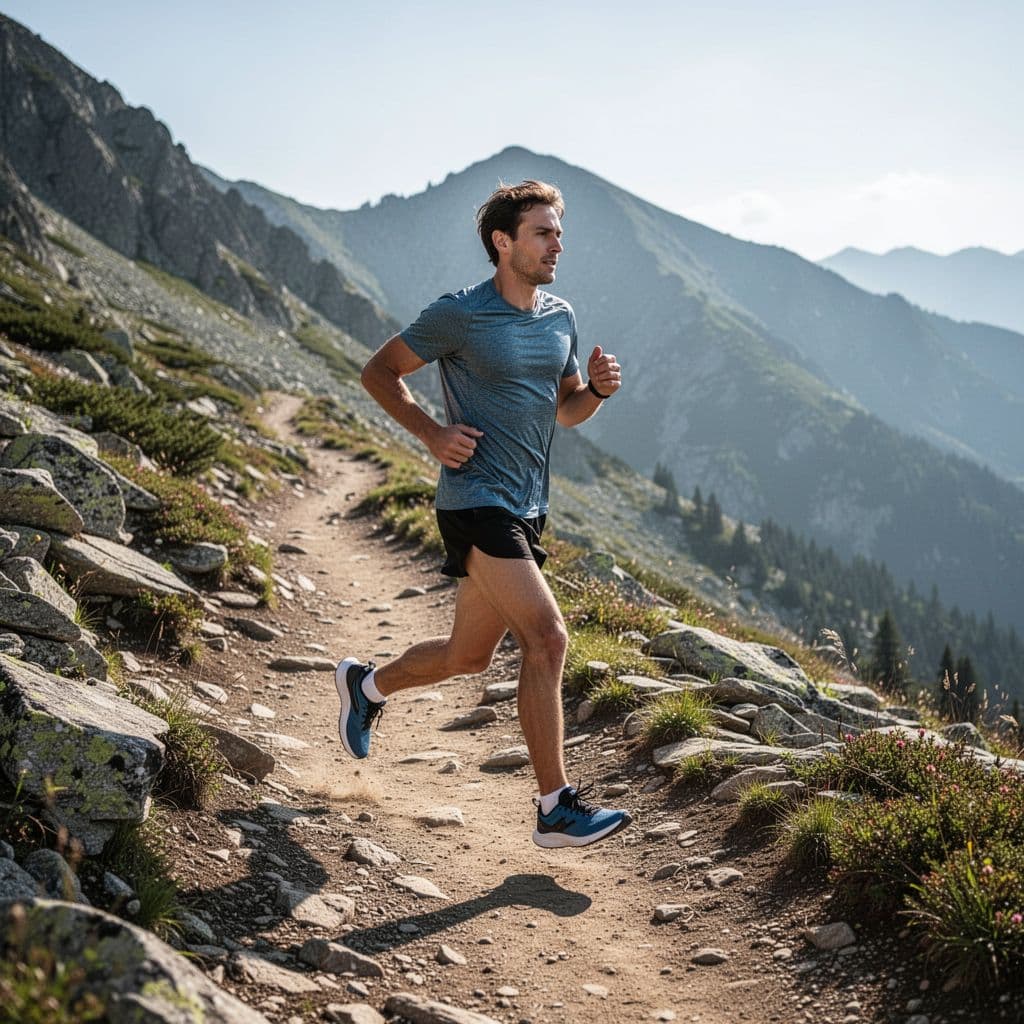
Best for runners who want room and trail comfort
If you have wide feet, or your feet swell on longer efforts, the Lone Peak 9 makes a lot of sense. The toe box gives your toes space to spread, which helps on climbs, descents, and long runs where a cramped forefoot gets tiring fast.
It also fits hikers and long-distance trail runners well. The shoe feels calm, stable, and comfortable when the miles stack up, so it works for all-day trail use, fast hiking, and mixed run-hike outings. That roomy front end is a big reason many people keep coming back to the Lone Peak line.
For runners who like a more natural setup, the zero-drop platform feels grounded and easy to trust. If that sounds like your style, the best trail running shoes for beginners guide can help you compare comfort-first options too.
If toe splay matters to you, this shoe gives your feet the freedom to settle in instead of squeezing them down.
A quick fit check helps narrow it down:
- Wide-footed runners who need a less cramped forefoot
- Ultrarunners who want comfort over speed
- Hikers who want one shoe for trail miles and long days out
- Natural-feel fans who already like zero-drop shoes
Who may want to look elsewhere
The Lone Peak 9 is not the best choice if you want a max-cushion shoe with a tall, soft stack. It has enough protection for long trail use, but it still feels more grounded than plush. Runners who want a high, bouncy ride may prefer something with more foam underfoot.
It also won’t satisfy runners chasing a fast racing feel. The shoe is steady and controlled, but it does not snap forward the way a lighter, more aggressive trail racer does. If you want sharp turnover on race day, this one may feel too relaxed.
A more locked-in fit is another reason to pass. Narrow-footed runners, or anyone who likes a snug heel and midfoot hold, may find the Lone Peak 9 too roomy. In that case, a different trail shoe with a closer fit will probably feel better on technical ground.
For a useful outside comparison, Running Shoes Guru’s Lone Peak 9 review also points to the shoe’s strength as an all-purpose trail option, which lines up with what makes it appealing here.
If you want space, comfort, and dependable trail manners, the Lone Peak 9 is easy to recommend. If your priority is speed, maximum cushion, or a snug race fit, keep shopping.
Conclusion
The Altra Lone Peak 9 stays true to what made this line a trail favorite in the first place. It gives you a roomy forefoot, steady comfort, and dependable traction for dry dirt, rock, and long trail days.
Its limits are just as clear. This is not a fast, springy shoe, and it does not love slick mud or a super snug fit. Runners who want speed or a race-ready hold should look elsewhere.
For wide-footed runners, ultrarunners, hikers, and anyone who likes a grounded zero-drop feel, the Lone Peak 9 makes a lot of sense. It is built for comfort first, and that focus gives it real staying power on mixed terrain.
So yes, this trail legend still deserves its reputation. It does what the Lone Peak name has always promised, and it does it with enough polish to keep loyal runners interested.


