

Altra Lone Peak 9 vs HOKA Speedgoat 7: Which Fits Your Trails?
Choosing between the Altra Lone Peak 9 vs HOKA Speedgoat 7 usually comes down to fit, feel, and the kind of trails you run most often. Both shoes are popular with trail runners, but they suit different feet and different terrain demands.
The Lone Peak 9 leans toward a roomier, more natural ride, while the Speedgoat 7 is built for runners who want a more secure, cushioned feel on rough ground. If you want a deeper look at each model, the Altra Lone Peak 9 review and HOKA Speedgoat 7 review can help.
In this comparison, the key points are fit, cushioning, traction, stability, and which shoe makes the most sense for your runs.
What makes the Lone Peak 9 and Speedgoat 7 different at a glance?
The biggest split in the Altra Lone Peak 9 vs HOKA Speedgoat 7 comparison shows up right away. One shoe feels low, open, and natural. The other feels taller, softer, and more shielded from the trail.
That difference affects more than comfort. It changes how you land, how you climb, and how much trail feedback you feel underfoot. If you want a quick first read, the Lone Peak 9 looks like a shoe for runners who want space and ground feel, while the Speedgoat 7 looks like a shoe for runners who want cushion and protection first.
How each shoe feels on the run
The Lone Peak 9 feels more natural and connected to the trail. Because it has a zero-drop platform and a wide toe box, your stride stays closer to the ground, and your foot can move with less restriction. That makes it feel calm and predictable on long miles, especially if you like to feel the trail instead of floating above it.
The Speedgoat 7 feels more cushioned and protective. Its higher stack gives your legs more buffer on rocky paths and hard-packed descents, so the ride feels softer and more insulated. On steep climbs, the extra cushion can help when fatigue starts to build, while on rough descents it can take the edge off sharp rocks and uneven landings.
If you like to feel every shift in the trail, the Lone Peak 9 speaks your language. If you want more padding between you and the ground, the Speedgoat 7 makes a stronger case.
The simplest way to think about it is this: the Lone Peak 9 asks for a more natural stride, while the Speedgoat 7 gives you more protection when the terrain gets rough. For a closer look at the Lone Peak’s trail-first setup, the Mizuno Wave Mujin 11 review offers a useful contrast in how different trail shoes handle protection and stability.
Who each shoe is built for
The Lone Peak 9 is a better match for runners who want a natural-footshape fit, a wide toe box, and a ride that stays close to the trail. It suits people who run technical singletrack, like room for their toes to spread, or prefer a shoe that feels less built-up underfoot. If you often run in varied terrain and want freedom of movement, this one makes sense.
The Speedgoat 7 fits runners who want a cushioned shoe with more underfoot protection. It works well for people tackling long trail days, rocky routes, or routes with repeated pounding. If you want comfort to stay high as the miles add up, the Speedgoat 7 is the more obvious pick.
Here’s the cleanest way to separate them:
- Choose the Lone Peak 9 if you want a natural ride, more toe room, and a lower, ground-connected feel.
- Choose the Speedgoat 7 if you want more cushion, more protection, and a softer feel on rough trails.
For runners comparing similar terrain-focused options, the Nike Terra Kiger 10 review is also helpful because it shows how a lighter, more direct trail shoe stacks up against more cushioned choices.
Fit and comfort: roomy natural shape or locked-in trail hold?
Fit is where the Altra Lone Peak 9 vs HOKA Speedgoat 7 decision gets personal. Cushion matters, but the wrong shape can ruin a run fast. If your toes feel pinched, your heel slips, or the midfoot feels off, you notice it long before the finish line.
Why the Lone Peak 9 fits so many natural-foot runners
The Lone Peak 9 is built around a roomy toe box and a foot-shaped feel. Your toes get more space to spread, which can feel great if you dislike cramped forefeet or want a more natural stance on the trail. The zero-drop platform also keeps the heel and forefoot level, so the shoe feels more like an extension of your foot than a lifted platform.
That setup often works well for runners with wide feet, bunions, or feet that swell on long efforts. More room up front can reduce pressure points, especially when your stride gets sloppy late in a run. It also feels easier on technical trails if you like a shoe that lets your foot move instead of holding it tightly in place.
Still, that freedom comes with a tradeoff. Compared with traditional trail shoes, the Lone Peak 9 can feel less structured through the midfoot and heel. If you want a snug, molded feel, it may seem loose at first. For runners who prefer a natural fit and hate toe squeeze, though, that softer structure is part of the appeal.
How the Speedgoat 7 hugs the foot more closely
The Speedgoat 7 takes a more traditional trail-shoe approach. The upper feels more secure, the heel holds closer, and the midfoot wrap gives you a more locked-in ride. On uneven ground, that can feel reassuring because your foot stays put when the terrain tilts, rocks, or shifts under load.
Some runners love that planted feeling. It can make steep descents, fast direction changes, and loose gravel feel more controlled. Trail shoes are often most useful when the fit supports the foot well, and a snug heel can help reduce wasteful movement. A close fit also pairs well with lacing tweaks like the runner’s loop, which can improve heel hold on technical routes. The REI trail-running shoe fit guide explains a few practical ways to fine-tune that security.
The tradeoff is room. The Speedgoat 7 is better for runners who want security over space, so it may feel less forgiving if you need extra forefoot width. If your feet spread a lot during long runs, that tighter feel can become noticeable.
Which shoe is better for wide feet and long-run comfort
For wide feet, the Lone Peak 9 is usually the safer bet. Its shape gives your toes space, and that can matter more and more as the miles stack up. If you deal with swelling, hot spots, or pressure across the forefoot, the extra room can keep the run comfortable longer.
The Speedgoat 7 can still work for long runs, especially if you prefer a more guided fit and want the shoe to hold your foot firmly. Its cushioning helps reduce harsh impact, so some runners feel fresher late in the day. That said, a supportive feel does not always beat a roomy one when your feet expand after an hour or two.
A simple way to choose is this:
- Pick the Lone Peak 9 if you want toe splay, a natural shape, and more space for swelling.
- Pick the Speedgoat 7 if you want a snugger hold, firmer security, and a more traditional trail fit.
If your feet are low-volume or you like a close wrap around the heel and midfoot, the Speedgoat 7 may feel better right away. If you care most about avoiding pressure and staying comfortable late in a run, the Lone Peak 9 has the edge. For another look at roomy, long-mile comfort, the Saucony Xodus Ultra 4 long distance comfort page is a useful comparison point.
Cushioning and ride quality on real trails
Cushioning changes how both shoes feel once the trail turns messy, uneven, or long enough to wear on your legs. In the Altra Lone Peak 9 vs HOKA Speedgoat 7 comparison, the real question is how much protection you want underfoot, and how much trail feel you still want to keep.
The Lone Peak 9 stays closer to the ground and gives you more feedback from each step. The Speedgoat 7 adds more foam and more shock absorption, so the ride feels softer and more insulated when the miles build up.
The Lone Peak 9’s balanced, ground-aware feel
The Lone Peak 9 has a lower, more flexible ride that keeps you connected to the trail. You feel more of the surface underfoot, which can help on twisty singletrack, light mud, and packed dirt where quick adjustments matter.
That connection can feel nimble and stable for runners who like to steer with their feet. The shoe bends a bit more naturally, so it does not fight every small change in terrain. On smoother trails, that can make the run feel efficient and easy to read.
Still, that lighter touch has limits. On very long runs, or on routes full of sharp rock, the Lone Peak 9 can feel less forgiving than a max-cushioned shoe. If you want more detail on why ground feel matters, the REI trail-running shoe guide gives a clear breakdown of how cushion and softness can affect trail performance.
The Lone Peak 9 rewards runners who like feedback. It asks less of the shoe and more of your own footwork.
The Speedgoat 7’s soft, protective cushioning
The Speedgoat 7 is built to take the sting out of the trail. Its softer underfoot feel helps absorb impact, which can reduce foot fatigue when you spend hours on hard-packed dirt, rocky terrain, or long descents.
That extra cushioning matters most when your stride starts to break down. On ultras, your legs get tired, your landing gets heavier, and every sharp edge on the trail feels a little louder. The Speedgoat 7 smooths that out, so the run can feel less punishing late in the day.
It also works well when the ground is firm and unforgiving. Hard-packed trails and rocky descents can wear on your feet fast, and the Speedgoat 7 gives you a thicker buffer between you and the terrain. That said, more cushioning does not always mean more stability for every runner. Some people feel more secure on a lower, firmer platform, especially on off-camber ground.
For runners who want a closer look at another high-cushion option for long miles, the Brooks Caldera 8 performance review is a useful reference point.
Which one feels better over distance
Over a short run, both shoes can feel good for different reasons. Over several hours, the gap gets clearer. The Lone Peak 9 gives you more trail feedback, while the Speedgoat 7 gives you more foot protection.
If you run a marathon distance on trails, the Lone Peak 9 can feel lively and controlled as long as you like a lower stack and do not mind more ground feel. If the course is rocky, rugged, or likely to beat up your feet, the Speedgoat 7 usually feels easier to live with after the halfway point.
For ultra runners, the choice often comes down to fatigue management.
- Choose the Lone Peak 9 if you want a more natural ride and better feel for the ground.
- Choose the Speedgoat 7 if you want more cushion, more shock absorption, and a softer landing over time.
A good rule of thumb is simple: if your legs usually tire before your feet, the Lone Peak 9 may be enough. If your feet are the first thing to complain, the Speedgoat 7 has the edge.
Traction, grip, and stability on different terrain
Traction changes everything once the trail stops being predictable. Dirt, rock, roots, mud, and wet ground each ask a shoe to do a different job, so the better choice is the one that matches your usual routes.
In the Altra Lone Peak 9 vs HOKA Speedgoat 7 matchup, the difference is easy to feel. One shoe gives you more ground connection and flexibility, while the other leans into stronger bite and a more protected ride. That matters when the trail tilts, loosens, or turns slick.
How the Speedgoat 7 handles rocky and technical trails
The Speedgoat 7 is the shoe many runners reach for when the trail gets rough. Its outsole gives strong grip on rock, loose dirt, and mixed terrain, so it feels confident when you are hopping between surfaces. On steep descents, that extra bite can help you stay in control instead of sliding into each step.
That confidence matters on long mountain days. When your legs start to fade, you want a shoe that still feels planted on broken ground. The Speedgoat line has earned trust because it blends grip, cushioning, and a secure fit in a way that works well on rugged routes.
Still, the ride can feel different on very uneven ground. The higher cushioning and taller shape soften impact, but they can also make the shoe feel a little more elevated when the trail is full of sharp rocks or off-camber sections. Many runners like that protection, although some prefer a lower shoe when they want more direct control.
For a practical overview of outsole grip and lug shape, REI’s trail-running shoe guide breaks down how tread affects traction on different surfaces.
Where the Lone Peak 9 shines on mixed and moderate trails
The Lone Peak 9 does its best work on smooth dirt, moderate singletrack, and trails that reward flexibility. It does not feel as aggressive as the Speedgoat 7, but that lighter, more natural ride helps it move well when the ground is steady and the turns come often.
On daily trail miles, the shoe feels easy to live in. It handles packed dirt, rolling forest paths, and hiking-friendly terrain without feeling overbuilt. The wide, foot-shaped platform also lets your foot spread out, which can help you feel more balanced when the trail is dry or only mildly technical.
That versatility is part of the appeal. If your routes mix running, hiking, and light scrambling, the Lone Peak 9 feels calm and adaptable. It is a shoe for trails that ask for movement, not armor.
For runners who want more tips on matching gear to real trail conditions, the trail running tips guide is a useful next stop.
Stability tradeoffs every runner should know
Stability comes from more than stack height. Shoe shape, platform width, and how locked-in the upper feels all shape your balance on uneven ground. A lower, more natural platform often feels steadier because your foot sits closer to the trail and reacts faster.
The Lone Peak 9 tends to feel stable in this way. Its lower, flatter setup gives a grounded feel that some runners trust on winding trails and side slopes. The Speedgoat 7 feels stable in a different way, with more cushioning and structure that help keep the ride controlled when the terrain gets harsh.
Here is the simple tradeoff:
- Lone Peak 9: better ground feel, more freedom, and a lower profile that can feel steady on moderate trails.
- Speedgoat 7: more cushioning, more protection, and a more supported feel on rough or uneven terrain.
If you want quick reactions and a close-to-the-ground feel, the Lone Peak 9 fits that style. If you want a cushioned platform that feels calmer on sharp, broken trails, the Speedgoat 7 makes more sense.
Mud, wet roots, and slick rock expose the limits of any trail shoe. The Speedgoat 7 usually feels more confident when conditions are rough and varied, while the Lone Peak 9 works best when the surface is firmer and more predictable. If your runs shift a lot between trail types, the right choice comes down to which surfaces show up most often.
Upper materials, durability, and weather performance
The upper is where trail shoes start to show their real character. Some pairs feel light and airy, while others feel tougher and more sealed up. In the Altra Lone Peak 9 vs HOKA Speedgoat 7 comparison, that difference affects how each shoe handles brush, rocks, rain, and long-term wear.
Which shoe is tougher for rocky miles
The Speedgoat 7 generally feels more protective when the trail turns rough. Its upper and toe bumper give a more wrapped, guarded feel, so repeated scrapes against rocks and roots are less likely to bother you right away. That extra coverage also makes the shoe feel a bit more confidence-inspiring on routes with sharp stone and rough edges.
The Lone Peak 9 feels lighter and more flexible up top. That can make it more comfortable for runners who want easier foot movement, but it also means the shoe may feel a little less armored when the trail starts banging up against the upper. On rocky miles, the difference is easy to notice, especially if you drag your toes or clip roots often.
If you want a more protective upper, the Speedgoat 7 is the safer pick. If you want a shoe that moves with less stiffness, the Lone Peak 9 feels freer and less bulky. For a broader look at how the Lone Peak line has handled rugged use over time, the expert guide to Altra Lone Peak shoes gives useful context.
How each upper handles heat, rain, and debris
Hot weather brings one big question, does the upper breathe well enough to stay comfortable? The Lone Peak 9 usually feels more open and airy, so it can run cooler on summer days. That extra airflow helps when you are climbing in heat or pushing long miles in dry conditions.
The Speedgoat 7 feels more secure and enclosed. That can help keep debris out, and it often makes the shoe feel more controlled in wet or sloppy conditions. The tradeoff is that it may not feel quite as breezy when temperatures climb.
Rain changes the picture again. A more open upper can let water in faster, but it can also drain and dry more quickly. A more structured upper can hold shape better in wet weather, yet it may stay damp longer after puddles, stream crossings, or steady rain. In other words, the Lone Peak 9 often feels better for hot, dry runs, while the Speedgoat 7 feels better when the trail is messy and you want more coverage. For a general breakdown of upper construction and abrasion resistance, Outdoor Gear Lab’s trail shoe guide is a solid reference.
If you run in heat and dust, breathability matters. If you run through wet brush and sharp debris, upper coverage matters more.
Lace system, tongue comfort, and hot spots
Small comfort details can decide whether a shoe feels great after two hours or annoying after twenty minutes. The Lone Peak 9 usually gives a more relaxed forefoot feel, which can reduce lace pressure if you like room to move. That softer, less confined setup can work well for runners who hate a tight wrap across the top of the foot.
The Speedgoat 7 tends to feel more dialed-in through the midfoot and heel. That helps lockdown, especially on steeper or more technical ground, but it can also create pressure if the laces are pulled too tight. A well-padded tongue and a secure heel structure matter here because they help spread out pressure and cut down on hot spots.
If you are sensitive across the instep, the Lone Peak 9 may feel easier out of the box. If you want a more locked-down ride and do not mind adjusting the laces, the Speedgoat 7 gives you a firmer hold. That matters more than many runners think, because a good midsole feels less good when the top of the foot is being squeezed.
For runners comparing long-mile trail setups, Under Armour’s trail running shoe guide also gives a practical look at overlays, support, and upper fit.
Best uses for each shoe, from daily runs to mountain ultras
The Altra Lone Peak 9 vs HOKA Speedgoat 7 decision gets easier when you match each shoe to the job. One is better for everyday trail miles, hiking, and mixed use. The other is the safer pick when the route gets long, rough, and punishing.
If you want a shoe that feels easy on the feet and flexible across different uses, the Lone Peak 9 makes a strong case. If you want more cushion and protection for race day or big mountain effort, the Speedgoat 7 is usually the better fit. The right choice depends less on hype and more on what you ask your shoes to do.
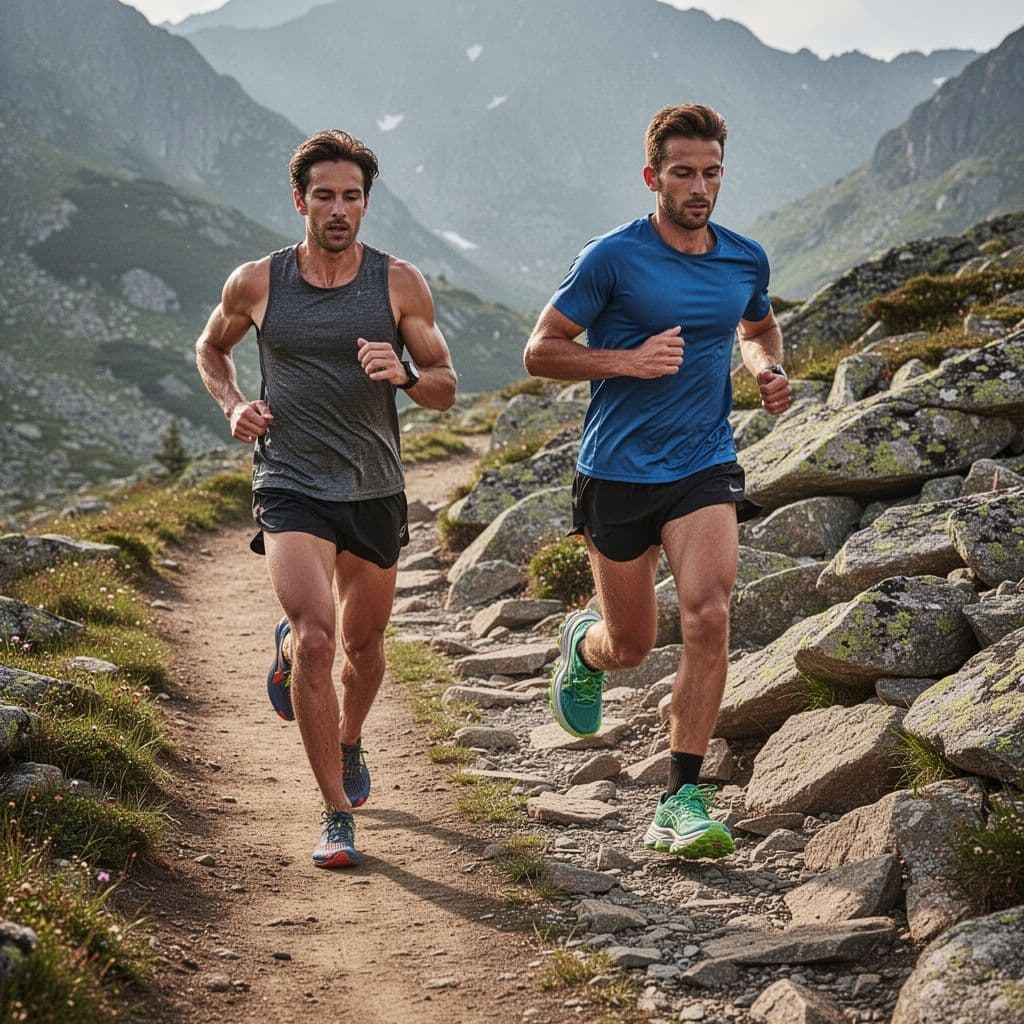
When the Lone Peak 9 is the smarter pick
The Lone Peak 9 makes the most sense if you want a natural fit and a shoe that feels comfortable for more than just running. Its roomier shape works well for runners with wider feet, but it also helps hikers and all-day users who do not want their toes squeezed on long outings.
It is a strong choice for daily trail runs, especially on moderate routes, packed dirt, and rolling singletrack. The lower, more flexible feel gives you better trail awareness, which many runners like for easy miles or technical foot placement. If you often switch between running and hiking, that versatility matters.
This shoe also fits runners who prefer zero-drop shoes and want a more grounded ride. That kind of setup can feel natural on smoother trails and shorter sessions, where you want freedom more than maximum protection. For runners building into more regular off-road work, beginner-friendly trail running tips can help you make that transition with less guesswork.
A good Lone Peak 9 use case looks like this:
- Daily trail miles on moderate terrain
- Trail hikes where comfort and toe room matter
- Mixed-use outings that include running, walking, and light scrambling
- Short to medium efforts where ground feel is still useful
If you want one shoe for running, hiking, and general trail use, the Lone Peak 9 is the more flexible pick.
When the Speedgoat 7 makes more sense
The Speedgoat 7 is the better choice when the miles get long and the terrain gets rough. It gives you more cushioning underfoot, so it suits runners who want stronger impact protection on rocky trails, steep descents, and all-day mountain runs.
That extra protection matters most in long races and mountain ultras, where fatigue changes how your feet land. When form fades, a more cushioned shoe can keep the run feeling smoother and reduce the sting of repeated ground contact. It also feels more like a traditional trail shoe, which some runners prefer for security and structure.
The Speedgoat 7 is also a smart pick for technical trails. When the route includes loose rock, uneven ground, or repeated downhill pounding, the shoe’s more protective build helps you stay comfortable longer. For runners who want a deeper comparison of long-distance trail comfort, the best zero-drop shoes with cushion article is useful context, especially if you are weighing comfort against a more natural ride.
Use the Speedgoat 7 when your goals look like this:
- Ultras and long races where foot fatigue is a real concern
- Technical mountain trails with sharp rock and uneven landings
- High-mileage training weeks that need more underfoot comfort
- Runners who want more traditional trail feel and added protection
Which shoe is better for your running goals right now
The best choice depends on what matters most right now, not on which shoe sounds better on paper. If you want a shoe that feels comfortable across running, hiking, and everyday trail use, the Lone Peak 9 is the better all-around match. It gives you room, flexibility, and a more natural ride.
If your priority is comfort over long distance, especially on rugged ground, the Speedgoat 7 is the stronger option. It gives you more cushion, more protection, and a smoother ride when the miles pile up. That matters most if you run races, cover big vertical, or spend a lot of time on hard and rocky trails.
A simple way to decide:
- Choose the Lone Peak 9 if you want more toe room, more ground feel, and better mixed-use comfort.
- Choose the Speedgoat 7 if you want more impact protection, more cushioning, and better support for long efforts.
- Pick based on your main terrain, because your usual trail surface tells you more than any shoe label.
For most runners, this comes down to a clear tradeoff. The Lone Peak 9 is the better everyday trail companion, while the Speedgoat 7 is the better race and mountain-distance tool.
How to choose between them without overthinking it
Making a final decision between these two trail shoes depends on your personal preferences for how a run should feel. While both excel on the dirt, they serve different masters. One prioritizes a natural, connected experience, while the other leans heavily into comfort and shielding your feet from the ground.
Choose the Lone Peak 9 if you want more room and a natural feel
The Lone Peak 9 is your best bet if you value freedom of movement and a direct connection to the trail. This shoe is built for runners who prefer a zero-drop platform, which keeps your heel and forefoot level throughout your stride. Because it features a wide, foot-shaped toe box, your toes can splay naturally as you push off the ground.
This model is ideal if you often feel cramped in standard running shoes or if your feet tend to swell during long efforts. It offers a grounded, responsive ride that makes it easy to read the terrain beneath you. If you appreciate a lightweight, agile feel and want your feet to do the work rather than relying on heavy cushioning, this is a natural fit.
Choose the Speedgoat 7 if you want more cushion and trail protection
The Speedgoat 7 is the right pick if you want to prioritize comfort and protection over everything else. Its generous stack height provides a soft, forgiving barrier between your feet and the harsh reality of rocky, uneven trails. If you struggle with foot fatigue during long miles, the extra shock absorption helps keep your legs feeling fresher for longer.
Beyond the soft landings, this shoe offers a more secure, locked-in fit. It provides the stability you need to navigate technical terrain with confidence, especially when your form begins to slip late in a run. If you frequent rugged mountain paths or want a reliable, protective partner for ultra-distance goals, the Speedgoat 7 excels where the trail turns unforgiving.
Simple final checklist before buying
Deciding between these two comes down to a few core factors. Use this list to quickly audit your own needs and determine which shoe aligns with your habits.
- Foot Shape: If you need extra room for your toes or struggle with pressure points, the natural shape of the Lone Peak 9 is likely the better choice.
- Primary Terrain: If your routes consist of smooth dirt and rolling singletrack, the Lone Peak 9 is ideal. If you spend time on jagged rocks, steep descents, or loose mountain trails, the Speedgoat 7 offers superior protection.
- Distance Goals: For shorter, everyday trail runs, a lighter shoe like the Lone Peak 9 feels nimble. For long training blocks or race days where you want to minimize impact, the Speedgoat 7 is a clear winner.
- Comfort Preference: Ask yourself if you prefer feeling the ground beneath your feet or feeling a soft, cloud-like buffer. The Lone Peak 9 delivers the former, while the Speedgoat 7 delivers the latter.
Once you identify these preferences, the choice becomes clear. There is no right or wrong answer, only the setup that keeps you running happily on your favorite trails.
Conclusion
The choice between these two shoes depends on your personal needs. If you prioritize a natural, roomy feel, the Altra Lone Peak 9 is your best partner. It gives you the space to move and the ground connection needed for most daily trail outings.
If your goals involve cushioned, protective performance on rugged mountain paths, the HOKA Speedgoat 7 is the superior choice. Its extra foam and secure fit keep your feet comfortable even when the terrain is harsh or the distance is long.
Pick the shoe that matches how you move, not the one that promises the most tech. You will find more happiness on the trail when your gear supports your specific foot shape and distance requirements.


