

Altra Experience Wild 3 Review: Can It Handle Technical Trails?
A trail shoe gets attention fast when it feels light on the run but still handles broken-up ground with confidence. The Altra Experience Wild 3 is built for runners who want that mix of cushion, flexibility, and control on everyday trails, without hauling around a stiff, bulky shoe.
That matters if your routes change often, because many trail runners split time between packed dirt, gravel, roots, and a little pavement. Compared with older Altra trail models, this one leans into a more approachable ride, which makes it easier to use as a daily trainer instead of saving it for one type of run. If you’ve been eyeing options like the Altra Experience Wild 3 performance review style of trail shoe comparison, you already know the real question is how well it balances comfort and trail feel.
Runners are also stacking it up against other daily trail trainers, especially shoes that promise grip and versatility without feeling harsh underfoot. That makes the fit, ride, and trail use worth a close look, because the details matter once you leave smooth paths behind. The next section gets into how the Altra Experience Wild 3 feels on foot and where it fits best on the trail.
Altra Experience Wild 3 at a glance
The Altra Experience Wild 3 is built for runners who want a trail shoe that feels friendly right away. It has enough cushion for steady mileage, enough stability for uneven ground, and a ride that feels less demanding than many more aggressive trail shoes.
Build Your Complete Race-Day Setup
The right shoe helps, but faster racing comes from better training, pacing, recovery, fueling, and execution.
More Guides for This Shoe
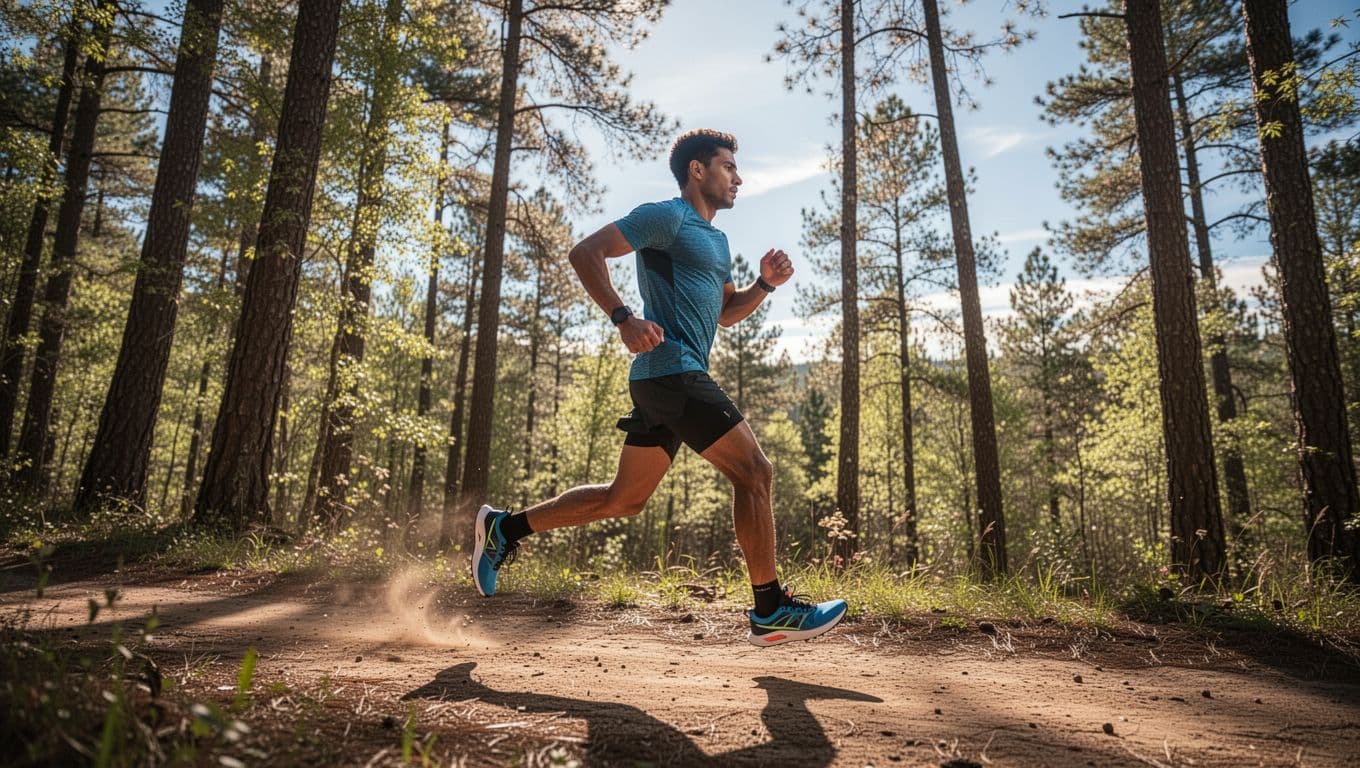 That makes it a smart pick for easy-to-moderate trail runners, hikers who like to pick up the pace, and anyone moving from road to trail. It also works well for mixed routes where you might hit dirt, gravel, roots, and a short stretch of pavement in the same run. If your usual pace is steady rather than aggressive, this shoe fits the mission.
The type of runner this shoe fits best
This shoe makes sense if you want a trail shoe that does not feel harsh or overly technical. It suits runners who care more about comfort, control, and versatility than a race-day feel. In other words, it is a solid match for daily trail use and relaxed long runs.
It may not be the best fit for runners chasing a very soft max-cushion ride or a sharp, race-focused feel. Those runners may prefer something more aggressive, like the Saucony Peregrine 16 review or a lighter speed option. The Experience Wild 3 stays more balanced than extreme.
How it compares to the rest of Altra’s trail line
Compared with Altra’s more zero-drop-focused trail models, the Experience Wild 3 is easier to step into. It is designed to feel stable, versatile, and approachable, not harsh or specialized. That matters if you want Altra comfort without committing to a more traditional trail geometry.
It sits in the lineup as the shoe for everyday trail miles, not the most rugged or the most race-ready model. Runners who want a bit more protection and a smoother transition often land here first, especially after checking Altra trail shoe comparisons for context.
Key features that shape the ride
The Altra Experience Wild 3 stands out because it blends a forgiving ride with enough responsiveness for technical sections. It doesn’t rely on extreme stack heights or rigid plates to get the job done. Instead, it uses a balanced construction that helps you stay comfortable while moving efficiently over changing terrain.
When you lace up the Altra Experience Wild 3, the first thing you notice is the balanced sensation underfoot. It isn’t overly soft or squishy, nor does it feel like a firm racing flat. Instead, the foam provides a middle-ground density that absorbs shock on rocky ground without sapping your energy during long outings.
For daily runs, this level of cushioning keeps your legs feeling fresh on packed dirt or gravel. If you head onto rougher terrain, the midsole material offers just enough protection so you aren’t feeling every pebble or root under your feet.
It creates a predictable ride, which is vital when your confidence depends on knowing how your shoe will react to the surface. For those who want more insight into how other shoes handle similar terrain, checking a detailed look at the ASICS Gel Trabuco 14 can show how cushioning profiles differ across brands.
The rocker shape and how it changes your stride
This shoe features a noticeable rocker geometry that helps move you forward effortlessly. Think of it as a gentle nudge during your toe-off phase, which encourages a smooth transition from heel to forefoot. It takes the work out of the gait cycle, especially toward the end of a long run when your form might otherwise start to falter.
On trails, this shape is beneficial because it promotes a consistent turnover on flatter sections. You won’t feel like you are fighting the shoe to move at a steady clip. Instead, the natural curvature works with your stride to make every step feel a little more fluid, which can reduce fatigue on those long, winding forest paths.
Traction, outsole grip, and tread pattern
The Altra Experience Wild 3 relies on a lugged outsole designed to bite into dirt and mud. While it isn’t an extreme mud-shedding monster, the tread pattern handles dry, loose, and hard-packed trails with ease. You get a reliable connection to the ground that helps you navigate technical sections without slipping.
If you regularly run on very slick mud or deep scree, you might find the limit of this grip. However, for most everyday trail runners, it provides a confident base that keeps you upright and moving. You can find more technical specs about the design at the official product page for the Men’s Experience Wild 3. It is a versatile setup that balances longevity with consistent traction across various trail types.
Upper comfort, toe room, and lockdown
Altra is famous for its FootShape toe box, and this model stays true to that design. Your toes have plenty of room to splay naturally, which is a major comfort benefit if you spend hours on your feet. The upper material is durable yet breathable, keeping your feet from overheating as the intensity rises.
Lockdown is equally important, and the lacing system does a solid job of securing your midfoot. Even on uneven ground where you need precise foot placement, you won’t feel like you are sliding around inside the shoe. The heel cup holds firm without causing pressure, contributing to a secure feel that allows you to focus on the trail ahead rather than your gear.
How the Altra Experience Wild 3 runs on real trails
The Altra Experience Wild 3 is a versatile tool for runners who value a natural foot position but want a bit more forgiveness than a traditional racing shoe. While specs are helpful, the real story begins once you hit the dirt and see how the foam and outsole react to changing conditions. This shoe feels balanced and confident on most surfaces, which makes it a reliable daily partner for diverse training weeks.
Best for dirt roads, forest paths, and mixed terrain
You will notice this shoe feels at home on smooth-to-moderate trails where a balance of ground feel and cushioning matters most. It excels on packed dirt roads and wide forest paths because the foam density is not overly soft, which keeps you stable when the terrain isn’t perfectly flat. If your route includes a mix of pavement and gravel, the transition between those surfaces is smooth.
Many runners spend their time moving through suburban parks or fire roads that demand a shoe that isn’t too aggressive. The Experience Wild 3 fills this gap well. It provides enough protection against sharp rocks, but it doesn’t feel bulky or dead underfoot. Because of this, it is a practical choice for those who want one shoe to handle the transition from neighborhood roads to local trail networks.
How it handles hills, corners, and uneven ground
Confidence on hills often comes down to the security of your upper and the responsiveness of the outsole. During climbs, the shoe feels efficient and light, allowing for a steady, rhythmic cadence. You get a firm push-off that doesn’t feel squishy, so your energy transfers directly into moving upward.
Descending on uneven ground requires stability, and this model delivers by keeping your foot centered. The lockdown is secure enough to prevent slipping during quick turns, although it doesn’t have the rigid, race-ready bite of a dedicated mountain shoe. It feels nimble enough for winding paths and moderate trail adjustments. If you like to maintain a steady, controlled pace on technical descents rather than flying recklessly, you will find the stability here quite sufficient.
What to expect on longer runs
Comfort on long runs is about how the shoe behaves as your form begins to fatigue. The Altra Experience Wild 3 holds up well over an hour, providing enough underfoot cushion to dull the impact of repeated foot strikes on harder terrain. It doesn’t pack out prematurely, meaning the ride stays consistent from the first mile to the end of your session.
While it isn’t specifically designed for 50-mile mountain ultras, it is more than capable for moderate long runs or half-marathon distances on trails. You will likely appreciate the toe splay after two hours on your feet, as it allows your toes to function naturally without feeling cramped.
Most runners find that their foot fatigue stays low, even on winding routes, because the shoe works with your natural mechanics rather than fighting against them. If you prefer a reliable, comfortable workhorse for long weekend miles, this is a strong option to keep in your rotation.
Fit, sizing, and comfort details to know before you buy
Getting the right fit is arguably the most important part of choosing a trail shoe. If the Altra Experience Wild 3 does not fit your foot shape correctly, no amount of technical performance will make up for the discomfort. Most runners find that this model stays consistent with standard athletic shoe sizing. You should feel comfortable ordering your normal street shoe size. If you usually wear a half-size larger for extra room on long runs, that choice often remains effective here.
Does it feel true to size?
The Altra Experience Wild 3 typically fits true to size for most foot shapes. You will find that the length is standard, providing a reliable amount of space in the front of your toes. The heel area maintains a snug, secure wrap that prevents slipping during uphill climbs or technical trail sections.
However, if you have a very narrow foot, you might notice slightly more internal volume than you prefer. In that case, you can easily adjust the fit by tightening the laces, as the upper materials are flexible enough to accommodate different foot widths.
Conversely, runners with particularly high volume feet usually appreciate the forgiving nature of the upper. If you have been struggling with pressure points in other, more rigid trail shoes, this model offers a welcome departure. You can rely on your usual size for a consistent experience, but consider your preferred sock thickness as well when making your final decision.
Room in the toe box and midfoot hold
The hallmark of this shoe is the balance between the famous wide toe box and a locked-down midfoot. You get enough room for your toes to splay naturally during your foot strike, which helps with balance on uneven trails. This design is excellent for long-mile comfort, especially as your feet swell during extended sessions. Because your toes have the space to move, you are less likely to deal with black toenails or blistering after a long day in the mountains.
While the toe area feels spacious, the midfoot area holds your foot securely to the midsole. You will not feel like you are sliding off the platform when you navigate tricky corners or uneven, root-heavy terrain.
This combination makes it a versatile choice for many runners. If you need a bit more guidance on how different models prioritize this natural fit, you can check out Altra trail shoe comparisons to see how this specific shape compares across their lineup.
Sock choice, lacing, and hot spots
Your choice of socks changes how the shoe feels on your feet. Thicker, cushioned socks work well if you want a snug, plush connection, while thinner synthetic socks maximize breathability. You should test both styles to see what keeps your feet the most comfortable over long distances. If you notice any tightness across the top of your arch, try a different lacing technique, like skipping the bottom eyelet to reduce pressure.
The lacing system on the Altra Experience Wild 3 allows for significant customization. You can lock the heel down firmly if you find your foot lifting on steep terrain, or you can loosen the laces for more freedom. Hot spots are rarely an issue with this model, but if you do feel rubbing, make sure your socks are pulled smooth and aren’t bunching up. Because the upper mesh is quite flexible, it adapts to the shape of your foot quickly.
Taking the time to dial in your lacing tension during your first few runs ensures you get the most out of your training. Keep an eye on your lockdown as you increase your mileage, as small adjustments often make a large difference in how stable the shoe feels on the trail.
Where the Experience Wild 3 stands out, and where it falls short
Every trail shoe has a specific purpose. The Altra Experience Wild 3 is a reliable daily trainer, yet it isn’t meant for every single situation you might encounter outdoors. Understanding its character helps you decide if it matches your training habits.
The biggest strengths
This shoe shines as a daily workhorse for people who want one pair for various types of ground. Its most attractive quality is the ride, which stays smooth and predictable whether you are on gravel paths or hard-packed dirt. You get enough cushioning to feel protected, yet the foam never creates that disconnected, mushy feeling found in some max-cushion trainers.
The rocker geometry is another major plus. It helps you maintain a steady turnover without much effort, making it a great partner for those long, easy miles where your legs might otherwise feel heavy.
Because it offers a balanced, accessible feel, it is perfect for runners who want comfort without the complexities of a rigid, aggressive racing shoe. You get reliable traction on most trails, which builds confidence during cornering and routine climbs. Overall, the value is high for anyone who needs a simple, durable, and comfortable shoe for their everyday trail training.
The main trade-offs
While the Altra Experience Wild 3 performs well in general settings, it has clear limits. If you spend most of your time on highly technical mountain terrain, you might find the upper and outsole lack the specialized security you need. It is not an aggressive mountain racer, so it doesn’t provide the stiff, claw-like grip required for deep mud, loose scree, or steep, technical switchbacks.
The cushioning is balanced rather than plush, which is great for energy return but might feel thin if you prefer a massive amount of shock absorption. Similarly, speed-focused runners might miss the snappy, lightweight sensation of a dedicated racing flat. You are getting a versatile, mid-range trainer that prioritizes consistency over extreme performance. It handles standard trail duties with ease, but it isn’t the best tool for niche, high-intensity mountain pursuits.
Who should skip it
You should probably look at other options if your goals involve fast, competitive trail racing or extreme mountain environments. If your routine consists of technical climbing, deep mud, or narrow, rocky paths where foot security is everything, you may need a more aggressive shoe with deeper lugs and a more rigid chassis.
Runners who require maximum stack height for long-distance joint protection might also find the platform a bit too firm for their liking. For those who need a very specific kind of stability or a specialized, race-day feel, it is better to consider models designed for those niches.
Choosing the right gear keeps your runs enjoyable, so be honest about whether your terrain matches the intended use of this trainer. If you are still unsure about which category your training falls into, browsing Altra trail shoe comparisons can help you visualize how this model differs from more technical or race-ready alternatives.
Ultimately, if your primary needs are everyday comfort and reliability, this shoe is a top contender, but those chasing specialized performance on rugged mountains should look elsewhere.
Is the Altra Experience Wild 3 worth it for your next trail shoe?
Choosing a trail shoe often feels like a balancing act between protection and agility. The Altra Experience Wild 3 settles into a distinct middle ground. It is an excellent match for runners who prioritize a natural, comfortable ride without the need for extreme technical features or massive stack heights.
If you appreciate a shoe that feels intuitive from the first mile, this model is a strong contender. It simplifies your gear closet by bridging the gap between road-style comfort and essential trail protection. Because it lacks the aggressive, rigid feel of mountain-specific racers, you get a smoother, more fluid transition that works well on everything from fire roads to winding, uneven paths.
Balancing value and everyday utility
The true value of this shoe is its versatility. You don’t have to save it for a specific type of training day. Whether you are knocking out a quick morning loop on dirt paths or tackling a longer, multi-terrain session, it performs consistently. You get a reliable, predictable ride that keeps your feet happy, which is a major win for consistency in your training routine.
When you weigh the cost against its daily performance, the investment makes sense for the average runner. It stands up to frequent use and avoids the wear issues common in softer, lighter racing shoes. If you are someone who prefers to have one go-to trainer for most of your mileage, this is a practical choice. It provides enough stability to keep you upright on moderate terrain and enough cushion to save your legs on hard-packed surfaces.
Who is the ideal user for this model?
You are the perfect candidate for the Altra Experience Wild 3 if you value the brand’s signature shape but prefer a more traditional, rocker-led transition. It is also a smart upgrade if your current shoes feel too stiff or bulky for the moderate trails you usually visit.
Consider this shoe if the following points match your needs:
- You want a comfortable, natural fit without an extreme zero-drop learning curve.
- Your training routes regularly switch between gravel, dirt, and light pavement.
- You prefer a shoe that encourages a fluid, rolling gait rather than a firm, ground-up strike.
- You need a durable workhorse that doesn’t sacrifice feel for protection.
If you are still weighing your options, look at how this fits into your broader training shoe rotation to see if it complements your current collection. Ultimately, this shoe rewards the runner who wants a stress-free experience on the trail. It delivers a confident, reliable platform that lets you focus on the run itself instead of worrying about your gear.
Final Thoughts
The Altra Experience Wild 3 is a balanced, reliable partner for runners who want natural foot comfort without needing a rugged mountain racer. It excels on everyday trails like dirt roads and forest paths, where its foam and rocker shape provide a smooth, consistent ride. You get a shoe that handles shifting surfaces well while keeping your feet comfortable through the generous toe box.
This trainer is for the runner who splits time between various paths and values simplicity over specialized, technical features. It is a smart choice if you need one shoe that performs across mixed terrain without feeling harsh or overly firm. You can easily integrate this model into your weekly routine as a dependable, versatile workhorse.
If you are curious about how this shoe fits into your current setup, checking out a training shoe rotation guide will help you decide where it adds the most value. Pick this shoe if you want a reliable daily trainer that lets you enjoy the run rather than fighting your gear.


