

Altra Experience Flow 2 Review: Built for Easy Daily Miles
If you want a daily trainer that feels easy from the first mile, the Altra Experience Flow 2 deserves attention. It’s built for runners who want smooth everyday mileage without a harsh underfoot feel or a bulky ride.
This shoe is a good fit if you’re logging steady road runs, easing back into training, or looking for a comfortable option that doesn’t get in the way. Runners are talking about it in 2026 because it brings a more approachable feel to Altra’s lineup, with a ride that aims to balance comfort, fit, cushioning, and stability.
In the next section, you’ll get a closer look at how it fits, how it feels on the run, and where it shines in real-world training.
Why the Altra Experience Flow 2 feels different from other daily trainers
The Altra Experience Flow 2 does not ride like a typical daily trainer, and that is the point. It keeps the easy, comfort-first feel Altra is known for, but it tones down the more unusual parts of the brand’s geometry so more runners can settle into it quickly.
Build Your Complete Race-Day Setup
The right shoe helps, but faster racing comes from better training, pacing, recovery, fueling, and execution.
More Guides for This Shoe
That makes the shoe feel familiar right away, yet a little different underfoot. If you have run in standard trainers for years, the Experience Flow 2 may feel like a softer step toward a more natural setup. If you already like lower-drop shoes, it should feel even more comfortable once you start moving.
A short look at the Experience line and what it was built to do
The Experience line gives Altra a more approachable daily-training option. Instead of leaning hard into the brand’s most extreme platform choices, it aims for a smoother transition and a less dramatic feel for runners who want comfort without a big adjustment.
That matters because Altra has long been known for shoes that feel different from mainstream trainers. The Experience family keeps the brand’s roomy, foot-friendly shape, but it pairs that with a ride that feels easier to pick up and use for regular miles. For runners who want to understand the wider lineup, Altra running shoe reviews can help place this model in context.
A 4 mm drop means the heel sits just a little higher than the forefoot. In plain terms, that gives you a ride that feels less pitched forward than many traditional trainers, but not as flat as a zero-drop shoe.
That small difference can change how the shoe moves with you. Transitions often feel smoother, and the load on the calves can feel more noticeable than in a higher-drop model. For runners coming from classic road shoes, that may take a little adjustment. For runners who already use lower-drop shoes, it can feel natural from the first run.
A lower drop often feels more direct underfoot, but it still gives you some guidance if you want a familiar road-shoe feel.
Who will likely enjoy this shoe most
The Altra Experience Flow 2 fits runners who want an easy daily trainer that does a lot of things well without feeling demanding. Beginners may like how approachable it feels. Easy-mileage runners and walkers may also appreciate the steady, relaxed ride.
It is also a strong choice if you want one shoe for daily runs, recovery jogs, and casual miles around town. A steady-paced runner can get a lot out of it because it feels stable without being stiff.
Runners who want more cushioning, a faster, snappier toe-off, or a tighter fit may want to keep looking. For a cleaner comparison with another lighter trainer in the brand’s lineup, the Altra Rivera 4 review is a helpful next read.
The fit and upper: where comfort shows up first
The first thing you notice in the Altra Experience Flow 2 is how little it fights your foot. The upper feels easy right away, and that matters because fit problems usually show up in the first few minutes, not after mile six. A shoe can have a good ride, but if the upper feels off, you feel it on every step.
The front of the shoe gives your toes space to relax and spread out naturally. That room makes a real difference on longer runs, because your forefoot is not pinned into a narrow shape as your feet warm up and swell.
If you are used to narrow road shoes, this fit will feel more forgiving. The toe box does not feel sloppy, but it avoids that squeezed, tapering sensation that can turn easy miles into a chore. For runners who want a roomier shape in Altra’s lineup, the Altra Torin 8 fit review gives a useful point of comparison.
That extra space helps in two ways:
- Your toes can splay more naturally at toe-off.
- Pressure stays lower across the forefoot during steady mileage.
Midfoot and heel lockdown on the move
Through the midfoot, the shoe holds well without feeling tight. During easy runs, the upper stays planted enough that you don’t notice it, which is usually a good sign. On turns and short pickups, the heel stays in place with only a small amount of movement, so the shoe still feels controlled when you change pace.
Runners with narrow heels should pay attention here. The rear fit is secure enough for most people, but if you like a very snug race-style hold, you may want to check the lacing before heading out. A closer comparison with a more structured daily trainer is the Altra Provision 8 review.
Upper materials, breathability, and all-day comfort
The upper uses a soft, breathable feel that works well for warm-weather runs and repeat wear. Airflow is good enough for daily use, so the shoe does not trap heat the way some thicker uppers do. For runners who spend long days on their feet, that softer touch adds comfort without making the shoe feel flimsy.
The fit feels more forgiving than aggressive, which is exactly what many easy-mile runners want.
That balance makes the upper a strong match for steady training and long wear. It feels comfortable from the first step, and it stays that way as the miles add up.
Cushioning and platform feel in the Altra Experience Flow 2
The midsole is where the Altra Experience Flow 2 starts to feel easy to live with. It gives you enough cushion to take the edge off pavement, but it doesn’t feel heavy or overbuilt. That balance matters on daily miles, because you want protection without losing the sense that the shoe is moving with you.
At easy pace, the foam feels soft enough to stay comfortable but still steady underfoot. It smooths out sidewalk cracks, rough asphalt, and the usual road chatter, so the run feels less harsh from the start. You get a protected ride that keeps the legs fresher, which is exactly what most people want on recovery days or relaxed neighborhood loops.
At moderate effort, the shoe keeps its shape well. It doesn’t turn mushy when you pick up the pace a little, and that helps the ride stay controlled. The foam is not especially bouncy, so you won’t get a springy, trampoline-like feel, but it does stay lively enough to keep the run from feeling flat. For more context on the older version, the Altra Experience Flow review gives a useful side-by-side sense of how this ride has evolved.
That mix makes the shoe easy to use day after day. It feels comfortable, not sleepy.
What the rocker geometry does during toe-off
The rocker shape helps the shoe roll forward without much extra work. Once your foot lands, the platform guides you toward toe-off in a smooth arc, so the transition feels less abrupt. That is one reason this shoe works well for easy mileage, where you want rhythm more than speed.
On steady runs, the rocker keeps the stride moving with less need to force the push-off. In other words, the shoe helps the next step happen sooner. RunRepeat’s guide to rockered running shoes explains how this kind of shape can support smoother forward motion.
How much ground feel runners can expect
The platform sits in a sweet spot between ground feel and protection. You stay aware of the road, but not in a harsh way. That makes the shoe feel stable and predictable, which helps when your legs are tired late in the run.
Runners who like a close-to-the-ground sensation may appreciate that connected feel. Others may just notice that the shoe gives enough cushion for longer outings without feeling tall or disconnected. On extended runs, that balance helps the miles pass with less foot fatigue, and the platform never feels shaky or vague.
If you want a little more comparison with another lower-drop option in the lineup, the Altra Experience Flow versus Newton Fate 10 ride feel is a helpful next stop.
Can the Altra Experience Flow 2 handle daily training well?
Yes, the Altra Experience Flow 2 handles daily training well if your runs lean toward comfort, steady rhythm, and low drama. It fits best as an everyday road shoe for runners who want a smooth ride without a lot of extra weight or stiffness underfoot.
The shoe feels most at home on routine miles. It gives you enough cushioning for repeated use, enough structure to stay predictable, and enough ease to keep the run relaxed. For runners building consistency, that matters more than flashy bounce.
Easy runs and recovery days
This is where the shoe feels most natural. On recovery days, the ride stays calm and forgiving, so your legs can settle into a relaxed pace without feeling beat up. The transition feels smooth enough for short jogs, neighborhood loops, and those in-between runs where you just want to move and reset.
The platform also keeps the shoe from feeling clunky when you slow down. That helps on tired days, because you don’t have to fight the shoe to keep your stride moving. If your training plan includes a lot of easy mileage, the daily running mileage guidance can help you match the shoe to a sustainable schedule.
Longer runs at steady pace
As the miles build, the Experience Flow 2 stays comfortable in a steady, dependable way. It does a good job of softening road impact, and the fit remains forgiving when your feet start to swell. That makes it a solid option for long easy runs, especially if you prefer a shoe that feels stable rather than lively.
The ride can hold up well for moderate long runs, but it is not a plush cruiser. After enough time on your feet, you may notice that the foam feels more controlled than luxurious. Still, for steady aerobic work, that consistent feel is easy to live with.
Short uptempo efforts and pace changes
The shoe can pick up the pace for strides, short pickups, and light progression work. It rolls forward cleanly, so you can add speed without feeling stuck in the mud. For mixed-effort runs, that makes it more flexible than a pure recovery shoe.
Even so, it has clear limits. Once the pace gets sharp or the workout turns into longer tempo work, the shoe starts to feel better suited to smooth mileage than hard effort. Runners who want a broader training comparison may also like the Altra Experience Flow 2 review on RunRepeat for a closer look at its ride characteristics.
For daily training, that is the right answer for many runners. It is comfortable, steady, and versatile enough for most easy-to-moderate days, which is exactly what a dependable trainer should do.
How it compares with other Altra and non-Altra running shoes
The Altra Experience Flow 2 sits in an interesting middle ground. It gives you a friendlier transition than many traditional road shoes, but it still feels less extreme than Altra’s more familiar zero-drop models. That makes it easier to place if you want comfort without a big change in your stride.
Compared with common 8 mm drop trainers, the Experience Flow 2 feels more level and less pitched forward. Your foot sits in a position that can feel more natural, especially if you like a smoother landing and a more direct roll through the stride. Traditional trainers often feel familiar right away, though they can also keep you a bit more on your heels.
That difference matters most during transitions. The Altra moves with a more relaxed, rolling feel, while many high-drop shoes feel a touch more abrupt when you shift from landing to toe-off. If you come from classic daily trainers, the Flow 2 may feel easier on the front of the shoe but a little different in the calves at first.
For runners who want a broad point of comparison, the Altra Torin 9 versus Brooks Ghost 18 comparison shows how Altra’s shape compares with a more traditional daily trainer.
Versus other Altra road shoes
Inside Altra’s lineup, this model is easier to adapt to than the brand’s more extreme zero-drop options. Shoes like the Torin lean harder into Altra’s classic fit and feel, while the Experience Flow 2 gives you a more forgiving on-ramp. That makes it a smart pick if you like the roomier toe box but don’t want the full zero-drop adjustment.
Runners who want a softer, more familiar ride may prefer this shoe over a more aggressive Altra road model. On the other hand, if you already enjoy Altra’s zero-drop platform and want the most natural foot position possible, another model may fit your taste better. The Altra Torin 8 compared to ASICS Gel Nimbus 27 is helpful if you want a clearer sense of how Altra’s traditional road feel compares with a cushier mainstream shoe.
Where it sits among everyday shoes in 2026
In 2026, daily trainers have to do a lot. Runners want comfort, a lighter feel, and smooth transitions in one shoe, not just soft foam alone. The Experience Flow 2 fits that trend well because it feels easy on the legs, simple to wear, and flexible enough for steady miles.
It won’t feel like the plushest max-cushion shoe, and it won’t feel as familiar as a classic 8 mm drop cruiser. Still, that’s part of its appeal. It gives you a middle path, one that feels modern without asking for a big compromise in comfort or ride.
What to know before you buy the Altra Experience Flow 2
The Altra Experience Flow 2 is easy to like, but it fits a specific type of runner best. Before you buy, check the fit, the ride, and how you plan to use it most often. That small bit of homework can save you from choosing a shoe that feels good in the store but misses the mark on the road.
Sizing and fit checks that matter most
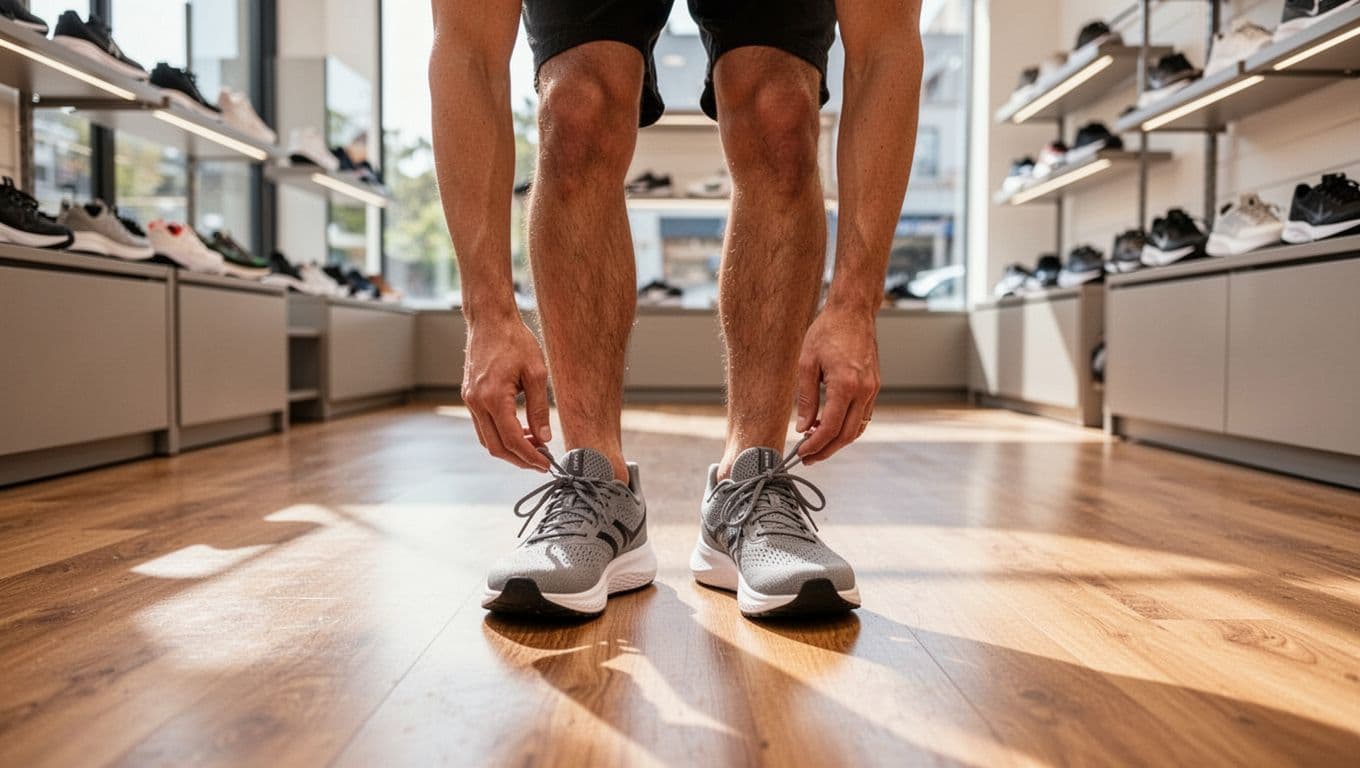
Start with the toe box. You want enough room for your toes to spread, but not so much space that your foot slides forward on downhills. A thumb’s width in front of the longest toe is a good starting point, then check whether the sides feel calm or pinched.
Heel hold matters just as much. If your heel lifts with every step, the shoe may feel loose after a few miles. Try a runner’s loop if the heel feels close, but not perfect, before deciding the size is wrong.
Midfoot security should feel steady, not tight. Runners with narrow feet may prefer a half size down if the shoe feels long. On the other hand, if you have wider feet, high volume feet, or you like thicker socks, going up a half size can make more sense.
For a deeper fit check, how to know if a shoe fits properly is a useful guide.
Best use cases for road miles, walking, and travel
This shoe makes the most sense on daily road runs, brisk walks, and long days on your feet. The soft upper and smooth ride are easy to live with, so it works well for errands, commuting, and travel days when comfort matters more than speed.
If you pack light, it can pull double duty as a walking shoe and a casual trainer. It is a strong option for runners who want one shoe that feels good from the morning airport line to an easy evening jog. It also pairs well with medium-cushion running socks, especially if you want a little extra comfort without changing the fit too much.
Signs this is the wrong shoe for you
Skip it if you want maximum cushioning, a very firm ride, or a highly aggressive rocker. The Flow 2 is smooth, but it stays fairly moderate in feel.
It may also disappoint runners who want a very snug race fit. The upper is more forgiving than locked down, so speed-focused runners may want a tighter, more aggressive trainer instead. If you want to compare it with another option in the same family, this Altra Experience Flow versus On Cloudsurfer 2 comparison can help narrow the choice.
Conclusion
The Altra Experience Flow 2 gets a lot right for runners who want easy daily miles without extra fuss. Its roomy fit, low-drop feel, and smooth rocker help the shoe feel comfortable from the first step, while the ride stays steady enough for routine training.
What stands out most is how balanced it feels. You get enough cushion for regular road runs, enough structure for a predictable stride, and enough room in the front for natural toe spread. For runners who want a more approachable Altra option, it fits the brief well.
If you want a daily trainer that feels calm, comfortable, and simple to use, this shoe is a smart pick for 2026. It is especially appealing for easy runs, recovery days, and steady mileage, where comfort matters more than speed. For a direct matchup with another daily trainer, this Newton Gravity 13 comparison gives a useful next step.


