

Altra Escalante 5 Race Day Review for 5K and 10K Racing
If you’ve been wondering whether the Altra Escalante 5 Race Day setup can handle more than easy miles, you’re in the right place. This shoe has a light, natural feel that can work well for runners who want a trainer-racer for short road races like the 5K and 10K.
The real question is how it performs when the pace picks up, the start line gets crowded, and every second matters. Fit, ride, speed, and comfort all play a part, and race-day value also depends on how well the shoe matches your stride and your goals. If you want a broader breakdown of the shoe itself, this detailed Altra Escalante 5 review adds useful context.
This review keeps things practical and honest, with a focus on what it feels like in real workouts and races. It also looks at where the Escalante 5 makes the most sense on race day, plus how factors like fueling and hydration can affect how well you hold pace, especially in shorter events like the 10K. For that side of race prep, hydration for endurance runners is worth a look before your next toe-off.
What makes the Altra Escalante 5 different from other race day shoes?
The Altra Escalante 5 Race Day setup stands out because it does not chase the same formula as most short-distance racers. Instead of a stiff plate, narrow forefoot, and aggressive rocker, it gives you a more natural platform that feels easy to settle into when the pace gets hot. That makes it a very different option for runners who want speed without a harsh ride.
Build Your Complete Race-Day Setup
The right shoe helps, but faster racing comes from better training, pacing, recovery, fueling, and execution.
More Guides for This Shoe
If you want a broader look at the shoe’s character, the detailed Altra Escalante 5 review adds more context. The key difference here is simple: this shoe asks for a runner who values comfort, foot freedom, and clean mechanics as much as raw snap.
Zero drop and natural foot position, what that means in a short race
A zero-drop shoe keeps your heel and forefoot at the same height. In practice, that can feel stable and balanced, especially when you are pushing hard in a 5K or 10K. Your posture feels more level, and many runners find it easier to land under their body instead of reaching too far out front.
That said, zero drop is not an instant fit for everyone. If you are used to higher-drop racers, the calf and foot load can feel different at first. For runners who adapt well, though, the setup can support quick turnover and a smoother midfoot strike, which matters a lot when race pace gets fast and efficient form starts to pay off.
Roomy toe box and fit, why comfort still matters when you race hard
The Escalante 5 also separates itself with a wider forefoot shape. Your toes get room to spread, which can reduce pressure when your feet swell late in a race. That extra space can help the shoe feel less cramped at mile three or mile six, depending on the distance.
Still, fit is personal. Some runners want a snug, locked-in race feel, especially when they are chasing sharp cornering and aggressive surges. If you prefer that race-day wraparound fit, a roomier shoe may feel too relaxed, even if it feels great under tired feet.
A roomy front end often helps with comfort, but the fastest-feeling shoe is the one that matches your stride and your preference for security.
A flexible ride instead of a stiff racer feel
Compared with plated shoes, the Escalante 5 feels more flexible underfoot. You get more ground feel, so each step feels direct and familiar. That can make the shoe easier to control during fast tempo efforts and race-day changes of pace.
The tradeoff is clear. Plated shoes can give you a stronger sense of forward snap, while the Escalante 5 gives you a more natural ride with less forced propulsion. For some runners, that makes the shoe feel calmer and smoother, which is exactly what they want in a 5K or 10K.
If you want a shoe that feels connected to the road, the Escalante 5 delivers that better than many race-specific trainers.
For runners comparing it with older versions, the Altra Escalante 4 road test is useful too, especially if you want to see how the line has changed over time.
How the Escalante 5 feels during a 5K and 10K effort
The Altra Escalante 5 Race Day feel is best described as calm speed. It doesn’t try to push you into a hard, aggressive roll like a plated racer, so the ride feels more natural when the gun goes off and the pace starts to rise. That makes it a good match for runners who want a quick shoe without a harsh front end.
At race effort, the shoe asks for clean form and steady rhythm. If you already run with a smooth stride, it can feel easy to trust from the first step.
If you usually need a more forceful toe-off, it may feel more like a patient partner than a shoe that does the work for you. For more context on the brand’s design, the comprehensive Altra running shoe review helps explain why the fit feels so different.
Fast starts, pace changes, and staying smooth from mile one
The first mile feels best when you ease into speed instead of forcing it. The shoe is light enough to pick up pace, but it feels smoother with a rolling stride than with a violent start-stop approach. That matters in a 5K or 10K, where surges happen early and often.
When you need to accelerate, the Escalante 5 responds cleanly, but it does not feel spring-loaded. It rewards good mechanics, quick turnover, and a relaxed upper body. In other words, it helps you stay controlled when the race gets messy.
If you like a shoe that settles in fast and stays predictable, this one fits that job well.
What the shoe gives you at 5K speed
At 5K pace, the Escalante 5 feels light on the foot and easy to move in. The quick ground contact and flexible ride can work well for runners who want fast foot strikes without a stiff platform under them. It feels sharp enough for hard running, but it is not an all-out weapon.
That makes it a strong choice for runners who value comfort as much as speed. If you want a forgiving racer for a road 5K, or you race best with a natural, low-drama feel, this shoe makes sense. It is especially appealing for runners who dislike a cramped fit or overly aggressive racing shoes.
What changes when the race stretches to 10K
At 10K effort, comfort starts to matter more, and the Escalante 5 handles that side well. The roomy forefoot gives your toes space as fatigue builds, and the cushioning stays pleasant when the pace holds steady for longer. That makes the shoe feel more usable late in the race than many firmer speed shoes.
The protection is enough for a hard road effort, but it still feels like a lightweight trainer-racer, not a max-cushion cruiser. If you pace well and keep your stride compact, it can carry you through the full distance without feeling beat up. Good fueling and hydration still matter too, especially if your race runs warm, so hydration for endurance runners is worth a look before race day.
For runners who want one shoe that feels fast, natural, and comfortable over both distances, the Escalante 5 makes the most sense when race day calls for control more than drama.
Comfort, breathability, and lockdown when the pace gets hot
When race pace climbs, small fit issues show up fast. Hot weather adds pressure, feet swell, and any sloppy upper can start to feel distracting. The Altra Escalante 5 Race Day setup does a good job for runners who want a light, roomy feel, but it still needs to hold steady when the effort turns sharp.
Upper comfort in warm weather and long efforts
The upper feels best when the run is smooth and controlled. In warm weather, the breathable material helps keep the shoe from feeling heavy or sealed up, which matters a lot once sweat starts building. That lighter, airier feel can make the shoe easier to wear through a hard 5K or a longer 10K effort.
Still, heat changes fit. As your feet warm up and swell, a comfortable upper can start to feel either right or slightly loose. If you race in hot conditions, the shoe’s roomier shape may feel great early, then a little more relaxed as the miles add up. That is fine for some runners, but it can be a problem if you want a tight, aggressive race feel.
For race day, breathable comfort matters as much as speed. A shoe that lets your foot settle naturally can reduce distraction when your breathing gets harder and your cadence rises. For more on the role hydration plays when the weather turns warm, see hydration for endurance runners.
Heel hold, midfoot security, and whether the shoe moves around
Lockdown matters in any race shoe because the faster you run, the less you want to think about the shoe itself. A secure heel and midfoot help the platform stay centered during turns, tempo surges, and hard toe-offs. If the foot shifts even a little, the shoe can feel less precise.
The Escalante 5 leans toward comfort more than race-tight compression, so the hold feels secure enough for many runners, but not ultra-snug. That can work well if you like a natural fit and plenty of toe room. However, if you want a locked-in feel for sharp cornering or aggressive attacks, you may notice a touch more movement than in a snug plated racer.
A race shoe should disappear under you, not ask for attention every mile.
Lacing tweaks that can make race day fit better
A few simple lacing changes can tighten the fit without making the shoe feel harsh. If your heel slips, try a runner’s loop at the top eyelets. If the midfoot feels too loose, lace more evenly across the top so the pressure spreads out.
A quick checklist helps on race morning:
- Runner’s loop for better heel hold
- Even tension across the midfoot for a steadier feel
- Slightly tighter top lace if the upper feels too relaxed in heat
- Test the setup in training before race day
Small changes like these can make the Escalante 5 feel more race-ready without taking away its comfort.
Who should choose the Altra Escalante 5 for race day?
The Altra Escalante 5 Race Day setup fits a very specific runner, and that is a good thing. It works best for people who want a natural stride, extra room in the forefoot, and a shoe that stays comfortable when the pace gets serious.
If you already train in Altra or other zero-drop shoes, the transition feels easier. Your body already knows the rhythm, so race day feels like a smooth extension of training instead of a new setup to fight.
Best for runners who like a natural, low-profile feel
This shoe suits runners who want to stay close to the road. The ride feels grounded, flexible, and calm, which helps if you dislike stiff racers or heavy toe spring. Your foot can move in a more natural way, and that matters when you want quick turnover without a harsh platform under you.
Runners who already use zero-drop shoes often adapt well here. They usually know how their calves, feet, and stride respond, so race day feels familiar instead of awkward. If you like a wide toe box and a shoe that does not crowd your forefoot, this model makes a lot of sense.
A smart pick for road racers who want comfort first
Some runners care more about finishing strong than chasing the most aggressive race-day setup. For them, comfort and stability matter more than a stiff, plated feel. That mindset fits the Escalante 5 well, especially in local 5Ks and 10Ks where confidence often matters more than pure tech.
You may not need the most explosive shoe to run a great race. If you want a steady, forgiving ride that helps you hold form under pressure, this shoe gives you that.
It can feel especially right when you want to hit a time goal, run hard from start to finish, and avoid the beat-up feeling some racers leave behind. For warm-weather efforts, hydration for endurance runners also plays a big part in how comfortable that race feels.
Who may want a plated or more aggressive racer instead
The Escalante 5 is not the best match for every racer. If you want the most energy return, the stiffest snap, or a shoe that pushes you forward with more force, you may prefer a plated model instead. That is especially true for runners who like a very aggressive marathon-style feel, even in shorter races.
It also may not be the top choice if you want a very locked-in, narrow race fit. Some runners want a shoe that feels sharp, tight, and highly propulsive right out of the box. In that case, the Escalante 5 may feel too relaxed, even if it feels great for training and smoother race efforts.
For runners who value comfort, room, and a natural ride, though, the match is clear. The Escalante 5 is a race-day option for people who want to run fast without giving up the feel that makes running enjoyable.
How to prepare for race day in the Escalante 5
The Altra Escalante 5 Race Day setup works best when you treat it like race gear, not just another pair of trainers. A little preparation goes a long way here because the shoe feels natural, flexible, and roomy, but it still needs a few runs and a clean race morning routine to feel right at speed.
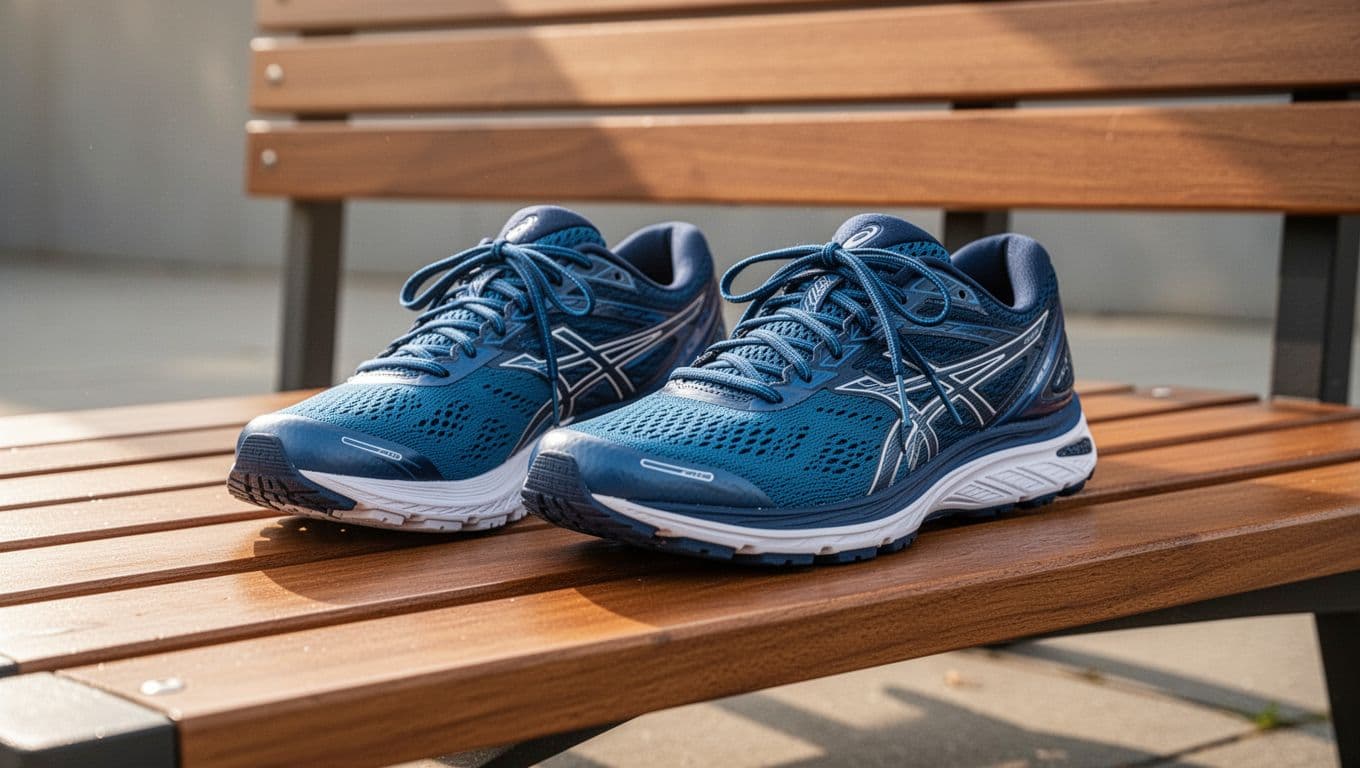
Use a few workouts before race day
Never wear a new race shoe for the first time on race day. Even a shoe that feels great in the store can surprise you once your pace changes, your feet warm up, and the pressure rises at the start line. You want the shoe to feel familiar, like a well-worn tool, not a question mark.
A few short workouts are enough to learn how the Escalante 5 responds. Start with easy runs, then add strides so you can feel the turnover and test the fit at faster effort. After that, one or two tempo sessions can tell you how the shoe behaves when breathing gets harder and form needs to stay sharp.
A simple prep week might look like this:
- Easy runs to check comfort and fit
- Strides to feel the shoe at quick turnover
- Tempo work to test the ride at race effort
That mix gives you useful feedback without beating up your legs. If you want a deeper race-morning plan for the bigger picture, the marathon race day plan checklist has a practical format you can adapt for shorter races too.
Choose the right socks and lacing setup
Small fit choices can make a big difference in a shoe with a roomier front end. Start with socks you already trust, ideally a pair that stays put and does not bunch up in the toe box. Thin, smooth socks often work well for 5K and 10K racing because they reduce bulk and let the shoe feel cleaner underfoot.
Lacing matters just as much. If your heel slides, use a runner’s loop. If the midfoot feels loose, tighten the laces in small steps instead of yanking them down hard. You want a secure hold, but you don’t want to crush the comfort that makes the Escalante 5 appealing in the first place.
A quick pre-race check helps:
- Put on the same socks you tested in training.
- Lace the shoe while standing, not just seated.
- Walk a few steps, then jog lightly if possible.
- Re-tie if the heel slips or the midfoot feels sloppy.
That kind of simple setup keeps distractions low when the gun goes off. It also helps you get the most out of the shoe’s natural fit without giving up stability.
Do not ignore hydration and warm up habits
Short races still need smart prep, especially if the weather is warm. Hydration should start before the race, not after you already feel dry, and your warm-up should wake up the legs without draining them.
A few sips of fluid, easy movement, and some controlled strides can make your first mile feel much smoother.
If you want a clear refresher on race-day drinking habits, this hydration guide for endurance runners is a solid place to start. It helps you think about fluid intake in a way that supports performance without overdoing it.
Your pre-race routine doesn’t need to be fancy. Keep it repeatable, then stick to the same order each time:
- Sip water steadily before the start
- Add warm-up strides after easy jogging
- Stay loose with a few mobility drills
- Give yourself enough time to settle in
The Escalante 5 feels best when you arrive calm, warm, and ready to move. That combination gives the shoe a better chance to do what it does well, which is stay comfortable while you push the pace hard.
Final verdict on the Altra Escalante 5 for 5K and 10K racing
The Altra Escalante 5 Race Day setup is a strong choice if you want a light, comfortable shoe that feels natural at speed. It works best for runners who care about smooth turnover, room in the forefoot, and a ride that stays predictable when the pace gets hard. If you want a shoe that feels calm instead of aggressive, this one fits the job.
Where it wins on race day
The Escalante 5 shines in races where comfort and control matter just as much as speed. In a 5K, it feels quick enough for hard efforts without the stiff, forced feel some racers bring. In a 10K, the extra room and flexible ride can help your feet stay happier as fatigue builds.
It also makes sense for runners who already like zero-drop shoes. The natural platform can feel smooth and stable, which helps when your form stays compact and your cadence stays high. For that kind of runner, it can feel like a race shoe that still lets you run your own way.
Where it falls short
This shoe will not satisfy every racer. If you want a plated model with more snap, more pop, and a more aggressive roll, the Escalante 5 will feel too tame. It gives you a clean ride, but it doesn’t try to force speed.
The fit can also feel too roomy for runners who prefer a tight, locked-in race upper. That matters in short races, where some runners want maximum security through corners and surges. If that is your style, a more performance-driven racer may suit you better.
The Escalante 5 is best for runners who want fast, comfortable, and natural, not harsh or overbuilt.
Final take for 5K and 10K runners
For most runners, the Altra Escalante 5 Race Day is a smart pick when the goal is to race hard without giving up comfort. It is especially good for road 5Ks and 10Ks where smooth form, toe room, and a relaxed fit help you stay efficient.
A good race shoe should help you focus on effort, not foot pain. This one does that well, and that is what makes it a solid option for runners who like a more natural feel on race day. If you pair it with a solid warm-up and smart hydration before a 5K race, it can be a reliable choice when you want to run fast and finish feeling controlled.


