

Adidas Ultrarun 5 for Walking Review: Comfortable Enough All Day?
Can a running shoe work well for walking? In many cases, yes, and the Adidas Ultrarun 5 may suit people who want a cushioned road shoe for daily walks, errands, travel, or long days on their feet.
The right choice depends on more than cushioning. This review looks at comfort, fit, support, traction, durability, and price, while separating useful walking features from broad marketing claims. It also considers which types of walkers should consider the shoe, since materials, construction details, and available colors can vary between men’s and women’s versions and across markets.
Let’s examine how the Adidas Ultrarun 5 performs when walking is the main goal.
Is the Adidas Ultrarun 5 for Walking a Good Choice?
Yes, the Adidas Ultrarun 5 can be a strong walking shoe for people who want a lightweight road-running design with soft, flexible cushioning. It should feel comfortable on daily walks, errands, travel days, and long periods of standing, especially on paved surfaces.
However, it isn’t the right match for everyone. Walkers who need firm motion control, a roomy toe box, or a stiff shoe with a structured feel may prefer another model. Your walking distance, usual surface, foot width, gait, and personal comfort matter more than the shoe’s running label.
Why the Ultrarun 5 Works for Walking
Running shoes and walking shoes handle movement in slightly different ways. A running shoe usually supports a longer heel-to-toe transition, so the foot can roll forward smoothly as you move. It also tends to use lighter materials, more flexible construction, and cushioning that helps reduce the feel of repeated impact.
Walking shoes often feel firmer and more stable. Some have a stiffer sole because walking produces less impact but places more emphasis on controlled, steady movement. That difference doesn’t make one category automatically better. It simply changes how the shoe feels under your foot.
The Ultrarun 5 makes sense for walkers who prefer a soft ride and easy movement. Its road-running design can keep your steps feeling light instead of making your feet feel weighed down. Available testing also reports generous padding around the tongue and heel, with a high overall comfort rating for the price.
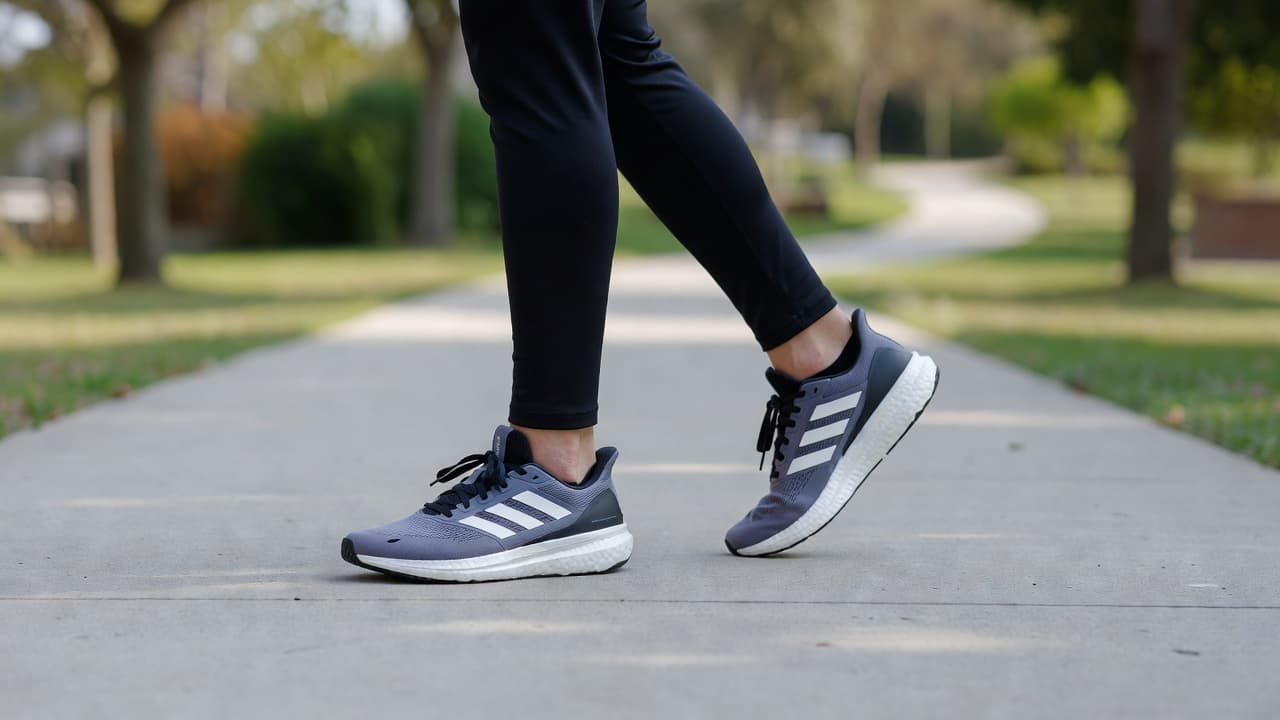
Who Should Consider It?
The Adidas Ultrarun 5 is a sensible choice if you want one pair for regular walking and occasional easy runs. It may also suit people who spend several hours on their feet and prefer cushioning that feels noticeable from the first step.
A good walking shoe should feel comfortable immediately, hold the heel securely, bend near the front of the foot, and match your foot shape. The Ultrarun 5 can meet those needs for some walkers, but comfort still depends on how its shape suits you.
Consider it when you value:
- A lightweight feel for daily walking.
- Soft cushioning on sidewalks and paved paths.
- Flexible movement through the forefoot.
- A running-shoe design that also works for casual use.
A different shoe may be better if you need strong stability for overpronation, extra room across the toes, or a firm base for uneven terrain. Soft cushioning can feel pleasant, but it may not provide enough control for every gait or foot condition.
Overall Walking Verdict
The Adidas Ultrarun 5 is a good choice for walking when comfort, flexibility, and low weight are your priorities. It works best as a versatile road shoe rather than a specialized stability or outdoor walking shoe.
Try it with the socks you normally wear, then walk long enough to notice heel movement, pressure around the toes, and any rubbing. If the shoe feels natural from the first step and matches your walking needs, its running design shouldn’t prevent it from being a reliable everyday option.
How the Adidas Ultrarun 5 Performs on Daily Walks
The Adidas Ultrarun 5 feels most at home on sidewalks, asphalt, indoor floors, and other predictable surfaces. Its running-shoe build keeps daily walking light and smooth, while the cushioning takes some pressure off repeated steps. Still, the soft ride may feel less planted than a traditional walking shoe for people who prefer firm support.
Cushioning, flexibility, and comfort over long distances
The Ultrarun 5’s foam midsole helps soften the hard feel of pavement. On a short walk, that cushioning gives the shoe an easy, comfortable feel. During a brisk walk, it supports a smooth heel-to-toe transition without making each step feel heavy. Over a longer route, the foam can reduce the sharpness of repeated impact through the heels and forefoot.
The ride balances softness with enough structure for ordinary walking. However, very soft foam isn’t ideal for every foot. Some walkers feel more stable on a firmer platform, especially if they have a heavier stride, need motion control, or dislike the sensation of sinking into the midsole. Your body weight, walking speed, and the condition of the foam all affect the experience. A shoe that feels supportive at a relaxed pace may feel less steady when you walk quickly or carry a bag.
Flexibility through the forefoot also helps the Ultrarun 5 feel natural at a relaxed walking pace. The shoe bends as your toes and forefoot move, rather than forcing your foot through a stiff step. The sockliner adds another layer of underfoot comfort, although it won’t correct a poor fit or replace an insole prescribed for a foot condition. Ground feel remains muted, which suits pavement but gives you less information on uneven paths.
Before removing the tags, use a simple home-and-outdoor test:
- Walk indoors for several minutes and check for toe pressure, arch discomfort, or heel movement.
- Climb stairs to see whether the heel stays secure and the forefoot bends comfortably.
- Take a longer trial walk in your usual socks, then inspect your feet for hot spots or rubbing.
A small amount of break-in may improve the feel, but persistent pressure usually points to the wrong size or shape.
Breathability, heel hold, and traction on common surfaces
The engineered mesh upper should allow more airflow than a heavily padded casual shoe, which helps during summer walks. Expect some warmth in high temperatures, though, because breathability varies with the knit density, socks, and local weather. The upper is not automatically waterproof, so avoid treating the shoe as rain protection unless your exact version carries that label.
A secure heel matters because excess movement can create rubbing and blisters. Lace the shoe firmly across the midfoot without crushing the top of your foot. If the heel still lifts after adjusting the laces, the shape may not suit your heel.
The rubber outsole is intended for everyday road use. It should handle sidewalks, asphalt, indoor floors, packed paths, and light gravel when those surfaces are dry and reasonably even. Wet pavement requires more care, since grip can drop on painted lines, smooth tile, leaves, and slick concrete.
The Ultrarun 5 is a road shoe, not a hiking shoe. It lacks the deep lugs, rock protection, and weather resistance needed for technical trails. For rainy walks, shorten your stride, avoid polished surfaces, and choose a safer route when the ground becomes slippery.
Fit and Sizing: Finding the Right Ultrarun 5 for Walking
The right size matters as much as cushioning when choosing the Adidas Ultrarun 5 for walking. A shoe can feel soft and comfortable yet still cause blisters, numbness, or foot fatigue if the heel slips or the toe box feels cramped.
Measure both feet at the end of the day, when feet are often slightly larger than in the morning. Wear the socks you plan to use for walking, trace or measure each foot, and choose the size that matches your larger foot. Leave about a thumb’s width between your longest toe and the front of the shoe. That space gives your toes room to move and allows for some swelling on longer walks.
Adidas sizing can feel different across shoe models, so don’t assume your usual size will fit the Ultrarun 5 perfectly. Compare your measurements with the official Adidas men’s shoe size chart or women’s shoe size chart, then review the retailer’s return policy before ordering. The brand’s shoe measurement guide also recommends leaving room in front of the toes.
A simple fit check before wearing them outside
Try on both shoes, even if one foot usually feels more comfortable. Stand up on a clean indoor surface, walk across the room, and pay attention to how the shoe holds your foot. Check the fit in this order:
- Wiggle and extend your toes. They should move freely without touching the upper or pressing against one another.
- Walk at a normal pace, then climb and descend stairs. Your heel should stay in place without rubbing, while the forefoot should bend naturally.
- Notice pressure across the midfoot and instep. Snug laces are useful, but they shouldn’t create tingling, numb toes, or restricted circulation.
- Check the arch area. The shoe should feel supportive without a sharp lump or constant pressure beneath the arch.
- Look for heel lift, slipping at the tongue, or pressure points around the ankles and toes.
Adjust the laces gradually, starting near the toes and working upward. Secure the heel and midfoot, but don’t pull so tightly that the upper digs into your foot. A wider foot may need more room across the forefoot, while a high instep often needs a looser top section. Low-volume feet may require a slightly firmer lace adjustment or a thin tongue pad, provided the shoe still feels comfortable.
Use your walking socks and any inserts or orthotics during the test. Orthotics can reduce the space inside the shoe, so check both toe room and instep pressure after inserting them. If your feet swell on long walks, test the shoes later in the day and avoid choosing a size that feels tight at that time.
A shoe that causes pain should be returned, not stretched through repeated wear.
Persistent heel slip, numb toes, a shifting tongue, or sharp pressure usually indicates a poor match in size or shape. Don’t rely on break-in time to fix those problems.
Who Should Wear the Adidas Ultrarun 5 for Walking?
The Adidas Ultrarun 5 fits well into specific routines, but it isn’t the best match for every foot type or walking style. Knowing how the shoe performs in everyday situations helps you decide if it fits your daily routine.
Matching the shoe to real walking scenarios
This shoe shines on predictable surfaces like sidewalks, asphalt, and treadmill belts. If you enjoy neighborhood walks, daily errands, or morning commutes, the lightweight build keeps your feet from feeling weighed down. It also works well for travel days when you are walking through airports or standing in lines, and it suits people who like to mix short jogging intervals into their walking workouts.
However, another shoe is usually a better choice in several specific cases. You should look elsewhere if you need a shoe for standing on hard concrete floors all day, or if you plan to tackle technical hiking trails with loose dirt and rocks.
Walkers with severe overpronation who rely on rigid stability control, or those who need custom orthotics and a particularly roomy toe box, will also find better options in dedicated walking or stability categories. Pronation is a natural part of how your body moves, and you shouldn’t choose a stability shoe just because an online guide suggests it.
If you deal with persistent pain, numbness, unusual swelling, or a history of foot injuries, consult a podiatrist or a qualified footwear professional before buying. Getting personalized advice ensures your footwear matches your specific structural needs instead of just your general activity level.
Adidas Ultrarun 5 Pros and Cons for Walkers
Deciding on the right footwear means weighing the good against the bad, especially when you push a running shoe into walking territory. Every design choice brings trade-offs that directly affect how your feet feel after a long afternoon on pavement.
Advantages and Drawbacks for Daily Walking
The Adidas Ultrarun 5 for Walking offers several clear benefits for casual users. Lightweight construction keeps your feet feeling fresh, while plush foam cushioning softens the hard impact of concrete sidewalks. Breathable mesh uppers prevent excessive heat buildup during warm weather, and the flexible forefoot allows a natural rolling motion with every step.
However, you should also keep potential drawbacks in mind before making a purchase. The soft midsole might feel too squishy if you prefer a firm platform, and the shoe lacks the aggressive tread needed for muddy or uneven hiking trails. Model-specific fit variations can surprise buyers who expect a standard Adidas feel, and the upper lacks waterproof qualities for rainy days.
Here is a quick look at how the advantages and drawbacks compare for everyday walkers:
| Feature | Advantage | Drawback |
|---|---|---|
| Weight | Lightweight build prevents leg fatigue | None significant for standard road use |
| Cushioning | Soft foam absorbs impact on hard pavement | May feel too soft for motion control |
| Traction | Reliable grip on dry asphalt and sidewalks | Slippery on wet metal or smooth tile |
| Weather | Engineered mesh keeps feet cool in summer | Lacks waterproof protection in heavy rain |
Decision Summary for Different Walkers
Casual walkers benefit most from the soft comfort and easy flexibility during neighborhood strolls or quick errands. Travelers also appreciate the lightweight design during long airport treks, although travelers facing rainy forecasts should pack a backup pair.
Long-distance walkers and people who need strict stability support should look for a dedicated walking shoe with a firmer base. If your daily routine involves standing on hard floors for hours, or if you require heavy motion control to counter severe overpronation, the soft cushioning in this model will not provide enough structure. Match your actual route and support needs to these realities, and you will quickly know whether this running shoe fits your walking habits.
Adidas Ultrarun 5 Compared With Other Walking Shoe Options
Choosing the right footwear means looking at how the Adidas Ultrarun 5 stacks up against alternative categories. Every footwear design brings specific trade-offs in cushioning, flexibility, weight, support, traction, breathability, durability, and appearance.
Prices, discounts, color availability, and product specifications also change over time, so you should always check current retailer and Adidas listings before buying. When you compare your options, examine the delivered price, return policy, warranty, and replacement availability instead of choosing solely by a sale price.
How to judge value, durability, and replacement timing
Shoe life depends on walking frequency, body weight, surfaces, weather, and storage. Regular walkers should inspect their shoes often and replace them when performance changes. Flattened cushioning, uneven outsole wear, a tilted heel, new foot fatigue, or upper damage are clear warning signs that your shoes need a swap.
When you compare the Adidas Ultrarun 5 with a cheaper casual sneaker, look at how long the materials hold up under daily friction. A cheap sneaker might save money upfront, but it often loses support quickly and leaves your feet tired. A reliable return period matters just as much because it gives you time to test fit and cushioning under real walking conditions before you commit.
How to Get the Best Walking Experience From the Ultrarun 5
Getting the most comfort out of your shoes requires a bit of care and attention from your very first outing. Because these are running shoes at heart, they adapt wonderfully to walking once you take the time to set them up right. A few simple adjustments will keep your feet feeling fresh through miles of pavement pounding.
Start your ownership journey by wearing the shoes indoors for short stretches before tackling long routes. This gradual break-in period lets the foam adapt to your stride while you spot any potential hot spots. Moisture management also plays a big role in keeping blisters away, so pair your footwear with moisture-wicking socks made from merino wool or synthetic blends rather than thick cotton. Cotton traps sweat and creates friction, which ruins even the best cushioned ride.
Lace adjustment requires a careful touch when you want a secure lockdown. Pull the laces snugly across your midfoot to prevent sliding, but keep the top section loose enough to let your instep breathe. Clean your shoes regularly using mild soap and a soft brush, then let them air dry completely at room temperature. Always keep your footwear away from direct heat sources like radiators, hair dryers, or direct sunlight because extreme heat breaks down the foam midsole and melts the adhesives holding the sole together.
If you walk every single day, rotation makes a massive difference in how long your shoes last. Alternating between two pairs gives the cushioning foam twenty-four hours to decompress and return to its original bounce. You should also check the rubber outsole periodically and brush out any pebbles or debris stuck in the tread grooves. Clean rubber grips pavement much better than clogged rubber, keeping your steps stable on slick city streets.
Before you finalize your purchase, run through this quick buyer checklist to confirm you have the right setup:
- Confirm you are ordering the exact Ultrarun 5 version you want since colorways and regional fits vary.
- Measure both feet in the afternoon to account for natural swelling.
- Check the width and verify the retailer return policy before pulling the trigger.
- Inspect the shoe indoors right out of the box for any manufacturing flaws.
- Test the footwear on your usual walking surface during the return window.
Adding supportive inserts can help if you need extra underfoot contour, but make sure they don’t crowd your toes or cramp your instep. An ideal insert enhances comfort seamlessly without changing the secure fit of the heel. Keep these small maintenance steps in mind, and your daily walks will feel effortless from the first mile to the last.
Conclusion
The Adidas Ultrarun 5 for Walking is a practical option if you want a lightweight road shoe with soft cushioning for sidewalks, travel, daily errands, and casual movement. It handles daily routines well because the flexible build keeps your feet from feeling weighed down. However, it doesn’t work for everyone. You should look elsewhere if you need a shoe for technical trails, severe stability support, or long hours standing on hard concrete floors.
Your final decision should rely on three simple checks. First, confirm that the shoe provides a secure heel hold and gives your toes enough room to swell during long outings. Second, make sure the soft foam cushioning feels comfortable under your feet instead of overly squishy. Third, verify that the rubber outsole offers reliable traction for your specific walking routes.
Test the shoes indoors with your favorite walking socks before wearing them outside. If they feel natural and cause no pain, they’re ready for the pavement. If they cause pinching or discomfort, stop wearing them and choose a more structured design.


