

Adidas Ultraboost 23 Review
You’ve run easy miles in older Ultraboost shoes, but they felt heavy after long days. The Adidas Ultraboost 23 review here shows how this update delivers plush comfort for daily training and casual wear. It’s lighter overall, so you get that familiar bounce without the bulk.
This shoe shines as a daily trainer for easy runs and longer efforts. However, it won’t handle speedwork; save that for racers. Instead, expect reliable cushioning that protects your legs on roads.
Adidas packed in key upgrades like Light BOOST foam, which drops 30% of the weight while boosting energy return by a few percent. The PRIMEKNIT+ upper gives a sock-like fit that locks you in without blisters. Plus, Continental rubber ensures solid traction, though the premium $190 price tag reflects these perks.
In this review, I will break down fit, ride quality, stability, durability, value, and stack it against past models.
What’s new in the Ultraboost 23, and what stays the same
The Ultraboost 23 keeps its role as a cushioned daily trainer with lifestyle appeal. Adidas tuned it more for running this time. You get familiar Boost bounce, but now it’s lighter and firmer overall. In this Adidas Ultraboost 23 review, let’s look at key updates versus past models like the 22. The midsole drops 30% in weight with Light BOOST. The upper swaps to breathable PRIMEKNIT+. Outsole patterns improve flex. Yet, energy return, 10mm drop, and Continental grip stay strong for easy miles.
Light BOOST midsole: lighter cushioning, bouncy feel, and how it changes the ride
Light BOOST mixes TPU beads with EVA for a firm yet light foam. It cuts midsole weight by 30% from the Ultraboost 22. Men’s shoes hit 11 ounces; women’s reach 9.5 ounces. This drop matters because you feel less drag on long, easy runs.
Energy return stays high, like classic Boost. However, it feels more responsive now, with better bounce off each step. On steady paces, your stride smooths out. The Torsion System adds stability for reliable cushion.
Picture a trampoline that’s easier to carry; that’s the ride. It excels at recovery jogs, not race speeds. After all, this shoe protects legs without bulk.
Upper and lockdown: PRIMEKNIT+ fit, break-in, and who might need a different size
PRIMEKNIT+ brings a stretchy, low-volume upper with great breathability. It feels snug at first, like a fresh sock. After a short break-in, it molds to true-to-size comfort. No cage needed; internal support locks the midfoot and heel.
The toe box offers wide space for toes to spread. Secure lockdown prevents slips. Most runners stick with their usual size. However, if you’re between sizes, go half up for extra room.
Wide-foot folks often love the generous heel and easy entry. In short, it hugs without blisters, perfect for daily wear.
Outsole and traction: Continental rubber, grip on wet sidewalks, and expected wear
Continental rubber delivers strong grip on roads and sidewalks. It shines on wet or cool days, so you trust each step in rain. Updated tread widens forefoot flex for smoother transitions.
Durability stands out with full coverage and tough toe protection. The rubber lasts through daily training miles. Patterns resist wear better than older rounded nibs.
This stays a road shoe, not for trails. Therefore, expect solid performance on pavement without quick breakdown.
How the Ultraboost 23 feels on runs: easy days, long runs, and where it struggles
You want to know the real ride in this Adidas Ultraboost 23 review. I logged miles on roads, from short recovery jogs to weekend longs. At mile one, the Light BOOST foam compresses softly underfoot.
By mile six, it holds up without bottoming out. Easy paces around eight minutes per mile feel smooth. Heel strikers get the most protection. Forefoot runners notice firmness up front. In short, it suits steady efforts best.
Cushioning and comfort over distance: the “protective” feel people buy Ultraboost for
Light BOOST delivers resilient cushioning that lasts. On a 45-minute easy run, your legs stay fresh because the foam rebounds quickly. Harder pavement doesn’t beat you up; the thick heel stack absorbs impacts well.
Long weekend runs push it further. After 10 miles, the midsole feels protective, not mushy. Recovery jogs the next day confirm this; feet don’t ache from concrete miles. Even walking post-run stays comfy, thanks to the balanced firmness.
Runners who log 30 to 60 minutes at relaxed paces benefit most. The foam molds slightly over time. Therefore, it guards legs without excess weight. Beginners or high-mileage folks appreciate this shield.
Stability for a neutral shoe: wide base, sidewalls, and mild pronation support
This stays a neutral shoe, yet it tracks straight on roads. The wide platform spreads impact from heel strike. Sidewalls guide your foot without forcing it.
At mile one, heel lockdown feels secure. By mile six, no wobble creeps in during tired strides. Heel strikers gain confidence from the stiff counter and broad base. In addition, the Torsion System ties it together.
Beginners or those new to cushioned trainers like this setup. It offers reassurance on easy days. You don’t need a stability shoe for mild inward roll; the structure handles it. Road runs stay predictable as a result.
Speed limits: why tempo runs and fast workouts are not its best job
Fast shoes need low weight, forefoot snap, and stiff plates. The Ultraboost 23 skips those. At seven-minute pace, it feels clunky because the stack lacks pop.
Tempo efforts highlight this. Early miles roll okay, but fatigue sets in quick. Forefoot strikers miss extra cushion up front; the firm ride drags at speed. Meanwhile, heel-toe transitions turn labored.
Save speedwork for lighter racers. This shoe suits eight-minute miles and slower. Runners chasing PRs notice the limits fast. On the other hand, steady trainers thrive here. After all, easy miles define its strength.
Fit, comfort details, and everyday wear: the part most reviews skip
Most Adidas Ultraboost 23 reviews rush past real-world fit and comfort. You need details on how it feels all day, not just on runs. This section covers sizing choices, key hotspots, and why it doubles as a daily sneaker. Recent user feedback confirms it runs true to size for normal feet, with simple tweaks for your needs.
True-to-size vs sizing up: a simple checklist for getting the fit right online
The Primeknit+ upper stretches like a sock, so most stick with true-to-size. However, wide feet or long wear call for half a size up. Measure in the evening when feet swell; that matches real use.
Use this quick checklist before buying:
- Foot width: Go half up if wide; the toe box handles average widths well.
- Socks: Thick running socks? Size up half for room.
- Tight uppers: Hate snug feels? Half up prevents pinch early on.
- Long runs planned: Feet swell after 10 miles, so half up avoids blisters.
- Casual wear focus: True-to-size works; it molds fast.
Break-in takes two to three wears. The upper softens quick, then hugs without slip. In short, true-to-size suits most runners. Wide folks or walkers gain from upsizing.
Heel, tongue, and laces: hotspots, lace bite, and comfort on long days
Heel hold stays secure thanks to the stiff counter. It locks without rubbing your Achilles, even on 12-mile days. Recent reviews praise this over older models.
The tongue padding stays thin yet stretchy. It blends into the upper, so no bunching or pressure. Lace evenly from toe to top; skip the top eyelets if you feel bite. This spreads tension and keeps comfort high.
Breathability shines with the mesh Primeknit+. Feet stay cool on warm walks or gym sessions. Most users say it runs neutral, not hot. After all, air flows well for all-day steps.
Walking and travel test: standing all day, commuting, and gym use
Ultraboost 23 works great beyond runs because the Light Boost cushion stays stable. Grip from Continental rubber handles wet sidewalks or airport floors. You stand eight hours without sore feet; the bounce absorbs concrete fatigue.
Commuting feels easy with the plush ride. Travel days? It packs light and comforts swollen feet. Gym use fits light cardio or classes; the wide base aids balance.
Limits exist, though. Bulk makes it poor for agility drills or squats. Heavy lifts need flatter shoes for ground feel. Therefore, pair it with trainers for those. Walkers and casual users love the everyday shield most.
Value and comparisons: Ultraboost 23 vs Ultraboost 22 and popular rivals
You wonder if the Adidas Ultraboost 23 review justifies a switch from last year’s model or rivals. This section stacks it up against the Ultraboost 22 and key daily trainers. Plus, we cover pricing in 2026 to help you buy smart. These insights come from real runs and current market data, so you decide with confidence.
Ultraboost 23 vs Ultraboost 22: the upgrade is real, but not for every runner
The Ultraboost 23 feels lighter and snappier underfoot. It drops midsole weight by 30 percent with Light BOOST foam. Therefore, each step rebounds faster without drag. In contrast, the 22 packs heavier, softer standard Boost that cushions deeply but slows you down on longer runs.
Runners who found the 22 too bulky should upgrade. You notice the difference right away on easy miles; legs stay fresher. However, comfort seekers or walkers can stick with the 22. It excels at plush steps for casual paces. Sale hunters grab it cheap too, since stock lingers online.
Most importantly, test both if possible. The 23 suits active training better, yet the 22 holds value for pure softness.
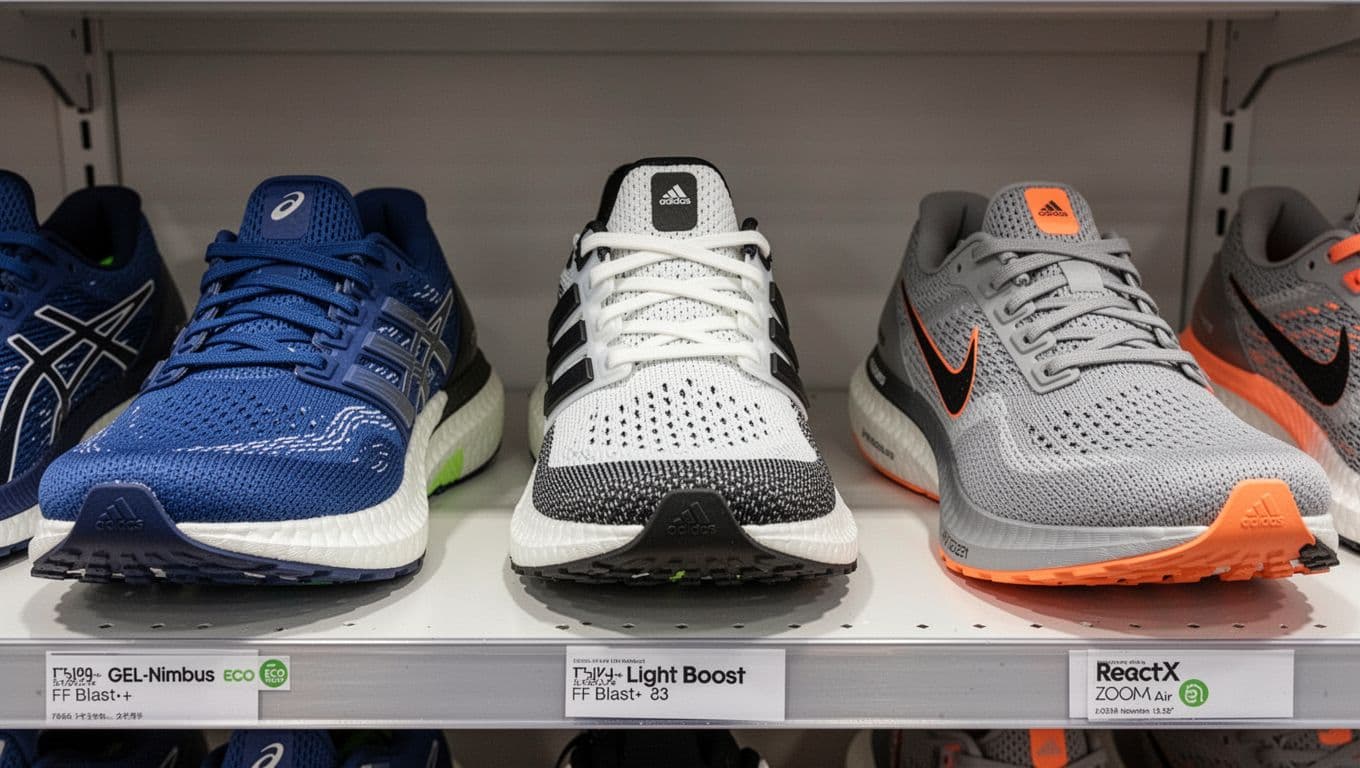
Head-to-head alternatives: Nimbus, Pegasus, and other daily trainers that might fit better
Pick the right daily trainer based on your runs. The Ultraboost 23 offers balanced bounce for steady miles. However, rivals shine in specific spots.
For max softness on high-mileage days, grab the Asics Gel-Nimbus. Its thick foam swallows roads better; your legs thank you after 15 miles. In addition, it suits heavier runners who crave pillow-like protection over speed.
Versatile folks prefer the Nike Pegasus. It handles easy runs plus tempo efforts with peppy foam and air units. Therefore, switch if you mix paces weekly; the Ultraboost lags there.
Speed-oriented trainers like the Saucony Endorphin Speed beat it for workouts. They add plates for snap, while the 23 stays plush but firm. After all, match your needs: plush recovery, all-purpose, or quick strides.
These options help you choose without regret. Test fits locally if you can.
Price, deals, and what to check before you buy in 2026
Expect a premium tag around $180 to $220 for the Ultraboost 23. It stays widely available online at adidas.com or running sites. However, sales drop newer Ultraboost styles to $135, even $99 during events like Cyber Monday. Use codes like SAVE for extra cuts; check stock since it’s a 2023 release.
Buy smart with these steps. Watch seasonal deals in spring or holidays. Always review return policies for sizing trials; feet swell on runs. Pick colorways like grey, black, or white for dirt resistance and visibility. Blues, purples, and greens pop too, but they show scuffs faster. Color options shift often, so scan current drops.
In short, pay full price only if you need it now. Otherwise, wait for discounts or rivals on sale. This shoe rewards patient shoppers who prioritize value.
Conclusion
The Adidas Ultraboost 23 shines as a lighter daily trainer with Light BOOST foam that rebounds well on easy miles. It delivers plush protection, a snug Primeknit+ fit, and reliable Continental grip for roads. Runners praise its comfort on long efforts, with lab scores hitting 89 to 91 out of 100 in recent tests.
This shoe fits best for easy runs, relaxed long runs up to 20 miles, and all-day wear. Heel strikers and midfoot landers love the stable cushioning that keeps legs fresh. In addition, walkers and commuters get that familiar bounce without bulk.
However, skip it if speedwork defines your training; the firm ride lacks pop at faster paces. Forefoot strikers might want more cushion up front. Budget shoppers should note value concerns too, since full price hits $180 to $190.
Recent deals drop pairs to $45 to $65, so you save big online. Buy at full price only if you crave the Ultraboost feel. Otherwise, wait for a sale or pick an alternative like the Pegasus for versatility.
Back to Adidas Running Shoe Reviews


