

Adidas Ultra Boost 5 vs Brooks Glycerin 22: Plush Cushion Showdown
Finding the right daily trainer often feels like a balancing act between plush cushioning and reliable responsiveness. You want a shoe that keeps your legs feeling fresh during long, slow miles without feeling like you are sinking into the pavement. Both the Adidas Ultra Boost 5 vs Brooks Glycerin 22 stand out as top contenders for runners who prioritize comfort, yet they achieve this goal through different engineering philosophies.
Whether you need a shoe for high-mileage recovery sessions or just want a dependable partner for your daily miles, understanding the nuance of these two models matters. Choosing the right pair depends on how you value fit, long-term durability, and the specific sensation of the midsole foam under your feet. This comparison will help you decide which model fits your personal running mechanics and training goals.
If you are looking to improve your overall running efficiency and need a structured approach to your training schedule, you might find helpful strategies in these running training plans.
Adidas Ultra Boost 5 vs Brooks Glycerin 22: what each shoe is built to do
Choosing between these two models involves understanding the difference between a shoe designed for versatile daily use and one engineered strictly for performance mileage.
Both shoes offer a high level of cushioning, but their personalities diverge quickly once you start moving. The Adidas Ultra Boost 5 focuses on blending soft comfort with a style that fits almost anywhere, while the Brooks Glycerin 22 prioritizes the specific mechanics of running to keep your feet protected during repetitive impact.
Where the Adidas Ultra Boost 5 stands out
The Adidas Ultra Boost 5 occupies a unique space in the running market because it handles transitions between high-effort training and casual wear with ease.
When you first step into the shoe, the sensation is plush and immediately welcoming. The midsole foam provides a bouncy energy return that feels responsive during shorter, easy runs or recovery jogs. It is a fantastic choice if you want one pair of shoes that works for a morning run, errands, and everything else in your day.
Many runners who prioritize a clean, aesthetic look prefer this model for its modern design. The upper material fits snugly, mirroring the feel of a sock, which creates a secure hold without restrictive pressure.
If your training routine involves mixing shorter mileage with plenty of walking or time on your feet, the Ultra Boost 5 keeps you comfortable without looking like an overly technical piece of gear. It is less about shaving seconds off a personal record and more about providing a soft, springy ride for your everyday life.
Why the Brooks Glycerin 22 feels different
The Brooks Glycerin 22 takes a traditional approach to the daily trainer, focusing entirely on the requirements of consistent mileage.
While the Ultra Boost 5 leans toward a crossover lifestyle feel, the Glycerin 22 is a workhorse built for runners who need a reliable, smooth ride for their primary training blocks. The cushioning system is dense and uniform, which provides a steady landing platform that protects your joints from the repetitive stress of long runs.
When you increase your weekly volume, you need a shoe that remains predictable and comfortable over time. The geometry of the Glycerin 22 promotes a natural heel-to-toe transition that helps you maintain good form even as your legs get tired during double-digit runs.
It avoids the bouncy, soft-spring sensation of the Adidas, choosing instead a balanced, stable feeling that lets you focus on your breathing and rhythm. If you are training for a goal race and need a consistent trainer to handle your base miles, this shoe is often the more specialized tool. It is not designed to be a fashion statement, but it is built to survive hundreds of miles on the pavement.
Cushioning and ride: soft, bouncy, or balanced?
The sensation beneath your feet defines every mile you run. While both the Adidas Ultra Boost 5 and Brooks Glycerin 22 offer premium comfort, they approach impact management from different directions. One shoe aims to capture energy and return it to your stride, while the other focuses on dampening the road to keep your legs feeling fresh. Understanding these mechanical differences helps you choose the right companion for your specific training needs.
How the Ultra Boost 5 feels on the road
The Ultra Boost 5 delivers a lively, springy experience that makes easy-to-moderate paces feel effortless. Its midsole foam provides a distinct rebound, pushing back against the pavement with every step you take. This creates a sensation of constant motion, which is perfect for runners who want a bit of pep in their daily mileage.
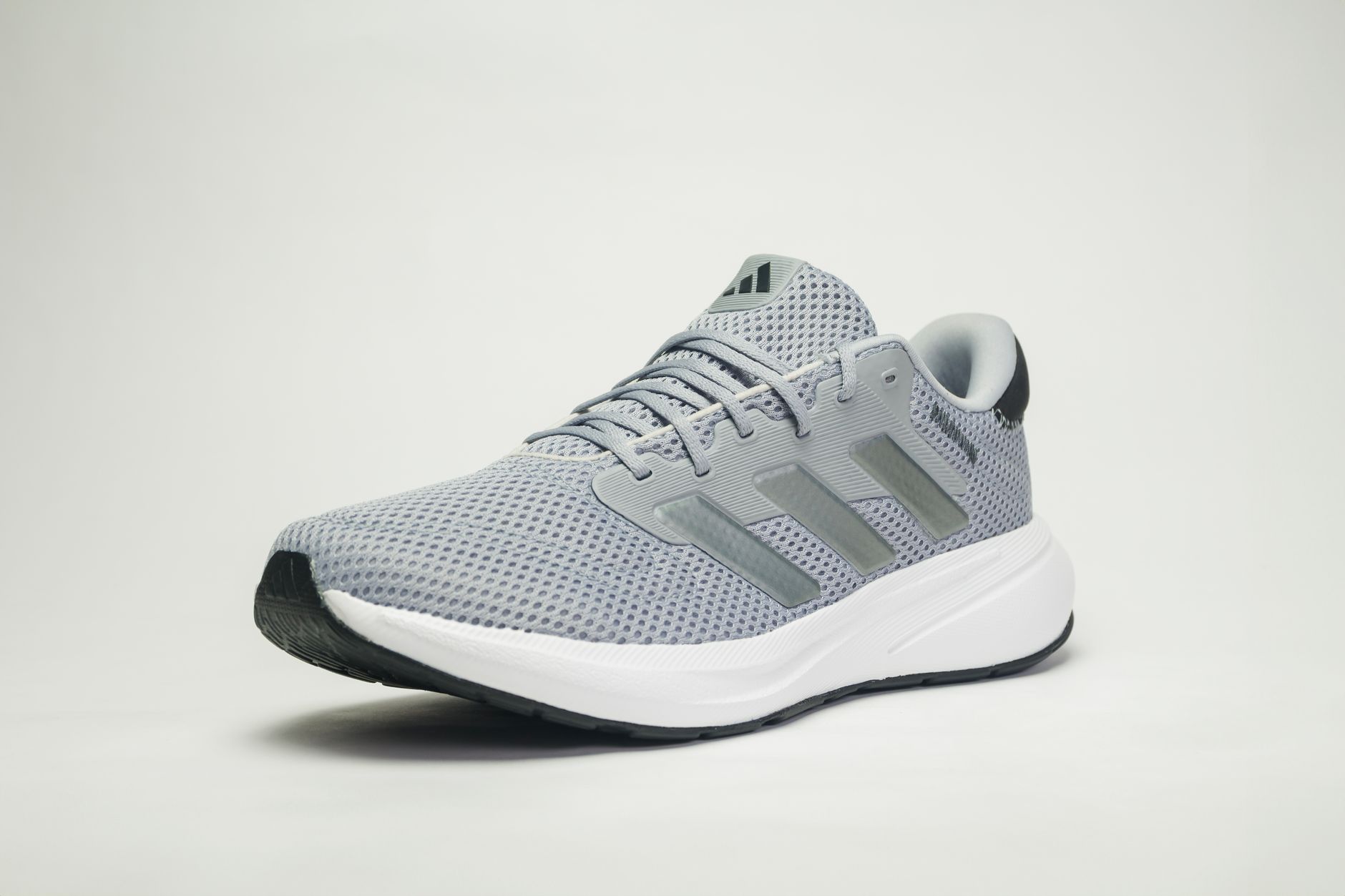
Photo by Márcio Carvalho
That energy return is a major plus on shorter runs, yet it can feel slightly unstable for some during high-mileage fatigue. While the rebound keeps your stride feeling light, those who prefer a solid, predictable platform may find the foam a bit too active. You will love this ride if you crave a responsive shoe that feels like it wants to keep you moving forward. If you prefer your feet to feel locked in and disconnected from the road’s feedback, this bouncy nature might require a brief adjustment period.
How the Glycerin 22 protects tired legs
The Brooks Glycerin 22 offers a calm, consistent ride that centers on mechanical protection. Instead of trying to bounce you along, the midsole absorbs harsh impact and shields your joints from the repetitive stress of the road. It provides a soft landing that feels dampened rather than squishy, ensuring your feet feel just as good at the end of a long run as they did at the start.
This shoe is built for predictability. It encourages a smooth, rolling transition from heel to toe, which is exactly what you need when your form starts to break down after many miles. By keeping the ride stable and quiet, the Glycerin 22 helps you focus on maintaining your rhythm. For runners who value a reliable, low-maintenance trainer that keeps legs fresh for the next day, this platform is a clear winner.
Which one feels better for easy runs and recovery days
When you need a shoe for the slowest, easiest recovery miles, the choice comes down to your personal preference for softness versus bounce. The Brooks Glycerin 22 is the superior choice if you prioritize pure, cushioned comfort that feels like a protective barrier between you and the concrete. It is the gold standard for shakeout runs where the goal is to move without effort or complexity.
On the other hand, the Ultra Boost 5 brings more life to the pavement. It feels more engaging during those days when you feel sluggish but want to find a bit of extra flow. If you find yourself wanting a shoe that adds a hint of speed to your recovery routine, the energy return from the Adidas model is tough to beat.
| Feature | Adidas Ultra Boost 5 | Brooks Glycerin 22 |
|---|---|---|
| Primary Ride | Springy and bouncy | Smooth and protective |
| Best For | Energetic daily miles | Long, consistent recovery |
| Ground Feel | Moderate feedback | Well-damped impact |
| Stability | Performance-oriented | Reliable and predictable |
Ultimately, your decision between the Adidas Ultra Boost 5 vs Brooks Glycerin 22 depends on whether you want a shoe that keeps your legs isolated from the road or one that works with your energy to keep you cruising. If you are focusing on a marathon training plan, consider which shoe keeps your legs recovered enough for your next hard workout.
Fit, upper comfort, and how the shoes hold the foot
Comfort begins the moment you slide your foot into the shoe. While cushioning often grabs the headline, the quality of the fit determines whether you stay blister-free during long efforts.
The Adidas Ultra Boost 5 vs Brooks Glycerin 22 comparison highlights two distinct philosophies in how a trainer should surround your foot. One embraces a compression-style hold, while the other prioritizes a spacious, traditional environment.
Who will like the Ultra Boost 5 fit
The Ultra Boost 5 utilizes a signature knit upper that creates a close, sock-like sensation. This material stretches to accommodate the unique shape of your foot, effectively locking it in place without the need for aggressive overlays. Runners who dislike the feel of loose fabric moving against their skin often prefer this construction. It provides a consistent, snug wrap through the midfoot that feels secure during quick cornering or erratic movements.
If you enjoy a performance-oriented fit that hugs every curve of your foot, this model is a great match. However, that closeness can be polarizing.
Some runners find the tighter midfoot hold restrictive, particularly if they have wider feet or prefer extra wiggle room in the forefoot. If you frequently struggle with pressure across the top of your arch, the high-tension knit might feel slightly too intrusive for your personal comfort level.
Why the Glycerin 22 fit may work for more runners
The Brooks Glycerin 22 takes a more conservative approach to upper design. It features a plush, engineered mesh that offers a traditional, forgiving fit.
Many runners find this shape more welcoming because it avoids the aggressive compression found in knit uppers. There is a noticeable amount of space in the toe box, which allows your feet to splay naturally during long training sessions when swelling typically occurs.
This shoe feels comfortable right out of the box for a wider variety of foot shapes. Because the upper is less elastic than the Adidas alternative, it provides a stable, predictable hold that stays consistent throughout your entire run. For those logging high mileage or training for a half marathon, this reliable fit helps prevent irritation. It is the definition of a dependable daily trainer.
Hot spots, pressure points, and break-in feel
Size charts provide a starting point, but the true test of a shoe is how it interacts with your skin after a few miles. The Ultra Boost 5 knit can sometimes create friction points for runners with higher arches, as the elastic material pulls tight across the midfoot. Because the upper is so form-fitting, you should ensure your heel is properly seated before you tie your laces. A poor lockdown here often leads to heel slippage, which is a common cause of blisters.
The Glycerin 22 generally avoids these issues due to its softer internal lining and generous padding around the collar. You might notice a slight stiffness in the upper during the first few miles, but the materials soften quickly as they conform to your foot.
While both shoes are comfortable, the Glycerin 22 is more forgiving if you have sensitive spots or bunions. Trying both on while wearing your preferred running socks remains the best way to determine which shape truly matches your foot. Pay close attention to how the laces tension across your instep, as this is where most runners find their personal breaking point between comfort and security.
Which shoe works best for your training week?
Selecting the right partner for your daily miles depends on the rhythm of your training. You need a shoe that matches your intensity, foot strike, and the specific goals you have for the week ahead.
When comparing the Adidas Ultra Boost 5 vs Brooks Glycerin 22, the decision often comes down to whether you prefer a high-energy ride or a protective, predictable platform. These two models serve as excellent examples of how different engineering priorities influence your performance.
Best choice for daily mileage
If you want a dependable workhorse for your routine, the Brooks Glycerin 22 often feels more natural. It offers a consistent, stable ride that handles the daily grind of pavement pounding with ease. Because the foam is tuned for impact protection, your legs feel fresh even after consecutive days of running. The geometry encourages a smooth, rolling transition that keeps your mechanics efficient, regardless of the effort level.
The Ultra Boost 5 provides a different sensation that some runners prefer for shorter, more casual miles. Its springy energy return adds a layer of excitement to easy runs, making the pace feel light and quick.
While the fit is tight, it remains comfortable for those who prefer a sock-like hold. If your training week mixes shorter, aerobic runs with lighter movement, this model offers a distinct, lively experience that breaks up the monotony of standard trainer rotations.
Best choice for long runs
Long runs demand a shoe that shields your body from fatigue. The Glycerin 22 excels here because its midsole foam focuses on cushioning and shock absorption. It maintains its structural integrity over double-digit mileage, ensuring that your final mile feels just as supported as the first. This stability provides a significant advantage when your form starts to break down during those later, more difficult stages of a long run.
The Ultra Boost 5 offers a softer, more plush sensation that some runners find more forgiving on tired feet. However, that high-rebound foam can sometimes feel less stable as your legs grow heavy toward the end of a long outing.
If you prioritize a soft, bouncy environment that minimizes impact, you will likely appreciate the Adidas approach. It keeps the ride feeling engaging and fun, provided you have the core strength to manage the foam’s active response over longer durations.
Can either one double as a walking shoe
Many runners need a shoe that transitions from the track to daily life without skipping a beat. The Ultra Boost 5 is arguably the more versatile option in this category.
Its modern design and knit aesthetic look great with casual clothes, and the plush, high-rebound cushioning feels excellent during long days of standing or walking. You get a sleek look paired with performance comfort, making it a favorite for those who want one pair to do it all.
The Glycerin 22 works well for walking too, though it carries a more traditional, athletic appearance. Its primary strength lies in its supreme comfort levels. If you have a job that requires significant time on your feet, the generous, stable cushioning provides excellent support throughout the day. While it might not match the street-style aesthetic of the Adidas model, it is a top-tier choice for anyone who prioritizes foot health and plush, consistent support for their daily errands.
Durability, traction, and value for the money
Choosing between the Adidas Ultra Boost 5 and Brooks Glycerin 22 often comes down to how these shoes handle the realities of daily road use. While the initial cushion feels great, you need to consider how the materials age and whether the outsole grip stays reliable through different seasons. A shoe that excels on dry pavement might falter when the weather turns, so evaluating these factors helps you determine which model serves your specific environment best.
What to expect from outsole wear
Both models feature rubber outsoles designed for standard road running, but they wear down in different ways depending on your stride.
The Adidas Ultra Boost 5 often shows its first signs of wear under the ball of the foot and the outer heel, especially if you have a slight heel strike. Because the outsole pattern is quite intricate, smaller stones or debris can occasionally get lodged in the grooves, though the overall rubber compound provides decent durability for general daily miles.
The Brooks Glycerin 22 uses a more traditional, high-abrasion rubber that tends to be thicker in high-wear zones. If you are a high-mileage runner who logs fifty or more miles per week, you will likely notice that the Glycerin 22 maintains its traction pattern for a longer duration.
Runners who tend to scuff their feet or have a heavy landing will find the Brooks outsole provides more substantial material between their feet and the road. Conversely, the Ultra Boost 5 might feel slightly more pliable underfoot, which is great for flexibility but can result in the tread wearing smooth a bit faster if you predominantly run on rough, abrasive asphalt.
Are you paying for comfort or versatility
Value in the running shoe market is subjective and depends heavily on how much of your day you spend in the shoe. The Adidas Ultra Boost 5 justifies its price tag by acting as both a performance daily trainer and a high-end casual sneaker. If you want a shoe that transitions perfectly from a morning run to work or errands, you are essentially getting two products in one. The sleek aesthetic and high-quality knit upper ensure you never feel out of place in non-running settings.
The Brooks Glycerin 22 offers value through pure, specialized performance. You are paying for the engineering that keeps your legs feeling fresh during high-volume training blocks.
While it lacks the street-style versatility of the Adidas, it wins on longevity and targeted comfort for serious training. If your primary goal is to remain injury-free while increasing your weekly mileage, the Glycerin 22 is an investment in your physical recovery. You should weigh whether you need a lifestyle crossover or a dedicated tool for your running training program.
Which shoe gives the better long-term buy
Most runners find the Brooks Glycerin 22 to be the more sensible long-term buy for dedicated training. It is built to handle the rigors of consistent, high-volume stress without losing its protective qualities.
If you are training for a specific race or looking to establish a solid base, this model provides the most predictable return on your money. Its durability means you replace the shoes less frequently, which offsets the cost over a full training cycle.
The Ultra Boost 5 is the better choice for the runner who values aesthetics and comfort as much as pure performance. It fits perfectly into a rotation where running is just one part of a busy, active lifestyle. While it might show wear faster under intense training loads, it remains a fantastic, multi-purpose option. Ultimately, choose the Glycerin 22 for mechanical reliability on the road, or opt for the Ultra Boost 5 if you want a premium, comfortable trainer that keeps up with the rest of your day.
How to choose between Adidas Ultra Boost 5 and Brooks Glycerin 22
Selecting your next daily trainer is a personal choice that rests on how you move, where you run, and what you need from your footwear. While both shoes are heavy hitters in the world of high-cushion trainers, they serve different masters. One is built for those who treat their running shoes as a versatile companion for every aspect of life, while the other is a dedicated tool for the repetitive, rhythmic demands of long-term training.
Pick the Ultra Boost 5 if you want a soft, stylish all-rounder
Choose the Adidas Ultra Boost 5 if your running routine is part of a bigger lifestyle picture. This shoe excels for the runner who values a snappy, responsive sensation beneath the feet.
The foam offers an energetic bounce that makes shorter, faster-paced daily runs feel engaging rather than forced. It is an excellent match if you want a trainer that holds its own in the gym, on the sidewalk, or even while running errands.
The knit upper provides a secure, sock-like fit that stays put through various movements. Because the design aesthetic is polished and clean, it transitions to casual wear without any friction. If you find yourself wanting a single pair of shoes that handles moderate miles while looking sharp enough for coffee after a jog, this is your best option. It works best for runners who prioritize a flexible, premium feel and a springy ride over pure, mechanical stability.
Pick the Glycerin 22 if you want dependable running comfort
Opt for the Brooks Glycerin 22 if your training schedule revolves around logging consistent, steady miles. This shoe is a workhorse that prioritizes impact protection above all else.
When you are deep into a training cycle for a half marathon or beyond, you need a platform that stays soft and supportive from the first mile to the last. The foam density in this model absorbs the stress of the road, keeping your legs feeling fresher for the next day of training.
The fit is traditional and forgiving, offering plenty of space in the toe box for feet that tend to swell during long efforts. It lacks the fashion-forward edge of the Adidas, but it makes up for that with sheer reliability. If your main goal is to build a consistent base without dealing with hotspots or restrictive pressure, the Glycerin 22 provides a predictable, smooth ride that rarely disappoints. It is the steady partner you want for those long, slow recovery days.
When a different shoe may be the smarter choice
Not every runner finds their perfect match in a max-cushion model. If you feel like your current shoes are too heavy or sluggish during track sessions, you might need a dedicated speed shoe or a lighter tempo trainer. Some runners require extra support for overpronation, in which case a stability-focused model is a safer, more effective choice.
Others might simply want a reliable trainer that costs less while still providing enough cushioning for daily efforts. If you find that the high-stack height of these two models leaves you feeling disconnected from the road, a lower-profile option could help you regain your ground feel. Your best bet is to focus on your specific training goals, like these running training plans, and select a shoe that aligns with your mechanics rather than just the latest trends.
Conclusion
The choice between the Adidas Ultra Boost 5 vs Brooks Glycerin 22 comes down to how you balance your desire for an energetic, lifestyle-ready trainer against a need for pure mechanical protection.
The Ultra Boost 5 provides a springy, modern ride that works well for mixed-use days, while the Glycerin 22 offers a reliable, steady platform that shields your legs during high-mileage blocks.
If you want a versatile shoe that adds a hint of speed and looks sharp in casual settings, the Adidas model is a strong choice. Runners who prioritize long-term consistency and joint comfort for heavy training weeks will find more value in the Brooks alternative.
You should base your final decision on whether you need a daily partner that feels lively on the road or a consistent tool that keeps your legs fresh for every workout. If you are still refining your strategy to reach your next big goal, check out our running training plans to help guide your progress.


