

Adidas Galaxy 8 vs Brooks Trace 4: Best Budget Running Shoe?
Choosing between the Adidas Galaxy 8 vs Brooks Trace 4 comes down to how you want your daily runs to feel. Both are budget-friendly road running shoes, but they suit different runners when it comes to comfort, fit, cushioning, and all-around training use.
If you want a simple, practical pair for easy miles, either shoe can make sense, but the better pick depends on your foot shape and ride preference. This comparison breaks down durability, value, and the small details that matter most, so you can choose with more confidence. For more side-by-side options, you can also browse the best running shoe reviews hub.
Adidas Galaxy 8 vs Brooks Trace 4: what each shoe is built to do
The Adidas Galaxy 8 vs Brooks Trace 4 comparison makes more sense when you start with purpose, not specs. Both are entry-level road shoes, but they are not aiming at the exact same runner or the same kind of day.
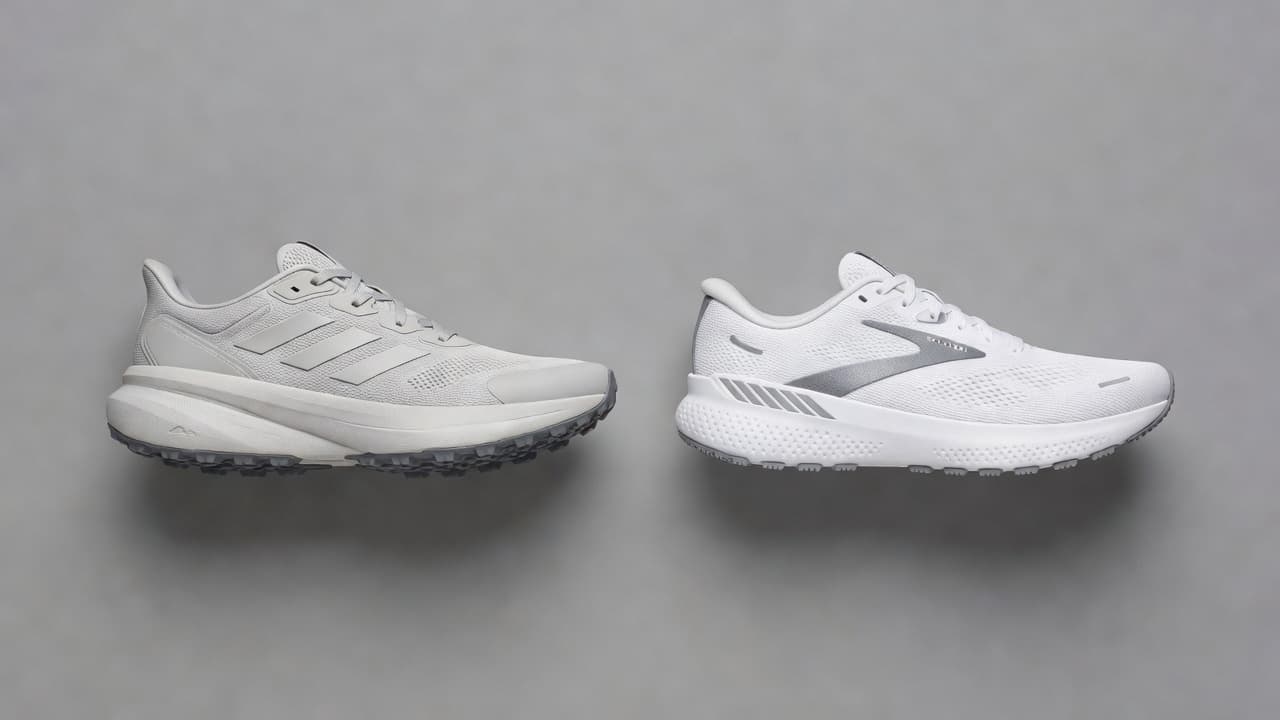 If you want a broader look at budget-friendly options, the best running shoe reviews page is a helpful place to compare similar models. Here, the easier question is simple: which shoe matches the way you move and train?
Build Your Complete Race-Day Setup
The right shoe helps, but faster racing comes from better training, pacing, recovery, fueling, and execution.
More Guides for This Shoe
Who the Adidas Galaxy 8 makes sense for
The Galaxy 8 is a practical choice for runners who want one shoe that can do a little of everything without costing much. It fits beginners, casual runners, walkers, and anyone who wants a low-stress shoe for short daily use.
This shoe makes the most sense for easy jogs, treadmill sessions, walking workouts, and basic fitness routines. If you are building consistency and don’t need a highly tuned ride, the Galaxy 8 is easy to understand and easy to live with.
It also works well if you want a simple backup pair for errands, gym days, or travel. The main appeal is value, because it gives you a straightforward training shoe without asking you to pay for extras you may never use.
For runners who are still figuring out what they like, that matters. A shoe like this lets you test the waters before you buy something more specific.
Who the Brooks Trace 4 makes sense for
The Trace 4 fits runners who want a stable-feeling neutral shoe for everyday use. It is a solid match for beginner training, easy mileage, and treadmill runs, especially if you want your shoe to feel balanced and dependable.
This is the kind of model that helps when your runs stay simple. Think recovery jogs, short neighborhood loops, or steady indoor miles where comfort and predictability matter more than speed.
Brooks also tends to appeal to runners who like a more guided, composed feel underfoot. The Trace 4 is a good option if you want something that feels familiar right away and does not demand an adjustment period.
For people comparing the Galaxy 8 and Trace 4, the difference is often about feel. The Adidas shoe suits the runner who wants an affordable all-purpose trainer, while the Brooks shoe fits the runner who wants a neutral daily shoe with a steadier ride.
How the fit feels on foot: sizing, toe room, and lockdown
Getting the right fit is the most important part of choosing any running shoe. When comparing the Adidas Galaxy 8 vs Brooks Trace 4, you will notice distinct differences in how each upper manages your foot. Whether you prefer a snug hold or a bit of extra wiggle room, understanding these structural nuances helps you avoid common issues like hotspots or heel slippage.
Adidas Galaxy 8 fit and upper feel
The Adidas Galaxy 8 uses a lightweight mesh upper that prioritizes simplicity and breathability. The material is soft to the touch, which helps reduce irritation during longer sessions. You will likely find the fit to be relatively standard, fitting true to size for most runners. The forefoot offers a moderate amount of space, though it isn’t overly wide. If you have particularly wide feet, you might feel a bit of pressure along the sides of the toe box.
The collar and tongue are moderately padded, providing a cozy feel without adding unnecessary bulk. This padding creates a secure hold around your ankle, preventing the shoe from sliding during easy jogs. The midfoot is held in place by the lacing system, which integrates well with the upper to lock your foot onto the platform.
- Upper construction: Breathable, engineered mesh that adapts to your foot shape over time.
- Lockdown: Firm, standard lacing keeps the foot centered during lateral movements.
- Foot shape compatibility: Works best for average-width feet; runners with wider feet may need to consider their size carefully.
Brooks Trace 4 fit and upper feel
The Brooks Trace 4 provides a slightly more accommodating fit compared to the Adidas option. The engineered mesh in the forefoot feels generous, offering plenty of room for your toes to splay naturally. This makes it a great choice for runners who prefer a less restrictive feeling in the front of the shoe. If your feet tend to swell during longer runs, this extra room is a welcome feature.
The heel area uses a molded counter that hugs your foot, ensuring your heel stays firmly in the cup. Brooks designs the midfoot to offer a structured, reliable hold that feels secure without being aggressive. You will notice the padding is balanced, favoring long-term comfort for daily use rather than a performance-focused race fit.
- Forefoot shape: More forgiving and spacious, ideal for natural toe splay.
- Heel security: Features a supportive, well-padded heel counter for a stable ride.
- Daily use comfort: Designed for long sessions, making it less likely to cause blisters or irritation over time.
You can often find more detailed breakdowns on how these materials perform by visiting our running shoe reviews hub. Whether you choose the Galaxy 8 or the Trace 4, both models are built to handle the demands of everyday training comfortably. Taking the time to understand these fit profiles ensures your next pair of shoes feels great from the very first mile.
Cushioning and ride: which shoe feels softer, firmer, or more responsive?
The way a shoe lands and transitions determines whether you enjoy your daily miles or count down the minutes until you reach the front door. Both the Adidas Galaxy 8 and the Brooks Trace 4 aim for comfort, but they get there using different materials and designs. Understanding how they handle impact helps you decide which ride matches your personal running style.
Adidas Galaxy 8 cushioning on easy miles
The Galaxy 8 focuses on a consistent, basic feel that works well for those who keep their runs simple. It uses Cloudfoam cushioning, which provides a reliable, middle-of-the-road softness. It does not feel like a high-end, bouncy super-shoe, but it does absorb impact effectively during casual jogs and gym workouts.
When you strike the ground, you get enough protection to keep your joints from feeling sore after a few miles. However, this foam feels slightly firmer than some premium daily trainers. This firmness is an advantage if you dislike the “sinking” feeling found in softer, mushier shoes. It creates a stable platform that helps you feel connected to the ground, which is helpful for beginners who are still working on their landing mechanics.
This shoe is a solid match for:
- Short, easy recovery runs where you want a reliable, no-fuss ride.
- Daily walking or standing for long periods.
- Runners who prefer a firmer, more direct feel rather than extreme plushness.
While it lacks the high-level energy return found in more expensive models, it provides a stable and predictable sensation. If you want a straightforward trainer that does not complicate your stride, the Galaxy 8 is a sensible option.
Brooks Trace 4 cushioning on daily runs
The Trace 4 takes a different approach by focusing on a smooth, balanced transition from heel to toe. It uses Brooks DNA Loft cushioning, which feels slightly more refined and consistent than what you find in the Galaxy 8. You will notice a bit more softness when you first step into the shoe, yet it maintains enough structure to keep your gait cycle feeling efficient.
This model shines on steady, everyday runs where you want a shoe that disappears on your feet. It offers more ground feel than the Galaxy 8, but it manages impact with better fluidity. If you enjoy a ride that feels springy but not mushy, the Trace 4 hits that sweet spot quite well. It provides a more polished experience for runners who appreciate a slightly more “lively” feel during their training.
The ride is particularly well-suited for:
- Steady-state daily miles where you want a balance of comfort and responsiveness.
- Runners who prefer a smooth, predictable heel-to-toe transition.
- Those who want a versatile shoe that handles long walks as well as it handles light jogging.
Compared to the Adidas option, the Trace 4 feels slightly more sophisticated in its cushioning delivery. While the Galaxy 8 is all about basic, dependable utility, the Trace 4 offers a more cushioned, comfortable ride that feels geared toward frequent daily training. If you are looking for comfort that lasts throughout your week, the internal components of the Trace 4 provide a more premium experience.
Traction, stability, and everyday durability
When you look at the Adidas Galaxy 8 vs Brooks Trace 4, you are comparing two shoes built for different kinds of daily stress. Both models handle standard pavement well, but their outsoles and upper constructions dictate how long they last and how they feel on varied terrain.
Where the Adidas Galaxy 8 handles best
The Adidas Galaxy 8 thrives on predictable, dry surfaces. Its outsole features a standard rubber pattern that provides decent grip on smooth sidewalks and asphalt. If you spend most of your time on neighborhood roads or flat treadmill belts, you will find this shoe reliable. It holds up well enough for moderate walking and easy fitness classes, making it a functional choice for someone who keeps their activity on level ground.
However, the shoe has limits. The rubber coverage is thinner than what you find on dedicated high-mileage trainers. Because the lugs aren’t particularly aggressive, you might feel a bit of slippage if you encounter slick surfaces or wet leaves. Tight turns on damp gym floors can also feel less secure compared to more technical models.
In terms of durability, the upper mesh is functional but prone to snagging if you run on rugged trails with brush or thorns. The outsole rubber will likely show signs of wear after several hundred miles, especially near the heel where most runners strike. For a budget-friendly shoe, it is best to view this as a primary choice for road-based training where the surface is consistently hard and dry.
Where the Brooks Trace 4 handles best
The Brooks Trace 4 feels more like a dedicated road workhorse. It uses a thicker, more durable rubber compound across the outsole that offers a firmer grip on various road conditions. Whether you are running on concrete sidewalks or asphalt, the shoe provides a stable platform that helps you feel grounded throughout your stride.
One of the standout features of the Trace 4 is its consistent stability. The wider base under the heel helps when you navigate uneven pavement or take corners during a run. This stability makes it a dependable companion for daily training, as you don’t have to worry about the shoe feeling mushy or unstable underfoot. You can count on it for consistent traction even on light gravel or smooth dirt paths, which adds a bit of versatility to your routine.
Regarding long-term wear, this model typically outlasts the Galaxy 8. The rubber is designed to handle the friction of daily miles without peeling or wearing down prematurely. The upper material feels slightly tougher as well, resisting abrasions better during frequent use. If you want a shoe that stays reliable from month one through month six of a training cycle, this model is the more dependable pick for your closet.
Which one gives you better value for the price?
When you look at the Adidas Galaxy 8 vs Brooks Trace 4, you are weighing two distinct approaches to budget-conscious training. Price tags often suggest how much a shoe offers, but the real value comes from how often you actually want to wear the pair. One option wins if you need a basic tool, while the other earns its keep through versatility.
Best value if you want the cheaper everyday shoe
The Adidas Galaxy 8 sits firmly in the “utility” category. You pay for a functional, straightforward shoe that covers the essentials without extra weight or complexity. If you only need a trainer for short gym sessions, occasional walks, or light jogs, this is a clear winner. You are not paying for advanced energy return or premium upper materials. Instead, you get a reliable platform that does the job.
This shoe is the best value if you want to keep costs low while still having a dedicated pair for physical activity. It handles the basics well, so you don’t feel like you are sacrificing quality for the price. If your training routine remains simple, you gain little by spending more on features you might not use.
- Cost-effective performance: You get a durable enough outsole for road use without the high markups of premium models.
- Minimalist design: The simple construction makes it an excellent choice for a secondary gym or travel shoe.
- Reliable fit: It covers your feet comfortably without asking for a significant investment.
Choosing this path means you recognize your specific needs. If you know your runs will stay short and predictable, this model keeps your wallet happy while keeping your feet moving.
Best value if you want the better all-around trainer
Paying a bit more for the Brooks Trace 4 makes sense when you plan to use your shoes frequently. This model acts as a true all-around trainer. Because it features more refined cushioning and a structured upper, it handles longer efforts and diverse terrain with more ease. You pay for the added comfort and the durability that keeps the shoe feeling fresh even after 200 miles of consistent use.
If you enjoy running a few times a week, the jump in price delivers a noticeable return on investment. The ride is smoother and less taxing on your joints, which helps you stay consistent with your training goals. When a shoe feels better on your foot, you are more likely to lace them up and head out the door. That is where the real value hides.
- Enhanced longevity: The premium rubber compounds and construction methods mean you replace these shoes less often.
- Superior ride quality: You get a more fluid transition, making the shoe feel like a partner rather than just equipment.
- Added versatility: The balance of support and cushion allows it to handle everything from easy miles to steady-state tempo runs.
Spending the extra money here isn’t just about the brand name. It is about investing in your comfort for the next few months of training. If you prioritize how your body feels during and after a run, the Trace 4 provides a higher tier of satisfaction that justifies the higher price point. If you want to see how this compares to other daily trainers, our best running shoe reviews can help you weigh your final decision.
Making your choice between the Adidas Galaxy 8 vs Brooks Trace 4
Deciding between these two shoes ultimately comes down to your personal training goals. Neither shoe is objectively better than the other, but they serve different roles in a runner’s closet. Your choice depends on how much you run, where you run, and what kind of feedback you want from the ground.
Pick the Adidas Galaxy 8 if you want
Choose the Galaxy 8 if you need a simple, reliable shoe for light activity. It is the better option if you are a casual runner who logs low mileage or someone who spends as much time walking as jogging. This shoe offers a straightforward, no-frills experience that works perfectly for short sessions.
The Galaxy 8 is an excellent entry point into running because it keeps things uncomplicated. You get a secure fit and a stable ride that handles the treadmill or neighborhood sidewalks without feeling overly engineered. If you want a shoe that transitions from a morning walk to a quick gym workout, this model is a practical, budget-friendly companion.
You should consider this model if:
- You are new to running and want an affordable, versatile starter shoe.
- Your routine consists mostly of short, easy-effort jogs and gym exercise.
- You prefer a firmer feel underfoot that keeps you connected to the ground.
- You want a lightweight trainer that does not take up much space in a gym bag.
Pick the Brooks Trace 4 if you want
Select the Trace 4 if you are looking for a dedicated daily trainer that handles more frequent, consistent miles. It provides a more refined ride that holds up well during steady training blocks. If you plan to run three or four times a week, the added durability and cushioning make this the more comfortable investment.
The Trace 4 is a workhorse for runners who want a stable, neutral shoe that feels predictable every time you lace it up. It offers enough structure for longer outings and enough responsiveness to keep your legs feeling fresh. This shoe is a smarter choice if you value consistent comfort on varied road surfaces over the simple utility of a basic fitness shoe.
You should choose this model if:
- You run several times a week and want a shoe built to last.
- You prioritize a smooth, cushioned transition from heel to toe.
- Your feet need a more forgiving, spacious fit in the forefoot.
- You want a reliable partner for building your fitness and increasing your weekly mileage.
Whether you lean toward the simplicity of the Galaxy 8 or the refined ride of the Trace 4, your choice should match your current training volume. For more help with selecting gear that fits your specific needs, you can visit our running shoe reviews to see how other models stack up. Ultimately, the right shoe is the one that gets you out the door and keeps you moving comfortably.


