

Adidas Evo SL vs Nike Pegasus Plus: Which Speed Trainer Wins?
You stand on the track, heart racing, searching for that specific shoe to shave seconds off your personal best. Finding the right pair often feels like a constant search for the perfect balance between responsiveness and weight. When you compare the Adidas Evo SL vs Nike Pegasus Plus, you are really looking at two distinct philosophies on how a speed trainer should feel under your feet.
These shoes represent the top tier of innovation for runners who prioritize quick turnover and efficiency. While both models aim to help you run faster, their foam geometry and upper designs offer different experiences for your daily workouts. Choosing between them depends on how you prefer your ground contact and energy return to feel during those hard efforts.
Both trainers are excellent, but one will align better with your specific running mechanics. Read on to see which model deserves a spot in your rotation.
Understanding the Adidas Evo SL vs Nike Pegasus Plus Rivalry
The choice between the Adidas Evo SL and the Nike Pegasus Plus reveals a shift toward versatile speed trainers. Runners now expect footwear that handles daily miles while maintaining the snap needed for interval work. Both brands focus on balancing soft landing sensations with a firm, responsive push. This mid-tier category caters to those who want one shoe for both recovery runs and tempo sessions.
The Design Philosophy Behind Adidas
Adidas prioritizes a mechanical consistency that rewards repetitive, high-cadence strides. Their engineering approach often relies on tuning foam density to create a predictable landing platform.
You notice this immediately in the Evo SL, which avoids excessive stack heights to keep your center of gravity low. By keeping the foot closer to the ground, Adidas allows you to feel more connected to the surface during cornering or track work.
The brand relies on proven materials that hold their shape over long periods of use. You can expect the foam to maintain its energy return properties well after the upper shows minor wear. This emphasis on durability keeps the shoe in your rotation for months. If you appreciate a stable, no-nonsense platform that feels reliable at various speeds, this design direction fits your needs.
The Evolution of the Nike Pegasus Line
The Pegasus line maintains its status by slowly refining its geometry rather than resetting the concept. For decades, it stood as the workhorse for daily training, but the market now demands more pop from daily miles.
The Pegasus Plus integrates newer, more resilient foam compounds to satisfy this need for responsiveness. It moves away from the traditional, firmer feel of previous iterations to offer a ride that feels springy underfoot.
Runners looking for more life in their long runs find this update particularly effective. It bridges the gap between a sluggish recovery trainer and a specialized racing flat.
Because the shoe retains a familiar silhouette, the transition feels natural for longtime fans. The added bounce keeps your legs feeling fresh during the final miles of a marathon-pace effort. You essentially get a modern, high-energy shoe that maintains the classic, accommodating fit runners expect from the Pegasus family.
Comparing Cushioning and Energy Return
The ride of a speed trainer depends on how the midsole foam manages force upon impact. Both the Adidas Evo SL and the Nike Pegasus Plus utilize modern compounds designed to minimize energy loss, but they achieve this through different mechanical properties. You will notice distinct differences in how each shoe compresses under your weight and snaps back during the toe-off phase.
Which Foam Offers More Bounce?
The Nike Pegasus Plus feels inherently springier due to the composition of its updated foam. When you strike the ground, the material provides a distinct sensation of compression followed by a quick, lively rebound. This is helpful for runners who struggle with heavy-feeling legs during the middle stages of a track running workouts session. If you want a shoe that actively assists in maintaining turnover, the Pegasus Plus is likely your preference.
In contrast, the Adidas Evo SL prioritizes a more controlled and grounded return. The foam feels denser, which results in a consistent sensation that doesn’t fluctuate as your fatigue levels rise. It won’t give you that trampoline effect found in softer trainers, but it provides a reliable platform for precise foot placement. You may find the Adidas option superior if you prefer a predictable ride over one that feels bouncy or unstable at high speeds.
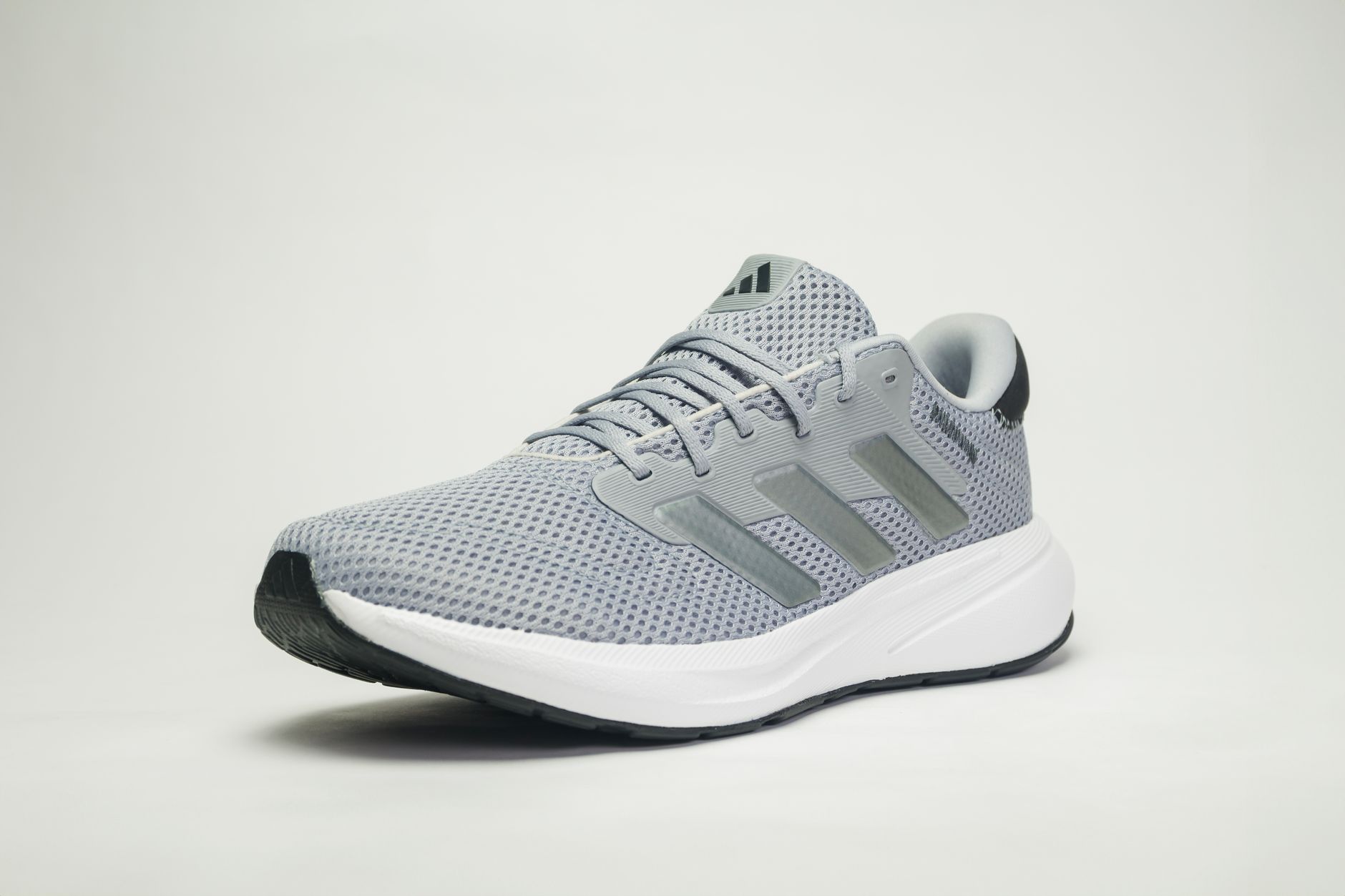
Photo by Márcio Carvalho
Stability and Ground Feel During Tempo Runs
Your ability to corner and accelerate depends heavily on the stack height and geometry of your trainers. The Adidas Evo SL keeps your foot closer to the track surface, providing a sharp connection to the ground. This lower profile is an advantage during tight turns or intense speed intervals where lateral stability matters. You gain a sense of security and control because your center of gravity remains low and steady.
The Nike Pegasus Plus features a slightly higher stack height to accommodate its specialized cushioning. This geometry creates a smoother transition from heel to toe, which is useful when you hold a steady, fast tempo for several miles.
While you sacrifice a bit of that raw ground feel, you gain comfort and protection against repetitive impact. Runners often choose between these two based on their biomechanics. If you land with a heavy heel strike, the Pegasus Plus provides more forgiveness; if you prefer a forefoot strike and quick engagement, the lower stack of the Adidas Evo SL offers more direct feedback.
Upper Construction and Lockdown Performance
The way a shoe hugs your foot dictates how much energy you transfer into your stride. A sloppy upper forces your muscles to work overtime just to stabilize your foot inside the shoe. When you push for speed, you need an upper that acts as an extension of your body rather than a loose layer of fabric.
Both the Adidas Evo SL and the Nike Pegasus Plus utilize modern materials to create a secure environment, though they achieve this through different engineering choices. Your ability to maintain a steady pace during track work depends on how well these materials hold your foot in place under pressure.
The Importance of a Secure Fit
Foot lockdown is the difference between a confident stride and a hesitant one. When you hit a sharp turn on the track or accelerate suddenly, your foot naturally wants to slide inside the shoe. A secure upper prevents this movement, allowing you to focus entirely on your running form and technique instead of compensating for a shifting platform. Proper lockdown ensures that the force you generate pushes you forward rather than dissipating into the space between your foot and the shoe wall.
When you work on your mechanics, you want your equipment to provide consistent feedback. A loose heel counter or a stretch-prone mesh upper can ruin your concentration during intense speed intervals.
By keeping the foot locked in a neutral, supported position, you reduce the risk of blisters and lateral rolling. This structural integrity allows you to push harder into the ground. When your foot feels secure, you develop more confidence in your stride, which is a key component when you are fine-tuning your efficiency.
Breathability for Long Summer Miles
Running in the heat requires gear that manages moisture and airflow to keep your feet comfortable. A heavy or non-breathable upper creates a humid trap, which leads to swelling and discomfort as you log those longer summer miles. The Adidas Evo SL and the Nike Pegasus Plus prioritize lightweight, open-weave fabrics to maximize ventilation. These materials allow heat to escape, ensuring your feet stay cooler even when the humidity rises during your midday training sessions.
Durability is just as important as airflow when you invest in a performance trainer. You want an upper that maintains its tension and structure after dozens of long runs in harsh conditions.
While thinner meshes provide superior cooling, they often sacrifice longevity. The balance between these two factors defines how the shoe holds up over the entire training cycle. A high-quality upper in a speed-focused trainer like these maintains a secure lock even when soaked with sweat. This reliability ensures that the fit you feel at the start of a workout remains identical to the fit you feel in the final, grueling miles.
Outsole Durability and Traction on the Pavement
The connection between your shoe and the road determines your confidence during fast efforts. When comparing the Adidas Evo SL vs Nike Pegasus Plus, the outsole design plays a major role in how you handle wet pavement and debris. Manufacturers balance rubber thickness against the need to keep the total weight of the shoe low. Thicker rubber lasts longer but adds bulk, while thinner coverage saves weight at the cost of premature wear.
Handling Wet Surfaces and Debris
Traction performance often depends on the rubber compound and the pattern of the lugs. The Nike Pegasus Plus utilizes a rubber layout that performs well on standard pavement, even when conditions turn damp. It finds enough bite to keep you upright during sharp turns, though it can struggle slightly on slick painted lines or metal grates. You should always watch your step on high-contrast surfaces during a storm, as even the best speed trainers find limits on non-porous materials.
The Adidas Evo SL features a firmer rubber density that resists debris accumulation. Smaller stones or gravel rarely get stuck in its tread pattern, which keeps your transition smooth and silent on the track or road. Its contact patch is wide, offering a secure feel when you push through corners.
If you frequently train on debris-strewn urban streets, you will appreciate how this outsole clears itself quickly. Both shoes provide enough grip for most road conditions, but your preference for a firmer or more pliable connection will decide the winner for your daily miles.
Balancing Weight and Longevity
Weight savings drive the design of modern speed trainers. By removing excess rubber, designers lighten the load on your feet, but this thinning process often accelerates outsole wear. You might notice that the high-contact areas beneath the forefoot show signs of smoothing after several hundred miles. High-mileage runners should monitor these wear points closely to ensure they maintain enough surface area for safe traction.
The Adidas Evo SL emphasizes structural longevity, often keeping its traction intact longer than many featherweight competitors. While you might feel a slight weight penalty compared to some race-day options, the trade-off is a shoe that survives months of hard training cycles.
Conversely, the Nike Pegasus Plus focuses on providing a lively ride, and its rubber profile is meant to complement the bounce of the midsole. You may find that you need to replace the Pegasus Plus sooner if you frequently train on abrasive, coarse asphalt. Choosing the right trainer involves deciding if you prioritize a few extra weeks of durability or the immediate benefits of a lighter, more responsive package.
How to Choose Based on Your Training Goals
Selecting the right trainer often comes down to the specific demands of your race calendar. Your daily habits and target distances dictate which shoe provides the most benefit to your personal progression. Whether you need a crisp, grounded feel for short intervals or extra cushion for long hauls, the right choice helps you stay consistent.
Matching the Shoe to Your Running Style
Your foot strike and stride mechanics define which shoe serves you better on the road. The Adidas Evo SL works well for runners who prefer a firm, direct platform. If you land on your forefoot or midfoot, this design encourages a quick, efficient turnover. It remains steady through tight corners, which makes it a favorite for those who prioritize control during track sessions.
Conversely, the Nike Pegasus Plus suits runners who want a bit more forgiveness during their stride. If you tend to land on your heel or appreciate a smooth roll-through during higher mileage, this shoe offers a plush sensation that helps mitigate leg fatigue. The springy nature of its foam helps maintain momentum when your form begins to drift late in a long run.
When you look at your endurance training strategy, your choice should align with your specific goals:
- For 5K and 10K training: You likely want the responsive, low-profile feel of the Adidas Evo SL. Its ability to handle high-intensity speed work makes it an ideal partner for track intervals.
- For marathon or half-marathon prep: The Nike Pegasus Plus offers better protection for your legs. The added energy return helps keep your pace steady during those long, taxing sessions where comfort becomes a priority.
Think about the surfaces you frequent most. If you spend your time on a rubber track, the stability of the Adidas model often feels more natural.
If you log most of your miles on asphalt or concrete, the Nike option helps absorb the repetitive impact that accumulates over time. Testing both options during a short run reveals which geometry best complements your natural gait. Your training cycle is a commitment to consistency, and the correct footwear is a vital tool for staying healthy while you improve.
Conclusion
The choice between the Adidas Evo SL vs Nike Pegasus Plus hinges on how each shoe interacts with your unique running mechanics.
The Adidas model provides a grounded, stable connection to the track, while the Nike option offers a bouncy, plush ride for your longer efforts. You should prioritize the sensation under your own feet rather than relying on brand loyalty or marketing claims. Testing both pairs during a short, fast effort will clarify which one supports your stride most effectively.
Your progress relies more on your consistent training schedule than any single piece of footwear. Select the pair that keeps you moving comfortably during your most intense workouts. Stick to your plan, and the results will follow.


