

Adidas Adizero Boston 12 Review
So, Adidas decided to shake things up with the Adizero Boston 12. It feels like they’re aiming for a bit of a comeback with this one, trying to recapture some of that old magic. I’ve run in past versions, and they were okay, but never really blew me away. This latest iteration seems to be leaning more towards being a reliable daily trainer, which is a pretty big shift from what it used to be. Let’s see if this new direction for the adidas Adizero Boston 12 actually works out.
Key Takeaways
- The adidas Adizero Boston 12 has been updated to function more as a daily trainer, moving away from its previous reputation as a purely fast shoe.
- It features a combination of Lightstrike Pro and Lightstrike 2.0 foams, offering a softer and more responsive feel, especially in the forefoot.
- The shoe incorporates glass fiber Energy Rods, providing some structure and a snappy ride without a full carbon plate.
- The engineered mesh upper is breathable and designed for a secure fit, though some might find the toe box a bit snug.
- With Continental rubber on the outsole, the adidas Adizero Boston 12 offers good traction and durability, making it a solid choice for everyday mileage and tempo runs.
Adidas Adizero Boston 12: A New Era
The Evolution of the Boston Line
The Adidas Adizero Boston line has seen some pretty significant changes over the years. For a long time, it was known as a shoe that could handle some speed work but was also light enough for daily miles. Then, around version 10, Adidas decided to give it a major overhaul, making it higher stacked and stiffer. This shift definitely changed the feel, and while some runners loved the new direction, others missed the older, more nimble versions. It felt like a shoe that was trying to be a lot of things at once.
Transition to Daily Trainer
Now, with the Boston 12, Adidas seems to be leaning more into the idea of a daily trainer. It’s not quite the same shoe as its predecessors from before version 10, but it’s definitely moving away from being solely a
Performance and Ride Characteristics
Alright, let’s talk about how the Adidas Adizero Boston 12 actually feels when you’re out there pounding the pavement. This shoe has definitely shifted gears from its predecessors, and honestly, it feels pretty good.
Midsole Foam Composition
The big story here is the foam. Adidas has mixed things up by incorporating Lightstrike 2.0 alongside their Lightstrike Pro, which you usually find in their faster racing shoes. What does this mean for you? Well, it’s not as firm as the Boston 10 or 11 were. It feels softer, especially in the heel, and you don’t really need a break-in period. It’s still got a bit of a firm edge, but it’s a much more pleasant kind of firm, not the ‘running on a brick’ kind. The combination gives you a nice balance of impact dispersion and responsiveness. It feels lighter on foot, which is always a win.
Energy Rods and Flexibility
Remember those Energy Rods? They’re back, but they’ve tweaked them for the Boston 12. The main change is that the forefoot feels noticeably more flexible now. This is a pretty big deal because the previous versions were almost too stiff up front. This added flexibility helps with the transition from landing to toe-off, making the ride smoother, especially when you start picking up the pace. It feels less like the shoe is fighting you and more like it’s helping you roll forward. It’s a subtle change, but it makes a difference.
Forefoot Feel and Transition
When you’re running, the transition from heel to toe feels pretty smooth. There’s a slight bevel on the lateral heel that helps guide your foot, and the rocker geometry keeps things moving forward. The forefoot, thanks to those updated Energy Rods, has a bit more give, which is great for faster running. It doesn’t feel harsh, and you get a decent sense of the ground without being jolted. It’s a shoe that encourages you to run a little faster, but it’s still comfortable enough for those longer, easier miles. It’s a versatile ride that feels good whether you’re cruising or pushing the pace. You can check out some of the best Adidas running shoes to see how it compares.
Upper Design and Fit
Engineered Mesh Construction
The upper of the Adizero Boston 12 uses an engineered mesh that feels pretty light. It’s not super stretchy, which helps it hold your foot in place, but it does give a bit over time. When I first put them on, the toe box felt a little low, but it seemed to open up a bit after a few runs, allowing for some foot swelling on longer efforts. It’s a decent material, but some might find it a tad scratchy, so wearing good socks is probably a good idea.
Lacing System and Lockdown
The lacing system here is a bit unique. It feels like it’s designed to stay put once you tie it, which is nice because you don’t have to fiddle with it mid-run. However, some runners have noted that the midfoot lockdown isn’t the most secure, especially if you’re making quick turns or moving laterally. It feels pretty good when you’re just running straight ahead, but anything else might feel a little less stable.
Toe Box and Heel Fit Considerations
When it comes to the fit, the heel has a counter, but it doesn’t have a ton of padding. This means it locks down pretty well for some, but if you’re sensitive to heel counters, you might feel some irritation, especially on longer runs. The midfoot is generally a normal to slightly narrow fit, and the forefoot is also pretty standard. Overall, it’s a fit that leans towards performance, so it’s snug but not overly plush.
The upper aims for a secure, performance-oriented feel. While it generally does a good job of holding the foot, especially for forward motion, some runners might find the heel padding a bit minimal and the midfoot lockdown less than ideal for sharp directional changes. It’s a trade-off for the lighter weight and streamlined design.
Outsole and Durability
Continental Rubber Grip
The Adizero Boston 12 comes equipped with Continental rubber on its outsole, a material known for its impressive grip, similar to what you find on car tires. This means you can expect solid traction whether you’re running on wet roads or even some light, dry trails. I’ve taken these shoes out in the rain and on some sandy paths, and honestly, the grip felt really good, maybe even better than some dedicated trail shoes I’ve tested.
Outsole Design for Traction
Adidas has put a lot of thought into the outsole’s design to make sure it works well on various surfaces. The pattern and the placement of the Continental rubber seem to work together to provide a consistent feel underfoot. While it’s primarily a road shoe, it handles packed dirt and grass without much fuss. However, if you plan on hitting more technical trails, you might find small rocks getting stuck in the outsole grooves, so sticking to smoother surfaces is probably best.
Overall Durability Expectations
Durability is a strong suit for Adidas, and the Boston 12 seems to follow suit. After putting about 100 miles on my pair, they still look pretty much brand new. Based on past experiences with Adidas shoes, I’m confident these will easily last you 400 miles, if not more. Lab tests also show impressive results, with minimal wear after abrasion tests, suggesting the rubber compound is quite resilient.
The combination of high-quality Continental rubber and a well-thought-out tread pattern means the Boston 12 should hold up well over many miles, providing reliable traction and a long lifespan for your training needs.
Here’s a quick look at how the Boston 12 stacks up in durability tests compared to the average shoe:
| Test Type | Adizero Boston 12 | Average Shoe |
|---|---|---|
| Outsole Wear (mm) | 0.7 | 1.1 |
| Heel Padding Dur. | 1 | 2.6 |
| Outsole Durability | 3 | 3.3 |
As you can see, the Boston 12 performs very well, especially in outsole wear, indicating it’s built to last.
Who Should Consider the Adidas Adizero Boston 12?
Ideal Runner Profile
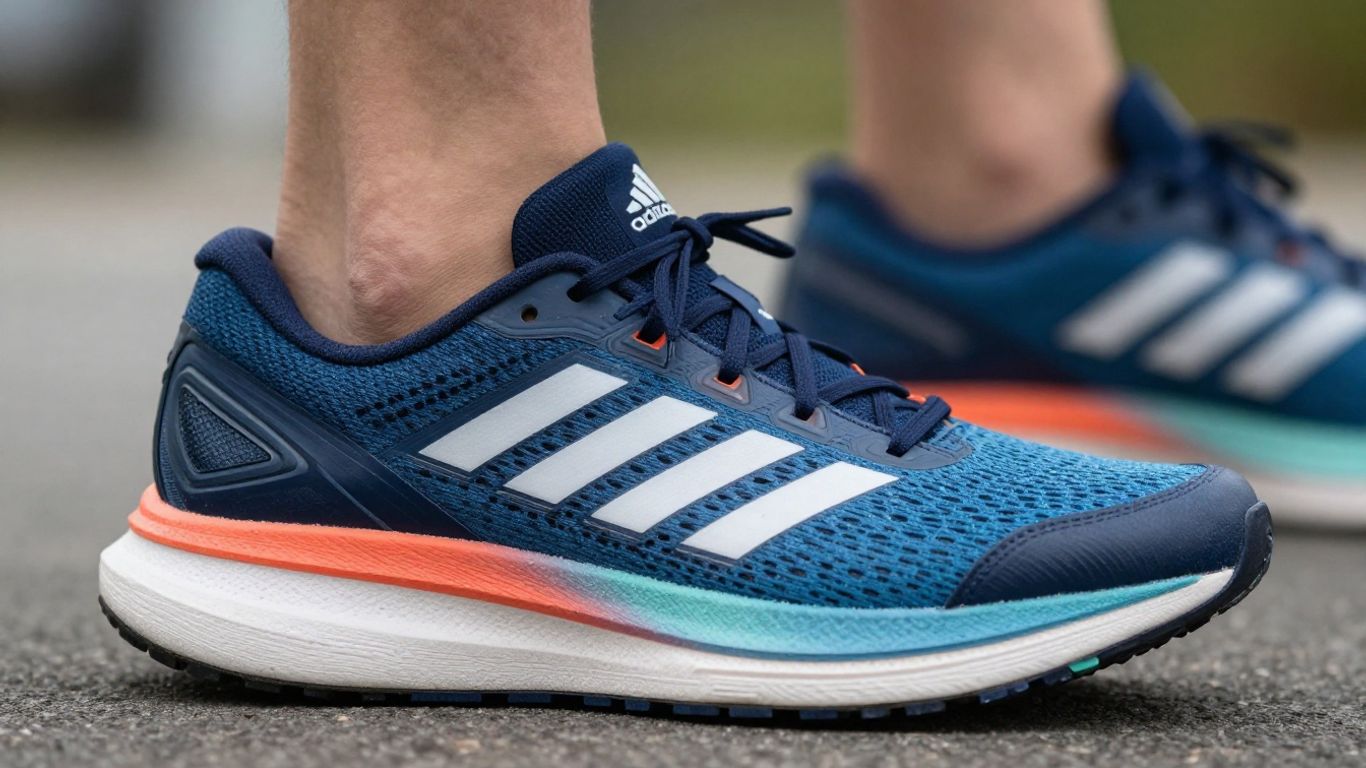
The Adidas Adizero Boston 12 really shines for runners who appreciate a shoe that can handle a bit of everything. If you’re someone who likes to mix up your runs, from easy jogs to faster tempo sessions, this shoe could be a great fit. It’s particularly good for those who land more on their midfoot or forefoot, as the design really supports that kind of stride. People who were fans of the older Boston models, maybe the Boston 9, and felt the 10 and 11 versions got a bit too heavy or clunky, will likely find the Boston 12 a welcome return to form. It’s a solid choice if you want a shoe that feels responsive without being overly aggressive.
Best Use Cases for the Boston 12
This shoe is quite versatile. It works well as a daily trainer, meaning you can log a lot of your regular miles in it. But don’t let that fool you; it’s also built for workouts. Think tempo runs, interval sessions, or even longer runs where you want a bit of pep in your step. The updated midsole and the energy rods give it a nice pop, making it feel quicker when you pick up the pace. It’s a shoe that can genuinely do a lot, from your recovery runs to your speed work, and it offers good traction thanks to the Continental rubber.
When to Look Elsewhere
Now, if you’re chasing that super soft, plush feeling underfoot, the Boston 12 might not be your top pick. While it’s softer than its immediate predecessors, it still leans towards a firmer, more responsive ride. If your priority is maximum cushioning and a really forgiving feel, you might want to check out other options. Also, runners with particularly wide or flat feet might find the fit a bit snug, especially if they prefer a more generous toe box. It’s definitely a shoe that requires a secure lockdown, so if you dislike that feeling, it’s probably not for you. For those seeking a pure speed-day racer, there are likely lighter and more specialized shoes out there, though the Boston 12 can certainly handle some faster efforts.
Weight and Specifications
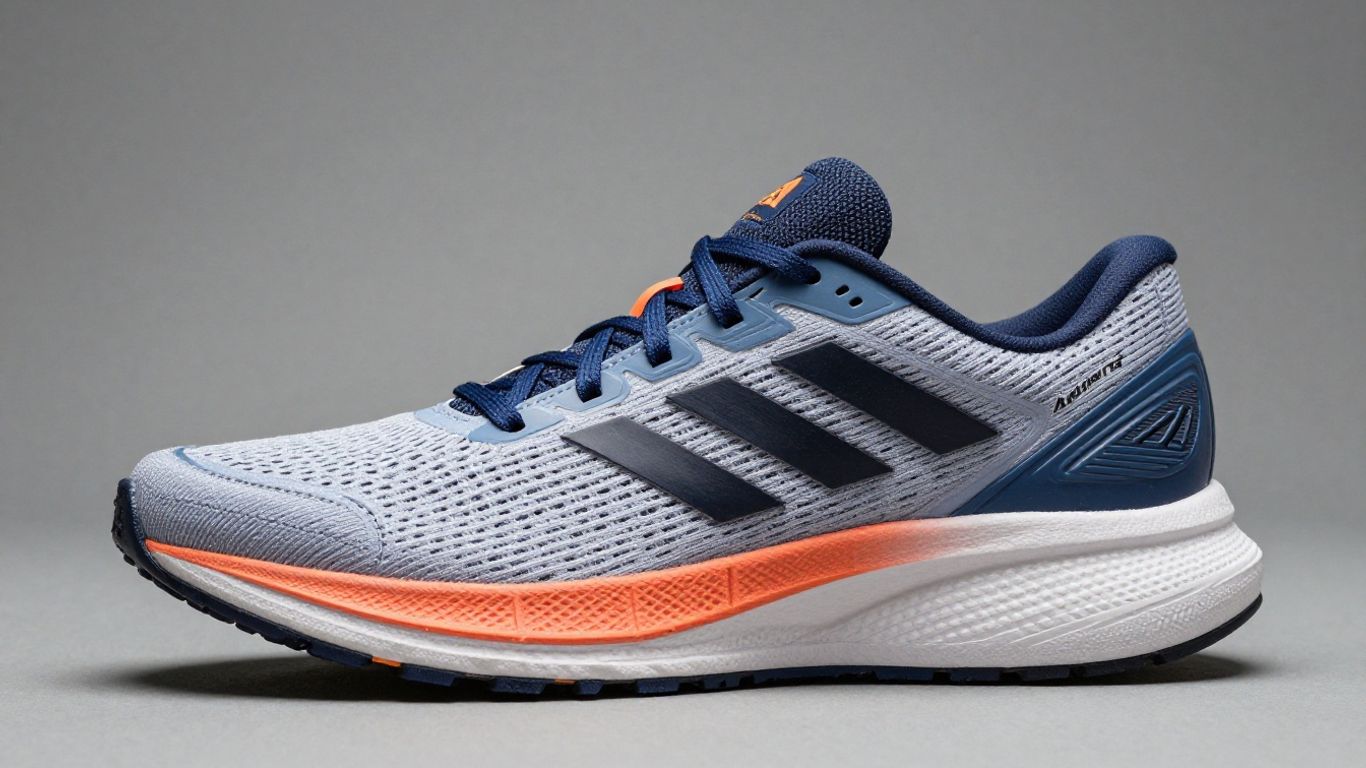
Adidas Adizero Boston 12 Weight Analysis
Adidas really dialed in the weight for the Boston 12, bringing it in at a respectable 9.2 ounces (261 grams) for a men’s size 9. This puts it right in line with other popular tempo trainers, making it feel nimble on foot. It’s a significant improvement over previous versions that felt a bit heavier, and honestly, it makes a difference when you’re trying to pick up the pace. This shoe feels ready to compete with the best lightweight trainers out there.
Heel-to-Toe Drop and Stack Height
The Boston 12 features a heel-to-toe drop of 6.1mm. This is a pretty standard drop that works well for a lot of runners, especially those who tend to land more on their midfoot or forefoot. The stack height is also worth noting: 34.5mm in the heel and 28.4mm in the forefoot. This gives you a good amount of cushioning without making the shoe feel overly bulky or unstable. It’s a nice balance for longer runs or faster efforts.
Sizing and Width Considerations
When it comes to sizing, it seems Adidas has aimed for a more true-to-size fit with the Boston 12. Many runners have found that sticking to their usual size works best, unlike some other Adizero models where sizing up might be necessary. The width is generally considered standard, though those with particularly wide feet might find it a bit snug, especially on longer runs. It’s always a good idea to try them on if you can, or at least check out reviews from runners with similar foot shapes. The insole is also removable, which is a plus if you need to use your own orthotics or want a bit more room. You can find more details on the Adidas Adizero Boston 13 if you’re curious about the latest iteration.
So, Should You Get the Adidas Adizero Boston 12?
Alright, so after putting some miles on the Adidas Adizero Boston 12, what’s the final word? Well, it’s definitely a different shoe than some of the older models, and that’s not necessarily a bad thing. If you’re looking for a solid daily runner that can also handle picking up the pace for workouts, this shoe could be a good fit. It feels pretty flexible and has a nice bounce to it, especially up front. However, if you’re chasing that super-fast, minimalist feel for your speed sessions, you might want to check out other options. It’s a good shoe, for sure, but just know it’s leaning more towards a versatile trainer than a pure speed demon. It might not be the best pick if you have wider or flatter feet, but for many, it’s a strong contender for a reliable training partner.
Frequently Asked Questions
What’s new with the Adidas Adizero Boston 12?
The Boston 12 is quite different from older versions. Adidas made it softer and bouncier, especially in the front part of the shoe. It’s now more like a shoe you can wear every day for training, not just for super-fast runs.
Is the Boston 12 good for fast running?
While it can handle faster paces and workouts, it’s not really a race-day shoe. It’s better suited for daily training and tempo runs where you want a comfortable yet responsive feel.
What kind of foam is in the Boston 12?
It uses a mix of foams. The top layer, called Lightstrike Pro, makes it feel bouncy and soft. The bottom layer, Lightstrike 2.0, is also pretty responsive and helps with a quick feel when you push off.
Does the Boston 12 have a carbon plate?
No, it doesn’t have a carbon plate. Instead, it has glass fiber rods inside the foam. These rods help make the shoe a bit stiffer and give it a stable, energetic feel without being too stiff.
Who would like the Adidas Adizero Boston 12?
This shoe is great for runners who want a durable shoe for everyday training that can also pick up the pace for workouts. It’s also good if you like a shoe with good grip and a bit of bounce.
How does the fit of the Boston 12 compare to older models?
The upper has been updated and might feel a bit different. Some people find it needs to be laced up tightly to feel secure. It generally offers a good fit, but if you have very wide or high-volume feet, you might want to try them on first.


