

Adidas Adizero Avanti Review: Built for Long-Distance Track Racing
If you’re eyeing the Adidas Adizero avanti, you’re probably after a spike that feels sharp on race day but still holds up in hard training. It gets attention because it’s built for middle and long-distance racing, with a setup that makes sense for 3,000m, 5,000m, steeplechase-style workouts, and fast reps when you want speed without wasting energy.
That balance matters because a pure sprint spike can feel too harsh, while a softer shoe can leave you wanting more snap. The Avanti sits in that middle ground, so the real question is whether its fit, ride, and price make sense for your races and workouts.
If you’re comparing it with other Adidas options, this distance spike comparison helps frame where it fits. Next, it’s worth looking at how the shoe feels on foot and who gets the most out of it.
What makes the adidas Adizero Avanti different from other racing spikes?
The adidas Adizero Avanti is built with a clear job in mind, race hard over several laps and stay efficient while you do it. That focus separates it from spikes meant for short, explosive efforts or general training. If you want a shoe that feels quick, controlled, and ready for distance pace, the Avanti makes more sense than a pure sprint spike.
Build Your Complete Race-Day Setup
The right shoe helps, but faster racing comes from better training, pacing, recovery, fueling, and execution.
More Guides for This Shoe
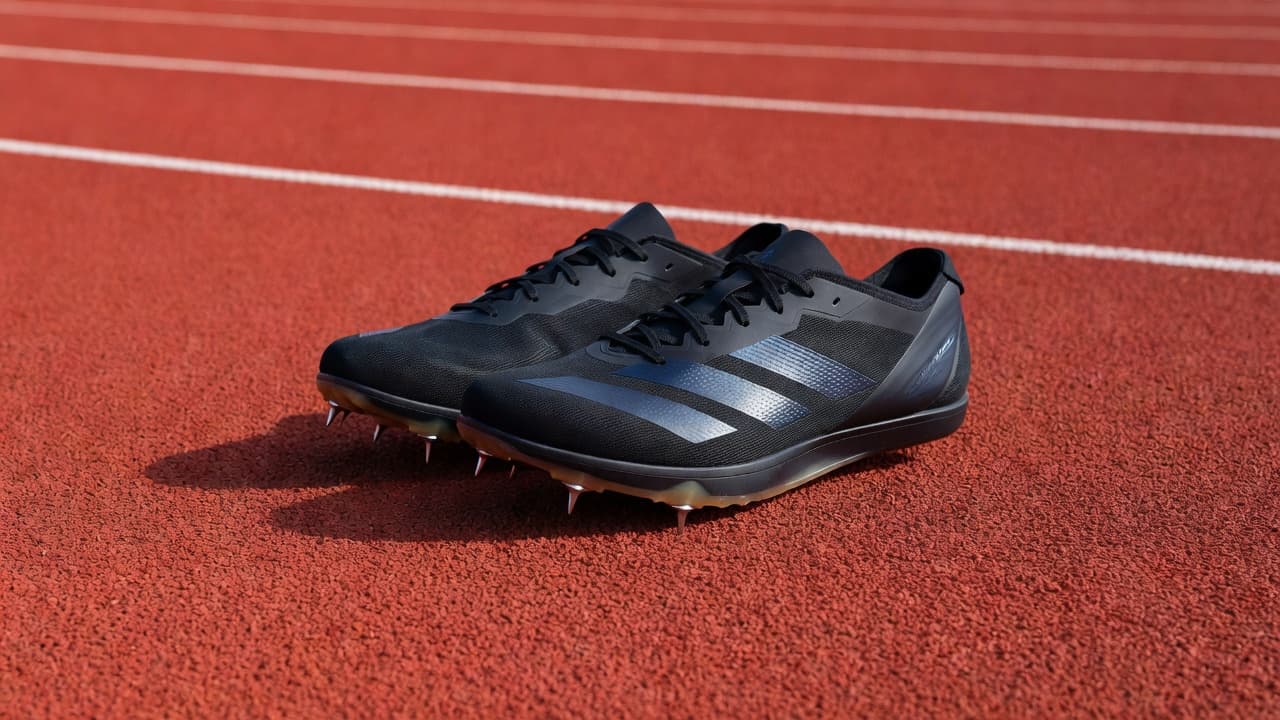
Built for speed over many laps
The Avanti is designed for repeated hard efforts, not one all-out burst. That matters in races where rhythm, turnover, and late-race form decide the result. Instead of feeling overly stiff or overly soft, it aims for a fast ride that helps you settle into pace and keep pressing when the legs start to fade.
That setup is a big reason distance runners like it. You get enough snap to feel quick on the track, but not so much aggression that the shoe starts fighting you halfway through the race. In events like the 3,000m, 5,000m, and similar track races, that balance can make the difference between staying smooth and getting sloppy.
The Avanti is a race tool, not an everyday shoe. It feels most natural when the pace is honest and the laps keep adding up.
Where it fits in the Adizero family
Within adidas’s Adizero line, the Avanti sits on the performance side of the range. It is made for track racing first, while other Adizero models lean toward road racing, tempo work, or general run use. That role matters because the Avanti is tuned for the track surface, the turns, and the pace demands of distance racing.
If you compare it with other distance spikes, the Avanti usually feels like the more race-specific choice. It is light, direct, and focused on traction and efficiency, which is why runners reach for it on meet day instead of in regular workouts. For a broader look at how track spikes differ by event, this track spike guide gives useful context.
Why distance runners care about it
Distance runners want a spike that feels fast without feeling wild. The Avanti answers that need with a race-day feel that gives confidence on the line and control in the middle of the race. It is made for competitive track work, so the fit and ride lean toward performance, not comfort-first cushioning.
Compared with many general racing shoes, it feels more direct and less forgiving. That is the point. If you care about speed, track contact, and a firm platform that supports hard racing, the adidas Adizero Avanti stands out for doing that job with very little extra baggage.
A close look at the design, plate, and upper
The adidas Adizero Avanti keeps its build focused on race-day speed. Every part, from the upper to the plate and outsole, feels aimed at helping you move cleanly and waste less energy. That matters on the track, where small losses add up fast over several laps.
The upper feels light right away, which is what you want in a distance spike. It uses a thin, airy build that keeps the shoe from feeling bulky, and that helps the foot stay cool during hard efforts. Breathability matters on race day because a hot, sweaty upper can start to feel sloppy as the pace rises.
Around the midfoot, the adidas Adizero Avanti holds the foot with a snug, race-ready fit. The heel also feels secure enough to keep the shoe stable through cornering and late-race surges. That locked-in feel gives you more confidence when you push off the curve or lean into a pack.
A secure fit matters on the track because every stride needs to feel direct. If the foot slides, you lose connection with the spike plate and waste force. For runners comparing race-day models, this track spike comparison guide gives a useful look at what to watch for in fit, plate feel, and traction.
A race spike should disappear on foot, but still hold you in place when the effort gets messy.
What the spike plate does for running form
The plate gives the Avanti its sharp, efficient feel. It helps the shoe roll the foot forward with a quick toe-off, so each stride feels ready for the next one. That kind of response is useful in races, but it also helps during hard intervals when you want speed without fighting the shoe.
The plate is firm enough to support a stable stride, yet it does not feel harsh in a way that kills rhythm. Instead, it encourages forward motion and keeps you moving in a straight line with less energy leak. For a 3,000m or 5,000m race, that steady snap can help you stay smooth when fatigue starts to creep in.
Compared with more flexible trainers, the Avanti feels more purposeful. It asks for fast turnover and rewards good form. If you want a broader look at how plate shape and race distance connect, this Adidas comparison with the Ambition helps show where the Avanti fits.
Traction on the track and on race day
The outsole and spike setup give the shoe a confident grip on oval tracks. On turns, that matters because the shoe needs to stay planted without feeling sticky or slow. In dry conditions, the pins bite well and help you push hard off each step. On damp tracks, the grip still feels practical, which gives you one less thing to worry about before the gun goes off.
This is where the Avanti feels built for racing, not casual use. The spike layout helps you hold your line through corners and keeps the shoe from skidding when you accelerate out of them. That kind of traction can make a big difference in a crowded race, where footing and balance matter just as much as top-end speed.
For a simple breakdown of spike parts and how they work together, Runners Need’s spike guide explains the basics well. In practice, the Avanti uses those parts the way a racing spike should, with enough grip to stay controlled and enough bite to keep pressure on the gas.
How the adidas Adizero Avanti feels when you run in it
The adidas Adizero Avanti offers a distinct ride that rewards runners who stay on their toes. When you lace these up, you notice the aggressive geometry and the minimal upper immediately. This shoe acts as an extension of your foot, providing a direct connection to the track surface without unnecessary bulk. It feels firm, fast, and focused. If you are moving through a series of intervals or lining up for a 5,000m race, you will appreciate how it encourages an efficient, forward-leaning posture.
Race pace feel and quick turnover
At race pace, the adidas Adizero Avanti comes alive. The stiffness of the plate forces a snappy transition from heel to toe, which helps you maintain a high turnover when fatigue sets in. You will find that the shoe pushes you to stay on your forefoot, making those middle-distance surges feel more natural than they would in a standard trainer.
During a late-race kick, the platform remains stable enough to handle aggressive, high-cadence sprinting without feeling wobbly or disconnected. It provides that essential pop off the track, turning your energy into forward momentum. The weight of the shoe is low enough that your legs feel fresh even in the final hundred meters of a hard effort.
Comfort versus performance on the track
It is important to acknowledge that the adidas Adizero Avanti prioritizes performance over plush, all-day comfort. The upper is designed to be thin and breathable to keep weight down, which means it lacks the cushioned collar or thick tongue found in daily running shoes.
You get a snug, precise fit that locks your foot in place during high-speed cornering. While this is great for racing, you might find the fit too narrow or restrictive for a long, slow cool-down session. Think of this shoe as a specialized instrument. It is meant to be worn for the duration of your workout or race and taken off immediately afterward to let your feet recover.
Stability through curves and surges
Running on the track requires a shoe that handles the constant turning of the oval. The adidas Adizero Avanti shines here because of its low profile and secure midfoot lockdown. When you hit a curve, the shoe stays planted, giving you the confidence to maintain your speed without shifting or slipping inside the shoe.
This stability is just as important during tactical races where you might need to make a sudden move to pass an opponent. Because the spike layout provides reliable traction, you can brake or accelerate on the bends with full control. You won’t feel like you are fighting the shoe during rhythm changes, which allows you to focus entirely on your racing strategy. If you want to refine your race-day mechanics, improving your track running form helps you get the most out of such responsive footwear.
Who should wear the adidas Adizero Avanti?
Deciding if the adidas Adizero Avanti is the right spike for you comes down to your primary events and how your feet respond to a firmer ride. This shoe is built for performance, meaning it prioritizes weight savings and efficiency over soft landings or extra room. If you are a competitive athlete who spends most of your time on the track during the spring, it is a strong contender. However, it is not a one-size-fits-all solution for every runner.
Best for 3,000m, 5,000m, and fast workouts
This spike excels when the pace stays honest and you need a shoe that maintains its integrity over several laps. If you specialize in the 3,000m or 5,000m, the adidas Adizero Avanti provides a stiff, responsive platform that helps you hold your form when fatigue begins to set in. It is equally effective during intense track sessions like race-pace repeats or tempo-style intervals.
Because the shoe is lightweight and direct, it rewards runners who maintain a high cadence and stay active on their feet. If you are a high school, college, or club athlete who wants a shoe that feels fast during a mid-race surge or a final kick, this is a great choice. It manages the tension of sharp turns and aggressive accelerations, making it a reliable partner for competitive racing where seconds matter.
When another spike may be the better choice
While the adidas Adizero Avanti is a top-tier racing tool, it might not be the best fit for everyone. If you are a beginner who is still developing strength in your lower legs and feet, a slightly more forgiving spike with more cushioning might serve you better. The firm plate and minimal upper can feel harsh during long, easy workouts or high-mileage training weeks.
Runners who require more room in the toe box or have wider feet might find the racing-specific fit of the Avanti too restrictive. It is built to be a high-performance, snug-fitting shoe, so it lacks the volume found in traditional distance trainers.
Furthermore, if your primary focus is short sprints like the 100m or 200m, or if you prefer road racing, you should look toward specialized gear. Sprinters need a different plate geometry for explosive power, while road runners benefit from more substantial foam protection and outsole durability.
Fit considerations for different foot shapes
The adidas Adizero Avanti features a slim profile that fits like a second skin. Most competitive runners appreciate this secure lockdown because it prevents any internal sliding during high-speed cornering or intense competition. You will notice the shoe wraps firmly around the midfoot and heel, which provides the confidence needed to stay aggressive on the track.
If you have a narrower or medium-width foot, you will likely find the fit perfect for race-day needs. The materials are thin and breathable, allowing the shoe to adapt to your foot shape as you move. On the other hand, if you typically need extra width or have a high volume foot, the snug construction might cause discomfort during longer sessions.
It is always a good idea to test the sizing carefully to ensure the toe box provides enough length for your stride. If you are new to this style of footwear, reviewing a track and field spikes guide can help you better understand what to expect regarding fit and function before making your final decision.
How to choose the right size and get the best fit
Getting the sizing right on a racing spike changes your entire experience on the track. Because the adidas Adizero Avanti uses a high-performance design, you need a precise fit that secures your foot without creating unnecessary pressure. When the shoe fits well, you stop thinking about your feet and start focusing on your race strategy.
What a proper racing fit feels like
A distance spike should feel like a second skin. It needs to be snug through the heel and midfoot, ensuring that your foot does not shift when you navigate sharp curves or accelerate suddenly. If you feel excess space around your arch or midfoot, your foot will slide, which wastes energy and increases the risk of blisters during high-intensity efforts.
Too much movement inside the shoe is a major performance drain. Every time your foot slips on the footbed, you lose a fraction of the power you intended to push into the track. A tight, secure lockdown allows you to transfer force efficiently through the spike plate. You should feel your toes reaching the front of the shoe but not scrunching. A thumb’s width of space is usually too much for a racing spike; aim for a much closer proximity to the end of the toe box.
Sizing tips before you buy
When buying the adidas Adizero Avanti, staying true to your standard running shoe size is usually the safest starting point. Because track spikes are built for a minimal, lightweight feel, they often feature a slimmer silhouette than daily trainers. If you typically wear thin performance socks, consider how that thickness impacts the internal volume of the shoe.
Try these steps to ensure you find the right fit:
- Try them on later in the day because your feet naturally swell during exercise.
- Wear your race-day socks to get an accurate sense of how the material sits against your foot.
- Stand and simulate your running gait to check if your toes hit the front of the toe box when your weight shifts forward.
- Tighten the laces to see if the upper conforms to your foot shape without pinching the bridge of your foot.
If you are between sizes, prioritize a slightly tighter fit over one that feels loose. You can always loosen the laces, but you cannot fix a shoe that is too long once you are at the starting line.
Common fit mistakes to avoid
Many runners mistakenly buy spikes in the same size as their bulky, cushioned trainers. This often leads to a sloppy fit that ruins your stability on the track. A racing shoe is not meant to feel like a training shoe; it should feel purposeful and somewhat aggressive. Expecting a plush, cushioned ride from a spike will only lead to disappointment.
Watch out for these common issues:
- Heel slip: If your heel pulls out when you walk or jog, the shoe is likely too large or the lockdown is insufficient.
- Over-sizing: Don’t leave extra room in the toe box for comfort, as this prevents the shoe from gripping the ground effectively.
- Ignoring the transition: A spike that feels okay while standing might cause issues when you move at full speed. Test your movement to ensure the heel remains locked down.
Properly fitted footwear keeps you fast and upright. If you are preparing for your next track meet, check out these tips on track training to ensure your mechanics match your gear. When the shoe fits, you gain the confidence to push the pace through the final lap.
How the adidas Adizero Avanti compares on value and durability
Finding the right balance between performance and investment is key for any track athlete. While the adidas Adizero Avanti carries a premium price point typical of elite racing gear, the value shifts significantly depending on how you use it. If you are a competitive runner, you likely see this shoe as a vital tool for race-day performance, where efficiency and weight savings directly influence your times.
Is the price worth it for serious runners?
For a casual athlete who only hits the track a few times a year, the cost of a dedicated racing spike might feel steep. However, the perspective changes for those who compete regularly. Serious runners depend on the specific geometry and stiffness of the plate to shave seconds off personal bests, and that level of precision is hard to replicate in cheaper, multi-purpose options.
When you race in the Avanti, you are paying for technical materials that keep the weight low and energy return high. A competitive runner values that connection because it protects against late-race fatigue and keeps their form sharp under pressure. If you are racing consistently throughout the season, the cost-per-use drops, making it a much more logical investment for your goals. Those who treat track meets as their primary focus usually find that the performance benefits far outweigh the upfront cost.
How long the shoe can last
Durability in racing spikes is different from your everyday trainer because these shoes prioritize speed over longevity. You should expect the outsole and the delicate upper to show wear faster if you use them for daily training on rough surfaces. The spike plate typically maintains its responsiveness for a solid season of racing, but the foam and mesh are designed to be thin and light, which makes them susceptible to wear and tear.
To extend the life of your spikes, limit their use to high-intensity interval workouts and actual race days. Avoid wearing them during warm-ups or cool-downs on non-track surfaces like concrete or asphalt. The parts that tend to show age first include:
- The outsole material: Frequent contact with the track surface eventually wears down the outer layer near the forefoot.
- The mesh upper: This thin material is prone to small tears or stretching if it gets caught on blocks or if you have a wide foot shape.
- The spike well: Over time, the threads where you screw in the spikes can loosen or become stripped if you change them too often.
If you are curious about how other gear holds up under similar race conditions, our latest running shoe guide offers insights on balancing durability with performance needs.
How it stacks up against other race-day shoes
The adidas Adizero Avanti sits in a competitive space, but it keeps its identity as a specialized distance tool. While some brands offer spikes with more foam cushioning, those options often feel sluggish when the pace spikes. Conversely, pure sprint spikes are far too aggressive and rigid for anything beyond 400m.
The Avanti sits in the middle. It provides the firm platform needed for 3k or 5k races while maintaining enough versatility to handle fast 800m repeats.
You are getting a shoe that values efficient mechanics and high-end materials. If you need a reliable racing partner that doesn’t sacrifice speed for unnecessary comfort, this model delivers exactly what you need to hit your target splits. Its value lies in that specific, focused application, ensuring you have the right gear when the gun goes off.
Conclusion
The adidas Adizero Avanti is a specialized tool for runners who demand efficiency on the track. It shines during 3,000m and 5,000m races because it balances a stiff, responsive plate with a lightweight, secure upper. If you want a spike that keeps you moving fast without the extra bulk of cushioned trainers, this is a top choice.
Your choice of footwear should align with your specific racing goals and foot shape. This spike offers a snug, direct fit that rewards high-cadence running. Before you decide, consider whether you need that firm, aggressive ride for your upcoming track workouts or if a softer option better supports your training level.
If you are a competitive athlete looking to maintain top form when the pace gets honest, this model provides the necessary control. Test the sizing carefully to ensure a locked-in feel that supports your fastest efforts. The right gear helps you stay focused on your splits, not your feet, when it matters most on race day.


