

10K Run Plan for Beginners Tips
Thinking about running a 10K but not sure where to start? You’ve come to the right place. Getting ready for a 10K as a beginner can seem a bit daunting, but with a solid plan and some smart tips, it’s totally achievable. This guide is all about helping you build up to that 6.2-mile finish line without feeling overwhelmed. We’ll cover the basics to get you going.
Key Takeaways
- A 10K is a popular race distance, about 6.2 miles, and training is important for all levels.
- Follow a structured training plan, like an 8-10 week program, to build mileage safely and avoid injury.
- Mix different types of runs: easy pace for building endurance, tempo runs for speed, and track workouts for faster paces.
- Rest days are just as important as running days for recovery and building strength.
- Listen to your body, stay hydrated, eat well, and consider cross-training for overall fitness.
Ready to level up your training and racing? Check out our library of running courses.
1. Running Shoes
Alright, let’s talk about the most important piece of gear for any runner: your shoes. Seriously, don’t skimp here. The right pair of running shoes can make all the difference between a comfortable run and one that leaves you hobbling. It’s not just about looks; it’s about support, cushioning, and how they work with your foot’s natural motion.
When you’re starting out, the sheer number of options can be overwhelming. You’ve got neutral shoes, stability shoes, minimalist shoes, maximalist shoes… it’s a lot. For beginners aiming for a 10K, a good all-around shoe with decent cushioning is usually the way to go. Think of it as a comfortable foundation for your feet. You want something that feels good the moment you put it on – no breaking-in period needed.
Here’s a quick rundown of what to look for:
- Cushioning: This absorbs impact. More cushioning means a softer ride, which is great for longer distances and protecting your joints.
- Support: This helps control how your foot moves. If your foot tends to roll inward a lot when you run, you might need a stability shoe. If your foot lands pretty straight, a neutral shoe is likely fine.
- Fit: This is non-negotiable. Your toes should have about a thumb’s width of space between them and the end of the shoe. The heel should feel snug, not slipping, and the midfoot should feel secure but not tight.
- Breathability: Look for shoes with mesh uppers that let your feet breathe. Nobody likes sweaty, hot feet!
Trying on shoes later in the day is a good idea, as your feet tend to swell a bit as the day goes on. This way, you’re more likely to get a pair that fits comfortably even on longer runs.
Don’t be afraid to go to a specialty running store. They often have staff who can watch you walk or run and help you find the best shoe for your specific needs. It might cost a little more upfront, but trust me, your feet will thank you mile after mile.
2. Yoga Mat
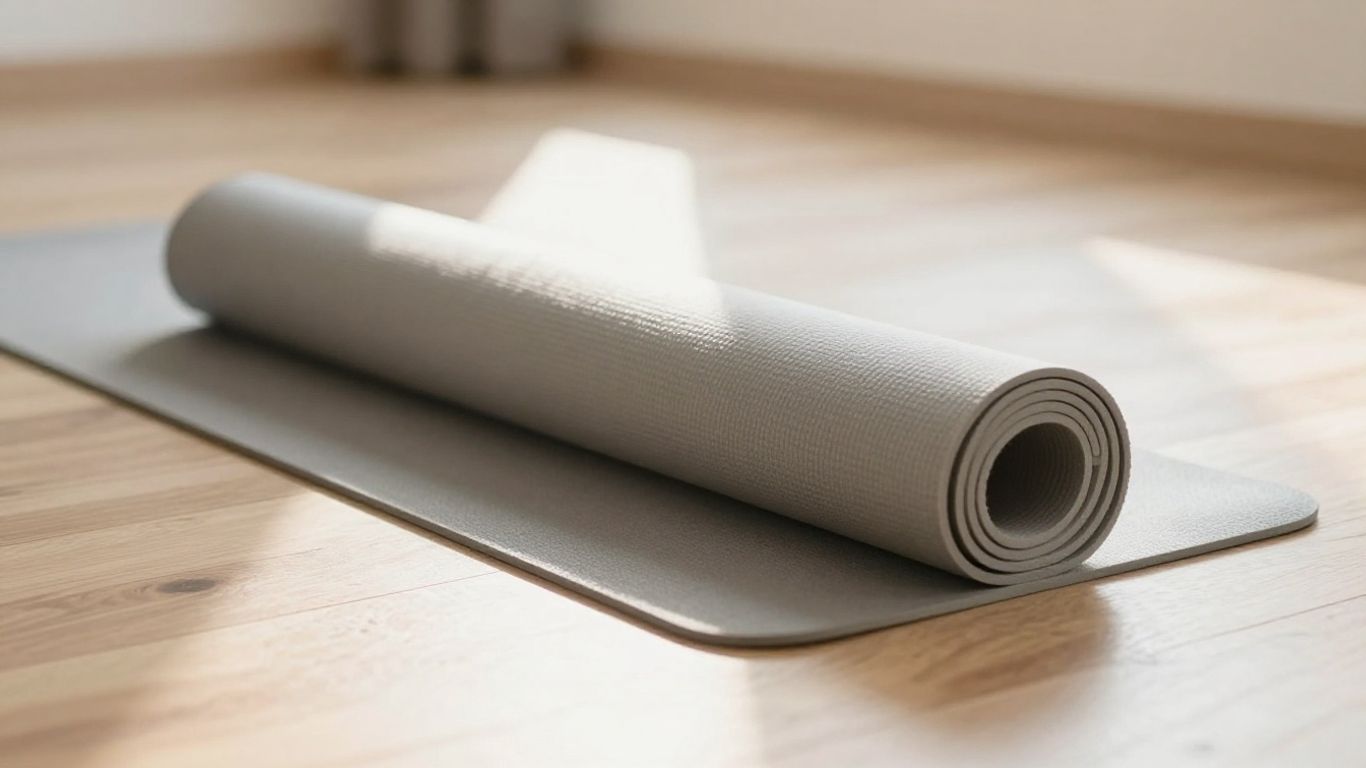
While not directly for running, a yoga mat is a surprisingly useful tool for any beginner training for a 10K. It’s perfect for those rest days or cross-training sessions that are so important for building strength and preventing injuries. Think of it as your personal recovery station.
A good yoga mat provides a stable, comfortable surface for stretching and strength work. This is key when your body is adapting to the demands of running. You’ll find that incorporating yoga or simple bodyweight exercises can make a big difference in how you feel on your runs.
Here’s how a yoga mat fits into your training:
- Stretching: After runs, or on rest days, use it for static stretches. Focus on hamstrings, quads, and calves. This helps improve flexibility and reduce muscle soreness.
- Core Work: Planks, crunches, and other core exercises are much easier and more comfortable on a mat. A strong core supports your running form.
- Yoga for Runners: Many yoga poses are specifically beneficial for runners, helping to open up hips and improve balance. You can find routines designed to complement your running schedule.
Don’t underestimate the power of flexibility and core strength. They are the unsung heroes of injury prevention and improved running economy. A simple mat makes these activities accessible right at home.
When you’re looking for a mat, consider one with decent cushioning but also good grip. You don’t want to be slipping around during your stretches. It doesn’t need to be fancy, just functional. It’s a small investment that pays off big time in keeping you healthy and on track with your 10K training plan.
More Recommended 10KM Training Program for Beginners Resources
Couch to 10K
Couch to 10K | Success Tips to PR
Transition from beginner to 10K finisher with our Couch to 10K training guide.
10K Training Program 8 Weeks | Tips to Succeed Faster
Improve speed and endurance with an 8-week beginner 10K program.
Training for a 10 K | Tips to Succeed and PR Faster
Learn essential strategies for 10K training success as a beginner.
10K Training Program for Beginners | Tips to Succeed
Start strong with a beginner 10K program to safely hit your first PR.
3. Pilates Ball
While not strictly for running, a pilates ball, often called a stability ball, can be a surprisingly useful tool for beginner runners. It’s great for building core strength, which is super important for maintaining good form when you’re out on those longer runs. A strong core helps prevent injuries and makes your running feel more efficient.
Think of it as a way to work on your stability and balance without even lacing up your shoes. You can do a bunch of exercises on it, like planks, bridges, and even some gentle back extensions. These movements target those deep abdominal and back muscles that often get neglected.
Here are a few ways to incorporate it:
- Core Strengthening: Exercises like crunches or leg raises on the ball engage your core muscles more intensely than doing them on the floor.
- Balance Training: Simply sitting on the ball and trying to maintain your balance for a few minutes can improve proprioception – your body’s awareness of its position in space.
- Flexibility and Mobility: Gentle stretches using the ball can help release tension in your back and hips, areas that can get tight from running.
Don’t underestimate the power of a strong core for runners. It’s not just about leg muscles; your entire body works together when you run. Using a pilates ball is a low-impact way to get those supporting muscles ready for the demands of a 10K. You can find plenty of routines online, but start simple. Even a few minutes a few times a week can make a difference in how you feel on your runs. It’s a good addition to your cross-training routine, alongside activities like yoga and swimming.
4. Swim Goggles
While swimming might not be the first thing that comes to mind for a 10K run plan, it’s a fantastic cross-training activity. And if you’re going to hit the pool, you’ll definitely want a decent pair of swim goggles. They keep water out of your eyes, which is pretty important if you want to see where you’re going.
When you’re picking out goggles, think about a few things. First, fit is key. You don’t want them leaking or digging into your face. Look for adjustable straps and a soft silicone seal. Second, consider the lens. Some are tinted for bright outdoor pools, while others are clear for indoor swimming. Anti-fog coating is also a big plus, so you don’t have to keep stopping to wipe them down.
Here’s a quick rundown of what to look for:
- Comfortable Fit: Soft seals, adjustable straps.
- Clear Vision: Anti-fog coating, appropriate lens tint.
- Durability: Look for brands known for making gear that lasts.
Using goggles helps you maintain a steady pace and focus on your breathing without the distraction of water in your eyes. It makes the whole swimming experience much more enjoyable and productive for your training.
5. Bike Helmet
While running is your main focus for the 10K, you might incorporate cycling as a cross-training activity. If you do, a bike helmet isn’t just a good idea; it’s a safety must-have. Wearing a helmet significantly reduces the risk of head injury in case of a fall or collision. Think of it as a non-negotiable piece of gear for any cycling you do as part of your training.
When picking out a helmet, look for one that fits snugly but comfortably. It shouldn’t wobble around on your head, nor should it feel too tight. Make sure it meets safety standards. You can usually find this information on a sticker inside the helmet. For example, many helmets meet standards like CPSC in the US. It’s worth checking out race helmet safety standards to understand what to look for.
Here are a few things to consider when choosing a helmet:
- Fit: It should sit level on your head, about two finger-widths above your eyebrows.
- Straps: The side straps should form a ‘Y’ under your ears, and the chin strap should be snug enough that you can only fit one or two fingers between it and your chin.
- Ventilation: Good airflow will keep you cooler during your rides, especially on warmer days.
- Visibility: Some helmets come with bright colors or reflective elements, which can help make you more visible to others.
Remember, even if you’re just cycling for a short cross-training session, safety should always come first. A helmet is a simple way to protect yourself while you’re out on your bike.
6. Heart Rate Monitor
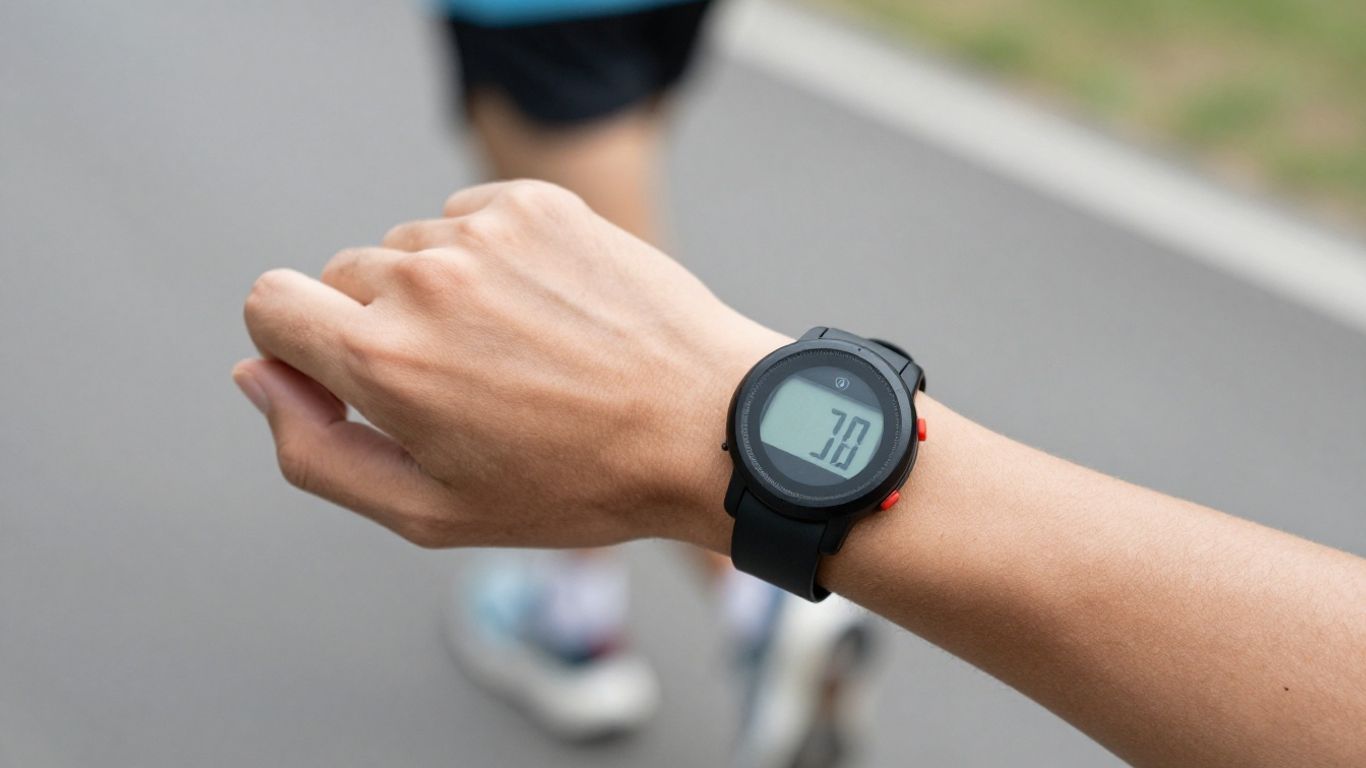
So, you’re thinking about getting a heart rate monitor for your 10K training? That’s a smart move. It’s a tool that can really help you train smarter, not just harder.
Basically, these gadgets track how fast your heart is beating while you run. This information is super useful because it tells you how intense your workout actually is. You know how sometimes you feel like you’re pushing it, but maybe you’re not quite there, or vice versa? A heart rate monitor takes the guesswork out of it.
It helps you stay in specific training zones. These zones are based on percentages of your maximum heart rate and are designed to help you achieve different fitness goals. For example, one zone might be great for building your endurance base, while another is better for improving speed.
Here’s a quick look at what those zones generally mean:
- Zone 1 (Very Light): 50-60% of max heart rate. Good for warm-ups and cool-downs.
- Zone 2 (Light): 60-70% of max heart rate. This is where you build your aerobic base. You should be able to hold a conversation.
- Zone 3 (Moderate): 70-80% of max heart rate. This zone improves your aerobic fitness and is often used for tempo runs.
- Zone 4 (Hard): 80-90% of max heart rate. This is for improving speed and anaerobic capacity. Talking is difficult here.
Using a monitor means you can make sure you’re hitting the right intensity for each type of run in your training plan. For instance, if your plan calls for an easy run, you can check your monitor to make sure you’re not accidentally running too fast and turning it into a hard workout. This prevents burnout and helps you recover better between runs. You can find some great options for running accessories that include these monitors.
Don’t get too caught up in the numbers all the time, though. Listen to your body too. The monitor is a guide, not a dictator. It’s about finding a balance between what the device tells you and how you actually feel during your run.
7. Foam Roller
After a good run, your muscles can feel pretty tight. That’s where a foam roller comes in handy. It’s basically a tool for self-massage that helps release muscle tension and improve flexibility. Think of it as a way to give your legs a little extra care after putting them through their paces. Using one regularly can help prevent those aches and pains from becoming a bigger problem.
Here’s a quick rundown on how to use it:
- Quads: Sit on the floor with the roller under your thighs. Roll back and forth from your knees to your hips.
- Hamstrings: Sit with the roller under your hamstrings. Roll back and forth, similar to your quads.
- Calves: Sit with the roller under your calves. You can cross one leg over the other for more pressure.
- IT Band: Lie on your side with the roller under your outer thigh. Roll from your knee to your hip.
Don’t forget to breathe while you’re doing this. It helps your muscles relax. If you hit a spot that feels particularly sore, just hold the pressure there for about 20-30 seconds until you feel it ease up a bit.
Foam rolling isn’t about punishing yourself; it’s about recovery and getting your body ready for the next run. Be gentle at first, and listen to what your body is telling you. It might feel a little uncomfortable sometimes, but it shouldn’t be sharp pain.
8. Hydration Belt
When you’re out for those longer runs, especially as you build up to the 10K distance, staying hydrated is super important. You can’t always rely on water fountains being available, and carrying a bottle can be a pain. That’s where a hydration belt comes in handy.
It’s a simple way to carry water or other fluids with you on the go. These belts usually have small bottles or pouches that fit snugly around your waist. They’re designed to minimize bouncing, so you can focus on your stride, not on sloshing water.
Here’s a quick look at what to consider:
- Capacity: How much fluid do you need? For most 10K training runs, a belt with one or two small bottles (around 8-12 oz each) is usually enough. If you’re doing very long runs or it’s really hot, you might want something with a bit more.
- Fit: A good belt won’t slip down or chafe. Look for adjustable straps and maybe a wider design that distributes the weight better.
- Storage: Some belts have extra pockets for keys, gels, or your phone. This can be really convenient.
Don’t underestimate how much you’ll sweat, especially as your runs get longer. Dehydration can sneak up on you and really slow you down, or worse, make you feel sick. Having water easily accessible means you’re more likely to drink it.
Choosing the right hydration belt can make a big difference in your comfort and performance during those longer training sessions. It’s a small piece of gear that offers a big benefit.
9. Sports Bra
Okay, let’s talk about the sports bra. This isn’t just another piece of workout gear; it’s pretty important for comfort and support when you’re out there pounding the pavement. Finding the right fit is key to avoiding discomfort and potential issues down the road. You want something that feels secure without being too tight, something that moves with you, not against you.
When you’re picking one out, think about the kind of support you need. For running, you’ll generally want a high-impact bra. These are designed to minimize bounce and keep everything in place, which is a big deal when you’re running any distance, let alone training for a 10K. Look for features like:
- Wider straps: These help distribute pressure better.
- A snug band: This provides the main support.
- Moisture-wicking fabric: Keeps you drier and more comfortable.
- Full coverage: Prevents chafing and offers more security.
It might take trying on a few different styles and brands to find your perfect match. Some runners swear by brands like Oiselle Queen Bra for their support and coverage. Don’t underestimate the difference a good sports bra can make to your overall running experience. It’s worth the effort to find one that feels just right for your body and your stride.
10. GPS Watch
A GPS watch can make a big difference for anyone tackling their first 10K. It’s more than just a fancy gadget—it actually helps you stay on track and meet your targets. You can see your pace, distance, and even your heart rate in real-time, which is great when you start feeling tired halfway through a run and think, “Can I keep this up?” Sometimes, it’s reassuring to look down and realize you’re not as slow as you feel.
Here’s what a good GPS watch adds to your training:
- Tracks your distance without needing your phone in hand
- Monitors your pace so you don’t start out too fast and burn out early
- Keeps a history of your runs so you can spot improvements (or see if you’ve been slacking)
- Gives live data on splits, calories, and sometimes even route maps
When you’re standing at the starting line, there’s a weird peace in knowing pretty much exactly how prepared you are. A plain old timer or fitness app is fine, but the way a GPS watch wraps up all your stats on your wrist just feels better—less fiddling, more focus.
It’s surprisingly motivating to look at your data after a week of training and spot even small upticks in pace or distance. Suddenly, running doesn’t feel as random. You know what’s working for you and what isn’t.
If you’re brand new to the 10K world, you don’t need to buy a high-end model. Most entry-level GPS watches offer everything you need. And honestly, having actual numbers to look at can be a real sanity-saver—it keeps you honest about effort and progress, so you’re not just running aimlessly day after day.
You’ve Got This!
So, you’ve made it through the plan. That’s awesome! Remember, getting to the finish line of a 10K is a big deal, and you’ve put in the work. Don’t forget to listen to your body, stay hydrated, and fuel yourself right. Whether you hit your goal time or just enjoy the journey, crossing that finish line is a win. Keep up the running, keep exploring new distances, and most importantly, have fun out there. See you at the next race!
Frequently Asked Questions
How long is a 10K run?
A 10K race is ten kilometers, which is about 6.2 miles. Many people find it to be a great distance because it’s a bigger challenge than a 5K but doesn’t need as much training as a half marathon.
How long does it usually take to train for a 10K?
Training for a 10K typically takes around 8 to 10 weeks. Some training plans offer a 12-week schedule to make sure you feel totally ready for race day.
What should I eat before a 10K race?
Everyone’s body is different, so your pre-race meals should be what works best for you. With plenty of time to train, try out different foods before your practice runs to find the best meals that will keep you feeling good during the actual race.
What’s the best way to prepare for a 10K?
To get ready for a 10K, it’s important to follow a training plan that slowly builds up your running distance. This helps your body get used to running longer without getting hurt. Also, make sure to get enough rest and eat healthy foods.
Can I run a 10K if I’m new to running?
Absolutely! Many training plans are made just for beginners. They start with shorter distances and gradually increase, so you can build up your strength and endurance safely. The key is to be consistent with your training.
What kind of gear do I need for a 10K?
The most important things are comfortable running shoes that fit well. You’ll also want to wear clothes that are good for exercise and won’t bother you while you run. Staying hydrated is also key, so consider a water bottle or hydration belt for longer runs.
Ready to set your next personal best? Take a look at our training plans to prepare better.
